sindh rejects miftah
| |

Sindh rejects Miftah Ismail’s police recruit…

Sindh Home and Law Minister Zia-ul-Hassan Lanjar has strongly rejected allegations made by former federal minister Miftah Ismail regarding police recruitment in the province, calling the claims baseless and politically irresponsible.

Responding to Miftah Ismail’s statement, Lanjar said President Asif Ali Zardari represents all federating units of Pakistan and should not be portrayed as the representative of a single province, language or ethnic group. He added that the Pakistan Peoples Party (PPP) is a truly federal political party, and attempts to associate the president with a particular region undermine national unity.

The provincial minister said all government recruitment in Sindh, particularly in Karachi, is conducted in accordance with established laws, the quota policy and merit. He maintained that the Sindh Police is a professional, impartial institution committed to merit-based recruitment.

Lanjar further said the Sindh government does not believe in discrimination on the basis of language, ethnicity, region or community, and remains committed to providing equal opportunities to all citizens.

He urged Miftah Ismail, as a senior political leader, to avoid making unsubstantiated allegations or statements that could fuel ethnic divisions. He said that if Miftah possesses evidence regarding any irregularity in police recruitment, he should present it before the relevant legal or administrative forum instead of making general accusations.

The Sindh home minister also called on Miftah Ismail to clarify and withdraw what he described as an irresponsible statement that was contrary to the facts.

Similar Posts

  • |

    Modi proposes fast-track courts to quell rising ‘cockroach’ youth protests

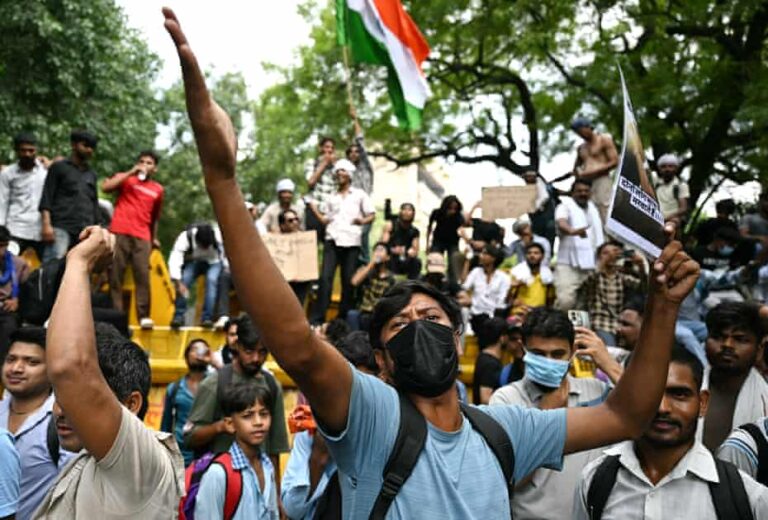
    Indian Prime Minister Narendra Modi has pledged to establish fast-track courts to swiftly punish officials involved in examination paper leaks, attempting to contain a widespread youth-led protest movement that has rocked New Delhi and disrupted Parliament. Posting on X in his first public remarks on the crisis, Modi declared that “those who try to harm the future of our youth will not be spared”. The satirical “Cockroach Janta Party” (CJP), coined after India’s top judge reportedly likened unemployed youths to “cockroaches”, promptly rejected Modi’s proposal as a superficial “Band-aid” measure. The CJP continues to demand  educational reforms and the immediate resignation of Education Minister Dharmendra Pradhan, who has faced intense pressure following 152 recorded paper leaks over the past decade. The movement has escalated rapidly across India, drawing tens of thousands of demonstrators to New Delhi’s Jantar Mantar and prompting solidarity marches in cities including Mumbai, Chennai, and Hyderabad. Opposition parties, led by Rahul Gandhi, have forced shutdowns in Parliament while demanding that Modi apologise and dismiss Pradhan, as government officials accuse the opposition of exploiting student grievances for political leverage.

  • | | |

    Iran rejects 60-day deadline in US MoU, blames Was…

    TEHRAN: Iran has rejected claims that a 60-day deadline had expired under its memorandum of understanding (MoU) with the United States, saying the agreement never imposed a fixed deadline on Tehran and that its decisions would be guided by national interests and security. Iranian Foreign Ministry spokesman Esmaeil Baqaei made the remarks during a press briefing on Monday as the period referenced in discussions between Tehran and Washington came to an end. “There is no such thing as a 60-day deadline in the text of the MoU,” Baqaei said, according to Iran’s semi-official ISNA news agency. He stressed that Iran would not formulate its policies under pressure, ultimatums or externally imposed time limits. According to Baqaei, the agreement provided a 60-day window for negotiations focused on two key issues — sanctions relief and Iran’s nuclear programme. He said the period could have been extended if the two sides failed to reach an outcome. However, Tehran argues that the understanding became irrelevant after what it described as widespread US violations of the agreement. Baqaei said no talks were ultimately launched under the framework because of Washington’s alleged actions. The MoU was signed on June 18 following weeks of diplomatic efforts aimed at easing the wider Middle East conflict and reopening the strategically important Strait of Hormuz. The waterway is a major route for global energy shipments, making any disruption there a concern for international markets. Tensions later escalated, with Iran accusing the United States of breaching the understanding. Hostilities resumed on July 7, when Iranian forces attacked commercial shipping in the Strait of Hormuz, including a Qatari liquefied natural gas tanker. The United States subsequently carried out several waves of strikes against Iranian military targets. The conflict also expanded beyond the Gulf, with Yemen’s Houthi rebels imposing a naval blockade affecting Saudi Arabia and adding pressure on another vital regional shipping route. Missing pilots Baqaei also raised the issue of three Iranian pilots whose fate remains disputed. Tehran says the pilots went missing during an operation targeting the US Al Udeid Air Base in Qatar in March. Iran now considers the missing men prisoners until their fate is clarified. Qatar, however, denies holding them and says it previously invited Iranian officials to receive details about search-and-rescue operations. Oil spill dispute The Iranian spokesman also blamed US military operations for environmental damage in Gulf waters and called for Washington to be held responsible. Iran recently demanded compensation over an oil slick that reached Qeshm Island, affecting beaches and mangrove areas. Tehran has blamed a foreign vessel for the spill, while outside reports have raised questions over the circumstances surrounding the incident. With diplomacy stalled and tensions continuing around the Strait of Hormuz, Iran’s latest statement signals that Tehran is unwilling to accept Washington’s interpretation of the MoU or negotiate under a deadline.

  • | |

    Pakistan monsoon death toll hits 110

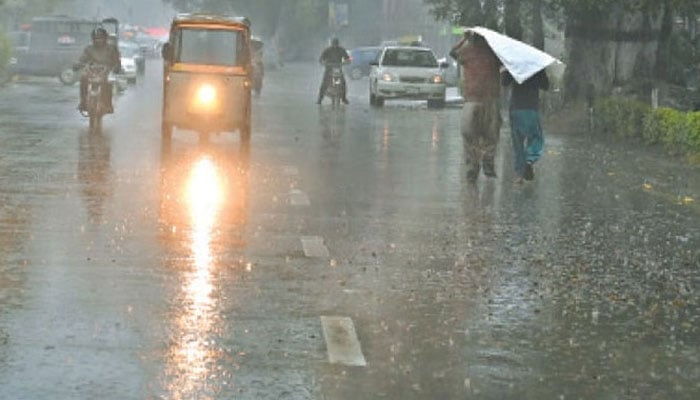
    The death toll from monsoon rains, flash floods and landslides across Pakistan has risen to 110, according to the National Disaster Management Authority (NDMA). The authority said 360 people have been injured in rain-related incidents since June 26. Nearly 800 houses have also been damaged across the country. Most fatalities have been reported in Khyber Pakhtunkhwa, followed by Punjab. Several areas have also faced flooding and damage caused by heavy rainfall. The NDMA briefed Prime Minister Shehbaz Sharif on the latest situation. The authority warned that northern parts of the country could face more flash floods and glacial lake outburst floods in the coming weeks. Rapidly melting glaciers have increased the risk in mountainous areas. Authorities have been asked to remain prepared for sudden flooding and other weather-related emergencies. Prime Minister Shehbaz directed officials to use all available resources to protect lives and property. He also stressed the importance of early warning systems and timely emergency measures. The Pakistan Meteorological Department has forecast another strong monsoon spell from July 29. The system is expected to affect Islamabad, upper Punjab, Khyber Pakhtunkhwa, Azad Kashmir and Gilgit-Baltistan. The upper catchment areas of major rivers may also receive heavy rainfall. The weather system is expected to continue until August 5. The weather department has warned of possible urban flooding. Rising water levels in rivers, hill streams and nullahs are also expected in vulnerable areas. Authorities have urged residents to remain cautious and follow official warnings during the latest spell of rainfall. Meanwhile, the Punjab Home Department has imposed Section 144 across the province for 60 days. The restrictions ban swimming, bathing and unauthorised boating at various water bodies. Pakistan faces heavy monsoon rainfall every year between late June and September. The season frequently causes flooding, landslides, infrastructure damage and loss of life.

  • PSX recovers nearly 600 points as buying returns a…

    Buying activity returned to the Pakistan Stock Exchange (PSX) on Wednesday, with the benchmark KSE-100 Index rebounding strongly in early trading after suffering a sharp decline in the previous session. By 9:40am, the KSE-100 Index had climbed 592.08 points, or 0.33%, to 180,438.76 points, reflecting renewed investor interest in major listed companies. The recovery was broad-based, with buying activity reported across several important sectors, including automobile assemblers, cement manufacturers, commercial banks, fertiliser companies, oil and gas exploration firms, oil marketing companies (OMCs) and power generation companies. Several index-heavy stocks also contributed to the early gains. HUBCO, MARI, POL, PPL, HBL, MCB, MEBL, NBP and UBL were among the prominent stocks trading in positive territory. Investors reassess geopolitical risks The improved sentiment at the local bourse came as Pakistan signalled that diplomatic efforts between the United States and Iran could potentially lead to an arrangement aimed at reducing tensions. Defence Minister Khawaja Asif told Bloomberg News on Tuesday that developments over the previous few days suggested that the two sides were moving closer to a possible understanding. According to the minister, the situation appeared to be developing in favour of a peace arrangement or agreement, raising hopes that easing geopolitical tensions could provide some relief to global energy markets. The prospect of reduced tensions is particularly important for Pakistan, where movements in international crude prices can have a significant impact on import costs, inflation expectations, the current account and overall investor sentiment. PSX suffers sharp decline in previous session The Wednesday rebound followed a difficult session at the PSX on Tuesday, when investors remained cautious amid geopolitical uncertainty and a rise in international oil prices. The KSE-100 Index ended Tuesday’s trading at 179,846.68 points, losing 1,463.60 points, or 0.81%. The decline reflected renewed selling pressure as market participants assessed the possible economic consequences of heightened tensions and uncertainty surrounding the outlook for a US-Iran agreement. Wednesday’s early recovery suggests that some investors were willing to return to equities as concerns over a possible escalation appeared to ease, although market sentiment remained sensitive to developments in global markets. Global markets remain focused on inflation data International markets were also trading cautiously on Wednesday, with oil and gold prices moving higher while Asian equities posted modest gains. Investors were closely watching the latest US consumer price index (CPI) data for indications about the future direction of US monetary policy. The inflation figures are expected to provide important clues about the Federal Reserve’s interest-rate outlook and the timing of any potential rate changes. Higher-than-expected inflation could reinforce expectations of tighter monetary policy for longer, while softer price pressures could strengthen the case for eventual rate reductions. In currency markets, the Japanese yen remained largely stable against the US dollar after giving back much of its recent gains following rare intervention in foreign-exchange markets by Japan and the United States. Geopolitical developments also continued to weigh on market sentiment. Reports of separate attacks involving shipping and the Iran-aligned Houthi movement added to concerns surrounding maritime security and energy supplies, while a North Korean missile launch further unsettled investors in Asia. Oil and gold prices rise Crude oil prices advanced amid continued concerns about supply disruptions and geopolitical risks. US crude futures increased 0.89% to $83.94 per barrel, while Brent crude rose 0.78% to $89.60 per barrel. Gold, another traditional safe-haven asset, also gained ground. Spot gold increased 0.46% to $4,387.03 per ounce as investors continued to monitor geopolitical developments and the direction of US monetary policy. In Asian equities, MSCI’s broadest index of Asia-Pacific shares outside Japan was up 0.5%. Japan’s Nikkei index remained broadly flat after markets reopened following a holiday.

  • | | |

    UAE visa restrictions threaten Pakistan’s Gulfoo…

    Pakistani business leaders have raised concerns over reported difficulties in obtaining UAE visas, warning that the situation is disrupting trade, business travel and export activities. The restrictions are causing uncertainty among Pakistani exporters and traders who regularly travel to the UAE for commercial meetings, exhibitions and other business activities. Ismail Suttar, Founder and Chairman of the Salt Manufacturers Association of Pakistan, said Pakistani citizens were facing serious difficulties in obtaining UAE visas. He said the reasons for the reported restrictions had not been clearly communicated. Business representatives said the issue was particularly worrying for companies with established operations in Dubai. Several Pakistani businessmen have offices and long-standing commercial interests in the UAE. Some business owners have also reportedly faced difficulties travelling to the UAE to visit their families. Representatives of the business community said repeated visa rejections had created considerable uncertainty. A member of the Karachi Chamber of Commerce and Industry said the matter had been formally raised with UAE authorities. A letter was sent to the UAE consul general on June 11, followed by another communication on July 7. The business community says the visa situation could also affect Pakistan’s participation in major international exhibitions. Gulfood, one of the major food and beverage exhibitions held in Dubai, is a particular concern. Pakistani food companies are preparing for the upcoming event, but exporters fear that their sales teams may not receive visas. Business leaders say participation in such exhibitions is important for finding international buyers and expanding exports. Without visas, company representatives cannot display products, hold meetings or negotiate new deals. They warned that prolonged travel restrictions could affect Pakistan’s efforts to increase exports and strengthen commercial ties with international markets. Former Federation of Pakistan Chambers of Commerce and Industry Secretary General Shahid Anwar said visa conditions for Pakistanis differed across Gulf countries. He noted that some Gulf states had introduced measures that made travel easier for Pakistani citizens. Saudi Arabia has included Pakistan in a package-based tourist visa programme, while Kuwait has restored several visa categories for Pakistani nationals. According to Anwar, these developments indicate improving engagement in some bilateral relationships. The situation with the UAE, however, remains unclear. UAE authorities have maintained that there is no general visa ban on Pakistanis and that applications across different categories continue to be processed. Business representatives, however, say their experiences do not always match the official position. Rawalpindi Chamber of Commerce and Industry President Usman Shaukat said several chamber members with established businesses in the UAE were facing visa problems. Some businessmen have long-standing commercial links and property interests in the UAE. Despite this, they have reportedly struggled to obtain visas. The difficulties have resulted in cancelled meetings and missed international exhibitions, according to business representatives. They said the impact was being felt not only in Rawalpindi but also among business communities in Karachi, Lahore and other major commercial centres. Travel industry representatives have also reported a significant decline in movement between Pakistan and the UAE. Aviation consultant Wahid Mukhtar said travel to the UAE had been badly affected by visa difficulties. He said family and visit visa applications were also facing high rejection rates. He added that labour visa holders continued to travel, while holidaymakers were increasingly choosing destinations such as Azerbaijan and Tashkent. Qatar has also changed its visa arrangements for Pakistani travellers, according to travel industry representatives. The reported restrictions are also affecting Pakistanis travelling for medical and health-related activities. Masood Ahmed said some applicants below the age of 40 were facing difficulties in obtaining Dubai visas, even when they had supporting letters. He said older applicants were experiencing comparatively fewer problems. Some younger applicants had previously been approved when travelling with family during major health exhibitions. Business leaders have urged the Pakistani government to intervene diplomatically. They want Islamabad to engage with UAE authorities and seek clarity on the visa situation.

  • | |

    Arooj Aurangzeb calls out support for Indian Gen Z

    Arooj Aurangzeb is a name that carries real weight in Pakistan’s student activism circles. In 2019, she went viral after a video of her reciting a powerful poem during the student solidarity march spread rapidly across social media. She was protesting alongside thousands of other students who were demanding the restoration of student unions and proper political representation for young people within the country’s institutions. The videos from that movement were electric, emotional and widely shared, including hers. Seven years later, she is back in the public conversation, but this time it is not because of a protest. It is because of a contradiction she says she can no longer stay quiet about. When Indian students began protesting over the NEET paper leak at Jantar Mantar, demanding justice and systemic reform in the country’s examination system, Pakistani social media users responded with visible enthusiasm. Support poured in from across the border, with many Pakistanis praising the Indian Gen Z for their courage, awareness and refusal to be silent. Arooj Aurangzeb watched that wave of support and felt something shift inside her. She took to social media to point out what she saw as a glaring and painful inconsistency. While Pakistanis were celebrating the Indian protesters and calling their movement inspiring, many of those same people had ridiculed, trolled and dismissed her and her fellow students when they took to the streets in 2019 for exactly the same kind of systemic change. She did not hold back. She highlighted the irony directly, asking how the same people who mocked Pakistani students fighting for their rights could turn around and feel so moved by Indian Gen Z doing the same thing. Her post was not framed as anti-India. It was framed as a question about selective empathy and the way Pakistanis sometimes extend more admiration to voices from abroad than to those speaking up at home. The internet did not respond with silence. Reactions were divided and sharp. Some users sided with her immediately. “We never stand by our own heroes,” one person wrote, capturing the frustration that Arooj was articulating. Others pushed back, with one commenter arguing that the dynamics of Indian and Pakistani Gen Z are completely different and that direct comparisons were unfair. Another raised a pointed question of their own, asking why so many Pakistani revolutionaries eventually leave the country on foreign visas, a remark that suggested the critique went both ways. Arooj Aurangzeb’s voice in 2019 was a reminder that young Pakistanis were willing to stand up and demand something better. Her voice in 2026 is a reminder that those same young people are still watching, still paying attention, and still asking why the recognition they deserved then continues to be denied while admiration flows so freely elsewhere.

Leave a Reply

Your email address will not be published. Required fields are marked *