sindh restores saturday
| |

Sindh restores Saturday holiday for schools

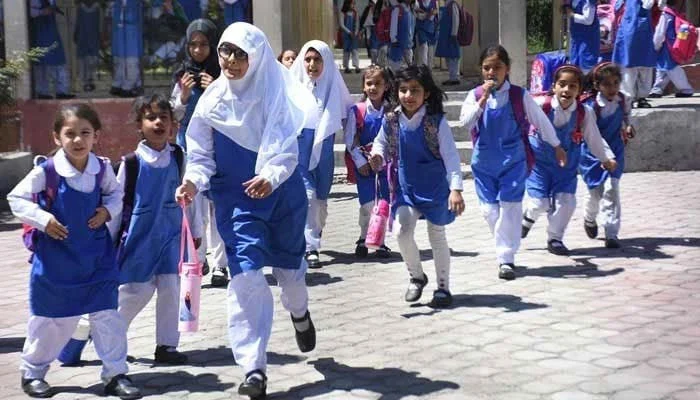
The Sindh government has revised the weekly schedule for schools, restoring Saturday and Sunday as official weekly holidays for all public and private educational institutions across the province.

According to the School Education and Literacy Department, the updated schedule has been approved by the chief secretary and will be implemented in all government and privately managed schools.

Under the new arrangement, schools will operate five days a week, from Monday to Friday. To compensate for the reduced number of working days and ensure timely completion of the academic syllabus, daily teaching hours will be extended by one additional hour.

Officials said the revised timetable aims to maintain the pace of academic activities while providing students and teachers with a two-day weekend.

The latest decision replaces an earlier directive issued last month, under which all public and private schools in Sindh had been instructed to observe a six-day working week from August 1, with classes scheduled from Monday to Saturday.

The change comes shortly after educational institutions resumed classes following the two-month summer vacation, which lasted from June 1 to July 31.

Education authorities said the revised schedule will apply uniformly across the province and schools have been directed to implement the updated working days and teaching hours accordingly.

Similar Posts

  • |

    Two tribal elders killed in South Waziristan

    Two tribal elders were shot dead by unidentified armed men in the Zarmilan area of Toi Khulla tehsil in Lower South Waziristan on Sunday, according to police District Police Officer (DPO) Shah Hassan identified the victims as Haji Gul and Malik Badshah, both members of the Suleman Khel tribe. Police said the two elders were travelling from Gul Kach towards Zarmilan when gunmen opened fire on their vehicle near Darozanda. Both men sustained multiple bullet wounds and died at the scene, while the attackers escaped. Police registered a preliminary case at Toi Khulla police station and launched an investigation. DPO Hassan said officers were examining all possible aspects of the incident and working to identify and arrest the suspects. The killings come amid growing concerns over the deteriorating security situation in Lower South Waziristan. The district has witnessed a rise in targeted killings, bomb attacks, kidnappings for ransom, extortion and attacks on police and security personnel over the past 18 months. Tribal elders and their relatives have increasingly become targets of violence. The trend has raised concerns about the safety of influential tribal figures, who have traditionally helped resolve disputes and maintain peace through jirgas and other local mechanisms. In May, prominent tribal elder and chief of the Ahmadzai Wazir tribe, Malik Tariq Wazir, was among three people killed in an IED blast near Gulshan Plaza in Wana’s busy Rustam Bazaar. Four others suffered injuries in the explosion. Police said explosives had allegedly been planted near the plaza overnight and detonated in the morning as Malik Tariq passed through the market in a vehicle. He was considered an influential figure who played an active role in tribal jirgas and local dispute resolution. He had also been abducted by armed men in December 2024 but was later released following efforts by tribal elders and local mediators. In another incident in June 2026, unidentified gunmen killed two sons of prominent tribal elder Malik Jamil Wazir near Kari Kot Bazaar in Wana tehsil. The brothers were identified as Naveed Wazir and Moeenuddin Wazir.

  • | |

    Japan PM’s market woes deepen as support slides

    Japanese Prime Minister Sanae Takaichi is facing mounting political and economic pressure as falling public support makes it harder for her government to balance tax cuts, economic stimulus and financial stability. Takaichi’s approval rating fell sharply in July, reaching its lowest level since she became prime minister last year. Rising inflation has increased pressure on households and weakened public confidence in the government. Higher import costs linked to a weaker yen have contributed to price increases. The impact of inflation is now becoming a major political challenge for Takaichi. The prime minister has continued to support higher government spending and large-scale investment. She has also criticised excessive monetary and fiscal tightening. However, investors are increasingly worried that the government’s expansionary policies could worsen Japan’s already difficult fiscal position. Those concerns have pushed Japanese government bond yields higher. Rising yields indicate that investors are demanding greater returns to hold Japanese debt. The market pressure has also complicated government efforts to support the yen. Officials have repeatedly warned currency traders against excessive speculation, but their comments have had limited impact. Government sources said the effectiveness of such verbal intervention was weakening as investors became more concerned about Japan’s fiscal outlook. One source warned that financial markets were gaining greater influence over fiscal management, creating a situation Japan had not experienced on this scale for decades. Takaichi is caught between two competing objectives. She wants to stimulate economic growth and reduce the burden of rising living costs. At the same time, she needs to convince investors that Japan remains committed to fiscal discipline. Her government’s spending plans have already contributed to market concerns. Japanese government bond yields climbed to their highest level in about three decades in July as investors assessed the potential impact of increased spending and borrowing. Takaichi has acknowledged the importance of rebuilding confidence among investors. She recently said that communication with financial markets would become increasingly important. However, she has shown little intention of abandoning her expansionary economic strategy. The prime minister has reiterated her goal of ending what she calls excessive fiscal tightening. She wants to promote growth through increased investment and tax reductions. That position has created a political dilemma. Reducing or delaying her planned measures could weaken her popularity. But continuing with them could further unsettle financial markets. The pressure could intensify in the coming months. Takaichi is expected to proceed with a proposal to reduce an 8% consumption tax on food for two years. Japanese media have reported that the government intends to move ahead despite reservations within the ruling party. The plan could provide relief to households struggling with higher prices. However, analysts say uncertainty over how the tax reduction would be financed could create additional pressure in the bond market. The government is also considering changes to its budget-making process. Under the proposed system, spending requests for key growth sectors would not be subject to strict ceilings. That could lead to higher government expenditure and increased debt issuance in the next fiscal year. Economists have warned that such measures may make it more difficult for the government to reassure investors about its commitment to fiscal responsibility. Japan’s currency is also facing significant pressure.

  • | |

    Sardar Yousaf renews call for creation of Hazara p…

    Federal Minister for Religious Affairs Sardar Muhammad Yousaf has reiterated his demand for the creation of a separate Hazara province, saying there is broad political consensus on the issue and that administrative reforms are essential to improve governance and public service delivery. Addressing a joint press conference in Islamabad alongside Senator Talha Mahmood, the minister said the movement for Hazara province began in 2010 and has remained a longstanding demand of the region’s people. He said seven young people sacrificed their lives during the movement, adding that their contributions would always be remembered. According to the minister, people from different political parties have consistently supported the establishment of Hazara as a separate province. Sardar Yousaf noted that the Khyber Pakhtunkhwa Assembly has passed constitutional resolutions in support of Hazara province on three occasions—in 2014, 2018, and 2020. He added that bills seeking the creation of the new province have also been introduced in both the National Assembly and the Senate and have been referred to the relevant standing committees on law and justice. The minister said the creation of new administrative units has become a necessity in view of Pakistan’s growing population, which now exceeds 250 million. He argued that additional provinces would improve governance, revenue collection, and the implementation of development projects. He stressed that the demand for Hazara province is not linked to any single political party but represents a united movement supported by people from all walks of life, including political leaders, lawyers, journalists, students, traders, and religious scholars. Sardar Yousaf said several national political leaders have publicly expressed support for the Hazara province during visits to the region and public gatherings. He maintained that smaller administrative units would bring government services closer to the people, help address public issues more effectively, and strengthen the federation. He also paid tribute to those who lost their lives during the Hazara province movement, noting that Hazara Martyrs’ Day is observed every year on April 12 in their memory.

  • |

    Escalating water shortages compound the crisis for Sudanese refugees in Chad

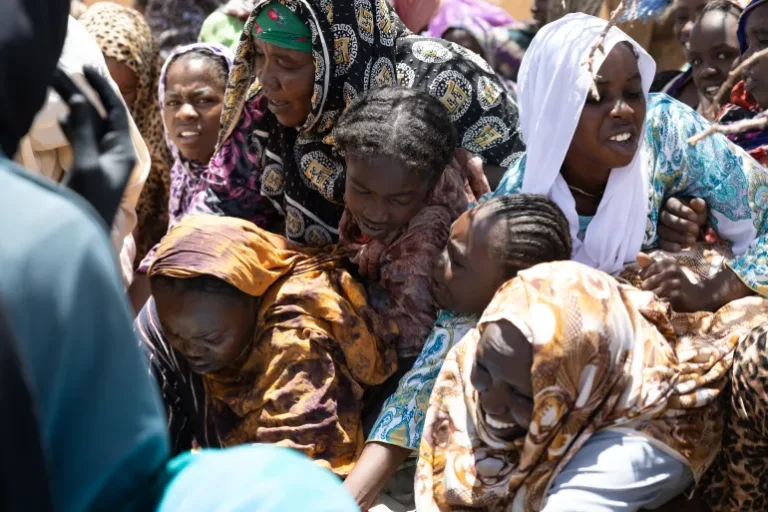
    Sudanese refugees who escaped violent conflict in Darfur are facing an severe water shortage in eastern Chad’s overcrowded displacement camps. Over 938,000 people have fled into Chad since fighting erupted in April 2023 between the Sudanese Armed Forces (SAF) and the Rapid Support Forces (RSF). Settlements such as the Goudrane refugee camp, which accommodates roughly 50,000 refugees, frequently go days without water tank deliveries, leading to desperate scrambles when limited supplies arrive. The extreme scarcity forces many families to survive on less than half of the United Nations High Commissioner for Refugees’ (UNHCR) recommended daily minimum water allocation. At local medical clinics, doctors report an inability to effectively administer treatments for bacterial infections because patients lack access to clean drinking water. Aid agencies, including Solidarités International, caution that existing funding levels cannot keep pace with the growing capacity requirements for boreholes, sanitation, and water treatment infrastructure. Refugees arriving at transit sites such as Adré and long-term camps like Metche describe systematic violence in Sudan, particularly targeting the Masalit community. Reports detail mass killings, sexual violence, heavy shelling, and deliberate destruction of vital supplies by RSF fighters during escapes from towns like el-Fasher and el-Geneina. With the conflict entering its fourth year and diplomatic resolution remaining distant, displaced families face prolonged instability alongside severe resource shortages.

  • | |

    Iran, Oman reach deal on Strait of Hormuz shipping routes

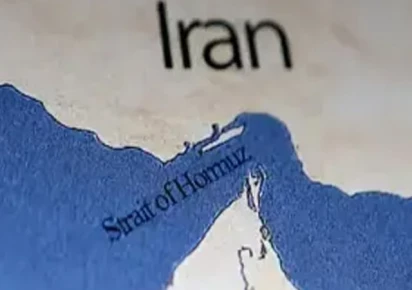
    Iran and Oman have reached an agreement on a proposed shipping route map for the strategically important Strait of Hormuz following weeks of technical negotiations, Iranian officials said on Saturday. Iranian Foreign Ministry spokesman Esmaeil Baghaei said the two countries had made significant progress in talks aimed at establishing safer navigation routes through the waterway. The negotiations began around three months ago under an agreement signed in June. Baghaei said the proposed route was developed through coordination between Iran’s foreign ministry and its defence, security and environmental authorities. He added that Tehran and Muscat were still discussing some remaining issues, including the wording of a joint statement. The spokesman stressed that the arrangement was a bilateral agreement between Iran and Oman and was intended to facilitate the safe movement of commercial vessels while respecting the sovereignty of both countries. However, Tehran has made clear that the full restoration of normal shipping through the Strait of Hormuz depends on broader developments involving the United States. Baghaei said Iran wanted an end to what it described as US military threats, naval restrictions and violations of previous commitments before normal commercial traffic could fully resume. Iranian Foreign Minister Abbas Araghchi separately said negotiations with Oman over the waterway were continuing. He described the discussions as separate from the wider diplomatic dispute between Tehran and Washington. Araghchi also rejected the description of an earlier agreement as a simple 60-day ceasefire. He said the understanding was aimed at ending the war, while the 60-day period was intended for negotiations toward a final settlement. He said Qatar and Pakistan were continuing to exchange messages with Iran but stressed that Tehran had not yet decided to resume direct negotiations with Washington. Iranian Deputy Foreign Minister Kazem Gharibabadi also rejected claims that the United States could take control of the Strait of Hormuz. He said Iran remained in charge of decisions concerning the waterway and dismissed statements suggesting that the strait could become US territory. The Strait of Hormuz is one of the world’s most important energy corridors, connecting the Persian Gulf with the Gulf of Oman. A prolonged disruption to shipping through the waterway has raised concerns over global energy supplies and fuel prices. The latest developments come amid continuing tensions between Iran, the United States and Israel. Shipping through the strait remains significantly below normal levels, while diplomatic efforts to end the wider conflict have yet to produce a lasting settlement. US President Donald Trump has meanwhile urged Americans to accept higher fuel prices while the conflict continues, arguing that confronting Iran was necessary to prevent it from obtaining a nuclear weapon. The dispute has already pushed global oil prices higher, while rising fuel costs in the United States have added to inflationary pressures.

  • | | |

    SC orders Imran’s transfer to Shifa Hospital

    The Supreme Court has directed authorities to transfer Pakistan Tehreek-e-Insaf founder Imran Khan from Adiala Jail to Shifa International Hospital for medical assessment and treatment. The order was issued by a three-member bench headed by Justice Shahid Waheed. Justice Naeem Akhtar Afghan and Justice Ishtiaq Ibrahim were also part of the bench. The court was hearing petitions related to Imran’s medical treatment, access to his personal doctors and meetings with family members. The bench also ordered authorities to submit Imran’s complete medical record before the next hearing. Justice Waheed questioned why the court had been provided with only a summary instead of the full medical file. The judge said the court wanted the complete record to properly assess Imran’s health condition. The matter came under discussion after a medical report submitted by Adiala Jail authorities highlighted concerns about Imran’s health. Justice Waheed noted that the reports indicated abnormalities in his pulse and heart condition and suggested that his vital organs could be affected. The bench also discussed a recommendation for angiography. Justice Afghan asked whether the procedure could be performed inside the jail. The Islamabad advocate general told the court that angiography could be carried out at a hospital outside the prison. PTI lawyer Uzair Bhandari raised concerns about the cause of an alleged blood clot and requested access for Imran’s personal physicians. He sought permission for Dr Asim Yusuf and Dr Faisal Sultan to meet Imran. The court discussed the qualifications of the doctors proposed for the visit and noted that no formal challenge had been made to the doctors who had already examined the former premier. The court also addressed the issue of media statements following meetings with Imran. Bhandari assured the bench that family members and doctors would not speak to the media after meeting the PTI founder. The Islamabad advocate general said an earlier undertaking regarding media interactions had allegedly been breached. The matter is also pending before the Islamabad High Court. Senior PTI lawyer Salman Akram Raja argued that responsibility should not automatically be placed on others if an undertaking had been violated. Justice Waheed warned that if contempt proceedings were initiated against officials for violating court directions, similar action could also be considered against lawyers or other individuals who breached court orders. The bench said the PTI and Imran’s family would have to provide an undertaking that no media briefing would take place after meetings. Justice Afghan also urged the PTI to avoid turning Imran’s medical condition into a political dispute. The court separately examined restrictions on meetings between Imran and his sisters. Justice Waheed said meeting family members was a fundamental right and should not be treated as a special favour. Authorities told the court that Imran had met his sisters 48 times during the past three years. The court ordered officials to submit complete details of all those meetings. It also sought records concerning Imran’s communication with his sons, including call detail records. The bench further directed authorities to provide comprehensive information about the cases against Imran. The court wants details of cases in which he is an under-trial prisoner, cases resulting in convictions and matters where sentences have been suspended. Adiala Jail officials were summoned to appear before the court at the next hearing. The court also questioned the implementation of Islamabad High Court directions concerning meetings with Imran. The Islamabad advocate general said the matter was pending before the high court in an intra-court appeal. The hearing was adjourned until after the summer vacation. Medical report submitted to court A two-page medical report submitted by the Adiala Jail superintendent provided details of Imran’s treatment and health monitoring during his imprisonment. The report said Imran had received treatment from ophthalmologists in Islamabad and Rawalpindi for central retinal vein occlusion, an eye condition diagnosed previously. According to the report, his affected eye had shown significant improvement and had almost returned to normal vision. The report also contained a summary of 39 medical examinations conducted by various specialists between November 4, 2023 and August 10, 2026. Several government doctors examined Imran during this period. Jail authorities said records of the consultations had been maintained. Medical officers at the jail also monitored his food and fluid intake three times a day and conducted regular health checks. The report stated that Imran and his wife had been meeting every Tuesday under jail rules. A total of 84 such meetings had reportedly taken place.

Leave a Reply

Your email address will not be published. Required fields are marked *