south african court
|

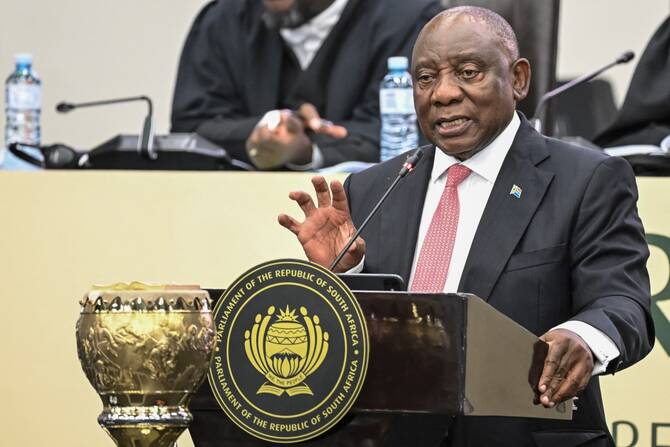
South African court pauses impeachment proceedings against Cyril Ramaphosa

South Africa’s Western Cape High Court has granted President Cyril Ramaphosa a temporary order halting parliamentary impeachment proceedings against him. The interdict pauses the work of a parliamentary impeachment committee until the court reviews a November 2022 panel report in September, which concluded that Ramaphosa “may have committed” serious violations regarding the Phala Phala farm scandal.

The controversy stems from a 2020 break-in at Ramaphosa’s luxury farmhouse in Limpopo, where $580,000 in undeclared foreign currency hidden inside a sofa was stolen. While a former spy chief alleged the stolen sum reached $4 million and accused the president of concealing the robbery from tax and police authorities, Ramaphosa has maintained his innocence, stating the cash came from a legitimate sale of 20 buffaloes.

Although the ruling African National Congress (ANC) initially quashed impeachment efforts in Parliament in 2022 and prosecutors dropped criminal charges in 2024, a Constitutional Court ruling in May 2026 reinstated the impeachment process. Ramaphosa welcomed Friday’s court decision, affirming his respect for judicial independence while awaiting the full review hearing in September.

Similar Posts

  • | |

    NCCIA launches probe into social media campaign ag…

      The National Cyber Crime Investigation Agency (NCCIA) has launched an investigation into an alleged social media campaign aimed at damaging the reputation of Sindh Senior Minister Sharjeel Inam Memon and his son. According to NCCIA officials, the agency has received a formal complaint from Sharjeel Inam Memon regarding the alleged defamatory content circulating on various social media platforms. The complaint was received by the Deputy Director of the NCCIA’s Karachi Zone, who has initiated the process of investigating the matter. Officials said the agency is currently working to identify individuals allegedly involved in operating social media accounts, creating content and disseminating posts that are claimed to have harmed the reputation of the senior provincial minister and his son. The investigation will focus on tracing the origin of the posts, identifying the people responsible for creating and publishing the material, and determining how the content was circulated and amplified across social media platforms. NCCIA officials said the agency has contacted around 10 major social media platforms, including Facebook, WhatsApp, X, and Instagram, as part of its investigation. The platforms have reportedly been asked to provide relevant information about the accounts and individuals involved in spreading the alleged defamatory posts. The agency has also sought details of accounts that allegedly played a role in making the posts viral. Investigators are attempting to determine whether the content was originally posted by a particular account and subsequently shared or promoted by other users. In addition, the NCCIA has requested data relating to social media accounts from which the allegedly objectionable posts were later deleted. Officials are seeking information that could help investigators identify the users behind such accounts, even where the original content is no longer publicly available. The development comes amid growing concerns over the use of social media platforms to circulate unverified, misleading or allegedly defamatory material against public figures. With social media allowing information to spread rapidly across multiple platforms, cybercrime investigators increasingly rely on digital records and platform data to trace the origins of online content. The NCCIA’s investigation is expected to examine the digital trail associated with the alleged campaign, including the accounts involved in creating, sharing and circulating the material. Investigators may also examine the extent to which the content was distributed and whether multiple accounts were coordinated in spreading it. The complaint reportedly alleges that the social media campaign was intended to damage the honour and reputation of Sharjeel Inam Memon and his son. However, the allegations remain part of the ongoing investigation, and any responsibility for the content will ultimately depend on the findings of the relevant authorities. The agency’s request for information from social media platforms is aimed at obtaining additional evidence that could assist in identifying the people behind the accounts and determining the circumstances surrounding the creation and distribution of the posts. The NCCIA has not yet disclosed the identities of any suspects or announced arrests in connection with the case. Further action is expected after investigators receive and analyse the requested information from the social media platforms. The case highlights the increasing role of cybercrime authorities in addressing complaints involving online harassment, defamation and the alleged misuse of social media. The investigation will determine whether the content in question violated relevant laws and whether those responsible can be identified and proceeded against under the applicable legal framework.

  • | |

    Suspected food poisoning claims three young lives

      In a deeply distressing incident that has sent shockwaves through the small community of Khanpur, located within the Shikarpur district, at least ten individuals have fallen severely ill after reportedly consuming contaminated or unwholesome food. The situation, which unfolded rapidly over the past 24 hours, has tragically resulted in the deaths of three young children, while seven other victims, including women and other minors, remain under intensive medical care. According to official statements released by local police authorities, the harrowing sequence of events began when a group of families, gathered for what is believed to be a communal meal or a private social event, started exhibiting acute symptoms of foodborne illness. The symptoms, described by medical staff as severe and aggressive, included persistent vomiting, acute diarrhea, high-grade fevers, and in some cases, neurological distress such as disorientation and muscle weakness. The rapid onset of these symptoms alarmed family members, who immediately rushed the afflicted individuals to the nearest government-run healthcare facility and private clinics in the vicinity. Police officials, who have been deployed to the scene to maintain order and initiate a formal investigation, confirmed the grim casualty count. In a somber press briefing, a senior police officer stated that three children, all under the age of ten, succumbed to the poisoning shortly after their arrival at the hospital. Despite the frantic efforts of the attending physicians, who administered emergency first aid, intravenous fluids, and antitoxins, the children could not be revived. The deaths have plunged the already impoverished area into a state of profound grief and anger, with residents demanding immediate answers and accountability. The seven surviving victims are currently undergoing treatment in the hospital’s emergency and isolation wards. Among them are several women and more young children, indicating that the affected group was largely composed of families. Medical professionals have described the condition of at least two of the survivors as “critical but stable,” as they continue to battle severe dehydration and toxic shock. The hospital administration has mobilized additional staff and resources to manage the sudden influx of patients, while also sending samples of the victims’ stomach contents and blood to a forensic laboratory in the provincial capital for toxicological analysis. Preliminary medical reports suggest that the contamination could be due to the presence of highly toxic pesticides or spoiled meat, though this has yet to be scientifically verified. In response to the escalating crisis, the district administration has convened an emergency meeting to coordinate relief and investigative efforts. The police have cordoned off the location where the meal was prepared and served, seizing leftover food samples, cooking utensils, and water sources for thorough forensic examination. “We are treating this case with the utmost seriousness,” a police spokesperson emphasized. “We are recording the statements of the survivors, the family members, and the food handlers involved. Our primary objective is to determine whether this was a case of gross criminal negligence by a food supplier, accidental cross-contamination, or, in a more sinister scenario, deliberate sabotage.” The local community, already grappling with poverty and limited access to clean drinking water and quality healthcare, is now reeling from the tragedy. Small gatherings of grieving relatives and concerned neighbors have formed outside the hospital, many expressing outrage over the recurring incidents of food adulteration and poor hygiene standards in the region. Activists have called for a stringent crackdown on unlicensed food vendors and caterers, who often operate without basic health safety certifications. They argue that such tragedies are preventable if local authorities enforce existing food safety laws and conduct routine inspections of commercial kitchens and street food stalls. As the investigation continues, the police have assured the public that they will leave no stone unturned. They have promised to bring those responsible to justice, whether they are individual cooks, wholesale suppliers, or negligent shopkeepers. Meanwhile, the district health officer has issued a public advisory warning residents to be extremely cautious about the source and freshness of their food, particularly during the hot and humid season when perishable items spoil rapidly. This heartbreaking incident in Khanpur serves as a grim reminder of the dire consequences of food insecurity and the critical need for robust public health infrastructure. As the families of the deceased prepare for burial according to Islamic rites, the entire region mourns a loss that could have been avoided. The coming days will be crucial as forensic results are expected to shed light on the exact nature of the poison, potentially paving the way for legal action and, hopefully, preventing future calamities. The police have confirmed that a detailed case report will be filed, and all findings will be shared with the public in the interest of transparency and justice.

  • | |

    Karachi sees drop in robbery, murder cases

    Karachi Police Chief Azad Khan has claimed that incidents of robbery and murder have declined across the city, saying the rate of vehicle and motorcycle snatching has fallen by 25%. Speaking during a visit to the Site Association of Industry office, Azad Khan said the latest results were encouraging. However, he added that the police wanted to achieve further improvements in the city’s security situation. The Karachi police chief said authorities were also taking cases of extortion seriously. He said he was personally monitoring such cases and assured the business community that no leniency would be shown towards extortionists and their associates. Azad Khan said many extortionists were still operating from outside the city. He claimed that police had information about them and their networks. He said their associates were allegedly intimidating citizens and businesspeople. Police would take action against anyone found involved in threatening or extorting residents, he added. The police chief stressed that peace in Karachi had been restored after considerable efforts. He said maintaining the city’s security was now a major responsibility. Azad Khan also linked security with Karachi’s economic stability. He said the city’s economic security was extremely important because a weak economy could lead to higher unemployment and crime. He said Karachi’s business community had an important role in the city’s economy. Ensuring a secure environment for businesses was therefore necessary for continued economic activity and investment. The Karachi police chief also spoke about his personal connection with the city. He said he had grown up in Karachi and felt that the city had a debt that needed to be repaid through public service. He acknowledged that the Sindh Police faced several challenges. However, he said efforts were continuing to improve law and order and provide better services to residents. Azad Khan also highlighted the increasing use of technology in policing. He said authorities had not waited for the completion of the Safe City project to introduce the e-challan system. The police would continue moving forward with technology rather than returning to traditional methods. He said the department was also exploring the use of artificial intelligence-based traffic signals. However, such systems required significant investment. The police chief said the authorities were making every effort to provide better public services. He also announced that a major plan was being prepared to tackle encroachments across Karachi. He said the removal of illegal encroachments would be addressed through a broader strategy. The police leadership’s comments come as Karachi continues to face challenges related to street crime, traffic management, extortion and urban development.

  • | | |

    11 killed, 40 injured in Houthi attack in Yemen

    A deadly Houthi attack in Yemen has killed 11 people, including eight military personnel and three civilians, according to Yemeni officials and reports from international news agencies. The attack reportedly took place in the coastal city of Mokha, an area controlled by Yemen’s internationally recognized government. A health ministry official in the city confirmed the deaths and said dozens of people were also injured in the incident. According to officials, the casualties included eight military personnel and three civilians. Initial reports about the number of wounded varied, with one account reporting 32 people injured, including six in critical condition, while military sources said more than 40 personnel had been wounded. The reported casualties occurred following an attack in the port area of Mokha. The incident adds to the continuing violence in Yemen, where the conflict between the internationally recognized government and the Houthi movement has persisted for years. Earlier, reports indicated that the Houthis had also carried out a drone attack targeting a Saudi oil refinery along the Arabian Sea coast. The reported incident comes amid continued tensions involving Houthi forces and regional actors. Yemeni government forces also claimed to have carried out drone strikes against Houthi positions in the southwestern province of Al Dhale’e. According to military statements, the strikes caused significant casualties and material losses among Houthi forces. The government forces claimed that several Houthi military positions were hit during the operation. Barracks, trenches, tunnels and other military sites were reportedly targeted, along with military vehicles and equipment. The latest Houthi attack in Yemen highlights the continuing instability in the country, where military confrontations and drone attacks remain a major security concern. The conflicting figures regarding casualties reflect the rapidly developing nature of the incident, and further updates may emerge as authorities assess the damage and verify the number of casualties. Yemen has experienced years of conflict, creating a severe humanitarian and security crisis. Any renewed escalation between Houthi forces and government-aligned forces risks further worsening the situation for civilians and military personnel alike. Authorities are expected to continue assessing the impact of the latest attack while military forces on both sides remain on heightened alert.

  • |

    Pakistan, New Zealand seek stronger trade, investment and education ties

    WELLINGTON: Pakistan and New Zealand have agreed to intensify bilateral economic and commercial cooperation, with agriculture, livestock, information technology, education and services identified as key areas offering greater potential for collaboration. The understanding was reached during a series of high-level meetings held in Wellington on August 6, where officials from both countries reviewed the state of bilateral relations and discussed measures to expand trade and investment ties. According to a statement issued by Pakistan’s Foreign Office on Saturday, the discussions placed particular emphasis on improving market access and developing practical avenues for cooperation in sustainable agriculture. The two sides also explored the possibility of technical collaboration in areas such as wool production and plant protection. The meetings included the 5th round of Pakistan-New Zealand Political Consultations and the 3rd meeting of the Pakistan-New Zealand Joint Trade Committee (JTC). The talks provided both sides with an opportunity to assess existing cooperation and identify new sectors for mutually beneficial economic engagement. The Pakistani delegation at the Joint Trade Committee meeting was headed by Commerce Secretary Jawad Paul Khawaja, while the New Zealand side was led by Grahame Morton. Officials also examined ways to strengthen institutional arrangements that could facilitate closer economic cooperation between the two countries. Improving trade relations and creating a stronger framework for investment were among the areas discussed during the engagement. The political consultations were co-chaired by Ambassador Dr Syed Ali Asad Gillani, Additional Foreign Secretary for Asia Pacific at Pakistan’s Ministry of Foreign Affairs, and Grahame Morton, Deputy Secretary of the Americas and Asia Group at New Zealand’s Ministry of Foreign Affairs and Trade. During the consultations, the two delegations conducted a broad review of Pakistan-New Zealand relations and discussed opportunities to expand cooperation in several fields. These included economic development, science and technology, education, counterterrorism, efforts against transnational crime, high-level exchanges and people-to-people contacts. The officials also discussed regional and global developments and agreed on the importance of maintaining closer coordination at multilateral forums. Pakistan briefed New Zealand on its position regarding developments in the Middle East, including Islamabad’s efforts to help reduce tensions and promote peace. The Pakistani delegation also shared its assessment of the regional situation in South Asia, including developments concerning Indian Illegally Occupied Jammu and Kashmir (IIOJK) and Pakistan’s concerns over India’s actions relating to the Indus Waters Treaty. According to the Foreign Office, Morton acknowledged Pakistan’s constructive contribution to efforts aimed at promoting peace in the Middle East. Education cooperation gains momentum One of the major outcomes of the engagement was the signing of an Education Cooperation Arrangement between Pakistan and New Zealand. The agreement is expected to provide a foundation for closer cooperation in education and create opportunities for greater institutional engagement between the two countries. Education was also discussed as an important component of broader people-to-people relations, alongside science, technology and skills development. The latest consultations come as both countries seek to build on existing bilateral ties and diversify areas of cooperation. Agriculture and livestock, in particular, offer opportunities for technical exchanges and knowledge sharing, while the growing importance of information technology and services could provide additional avenues for economic collaboration. The two sides also stressed the need to translate discussions into practical initiatives that can improve bilateral trade and investment flows. Officials described the meetings as an opportunity to take stock of progress in Pakistan-New Zealand relations, explore emerging areas of cooperation and strengthen institutional mechanisms for future engagement. The discussions concluded with a reaffirmation of the two countries’ commitment to developing a broader, forward-looking partnership based on mutual economic interests, diplomatic coordination and stronger people-to-people connections.

  • | | | |

    Oil prices fall as Hormuz shipments resume

    Global oil prices fell sharply on Friday, extending weekly losses as crude exports through the Strait of Hormuz gradually resumed, easing fears of prolonged supply disruptions despite a fresh maritime security incident near Oman. Brent crude dropped nearly 2% to $73.76 per barrel, while US West Texas Intermediate (WTI) crude also declined around 2% to $70.43 per barrel during trading. The decline reflected growing market confidence that oil supplies from the Gulf were beginning to recover after months of disruption. Saudi Arabia’s state-owned energy company resumed crude loading operations at the Ras Tanura export terminal after a suspension of almost four months. Shipping data indicated that two very large crude carriers were loading oil at the terminal, with another tanker waiting offshore, signalling a gradual restoration of export activity. Market analysts said traders were reacting positively to the increase in tanker movements through the Strait of Hormuz, one of the world’s most important energy corridors. However, they noted that crude demand from China remains weaker than expected, adding downward pressure on prices. The market had briefly rallied a day earlier after a commercial cargo vessel was struck by an unidentified projectile near Oman, prompting the United Nations’ shipping agency to suspend its voluntary evacuation programme in the area. US officials later alleged that Iranian forces had fired on the vessel as it attempted to transit the strait, while Iranian authorities maintained that security could not be guaranteed for ships operating outside designated navigation routes. Although oil shipments through the Strait of Hormuz have reached their highest level since the outbreak of the US-Israel-Iran conflict in February, overall maritime traffic remains well below normal levels recorded before the crisis. Analysts observed that much of the recent increase in tanker traffic reflects vessels that had been stranded during the conflict finally leaving the Persian Gulf. They cautioned that inbound shipping remains limited, suggesting export flows could slow again once the backlog of delayed vessels has cleared. Adding another layer of uncertainty, earthquakes in Venezuela raised fresh concerns about global oil supplies. Initial assessments indicated that the country’s major oilfields, refineries and export facilities escaped significant damage because they were located away from the hardest-hit regions. Nevertheless, widespread power outages have created uncertainty over whether Venezuela can maintain crude production near its recent level of approximately 1.2 million barrels per day. Despite ongoing geopolitical tensions and supply risks, the resumption of Gulf oil exports outweighed immediate concerns, leaving both Brent and WTI crude on course for weekly losses of around eight percent.

Leave a Reply

Your email address will not be published. Required fields are marked *