spain deploys military
|

Spain deploys military to Ceuta as thousands of migrants enter enclave from Morocco

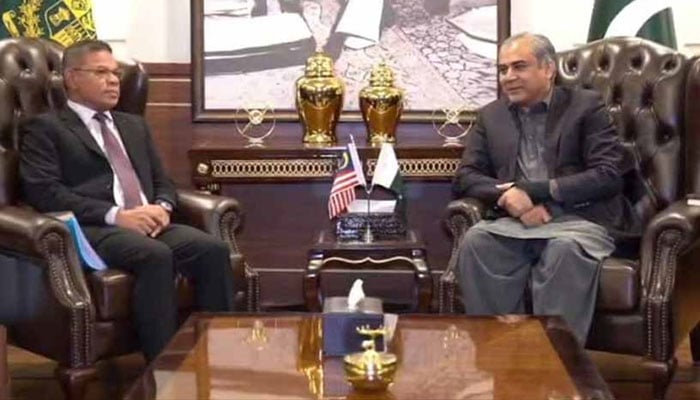
Spain has deployed armed forces to reinforce civil guard units in its North African enclave of Ceuta after thousands of migrants swam around border jetties from Morocco, resulting in chaos and at least 15 drownings.

The influx follows a recent Spanish Supreme Court ruling prohibiting the summary return of migrants intercepted at sea, a move Spain’s interior ministry claims human trafficking networks have exploited to drive illegal crossings.

The sudden security breakdown has triggered a diplomatic dispute within Europe, with Italian Prime Minister Giorgia Meloni announcing that Italy is considering suspending the open-border Schengen agreement with Spain in response to the crisis.

Spanish Foreign Minister José Luis Albares condemned the statement, accusing Italy of political demagoguery instead of displaying European solidarity. As local reception centres in Ceuta remain severely overwhelmed, Spanish Prime Minister Pedro Sánchez pledged immediate government intervention to restore order along the European Union’s land border with Africa.

Similar Posts

  • |

    Trump claims progress in extended negotiations with Iran as warnings of escalation persist

    US President Donald Trump stated in a televised interview that American officials engaged in an “all-day negotiation” with Iranian representatives, describing the discussions in optimistic terms while reiterating threats of severe military action should an accord fail to materialise. Speaking on Fox News, President Trump indicated that diplomatic exchanges were advancing constructively, expressing expectations that the strategic Strait of Hormuz, closed since the onset of hostilties in late February, would reopen to commercial transit shortly. However, the chief executive cautioned that failure to reach a finalised agreement would prompt intensive military strikes against Iranian targets. The remarks stand in contrast to official statements from Tehran, where Iranian diplomatic representatives continue to deny direct bilateral engagements with Washington. Qatari officials, serving alongside Omani representatives as regional mediators, verified that progress has been made toward establishing navigation protocols through the waterway. The diplomatic friction occurs against the backdrop of broader international concern regarding potential strikes on energy and civil infrastructure, which legal scholars and human rights monitoring organisations note could constitute violations under the Geneva Conventions.

  • |

    Vaneeza Ahmed reveals menopause impact on her marriage life

    Vaneeza Ahmed, one of Pakistan’s most celebrated former models and actresses, has opened up about her personal experience with menopause and the significant impact it had on her physical and emotional well-being. The former top model enjoyed a successful career in the fashion industry before making a strong mark in acting. Over the years, she appeared in several popular dramas, including Tum Se Mil Ker, Zanjeer, Na Janay Kia Hoga and Tum Hi To Ho. In recent years, she continued to impress audiences with her performances in acclaimed projects such as Ehd-e-Wafa and Kuch Ankahi. Now 55, Vaneeza is married and is a mother of two daughters. She has also become increasingly vocal about women’s health, particularly the physical and emotional challenges women can experience during menopause. During a recent appearance on Nida Yasir’s morning show, Vaneeza spoke candidly about how menopause affected her personality, emotions and relationship with her husband. She explained that she experienced significant changes in her body and struggled with frequent mood swings and irritability. According to Vaneeza, she initially did not understand why she was suddenly reacting differently to situations that she had previously tolerated. Her emotional changes also began creating tension in her marriage. She said her husband questioned what had happened to her, while the lack of understanding about menopause contributed to emotional distance between them. The actress explained that hormonal changes during menopause can affect women’s emotions and responses. She noted that women may suddenly find themselves less willing to tolerate things they previously ignored, which can sometimes lead others to describe them as rude, stubborn or difficult. Vaneeza stressed that women and their families need greater awareness about menopause so these changes are not misunderstood. She also highlighted the importance of paying attention to mental health during this stage of life. Sharing advice with married women, Vaneeza encouraged them not to neglect themselves while managing their family responsibilities. She clarified that prioritizing personal well-being does not mean abandoning relationships, but rather making health a priority. She recommended maintaining a healthy routine, exercising regularly and making time for activities that bring happiness and relaxation. Vaneeza also encouraged women to reconnect with simple activities they enjoyed during childhood. With a lighthearted suggestion, she advised women to turn on their favorite music, dance and simply enjoy the moment. Her message focused on self-care, movement and giving women permission to take time for themselves. Vaneeza’s candid discussion has highlighted the importance of understanding menopause as a natural stage of life rather than treating its emotional and physical effects as a personal failing. Her experience also serves as a reminder that greater awareness and communication can help women and their families navigate this transition with more empathy and understanding.

  • | |

    Sindh University VCs seek extensions as tenures ne…

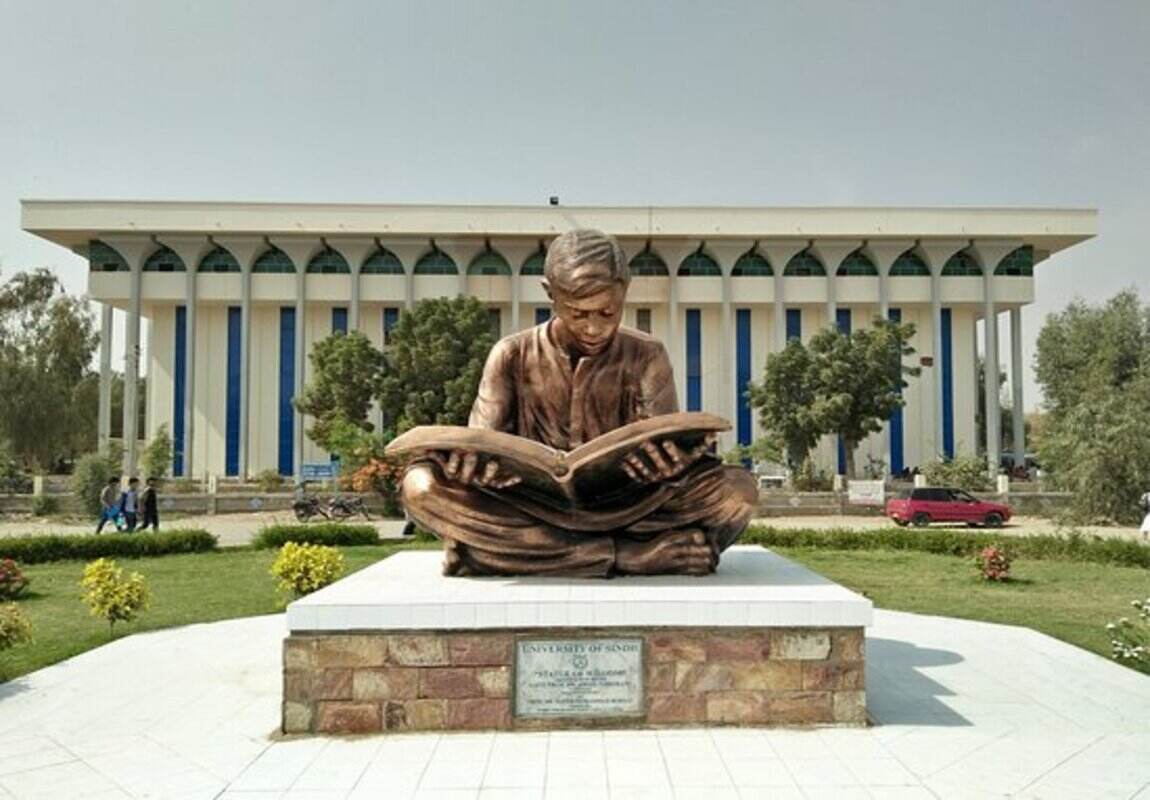
    ISLAMABAD: The extension of the tenure of Professor Dr Nusrat Shah, Vice Chancellor of Shaheed Mohtarma Benazir Bhutto Medical University (SMBBMU), Larkana, has reportedly prompted vice chancellors of several public-sector universities across Sindh to seek extensions as their first terms approach completion. According to sources, the first four-year terms of vice chancellors at eight government universities are set to expire over the coming months. Almost all of the serving VCs, except one, are reportedly seeking second terms. Nusrat Shah’s extension case reaches CM House Sources in the Sindh Chief Minister’s House said that a summary seeking an extension for Dr Nusrat Shah has been forwarded to the Chief Minister of Sindh. Dr Nusrat Shah’s current four-year term is scheduled to expire on January 1, 2027. She is the daughter of former Sindh chief minister Syed Qaim Ali Shah. Sources said her extension case has gained considerable attention and may receive approval. The development has reportedly encouraged other vice chancellors whose terms are also nearing completion to pursue extensions. One extension approved so far The Sindh government has so far approved an extension only for Dr Amjad Siraj Memon, Vice Chancellor of Jinnah Sindh Medical University. Sources said extension cases of Dr Khalid Iraqi and Dr Farooq Hassan have been rejected. Other VCs seeking second terms   Several other vice chancellors are also approaching the end of their first terms: Dr Ikramuddin Ujan — Vice Chancellor, Liaquat University of Medical & Health Sciences, Jamshoro. His term expires on January 1, 2027. His extension case is reportedly complicated by allegations concerning the awarding of multiple gold medals to his son at the university. Dr Zahid Hussain Khand — Vice Chancellor, Aror University of Art, Architecture, Design and Heritage, Sukkur. His term expires on January 19, 2027. Arbela Bhutto — Vice Chancellor, Shaheed Allah Buksh Soomro University of Art, Design and Heritages. Her term expires on January 19, 2027. Dr Asif Sheikh — Vice Chancellor, IBA Sukkur. His term expires on January 19, 2027. Dr Taha Hussain — Vice Chancellor, Mehran University of Engineering and Technology. His term is due to expire in mid-March 2027. Tahmina Nangraj — Vice Chancellor, Begum Nusrat Bhutto Women University, Sukkur. Her term expires on January 19, 2027.  Dr Samreen Hussain — Vice Chancellor, Dawood University of Engineering and Technology, Karachi. Her term expires in January 2027. Sources said summaries seeking extensions for several of these vice chancellors are expected to be forwarded to the Chief Minister’s House in the coming weeks. Test for Sindh government The growing number of extension requests is likely to pose a fresh challenge for the Sindh government and the Chief Minister, who exercises an important role in the appointment and continuation of leadership at public universities. The decisions are expected to be closely watched, with the candidates’ performance, administrative record, political affiliations and any controversies surrounding their tenures likely to come under scrutiny. The outcome of these cases could also shape the leadership of Sindh’s public-sector universities for the next several years.

  • | | |

    Pakistan, Malaysia agree to boost cooperation agai…

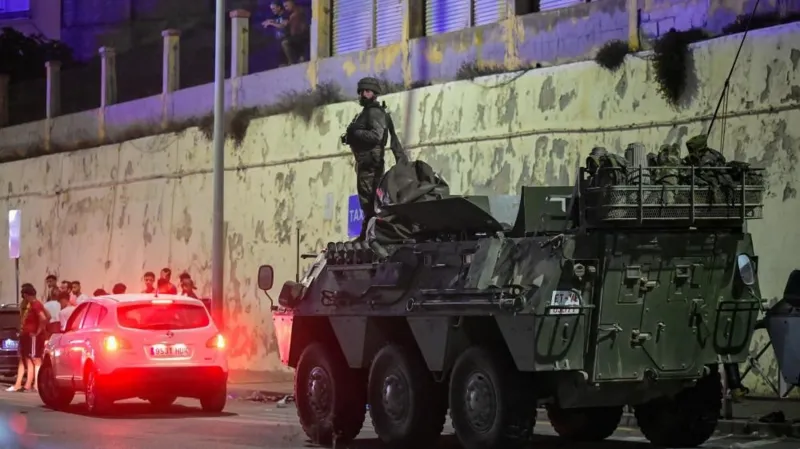
    Pakistan and Malaysia have agreed to strengthen joint efforts against terrorism, drug trafficking and human trafficking while enhancing intelligence sharing between the two countries. Malaysian Interior Minister Saifuddin Nasution Ismail met his Pakistani counterpart, Mohsin Naqvi, in Islamabad. The two ministers also held delegation-level talks during which they discussed a range of security and law-enforcement issues. The two sides agreed to increase cooperation to prevent drug trafficking, illegal immigration and cybercrime. They also discussed greater intelligence sharing to support action against terrorists and drug traffickers. Both countries agreed to develop a more effective joint strategy to counter terrorism, narcotics and human trafficking. They also expressed their commitment to improving coordination to prevent illegal immigration and cyber-related crimes. During the meeting, Pakistan and Malaysia decided to establish a joint working group to strengthen institutional ties between their interior ministries. The two sides also agreed to expand cooperation between Pakistan’s National Police Academy and the Royal Malaysia Police College. Training programmes and the exchange of expertise in law enforcement were also discussed. Cooperation between the two countries’ coast guard authorities was another key area discussed during the meeting. Mohsin Naqvi said Pakistan wanted to benefit from Malaysia’s experience in the coast guard sector. Speaking during the meeting, the Pakistani interior minister said Pakistan was committed to playing its role in the global fight against terrorism. He also described Malaysia as one of the rapidly developing countries in the Muslim world. The two ministers also discussed ways to promote tourism between Pakistan and Malaysia and improve visa facilities for travellers. Naqvi said Malaysia was an attractive tourism destination for Pakistani citizens and stressed the importance of making travel easier between the two countries. He also said an increase in Malaysia’s work quota for Pakistanis would allow more Pakistani workers to travel to the country through legal channels. According to a statement issued by Pakistan’s Ministry of Interior, a high-level Pakistani delegation will visit Malaysia soon to further strengthen bilateral cooperation.

  • | |

    Peshawar court rejects asylum pleas of ex-Afghan o…

    The Peshawar High Court has rejected asylum petitions filed by two former Afghan military officers seeking temporary protection and permission to remain in Pakistan. The petitioners, Abdul Mujeeb Ghairat and Baryalai Sharifi, had approached the court after expressing fears for their safety if they were forced to return to Afghanistan. They requested permission to stay in Pakistan temporarily. They also sought extensions of their visas and protection from arrest, harassment and deportation. The former Afghan servicemen argued that returning to Afghanistan could expose them to serious threats to their lives because of their previous positions in the Afghan security establishment. According to court documents, Ghairat had worked as a special agent with the protective service of the former Afghan president. Sharifi had served as a general in the former Afghan National Army. The two petitioners submitted Afghan passports and other documents to support their requests. They also referred to their need for emergency medical treatment and temporary residence in Pakistan. Ghairat told the court that he had already submitted an online application seeking an extension of his Pakistani visa. After examining the petitions, the court ruled that the applicants had not established any violation of their fundamental constitutional rights. The court observed that fears about possible threats after returning to Afghanistan, without sufficient supporting evidence, could not by themselves justify intervention under Article 199 of the Constitution. The court also clarified that decisions concerning the stay of foreign nationals in Pakistan fall within the authority of the relevant government departments. It said matters involving the issuance, extension or cancellation of visas and immigration status are governed by applicable laws and are primarily handled by the executive authorities. The court therefore declined to grant the requested relief to the two former Afghan officers.

  • | |

    Pentagon faces shortage of missile defense interceptors

    The US Department of Defense is facing a growing shortage of missile defense interceptors after months of sustained military operations in the Middle East, raising concerns among American defense planners about the Pentagon’s ability to maintain its current pace of operations and protect US forces in the event of another major conflict. According to a report by Fox News, data compiled by the Center for Strategic and International Studies (CSIS) indicates that US stocks of Patriot air defense interceptors have fallen sharply. Before the recent escalation in regional conflicts, the United States reportedly held around 2,300 Patriot interceptors. That figure has now dropped to fewer than 827. The Pentagon has also seen a significant reduction in its stockpile of interceptors used by the Terminal High Altitude Area Defense (THAAD) system. CSIS data cited in the report shows that the number of THAAD interceptors has declined from approximately 452 to fewer than 278. The decline in these critical missile defense stocks has prompted questions about the US military’s ability to respond to multiple threats at the same time. Defense planners are particularly concerned about the possibility of a new crisis emerging in another strategic region, such as the Indo-Pacific, while American forces remain engaged in the Middle East. CSIS has warned that rebuilding depleted interceptor inventories could take at least three years. The lengthy replenishment timeline reflects the difficulty of rapidly expanding production of sophisticated missile defense systems, which require specialized components, advanced manufacturing capabilities and extensive testing. The shortage could create additional pressure on US military leaders as they balance the need to defend American troops and military installations overseas with the requirement to maintain sufficient reserves for future conflicts. To address the growing gap, the Pentagon has included $18.2 billion in its broader $67 billion emergency funding request for fiscal year 2026. The proposed funds would support the replenishment of Patriot interceptors, Tomahawk cruise missiles used by the US Navy and additional interceptors for the THAAD missile defense system. The Pentagon’s spending plans also highlight a broader effort to rebuild weapons inventories that have come under pressure from sustained military operations and rising global security demands. US defense officials have increasingly focused on expanding domestic production capacity and ensuring that the military can replace weapons at a faster rate. According to the report, nearly half of the weapons included in the Army’s preliminary fiscal year 2027 budget requests fall into the relatively lower-cost category, with each weapon costing $600,000 or less. The approach reflects efforts to strengthen stockpiles of systems that the military can procure in larger quantities while continuing to invest in more advanced and expensive defense technologies. The interceptor shortage underscores a wider challenge for the United States as it seeks to prepare for potential conflicts on multiple fronts. While missile defense remains a key component of US military strategy, the depletion of interceptor stocks could limit Washington’s flexibility if it faces simultaneous threats in the Middle East, Europe or the Indo-Pacific. Defense analysts say the issue also highlights the importance of maintaining adequate reserves during prolonged conflicts. Replenishing stocks may take years, meaning decisions about the use of missile defense interceptors could become increasingly important as the Pentagon seeks to protect US personnel and strategic assets while preserving its ability to respond to future crises.

Leave a Reply

Your email address will not be published. Required fields are marked *