thailand implement new

Thailand to Implement 7 New School Security Measures After Nonthaburi Tragedy

BANGKOK – Thailand’s lawmakers have swiftly approved seven urgent measures to overhaul safety protocols at schools nationwide. This decisive action follows the tragic shooting that recently occurred at Debsirin Nonthaburi School.

Authorities are now mandating strict screening for weapons, illegal items, and drugs before anyone enters school premises. The government’s primary goal is to restore public confidence and protect students from future acts of violence.

Education Minister Prasert Jantararuangtong announced that these new directives stem from a formal ministry announcement issued Monday. The main objective is for all government agencies overseeing educational institutions to adopt a unified safety standard. This comprehensive approach ensures that no school remains vulnerable due to weak or inconsistent security policies. Officials are moving incredibly fast to implement these vital changes across the entire country.

Key Takeaways

  • Lawmakers passed seven urgent safety protocols, including mandatory weapons and drug screenings at school entrances.
  • A new rights, liberty, and safety protection centre will soon be established at every educational institution.
  • The public can review and provide feedback on the master school safety bill until September 9.

New Safety Standards for All Schools

Under the new framework, every school must establish a dedicated rights, liberty, and safety protection centre. These specialized centres will serve as the primary hub for monitoring student well-being and addressing security concerns. They will provide a secure space for students to report bullying, threats, or other dangerous behavior. Having a dedicated team on campus is expected to prevent minor issues from escalating into major tragedies.

In addition to the protection centres, lawmakers are fast-tracking a master law focused strictly on school safety. This upcoming legislation will also heavily regulate the use of electronic devices within educational environments. Experts believe that managing digital access can help reduce cyberbullying and significantly improve student mental health. The law aims to create a modern legal foundation for protecting children in both physical and digital spaces.

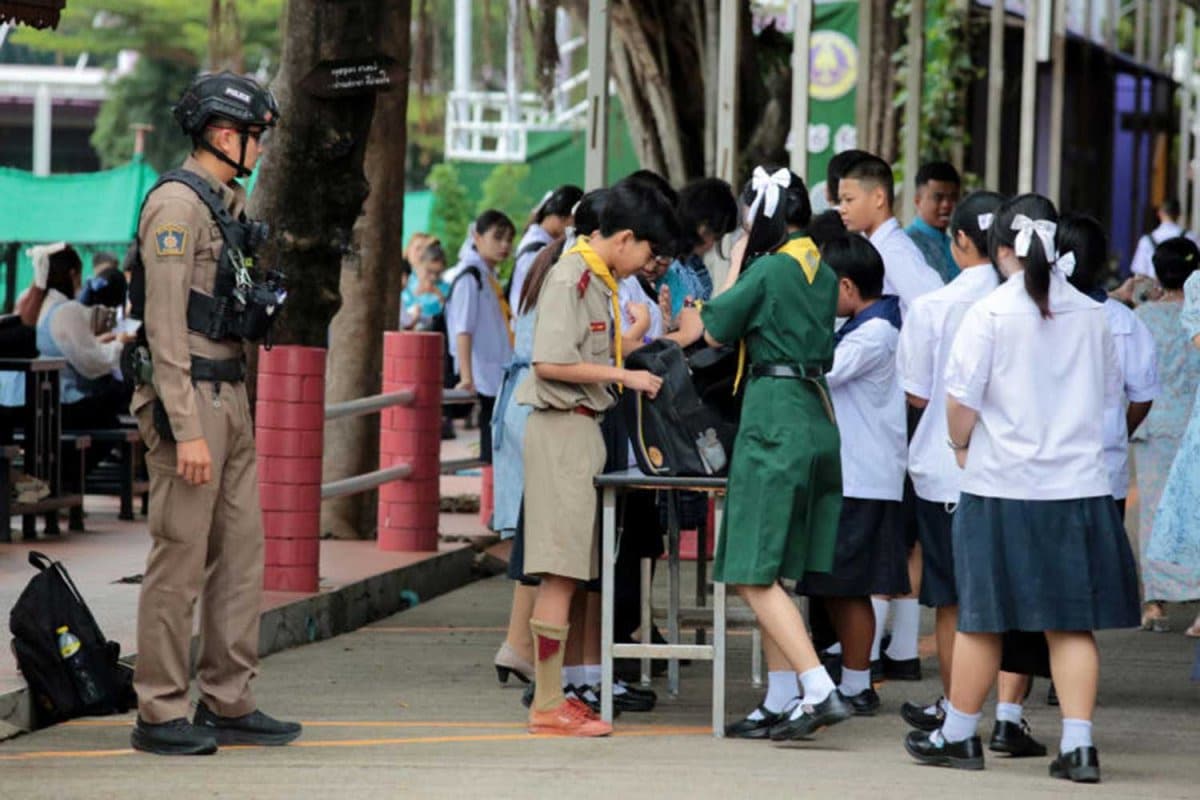
Physical security is also getting a massive upgrade under the newly approved government safety measures. School administrators are now required to actively search for weapons, drugs, and other potentially dangerous items. These rigorous checks will apply to students, staff, and visitors before they can access the campus grounds. It is a strict but necessary step to ensure that harmful items never make it inside the classroom.

Focus on Mental Health and Preparedness

The recent violence highlighted a critical need for better psychological support within the Thai education system. Therefore, providing comprehensive mental health counselling is a major pillar of the new school safety initiative. Professional support will be readily available for students, teachers, and school staff who desperately need help. Early intervention and consistent emotional support are widely considered key to preventing future acts of violence.

Transparency and community involvement are also central to the government’s current legislative strategy regarding school safety. A widespread public consultation on the draft safety bill is currently taking place across the country. Citizens have from August 10 to September 9 to voice their opinions before parliament reviews the document. This open feedback loop ensures that the final drafted law reflects the true needs of the community.

Beyond daily security checks, schools must now prepare and practice highly detailed emergency response plans. Administrators are strictly required to conduct regular crisis drills with both students and faculty members. Furthermore, educational institutions must closely coordinate their overall safety strategies with local police and emergency agencies. These proactive steps ensure that everyone knows exactly what to do if a real crisis unfolds.

Here are the seven urgent safety measures approved by lawmakers:

  1. Screening for Dangerous Items: Mandating strict searches for weapons, illegal items, and drugs before anyone enters the school grounds.
  2. Establishing Protection Centres: Creating a “rights, liberty, and safety protection centre” at every school to handle safety concerns and monitor student well-being.
  3. Passing a Master Safety Law: Fast-tracking new legislation focused on overall school safety and regulating the use of electronic devices on campus.
  4. Providing Mental Health Support: Offering professional mental health counseling for students, teachers, and staff members.
  5. Preparing Emergency Plans: Requiring all schools to develop highly detailed emergency response strategies.
  6. Conducting Crisis Drills: Forcing schools to practice safety drills and coordinate closely with local police and emergency agencies.
  7. Creating Safe Zones: Officially designating all educational institutions as protected safe zones to shield students from violence.

Creating True Safe Zones for Students

The ultimate objective of these seven measures is to officially designate all schools as true safe zones. Parents need absolute certainty that their children are protected when they leave home every single morning. By blending strict physical security with vital mental health resources, the government hopes to create a nurturing environment. Schools should always be places of learning and growth, completely free from the terrifying threat of violence.

This massive policy shift comes directly in response to the heartbreaking events in Nonthaburi province recently. The recent shooting at Debsirin Nonthaburi School left the entire nation in a deep state of shock and mourning. Authorities quickly realized that simple thoughts and prayers were not enough to prevent another devastating incident. The swift approval of these protective measures shows a genuine commitment to preventing future campus tragedies.

While implementing these new rules will require significant time and funding, the vital work has already begun. Teachers and administrators are currently receiving guidance on how to roll out the new protocols effectively. The Education Ministry will monitor the progress closely to ensure strict compliance across all Thai regions. Ultimately, these seven urgent measures represent a vital turning point for Thailand’s overall educational safety standards.

The success of this nationwide rollout will depend heavily on the continuous cooperation of the entire community. Local leaders, parents, and law enforcement must work together to maintain these newly established safety standards. Only through a united effort can the country guarantee that its youngest citizens remain safe from harm. Moving forward, safety will no longer be an afterthought, but a fundamental pillar of Thai education.

Trending News:

Identity Theft and Cyber Scams Now Targeting Thailand’s Youth

Father of School Shooter Apologizes as Police Uncover Boy’s Motives


Similar Posts

  • | |

    Pinky’s account received Rs300m in one year: Sin…

    Sindh Additional Inspector General (AIG) Azad Khan has told the Senate Standing Committee on Interior that a bank account allegedly linked to drug case suspect Anmol alias Pinky received around Rs300 million within a year. Briefing the committee, Azad Khan said one transaction involving the account amounted to Rs290 million. He added that financial data involving transactions worth around Rs1 billion had so far emerged during the investigation. The briefing was given at a meeting of the Senate Sub-Committee on Interior, chaired by Senator Saifullah Abro. According to the Sindh police official, 10 people have been challaned in connection with the Anmol alias Pinky case. He said two individuals were allegedly operating accounts linked to the suspect and were running their activities from Lahore. The AIG also identified a suspect named Sameer as an alleged associate of Anmol. Azad Khan said another suspect, identified as Aqib, was allegedly running the network in Karachi. He added that two women were also allegedly part of the network and worked as riders for Pinky. According to the briefing, some African nationals allegedly supplied cocaine to the network. The Sindh police official further said investigators had identified 25 riders allegedly associated with the network. He said investigations were continuing into accounts allegedly held in the names of other individuals but believed to be linked to Anmol. Azad Khan also commented on the scale of the alleged drug network. He said media attention had created significant public discussion around the case, but claimed that Anmol was not among the largest drug suppliers. During the meeting, Senator Saifullah Abro questioned the AIG about statements made by Minister of State for Interior Talal Chaudhry regarding the case. Abro asked whether the minister had contacted the Sindh police in connection with Anmol alias Pinky. Azad Khan replied that the Minister of State for Interior had not contacted the police regarding the matter. The committee also discussed other issues related to law enforcement and ongoing investigations in Sindh. Senator Abro raised concerns over alleged corruption involving provincial ministers and referred to several major development projects, including the Yellow Line and Blue Line projects. He also mentioned the arrest of Zameer Abbasi during the discussion.

  • |

    Thousands Sahiwal villagers demand steel bridge at…

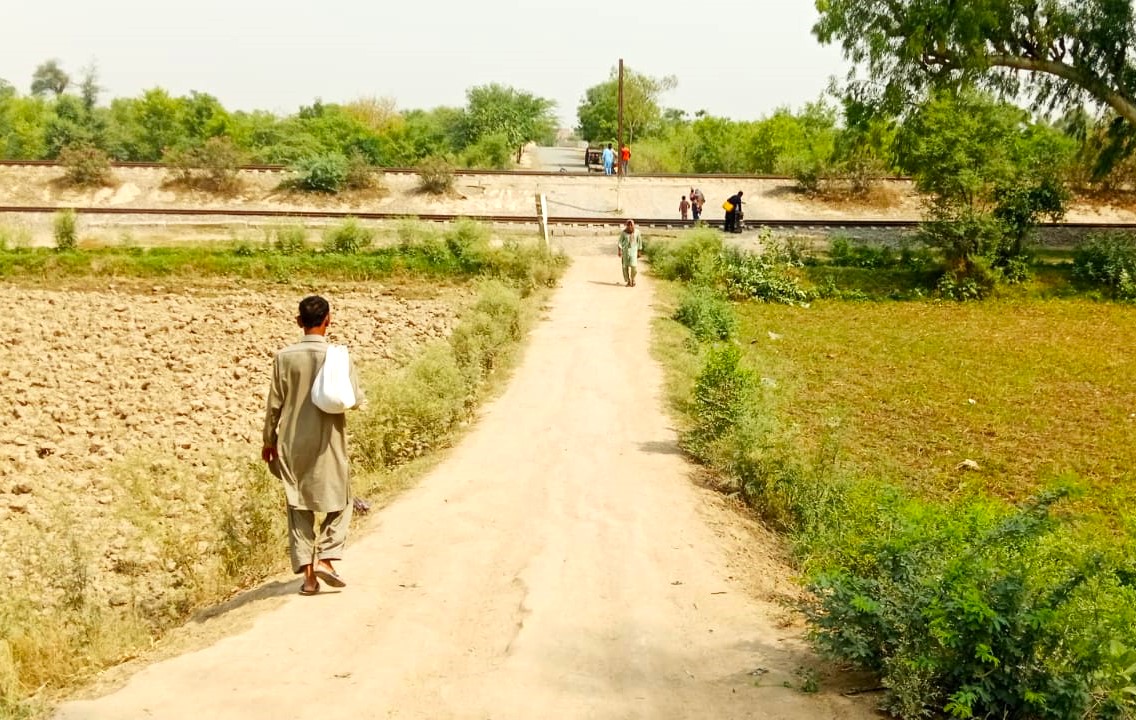
    SAHIWAL: Residents of villages 76/5-R, 77/5-R and 74/5-R have renewed their demand for a steel overhead bridge at 77 Wali Pully. They saying the long-standing absence of a safe railway crossing has turned a routine journey into a daily hazard for thousands of people. The three villages are home to an estimated 20,000 to 23,000 people. Residents say the proposed bridge would provide a safe route for pedestrians, cyclists, motorcyclists and rickshaws to cross the Lower Bari Doab Canal (LBDC) and the double-track Lahore-Khanewal railway line. They also demand improving access to the Lahore-Multan National Highway and markets in Yousafwala, Qadirabad and Sahiwal. The demand has been raised repeatedly with the district administration, Pakistan Railways, Punjab government and local PML-N parliamentarians since the 1,320MW Sahiwal coal-fired power plant became operational in 2017. Official records confirm that the plant is located near Qadirabad and that its commercial operations began in October 2017. Before the power plant was built, villagers had two traditional routes to Yousafwala and Qadirabad markets. One was through the railway crossing near Yousafwala Railway Station, which allowed light and heavy traffic to pass. The other, locally known as “77 Wali Pully”, involved crossing the LBDC by wire-boat before walking across the railway tracks. Tehzeeb, an LHV from village 76/5-R, said the second route had been used for three to four decades, particularly by women and pedestrians. Rickshaws operated on both sides of the canal and railway line, helping commuters reach nearby villages and markets. However, following the power plant’s development, the railway crossing was closed for public use and traffic was diverted to a new route several kilometres away. A concrete bridge was constructed over the LBDC, but no corresponding crossing was provided over the double railway track. “This challenge of crossing the railway line remains unresolved,” said Sadique, a resident of 76/5-R. Villagers say more than 1,000 people, including students, women, elderly residents, traders and labourers, cross the area on foot every day, often facing the danger of fast-moving trains. Pir Imran Shah, a former four-time MNA, said he had twice forwarded the villagers’ proposal to Pakistan Railways, but it did not progress to the PC-I stage. Residents working through the Model Village Welfare Committee have now renewed their appeal. Najam Lumberdar of 77/5-R said the bridge would eliminate a lengthy detour and provide safer access to markets and Sahiwal city. A local civil society representative also described the demand as genuine, noting that similar pedestrian and motorcycle bridges have been constructed elsewhere. Dawn has learnt that Pir Imran Shah has again forwarded the committee’s application to Pakistan Railways, seeking preparation of a PC-I and construction of the proposed steel bridge. For residents, the demand is simple: a safe crossing that restores the connectivity they say was lost nearly a decade ago.

  • | |

    Punjab launches Integrated Safe City network

    LAHORE: Punjab Chief Minister Maryam Nawaz Sharif on Friday formally inaugurated the Punjab Integrated Safe City Network, describing it as a major step towards protecting citizens and reducing crime across the province. Punjab has become the first province in the country to establish an integrated Safe City network covering all 41 districts and two tehsils. Officials said coordinated efforts by the police, Crime Control Department (CCD) and Safe Cities Authority had contributed to an estimated 80 per cent decline in crime. Safe Cities Authority Managing Director Ahsan Younas briefed the chief minister on the province-wide smart surveillance system. He said artificial intelligence (AI) was strengthening monitoring and enabling authorities to respond more quickly to potential threats. The network combines intelligent surveillance, Emergency Helpline 15, traffic management, real-time command and control, and predictive policing. It also offers services through the Virtual Women Police Station, Child Safety Centre and Blood Bank, along with traffic and environmental monitoring facilities. The government plans to install another 1,500 panic buttons across Punjab and equip every police station with the facility. Smart screens will also be installed at public locations. AI-powered cameras will support facial identification and weapon detection, helping law-enforcement agencies improve surveillance and respond to security threats. Maryam Nawaz said the government would expand the Safe Smart Cities project to every union council in Punjab. She said the province had made significant progress in technology, smart policing and predictive policing. The chief minister said the government had transformed every district into a Safe City within the past two and a half years. She termed the ability to monitor the entire province through a single system a major achievement. She said AI-based surveillance and predictive policing were helping authorities identify developments early and take timely action. Speaking about the security situation, Maryam Nawaz said more than 70 areas of Punjab had previously been considered no-go zones, where people avoided travelling after sunset. She claimed that the government had now eliminated such areas across the province, including the riverine belt. She added that the riverine region had recorded no serious crime or kidnapping for ransom for nearly 10 months. The administration also recently organised a cricket tournament there, which she described as a sign of improving law and order. The chief minister said the provincial government would spend Rs30 billion on development projects in the riverine belt, including healthcare and other facilities, with the aim of bringing the area closer to the development standards of Punjab’s cities.

  • | |

    At UN Summit, Tanweer Ahmed demands global action …

    American Pakistani businessman and analyst Tanweer Ahmed has called for greater investment in young people and urged governments, businesses and international institutions to ensure that artificial intelligence (AI) expands opportunities rather than deepens existing inequalities. Addressing a Youth and AI Summit at the United Nations on International Youth Day 2026, Ahmed said young people should be viewed not only as beneficiaries of development but also as innovators, decision-makers, community leaders and partners in shaping the future. He described AI as a defining force of the Fourth Industrial Revolution, saying rapid advances in artificial intelligence, robotics, data, connectivity, biotechnology and automation were transforming economies and societies at an unprecedented pace. Ahmed said the impact of AI would extend across education, healthcare, public services, entrepreneurship, security and employment, creating both challenges and opportunities for the younger generation. He highlighted the growing importance of digital skills, creativity, adaptability, ethical decision-making and technological confidence in preparing young people for future jobs. “Talent is everywhere. Opportunity is not,” he said, stressing that young people in cities such as Karachi, Nairobi, Riyadh and Dhaka could possess the same potential as those living in major global technology centres but often lacked equal access to resources and opportunities. According to Ahmed, AI could help bridge this gap by allowing students to access knowledge beyond traditional classrooms, entrepreneurs to reach international markets and researchers to process information at unprecedented speeds. However, he cautioned that technological progress alone would not guarantee equal opportunity. Access to education, skills, credentials and technology must also be expanded to prevent AI from worsening existing inequalities. Pakistan’s AI potential Speaking about Pakistan, Ahmed said the country’s large young population could become a major economic strength if properly prepared for the emerging digital economy. He pointed to initiatives including ACT AI — Awareness, Competency and Tools Training for Artificial Intelligence, associated with the state-owned enterprise AXI. The programme focuses on practical AI capabilities, including generative AI, agentic AI systems, productivity tools, automation and sector-specific applications. Ahmed emphasised the importance of making AI education accessible to young people from different academic backgrounds, including those without previous programming or AI experience. He said young Pakistanis should be equipped to use AI not only for education and employment but also for entrepreneurship, public service and innovation. He also highlighted the role of MicroCerts, a government-backed initiative aimed at providing accessible and market-oriented skill certifications. Ahmed argued that traditional university degrees would continue to be valuable, but rapidly changing technology required young people to keep learning throughout their careers. Micro-certifications, he said, could help workers demonstrate specific skills and create new pathways to employment, freelancing, entrepreneurship and further education. Youth urged to become AI creators Ahmed said young people should not be trained merely to consume AI technologies. Instead, they should learn to develop, question, govern and innovate with AI while understanding its ethical and social consequences. He stressed that technology could not replace human compassion, character, judgement and responsibility. “AI can process enormous amounts of information,” he said, while emphasising that decisions about the kind of society humanity wants to build must remain a human responsibility. He also called for stronger international cooperation to develop common skills frameworks, support youth-led innovation and expand access to recognised digital credentials. Governments, universities, technology companies, international organisations and civil society, he said, must work together to ensure young people can participate meaningfully in the AI-driven economy. Ahmed further stressed that technological development must be accompanied by environmental responsibility, noting that AI systems, data centres and cloud computing require significant infrastructure and energy. Addressing young people around the world, he urged them to actively shape the future rather than wait for it. He called on the younger generation to learn emerging technologies, develop solutions, create businesses and communities, and use AI with a clear sense of purpose. Who is Tanweer Ahmed, the Pakistani-American philanthropist? Pakistani-American businessman and philanthropist Tanweer Ahmed has attracted renewed attention in Pakistan following his reported $9 million contribution to the National University of Sciences and Technology (NUST) and his recent appearance alongside senior Pakistani officials in the United States. Ahmed, who is based in Houston, has built a diverse business portfolio in the United States while also becoming involved in philanthropy, education, healthcare and cricket. His recent contribution to NUST is aimed at supporting talented students from financially disadvantaged backgrounds. The endowment is expected to provide scholarships to deserving students each year, with a particular focus on fields such as artificial intelligence, information technology, science and other emerging technologies. Ahmed has said his objective is to ensure that talented Pakistani students are not deprived of quality education because of financial difficulties. He has also expressed plans to expand similar scholarship initiatives to other educational institutions. The businessman has also supported infrastructure and technology-related initiatives at NUST, including the development of facilities intended to strengthen research and innovation. His philanthropic activities extend beyond education. Ahmed has been associated with healthcare initiatives in Pakistan and has supported efforts aimed at providing assistance to communities affected by natural disasters. He also drew attention for his role in relief efforts following the devastating floods that struck Pakistan in 2022. He has been credited with helping mobilise substantial humanitarian assistance for flood-affected communities. Ahmed’s business journey began after he moved to the United States as a student. According to accounts of his career, he initially worked in restaurants and at gas stations while trying to establish himself. He later moved through several positions in the American fast-food industry. His career accelerated after he joined Jack in the Box as a shift manager. His performance and business approach helped him move into senior management positions, eventually leading to opportunities in the Taco Bell franchise system. Ahmed later expanded into franchising and developed a large portfolio of food outlets across several US states. His business interests have also extended into insurance, energy, transportation and other sectors. Over the years, he has developed a reputation as an entrepreneur who combines commercial ventures with philanthropic activities. Ahmed

  • | | |

    Rawalpindi police say attacker killed after Mall R…

    RAWALPINDI: A man identified as Muhammad Hussain was killed after he allegedly opened fire at security forces on Mall Road in Rawalpindi on Tuesday, according to the Rawalpindi police. The incident took place on August 11, 2026, at around 11:15am. According to the police spokesperson, Muhammad Hussain opened fire at a patrol team of the security forces while they were present on Mall Road. The firing left one member of the security forces’ patrol team injured. The injured official was taken for medical treatment, while security personnel immediately responded to the attack. Police said the security forces returned fire after the shooting. Muhammad Hussain was killed during the exchange of fire. The police spokesperson said security personnel acted promptly after the attack. The area was secured following the incident. According to police, investigators also recovered a mobile phone and other items from the deceased man. Officials said the material recovered from his possession could provide further evidence about the incident and his activities. Police said the recovered mobile phone and other belongings are being examined as part of the investigation. Officials are expected to determine whether the material contains information linked to the shooting or other activities. The Rawalpindi police spokesperson further claimed that Muhammad Hussain was affiliated with a particular political party. However, the police statement did not provide further details about the nature of his alleged affiliation. Authorities are continuing to investigate the incident. Further details are expected as investigators examine the recovered material and gather additional evidence. The incident caused concern in the area. Security personnel remained alert following the shooting, while the circumstances surrounding the attack are being investigated.

  • | |

    Danny Ramirez reveals biggest surprise about Aveng…

    Danny Ramirez has opened up about one of the most memorable parts of filming Avengers: Doomsday, revealing that the biggest surprise was not the blockbuster action or the star-studded cast, but the chance to reunite with one of his closest friends. Speaking to People magazine during San Diego Comic-Con on July 25, the actor reflected on his experience working on the highly anticipated Marvel film and described the atmosphere on set as unforgettable.  Ramirez reprises his role as Joaquin Torres, the new Falcon, in Avengers: Doomsday. The actor said returning to the Marvel Cinematic Universe was exciting on its own, but sharing the experience with longtime friend Lewis Pullman made it even more special. The two actors previously worked together on Top Gun: Maverick and have remained close ever since. According to Ramirez, reuniting on another major project felt like “summer camp,” with the cast enjoying a fun and supportive environment behind the scenes.  The actor explained that the chemistry among the cast members helped create a positive work atmosphere despite the enormous scale of the production. With Marvel bringing together heroes from the Avengers, Fantastic Four and X-Men franchises, Ramirez admitted it was surreal to see so many iconic characters sharing the same set. He said every day offered new surprises, making the experience unlike anything he had worked on before.  Ramirez also spoke about working alongside legendary performers such as Sir Patrick Stewart and Sir Ian McKellen. In another Comic-Con interview, he praised both actors for their professionalism and dedication, saying he learned a great deal simply by watching them perform. He noted that their decades of experience and command of storytelling inspired him to become a better actor.  Avengers: Doomsday is shaping up to be one of Marvel Studios’ biggest crossover events to date. Directed by Joe and Anthony Russo, the film features the return of several beloved MCU stars while introducing major characters from other Marvel franchises. Robert Downey Jr. will make his highly anticipated return to the Marvel universe, this time portraying the iconic villain Doctor Doom instead of Iron Man.  For Ramirez, however, the film’s biggest highlight was far more personal than any action sequence or special effect. He said reconnecting with Pullman reminded him of why he loves making movies, emphasizing the friendships that can grow through years of collaboration. That sense of camaraderie, he explained, made every day on set enjoyable and helped create lasting memories beyond the cameras.  As anticipation builds for Avengers: Doomsday, Ramirez’s comments have given fans a glimpse into the film’s positive behind-the-scenes atmosphere. While audiences are eagerly waiting to see Marvel’s biggest heroes unite on screen, the actor says the genuine friendships formed during production may be the most rewarding part of the entire journey. 

Leave a Reply

Your email address will not be published. Required fields are marked *