most important revolution

The Most Important AI Revolution Isn’t Happening…

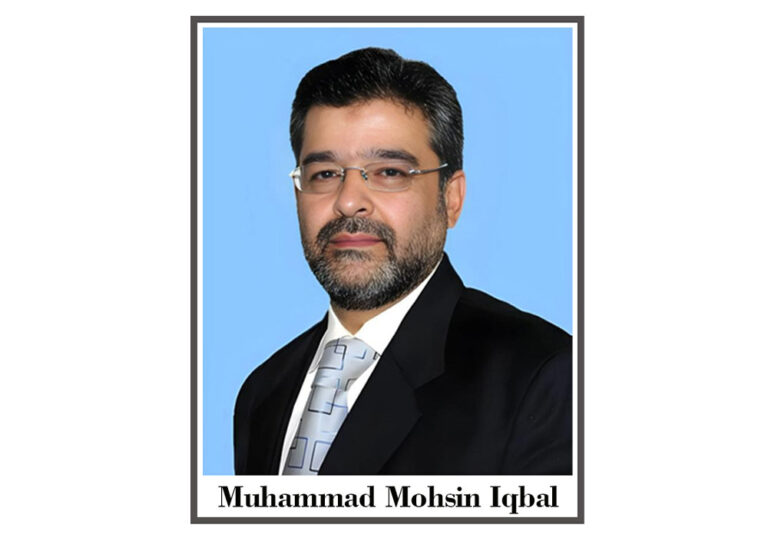
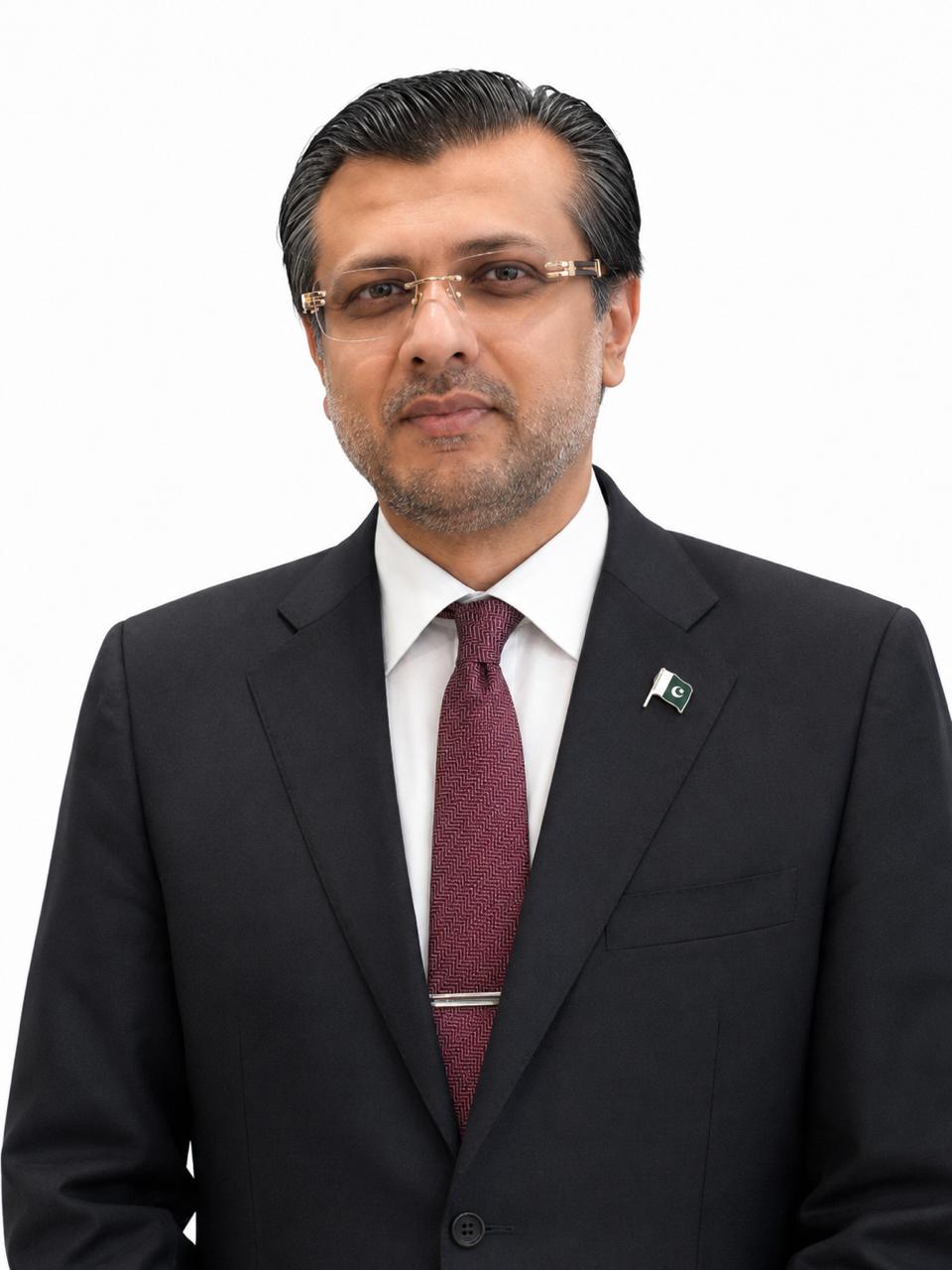
By Ali Dar

Every few weeks, Artificial Intelligence seems to produce another headline.

A new model. A larger investment. A faster processor. A company valued in the hundreds of billions.

The conversation has become almost entirely centered on the race to build more powerful machines.


I follow these developments with genuine interest. But I often find myself wondering whether we are all looking in the wrong direction.

History has a curious habit of reminding us that the inventors of transformative technologies are not always the ones who transform society.

James Watt improved the steam engine. It was factories that transformed economies.

The internet was built by engineers. It was entrepreneurs, educators, governments and ordinary citizens who changed the way we lived because of it.

Technology begins the story.

Institutions decide how the story ends.

That distinction has occupied my thoughts for some time.

Perhaps because I spend more time thinking about government than algorithms.

Perhaps because the questions that matter most are no longer technological.

They are institutional.

People often speak about bureaucracy as though it were an outdated mistake waiting to be dismantled.

I see it differently.

Modern government was designed for the world in which it existed. Information travelled slowly. Documents moved from one office to another because there was no practical alternative. Decisions climbed through layers of administration because knowledge itself moved through those same layers. Those systems were not inefficient by accident. They were remarkably effective for their time. They created order, consistency and accountability.

They allowed governments to function at a scale that had previously been impossible.

The challenge today is not that bureaucracy failed. The challenge is that the world around it has changed more quickly than bureaucracy itself.

For the first time in history, governments are not struggling because they lack information. They are struggling because they have too much of it.

A district administration receives more information in a single week than previous generations of public servants might have encountered in an entire year.

Hospitals generate enormous volumes of clinical data.

Schools continuously measure educational outcomes.

Agriculture increasingly depends upon satellite imagery, weather intelligence and real-time market information.

The constraint is no longer access. It is interpretation.

That, I believe, changes everything.

Artificial Intelligence is often described as a technological revolution.

I am beginning to think it is something else.

It is an institutional revolution.

It’s greatest contribution may not be writing reports or generating images.

It’s greatest contribution may be helping institutions distinguish what is important from what is merely available.

That is a subtle difference. It is also an enormously important one.

Governments have spent the past two decades becoming digital.

That was necessary. Files became electronic. Services moved online. Citizens could access information without standing in long queues.

These were meaningful achievements.

Yet digitisation should never be confused with transformation.

Replacing paper with screens does not automatically produce better judgement.

A digital government stores information more efficiently. An intelligent government learns from it.

There is a profound difference between the two. One preserves knowledge. The other improves decisions.

This is why I believe the next chapter of public administration will not be defined by technology alone. It will be defined by institutional learning.

Can governments recognise emerging problems before they become crises? Can public services adapt more quickly to changing circumstances? Can policymakers spend less time searching for information and more time exercising judgement?

These are leadership questions.

Technology merely provides new tools with which to answer them.

Around the world, different countries are beginning to explore these possibilities in different ways.

Estonia has shown what becomes possible when digital infrastructure is treated as a public utility rather than a technical project.

Singapore continues to demonstrate that institutional discipline remains one of the greatest competitive advantages any nation can possess.

Neither model should be copied uncritically.

Every society carries its own history, institutions and public expectations.

Punjab will do the same.

Our objective should never be to imitate another government’s technology. It should be to strengthen our own capacity to govern.

That is the thinking behind The Office of AI.

Contrary to popular perception, its purpose is not simply to introduce Artificial Intelligence into government.

Technology, on its own, has never transformed institutions.

People do. Leadership does. Culture does.

The real ambition is more demanding than digital transformation. It is to cultivate public institutions that learn continuously, coordinate more effectively and ultimately deliver better outcomes for citizens. That is a much harder challenge. It is also a far more worthwhile one.

I suspect history will remember this period rather differently from the way we describe it today. It may not be remembered as the moment machines became intelligent. It may be remembered as the moment governments were compelled to become more thoughtful. Perhaps that is the real revolution. Not smarter software but smarter institutions.

And if that proves to be true, the defining governments of this century will not be those that purchased the most advanced technology.

They will be the ones that developed the wisdom to use it well.

About the Author

Ali Dar is a software engineer by education, business leader and Advisor to the Chief Minister of Punjab on Artificial Intelligence and Special Initiatives. He writes on the future of governance, Artificial Intelligence, digital transformation and public policy.


Similar Posts

  • Road to the East

    Kashi with its rich culture is becoming a hub of tourism, industry. Despite being very close to Pakistan border with Kashi, the aerial trade is being very limited. We are not making a full use of our land link with China. That is not passing a positive impact for the regional economy. Our natural reserves for mines and minerals are one of the biggest resource that we can exchange with China; such as an export for the raw material using the land route, what more specifically if our gov is very vigilant, they can invite the Chinese investors from this region specifically, to extract mines and minerals, but thing that can change the economy of this entire region mainly depends if we can convince Chinese investors to invest in this particular region of Gilgit for the purification of metals. Vice President Pakistan-China Joint Chamber The other best way is the tourism and the hospitality. We need to engage the tourism groups who can be helpful to attract the Chinese people who want to cross over Khunjarab pass to Pakistan. I have noticed many people of this region very much interested to cross the Khunjarab pass to get an access to Pakistan side. Further I want to make you sure that the plateau of the Pakistan side is considered to be one of the most beautiful natural plateau in the world. Culturally this area have been preserved very well, including the ancient buildings such as centuries old. Food is one of the best attraction and the delicacies, it is commonly believed that Ice cream originally started from this region. Similarly, there is a long route which is called the inner wall of the city have a long cue of traditional restaurants with hundreds of options. Paya the lamb foot, is named the same in Kashi language same as pulao, naan, kabab, and many other words. I have never seen a variety of naans in all over sub continent. The same i saw only in Kashi. They also produced a qeema naan (meat) which is one of the delicacy of this region. I conceived an idea that the concept of pizza and spaghettis was stolen by Marco Polo in the 13th century from this region and was taken to Italy. That is why till today spaghettis and pizza is one a famous dish in Italy. But nowhere else in Europe. Bar b que globally I have been to many countries but the best natural taste of bar b que is in this region. Mostly they use lamb, sheep, and beef to make this bar b que. Similarly, pulao was originated from Xinjiang in this region. So, it traveled all the way to subcontinent. The pulao I tasted in Kashi, was one of the best delicacy. It added up with dried grapes. They also love to serve it with the yogurt. Kabab, shawarma have many kind of faces, the region have a lot of shapes for kabab mostly by the meat of sheep. These people like to eat the fats more often Ly than our region. The weather of this area is very harsh as it climbs p to 40 degrees in hot season while drop down to minus -25 in the cold season. Because of this harsh weather the living condition of the normal people have totally been changed. This harsh weather physically converted theses people as a very tough nation. But the other impact of this weather is that this area is mostly dry and even the mountains are mostly barren. Tea is one of a natural product of this area with many kind of teas to be offered. Flower tea is one of the famous tea from this area which is commonly believed to keep a face fresh. But there are multiple kind of teas available in this region. Walking through the streets of Kashi there are hundred of shops, as I mentioned dry fruits are one of the basic product of this region, I have never seen the variety of dry fruits that I found in Kashgar, is indescribable. They are genuine dry fruit lovers providing of hundreds of kinds of dry fruit. The way they preserve it and roast it with the honey, this technology we may need to learn from them. The use of metal and handicrafts especially in the form of brass I have observed are the best in the whole world. Where the use of art work by hand was even more inspiring. Alladin was one of the story that we listen from our childhood, actually this story was also originated in this region. Same as Alibaba, which is one of the oldest tale we always listening from centuries. And who can forget the famous stories of Ali baba with forty thieves. These all stories were originated from the same region. The beauty of this area along with the traditional dresses of the girls that are still very popular in subcontinent. There were a lot of tea houses with a history of more than a hundred years traditionally serving their local tea. Most of the tea houses have the people playing their traditional music and that is so fascinating that you can spend hours to listens that music. The rhythm will really mesmerize you. In my next article I will describe about the traditional restaurants and their dances as performance. To be continued..

  • How long can a human really live?

    I have always been curious about one big question. How long can a person actually live? I am not talking about wishful thinking. I mean real science. What does nature actually allow? Well, I finally found some answers, and they surprised me. In a blog post, published in Minute Mirror, it is said that scientists say there is a natural limit to how long a human body can survive. No one knows the exact number, but a new study gives us a rough idea. According to this research, a person could possibly live as long as 194 years. Yes, you read that right. Nearly two centuries. But before you get too excited, let me tell you, reaching that age would be extremely rare. Almost impossible in real life. I will be honest with you. I love the idea of living a long life. Who does not? I want to see my grandchildren grow up. I want to watch how the world changes over the years. I want more time with the people I love. But when I read that a person could live up to 194 years, I could not help but smile and shake my head at the same time. That is too long for me. I do not think I want to walk this earth for two hundred years. Imagine outliving everyone you know, again and again. That sounds tiring, not exciting. Now let me explain what the scientists actually found. The study was published in a well-known science journal called Nature. Researchers looked closely at our DNA and genes. They wanted to understand how these tiny building blocks change as we grow older. They found something interesting. Many of these genetic changes are harmless. Our bodies handle them just fine. But some changes are not so friendly. They damage our cells. Over time, this damage builds up. And this is what leads to age related diseases, the kind that becomes more common as we grow old. Here is the tricky part. Scientists say these genetic changes cannot be completely stopped. They happen naturally when our cells divide, which is a normal part of life. But they can also be caused by outside things, like viruses, certain chemicals, and even the sun. Yes, the same sunlight that gives us a good tan can also quietly damage our cells over the years. To figure out the maximum human lifespan, the researchers built a scientific model. They included the signs of aging that can be reversed, but they kept the permanent genetic damage in place, since that part cannot be undone. The result of their model suggested that even with future advances in slowing down aging, the longest a human could likely live would be somewhere between 146 and 194 years. I found one detail especially interesting. Some organs, like our skin and liver, are good at replacing old and damaged cells. They repair themselves regularly. But our heart and brain are different. They do not replace most of their cells. This makes any genetic damage in these two organs much harder to fix. In a way, our heart and brain carry the heaviest burden of aging. So where does that leave us today? Right now, the longest confirmed human lifespan belongs to a woman named Jeanne Calment from France. She lived to be 122 years old and passed away in 1997. She remains the oldest verified person in recorded history, and no one has matched her record since. As I think about all of this, I remain hopeful. Science has surprised us before, and I believe it will surprise us again. Maybe one day, researchers will find new ways to slow down aging even further, or to help our hearts and brains repair themselves the way our skin does. Who knows, the age limit we know today may not be the final word. But for now, I will settle for a good, healthy, and meaningful life. Not necessarily the longest one.

  • The Gen Z and Its Vision of Pakistan

    Pakistan presents a distinct demographic profile in the 21st century. According to the Pakistan Bureau of Statistics and UNFPA, 64% of the population is under the age of 30, with a median age of 20.8 years. This structure situates Pakistan within the category of youth-majority states. Consequently, an analysis of contemporary Pakistan is inseparable from an analysis of Generation Z, defined as individuals born approximately between 1997 and 2012. This cohort is not a prospective entity. It constitutes the current labor force, consumer base, and increasingly, the primary agents of cultural and economic production. The characteristics of Pakistani Gen Z can be understood through three interrelated dimensions: adaptability, initiative, and connectivity. The first dimension is adaptability coupled with digital fluency. This generation represents the first cohort in Pakistan to mature entirely within a digital ecosystem. DataReportal’s 2026 report indicates 111 million internet users and 71.1 million social media users in Pakistan, with internet penetration at 48.5%. The primary mode of access remains mobile broadband, which has effectively decentralized information and opportunity. This environment has cultivated rapid skill acquisition. The ability to learn and deploy new tools is reflected in economic outcomes. Pakistan currently ranks 4th globally in freelance earnings on platforms such as Upwork and Fiverr. Estimated annual freelance exports exceed $400 million. This phenomenon, often termed “digital remittances,” enables participation in the global economy without physical migration. The geographic implications are significant: a software developer in Peshawar, a content creator in Multan, and a designer in Lahore operate within the same digital marketplace, competing on skill rather than location. The second dimension is initiative and entrepreneurial orientation. In response to structural constraints in traditional employment, Gen Z has demonstrated a marked propensity toward self-directed economic activity. Data from the State Bank of Pakistan indicates a rising proportion of SME financing directed to individuals under 35. This is manifested in the proliferation of micro-enterprises, including e-commerce ventures, content creation channels, and home-based businesses. The underlying logic is one of experimentation and iteration: initiate at a small scale, acquire feedback, and scale operations. Importantly, this trend is not confined to metropolitan areas. Digital platforms have reduced barriers to market entry for individuals in Gilgit, Quetta, and rural Sindh, enabling access to national and international consumers. A craftswoman in interior Sindh can, through social commerce, reach buyers in Karachi and Dubai. This represents a structural shift in how economic value is created and distributed. The third dimension is connectivity and civic awareness. Pakistani Gen Z is the most interconnected generation in the nation’s history. Multilingualism is normative, with Urdu, English, and regional languages such as Punjabi, Sindhi, Pashto, and Balochi used fluidly. This linguistic dexterity mirrors a broader cultural orientation that is simultaneously local and global. This connectivity correlates with heightened awareness of social and global issues. During the 2022 floods, youth networks coordinated relief, fundraising, and volunteer mobilization within hours, utilizing WhatsApp, Facebook, and other platforms. The same infrastructure is used for peer-to-peer learning, dissemination of job opportunities, and advocacy around public health and education. Surveys by Gallup Pakistan and various youth organizations indicate participation rates in volunteerism among 18-30 year olds are substantially higher than in previous cohorts. Beyond present attributes, it is critical to articulate the vision of Pakistan held by this generation. Based on available survey data, academic research, and observable behavior, three core elements emerge. The first element is a vision of inclusive economic participation. Gen Z conceptualizes economic contribution beyond formal employment. The priority is productivity, skill utilization, and value creation. Key sectors of engagement include information technology, freelancing, e-commerce, EdTech, AgriTech, and creative industries. There is also a measurable increase in female participation. PBS data indicates that women constitute approximately 30% of registered freelancers, reflecting both economic necessity and changing social norms. The overarching goal is to convert Pakistan’s demographic dividend into tangible economic output. The second element is a vision of competency-based development. This cohort places primacy on skills, portfolios, and demonstrable output over credentials alone. There is growing demand for vocational training, digital literacy, artificial intelligence tools, and communication competencies. The emerging model is decentralized: one individual acquires a skill and disseminates it within their network. This peer-learning architecture has the potential to address gaps in formal education through non-formal channels. The third element is a vision of contributory citizenship. Gen Z associates nation-building with direct action. This includes environmental initiatives such as tree plantation, public health campaigns such as blood donation, and educational outreach in underserved areas. The conception of patriotism is thus operationalized. It is expressed not only through symbolic observance on 14th August, but through sustained engagement in community development. The narrative of 1947 is understood as securing independence. The narrative of 2026, from this perspective, is about deploying that independence toward institutional and social strengthening. Pakistan’s strategic advantage lies in this human capital. The generation is characterized by adaptability, enterprise, and networked awareness. The realization of this potential is contingent on the alignment of opportunities in skills development, digital infrastructure, and platforms for civic engagement. The trajectory of Pakistan will be determined in classrooms, in digital workspaces, in small enterprises, and in the aggregate of individual decisions made by over 110 million young citizens. With continued emphasis on learning, collaboration, and productive engagement, Gen Z possesses the capacity to advance national development objectives. This is their Pakistan, and the process of building it is already underway.

  • Pakistan Turkiye Saudi Arabia: A Vision for a peac…

    Post-Doctorate (Peace Education) International Islamic University Islamabad The trilateral relationship between Pakistan, Türkiye, and Saudi Arabia represents one of the most significant geopolitical partnerships in the Islamic world, with the potential to reshape regional dynamics and contribute meaningfully to global peace and stability. These three nations, each wielding considerable influence in their respective spheres, share common interests rooted in Islamic solidarity, strategic cooperation, and mutual security concerns. As the world navigates increasingly complex challenges including terrorism, economic instability and geopolitical tensions, the collaboration between these three countries offers a pragmatic pathway toward addressing regional conflicts and fostering sustainable development. This essay examines the historical foundations of this trilateral relationship, analyzes the contemporary opportunities and challenges facing these nations, and proposes a comprehensive vision for how Pakistan, Türkiye, and Saudi Arabia can work collectively to promote peace, stability, and prosperity in their regions and beyond. The relationship between Pakistan, Türkiye, and Saudi Arabia is deeply rooted in shared Islamic heritage and Cold War-era strategic alliances. Pakistan and Türkiye have maintain diplomatic relations since Pakistan’s independence in 1947, with both nations viewing themselves as guardians of Islamic values while navigating the complexities of secular governance and regional stability. Saudi Arabia, as the custodian of Islam’s holiest sites and a major regional power, has historically served as a financial and ideological anchor for both Pakistan and Türkiye. These connections intensified during the Soviet-Afghan War when all three nations collaborated to support Afghan resistance movements, establishing patterns of military cooperation and intelligence sharing that persist today. The geographical positioning of these three nations makes their cooperation particularly valuable. Pakistan serves as a bridge between the Middle East and South Asia, Türkiye controls critical waterways and straddles Europe and Asia, while Saudi Arabia dominates the Arabian Peninsula and maintains substantial economic influence globally. Together, they represent a population exceeding 250 million people and combined GDP that makes them economically significant actors in the Islamic world. Their combined military capabilities, particularly Pakistan’s nuclear arsenal and Türkiye’s advanced defense industry, provide them with considerable strategic weight in global affairs. The three nations face remarkably similar security challenges that necessitate coordinated responses. Terrorism, particularly extremist groups operating across borders, poses a persistent threat to all three countries. Pakistan has struggled with militant organizations such as the Tehrik-e-Taliban Pakistan, Türkiye faces challenges from the Kurdistan Workers’ Party and various Islamist extremist groups, while Saudi Arabia confronts threats from Al-Qaeda affiliated organizations and Iranian-backed militias. A coordinated counterterrorism strategy that shares intelligence, coordinates military operations, and implements joint training programs could significantly enhance the security of all three nations while reducing opportunities for terrorist organizations to exploit jurisdictional gaps. Beyond security concerns, these nations share substantial economic interests. The growing middle class in Pakistan, Türkiye advanced manufacturing sector, and Saudi Arabia’s renewable energy ambitions create complementary opportunities for trade and investment. Regional infrastructure projects, such as the Belt and Road Initiative and the proposed Middle Corridor connecting Central Asia to Europe through Türkiye, offer avenues for economic cooperation that could benefit all three countries. Additionally, all three nations recognize the importance of energy security in an increasingly multipolar world, creating opportunities for cooperation in renewable energy development, particularly given Saudi Arabia’s commitment to transitioning away from oil dependency and Türkiye strategic location for energy transit. Recent developments demonstrate growing momentum toward deeper trilateral cooperation The Economic Cooperation Organization, which includes all three nations along with others on the region, has emerged as a platform for discussing trade facilitation and infrastructure development. Pakistan and Türkiye have strengthened military-to-military ties through joint exercises and defense cooperation agreements, while Saudi Arabia has increased its defense: e procurement from both countries and hosted significant diplomatic summits bringing the three nations together. The Shanghai Cooperation Organization also provides a forum where these nations increasingly coordinate on regional security matters. Cultural and educational exchanges have expanded considerably, with increasing numbers of students from all three nations studying in each other’s universities and growing tourism facilitating people-to-people connections. Turkish media has gained significant popularity in Pakistan and Saudi Arabia, while Pakistani cultural products have found audiences in the other two countries, creating soft power synergies that strengthen bilateral ties. These cultural connections help build constituencies within each country that support deeper cooperation and mutual understanding. However, challenges remain in translating political will into concrete outcomes. Bureaucratic inefficiencies, trade barriers, and inconsistent policy implementation have hindered some cooperative initiatives. Additionally, each nation faces domestic political pressures that sometimes constrain their ability to fully commit to trilateral projects. Pakistan’s ongoing economic challenges, Türkiye internal political dynamics, and Saudi Arabia’s regional rivalry with Iran create competing priorities that sometimes divert attention and resources from trilateral initiatives.

  • Pakistan’s Economy: Challenges and Opportuni…

    A country’s economy is the foundation of its development, sovereignty and national security. A strong economy not only improves the quality of life of its citizens but also strengthens a nation’s standing in the international community. Pakistan’s economy today stands at a critical juncture. While there are encouraging signs of stability, many structural challenges continue to hold back sustainable growth. As a result, the economy has become a central concern for citizens, businesses, investors and policymakers alike. Over the past few years, Pakistan has endured one of its most difficult economic periods. High inflation significantly reduced people’s purchasing power, while repeated increases in electricity and gas tariffs drove up production costs for industries. At the same time, the depreciation of the Pakistani rupee made imports more expensive, placing additional pressure on businesses and households. The burden fell most heavily on middle and low-income families, many of whom struggled to meet even their basic daily needs. Despite these hardships, recent economic indicators offer cautious optimism. Inflation has eased compared to previous highs, foreign exchange reserves have shown improvement, remittances have remained resilient, and efforts to increase exports are beginning to produce positive results. However, stronger macroeconomic indicators alone do not automatically translate into better living standards. Sustainable progress can only be achieved when economic growth creates employment opportunities, revitalises industries and leads to meaningful increases in household incomes. One of Pakistan’s most persistent economic challenges is the lack of policy continuity. Successive governments often replace or abandon the initiatives of their predecessors in favour of new priorities. This inconsistency weakens investor confidence and undermines long-term economic planning. Many successful economies have demonstrated that sustained growth depends on stable national policies that remain consistent regardless of political transitions. Tax reform is another area that demands urgent attention. The country’s tax base remains disproportionately small compared to its population, placing an unfair burden on compliant taxpayers while a significant portion of the economy continues to operate outside the formal tax system. Broadening the tax net, simplifying tax procedures, enhancing transparency and effectively addressing tax evasion would provide the government with greater fiscal space to invest in infrastructure, education and public services. Agriculture continues to be the backbone of Pakistan’s economy, yet the sector faces numerous challenges. Water scarcity, limited adoption of modern farming techniques, rising input costs and the growing impact of climate change have reduced agricultural productivity and increased the hardships faced by farmers. Investing in modern agricultural technologies, improving water management and providing farmers with better financial and technical support could substantially enhance production and boost agricultural exports. Pakistan’s information technology sector also presents remarkable opportunities. With a large and increasingly skilled young population, expanding freelance services and growing participation in the digital economy, the country has significant potential to earn valuable foreign exchange. Realising this potential requires greater investment in digital education, reliable internet infrastructure, research, innovation and an environment that supports entrepreneurship. The energy sector remains equally important to economic growth. High electricity and gas prices continue to increase industrial production costs, reducing the competitiveness of Pakistani products in international markets. Greater investment in renewable energy, reducing transmission losses and improving energy management could help lower costs and strengthen industrial productivity. Foreign direct investment is another key driver of sustainable economic development. Investors are naturally attracted to countries that offer political stability, transparent regulations, an efficient judicial system and a business-friendly environment. Pakistan can significantly improve its investment climate by reducing bureaucratic hurdles, strengthening institutions and implementing investor-friendly policies that encourage long-term confidence. Economic progress, however, is not solely the responsibility of governments. Citizens also have an essential role to play by paying taxes honestly, using energy responsibly, supporting local industries and respecting the rule of law. A resilient economy is built through shared responsibility between the state, businesses and the public. Pakistan is not short of resources or potential. What it needs is better governance, prudent management of available resources, policy consistency and broad national consensus on economic priorities. Continued investment in education, industry, agriculture, exports and human capital can enable the country not only to overcome its economic challenges but also to emerge as a stronger and more competitive economy in the region. The need of the hour is to place long-term economic interests above short-term political considerations. A strong economy is the cornerstone of a strong state. By making informed and consistent policy choices today, Pakistan can lay the foundations for lasting prosperity, economic resilience and a better future for generations to come.

  • How much do we love Pakistan?

    Patriotism is not a loud noise that we hear only on the 14th of August. It is not only flags on the streets, or songs on television, or speeches in big grounds. Real patriotism is a quiet light that burns in the heart of a common man, every single day. It lives in the way we treat our country when no one is watching. It lives in the small choices we make from morning till night. Pakistan was not given to us as a gift. It was bought with blood, with tears, with the prayers of mothers and the sacrifices of fathers. Millions left their homes. Millions never returned. Today, the debt of that sacrifice is on us. And how do we pay that debt? Not always with great battles. Often, we pay it with small, honest, and consistent acts. Look around you. When a young boy in Lahore gets up early and sweeps the street in front of his house without waiting for anyone to tell him, that is patriotism. When a shopkeeper in Karachi refuses to sell expired medicine to a poor child, even when he could earn more, that is patriotism. When a teacher in Peshawar stays for ten extra minutes to explain one more sum to a weak student, that is patriotism. When a driver in Islamabad stops at the red light at 2 AM when the roads are empty, that is patriotism. The world may not clap for them. Cameras may not follow them. But Allah sees. And the nation grows stronger because of them. Consider our daily life. We waste water while brushing our teeth. We throw plastic on the road and then complain that the drains are blocked. We break the queue and then blame the system for being corrupt. But a true patriot asks a different question. He asks, “What can I do today?” He turns off the extra fan. He plants one tree in his street. He picks up one wrapper and puts it in the dustbin. One person doing this means nothing. But when two hundred and forty million people do this, rivers become clean, cities become beautiful, and the government saves billions that can go to schools and hospitals instead of cleaning our mess. Now look at our work. A nation is built in offices, in fields, in factories, and in classrooms. The doctor who treats every patient with the same care, whether he is rich or poor, is serving Pakistan. The engineer who builds a bridge that does not fall for fifty years is serving Pakistan. The farmer who works under the hot sun of Punjab and Sindh to grow wheat so that no child sleeps hungry is serving Pakistan. The coder in Lahore who earns dollars from clients abroad and brings that money back to Pakistan is serving Pakistan. Even the mother at home who raises her children with honesty and faith is serving Pakistan. These are not small jobs. These are the pillars of a nation. In today’s world, patriotism also lives on our phones. Every day we forward messages. Every day we post something. A patriot thinks before he types. He does not spread hate between provinces. He does not share a lie to get more likes. He speaks about Pakistan with pride, even when he is criticizing to improve. When a Pakistani student sits in London or Dubai and works hard and follows the law, he becomes the face of Pakistan. When he helps a stranger and says “I am from Pakistan” with his head high, he wins respect for all of us. We are a nation of diversity. We speak different languages. We wear different clothes. We eat different food. But we share one sky, one land, and one flag. True patriotism is when a Baloch, a Sindhi, a Punjabi, a Pashtun, and a Kashmiri sit at one table and say “We are Pakistani first.” It is when during floods, people from Gilgit send donations to people in Thar. No one asks your caste. No one asks your sect. We only ask, “How can we help?” That is the Pakistan of Quaid-e-Azam. That is the Pakistan we must protect. And what about our land? Our rivers, our mountains, our air? To harm them is to harm Pakistan. The patriot plants a tree. The patriot says no to plastic. The patriot keeps his mosque, his school, and his park clean. Because a dirty nation can never be a great nation. Dear readers, let us be clear. We do not need to do everything. But we must do something. Every day. Faith, Unity, Discipline. These were not just three words. They were a plan. Faith in Allah and in ourselves. Unity with each other despite our differences. And Discipline in our small, daily actions. Do not wait for a hero to come and fix everything. You are the hero. In your home. In your street. In your office. On 14th August we celebrate. But on 15th August, and 16th August, and every day after that, we must build. With honesty. With hard work. With love. Because nations are not built by what we say in one day. Nations are built by what we do in three hundred and sixty-five days.

Leave a Reply

Your email address will not be published. Required fields are marked *