tom cruise reportedly
| |

Tom Cruise reportedly heartbroken after Suri drops his surname

Hollywood star Tom Cruise is reportedly struggling with an emotional family milestone after his daughter Suri Cruise chose to adopt the surname Noelle, a move that has fuelled fresh discussion about the father-daughter relationship.
According to reports, Suri, whom Cruise shares with ex-wife Katie Holmes, has registered as a voter in Pennsylvania under the name Suri Noelle, following her move from New York. The decision marks another step away from using her father’s surname and has reportedly left the actor deeply affected.
Sources close to the Mission: Impossible star told Radar that while Cruise respects his daughter’s right to make her own choices as an adult, the change has been emotionally difficult for him.
“Tom is deeply saddened by this development. While he understands Suri is an adult making her own decisions, seeing his surname disappear from her legal identity has been incredibly painful for him. He never imagined things would reach this point,” an insider told the outlet.
The source added that those around Cruise view the situation as an emotional setback rather than a legal issue.
“Those close to Tom believe this is an emotional blow rather than a legal one. He still cares enormously about Suri and hopes that, one day, there will be an opportunity to rebuild their relationship.”
The insider further claimed, “Right now, though, friends say he feels heartbroken and devastated by what this represents.”
Cruise and Holmes welcomed Suri in April 2006, during one of Hollywood’s most closely watched relationships. The couple married later that year before Holmes filed for divorce in 2012. Since then, Suri has primarily lived with her mother, and reports have frequently suggested that she has had little public contact with Cruise over the years.
According to the report, Suri’s decision to use Noelle is believed to be a tribute to her mother. The name, which means “Birthday of the Lord,” also reportedly symbolises a fresh chapter in her life as she continues her education and establishes her own identity away from the intense public attention surrounding her famous parents.
Sources said Suri’s decision reflects a desire to move forward independently rather than remain defined by her family’s celebrity status. Choosing a different surname reportedly allows her to begin adulthood on her own terms while maintaining a close bond with Holmes.
Neither Cruise nor Holmes has publicly commented on the reports regarding Suri’s voter registration or surname choice. Likewise, Suri herself has not issued any public statement explaining the decision.
The reported development has nevertheless attracted widespread attention because of the long-speculated distance between Cruise and his daughter. While insiders maintain that the actor continues to care deeply about Suri, they say the latest change has been particularly painful because it symbolises how far apart their lives have grown.
Despite the emotional impact, the source insisted that Cruise has not given up hope of reconnecting with his daughter in the future. For now, however, those close to the actor say he remains saddened by the decision and hopeful that time may eventually provide an opportunity for reconciliation. 

Similar Posts

  • | | |

    How long will monsoon rains continue in Lahore?

    Lahore: Intermittent monsoon rains continued across Lahore after resuming late Monday night, bringing much-needed relief from intense heat and humidity. The Pakistan Meteorological Department (PMD) has forecast that the wet spell will continue throughout the day, with additional rainfall expected across Lahore and other parts of Punjab over the next 24 hours. According to the Met Office, Lahore’s minimum temperature is expected to remain around 27°C, while the maximum temperature may reach 32°C. Cloudy conditions and intermittent showers are likely to persist, contributing to cooler weather across the city. The Punjab Provincial Disaster Management Authority (PDMA) has issued an alert to district administrations across the province, directing officials to remain on high alert and take precautionary measures to minimize the risk of rain-related incidents, urban flooding, and water accumulation. Meanwhile, WASA Lahore has deployed emergency teams to ensure the timely drainage of rainwater from roads and low-lying areas. Managing Director Ghufran Ahmed, along with other officials, is personally monitoring the city’s drainage operations to prevent disruptions caused by heavy rainfall. Rainfall data recorded across Lahore showed varying intensities in different localities. Nishtar Town received the highest rainfall at 42.2 mm, followed by Lahore Airport with 30 mm. Other recorded rainfall included 20.6 mm in Johar Town, 12.6 mm at Upper Mall, 6.8 mm in Kahna, 3.4 mm on Defence Road, and 2.2 mm at the WASA Head Office in Gulberg. Authorities have advised residents to remain cautious during heavy rain, avoid unnecessary travel in waterlogged areas, and stay updated through official weather advisories. With more rainfall expected over the coming hours, emergency response teams remain on standby to address any weather-related emergencies. The ongoing monsoon spell is expected to continue improving weather conditions while increasing the possibility of localized flooding in low-lying areas if heavy showers persist.

  • | |

    ECP begins Islamabad local polls preparations

    The Election Commission of Pakistan (ECP) has started the delimitation process for holding local government elections in Islamabad. The commission said the formal process will begin on August 1, 2026, and will continue until October 13, 2026. The delimitation of constituencies is a major step before announcing the election schedule. An ECP spokesperson said that after the completion of the delimitation process and publication of the final constituencies, the commission will consult the federal government regarding the date for Islamabad’s local government elections. The spokesperson also shared updates about local government elections in Punjab and Khyber Pakhtunkhwa. In Punjab, delimitation authorities have been directed to submit their decisions to the relevant committees by August 7. The final delimitation list for the province will be published on August 17. The ECP said it is fully prepared to conduct local government elections in Punjab after completing all necessary legal requirements and consultations. Regarding Khyber Pakhtunkhwa, the commission said delimitation has been completed in 23 districts, while work is continuing in seven more districts. The spokesperson said the ECP held discussions with the Khyber Pakhtunkhwa chief secretary and local government secretary on July 14 about the election schedule. Provincial authorities were given additional time after requesting support for completing arrangements. The commission said recent amendments to the Khyber Pakhtunkhwa Local Government Act created legal issues that affected the delimitation process. The ECP informed the provincial government about these concerns and sought cooperation to resolve the matter. The spokesperson said the commission has faced delays in local government elections because federal and provincial governments often change local government laws close to election dates. He said the ECP has repeatedly completed delimitation exercises and prepared election schedules, but changes in legal frameworks affect the process. The commission recommended that major changes to local government laws and boundaries should be completed at least one year before elections. It said this would help ensure a smooth and timely electoral process.

  • | |

    Pakistan’s HIV crisis deepens as child infection…

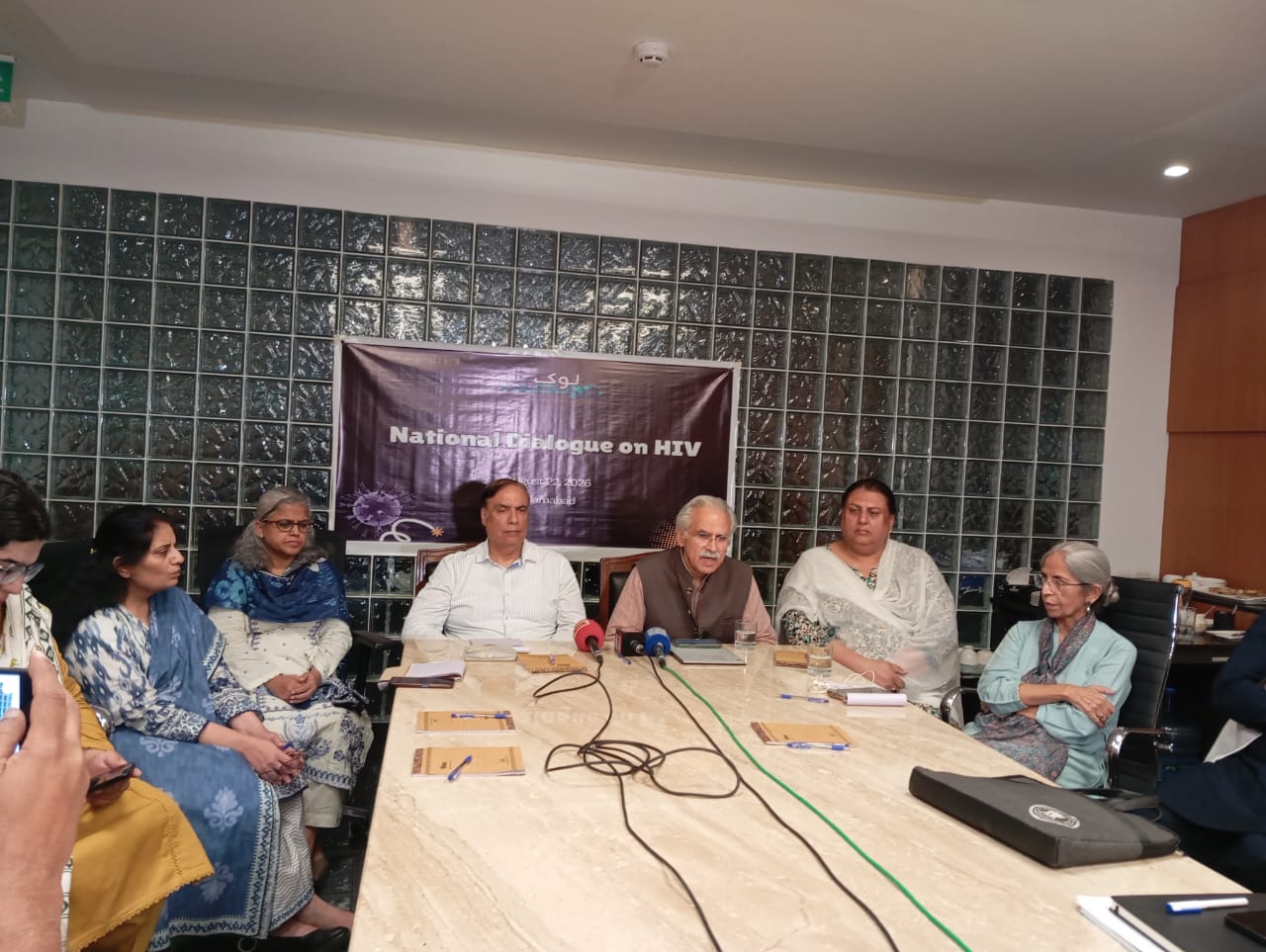
      Islamabad: Pakistan is facing a growing HIV crisis, with an estimated 369,000 people living with the virus while only about 84,400 cases are formally registered, according to a government Task Force report. Health experts and concerned citizens have warned that the real situation may be much worse because the country still lacks reliable and complete disease data. The warning came during a National Dialogue on HIV and AIDS organised by Lok Sehat, where doctors, public health experts, medical organisations, civil society groups and representatives of communities affected by HIV discussed the growing problem. Lok Sehat Convener Dr Zafar Mirza said the government must stop trying to control the disease by controlling or hiding data. He demanded that reliable information about HIV and other blood-borne diseases should be made available and that the government should take greater financial responsibility for HIV, tuberculosis, and malaria instead of depending heavily on international donors. The issue has become more serious because HIV infections are increasingly being reported among children and people outside the groups traditionally considered at higher risk. The Task Force report estimates that 369,000 people are living with HIV in Pakistan, but only around 84,400 cases are formally registered and about 60,789 people are receiving antiretroviral treatment. The report says the recent appearance of HIV among children in low-risk rural communities points to serious weaknesses in infection control, blood safety, healthcare regulation, and medical management. The situation in Taunsa Tehsil of Dera Ghazi Khan has raised particular concern. The Task Force report says 127 children were confirmed to have HIV during a five-month period between December 2024 and April 2025. Around 79 percent of those children were below five years of age, with the median age only three years. Investigations largely ruled out transmission from mothers because nearly all mothers of the infected children tested negative for HIV. The report identified unsafe blood transfusions and contaminated injection practices as major drivers of the Taunsa outbreak. It also found problems involving blood donor screening, unregulated healthcare providers, reuse of disposable syringes, excessive use of injections, poor sterilisation and weak infection prevention systems. Dr Zafar Mirza said repeated use of syringes and needles was a major suspected route of HIV transmission among people receiving healthcare. He called for proper training of healthcare workers and public awareness so patients and families understand the importance of using new syringes and needles. He also urged doctors to avoid unnecessary injections when oral medicines are medically suitable. The problem is not limited to one area. Former National AIDS Control Programme and IHRA chief Dr Quaid Saeed said 13 HIV outbreaks had been reported in Pakistan during the last 18 years, but only two, including the outbreaks in Jalalpur Jattan and Ratodero, had been extensively investigated. He called for proper investigations into every outbreak. The Task Force report also says the Ratodero outbreak in Sindh in 2019 affected more than 1,000 people, most of them children under 12. Investigations linked the outbreak to contaminated syringes, unsafe injections, unregulated blood transfusions, quackery and serious weaknesses in infection prevention and control. Experts also raised concerns about the treatment of people living with HIV. Dr Zafar Mirza said stigma remains a serious problem, including within parts of the medical profession. He said there had been cases where doctors refused to treat patients after learning that they had HIV. He stressed that HIV does not spread through ordinary contact such as shaking hands or being near an infected person. He called for stronger public awareness through television, newspapers and social media to correct false beliefs and reduce discrimination against patients. In Islamabad, infectious diseases expert Dr. Naseem Akhtar said many of the HIV cases seen at her centre involved people who inject drugs, deportees, transgender persons, men who have sex with men, and female sex workers. She said some cases had also been found among children. Dr Asma Naseem said the situation in Karachi was also worrying, particularly because of a rise in HIV cases among children. She said children with HIV were being brought to the Sindh Institute of Urology and Transplantation with kidney failure, describing the trend as highly concerning. The experts said weak regulation of healthcare facilities was another major part of the problem. Dr. Zafar Mirza called for stronger healthcare commissions, blood transfusion authorities, and other regulators, along with better funding, trained staff, and modern technology. The government Task Force has recommended nationwide surveillance of syringes, stronger regulation of medical devices, and a phased move towards auto-disable syringes. It has also proposed tougher action against unsafe medical practices. Another major recommendation is the creation of a national real-time HIV surveillance dashboard. The system would collect information from treatment centres, blood transfusion centres, provincial disease surveillance units and other health facilities so that new cases could be reported quickly at the national level. The Task Force has also proposed stronger testing and care for children, including early infant diagnosis, trained counsellors and paediatric HIV specialists in areas facing outbreaks. It has recommended social protection for children living with HIV, including support for medicines, nutrition, education, transport and psychological care. The proposed reforms also include stronger laws, mandatory reporting of HIV cases and outbreaks, better sharing of health data between provinces and agencies, and accountability for public and private healthcare providers where negligence contributes to disease transmission. The government report says a high-level National HIV Technical Working Group is also proposed, with experts including Maj. Gen. (R) Dr. Azhar Mehmood Kayani, Dr. Zafar Mirza, Dr. Abdul Wali Khan, Dr. Amjad Mahmood, Dr. Adnan Khan, Dr. Huma Qureshi, Dr. Hasan Abbas Zaheer, Brig. Dr. Nuzhat Mushahid, Dr. Saira Afzal, Dr. Fatima Mir, Dr. Saba Jamal, Dr. Rana Jawad Asghar and Dr. Khalid Rehman. Dr Zafar Mirza also raised concern over Pakistan’s dependence on international funding. During the briefing, he said that around 90 percent of spending on HIV, tuberculosis and malaria over the previous five years had come through the Global Fund. He argued that Pakistan should gradually take full


  • | |

    Another Reko Diq-Sized mining project in Pakistan,…

    ISLAMABAD: The United States has expressed strong confidence in Pakistan’s mineral sector, with a senior US Embassy official revealing that the Trump administration is prepared to support another mega mining project on the scale of  to invest in Pakistan despite security concerns, viewing the country’s vast mineral wealth as strategically important for future global industries. During a background briefing with journalists on Wednesday, the embassy official said Washington considers Pakistan a key partner in the global race for critical minerals that are essential for advanced technologies, clean energy, artificial intelligence, semiconductors and defence manufacturing. According to the official, the US government is encouraging American investors to explore Pakistan’s untapped mineral resources, ranging from large-scale copper and gold projects to smaller mining ventures worth only a few million dollars. US Prepared to Finance Another Mega Project The official said the US administration is ready to support another project comparable to the multibillion-dollar Reko Diq development if geological surveys and feasibility studies demonstrate strong commercial potential. He added that financing support could be extended through US institutions such as the Export-Import (Exim) Bank and the Development Finance Corporation, both of which are playing a growing role in securing global supply chains for critical minerals. The official noted that American companies are not only interested in major mining investments but are also examining opportunities to acquire, develop and expand smaller mining operations across Pakistan. Reko Diq Progress Continues Despite Delays Discussing the Reko Diq copper and gold project, the official acknowledged that work is progressing, although at a slower pace than initially anticipated. He explained that project costs are currently being reassessed, after which developers will return to financiers to finalize the remaining funding package. The first phase of the Reko Diq project is estimated to cost around $7.7 billion, while the US Exim Bank has already offered $1.25 billion in financing. However, the overall financial structure remains under discussion. The project has experienced delays due to rising construction costs and security concerns in Balochistan, prompting project stakeholders to revise cost estimates more than once. Earlier this year, Barrick Gold, which owns a 50 percent stake in the project, also reviewed development timelines because of increasing costs and security-related challenges. Major Economic Benefits Expected The embassy official said Reko Diq has the potential to transform Pakistan’s economy once it becomes fully operational. According to the estimates shared during the briefing, the project could generate nearly $2 billion in annual free cash flow. Of this amount, around $500 million would go directly to the Government of Balochistan, while another $500 million would benefit Pakistan’s state-owned enterprises. The official further stated that Pakistan’s mining sector currently contributes roughly 3 percent to the country’s economy, while Reko Diq alone could increase national GDP by approximately 0.5 percentage points, highlighting its significance for long-term economic growth. Critical Minerals Becoming Strategic Priority The US official emphasized that critical minerals have become a top strategic priority for Washington as demand continues to rise across technology, renewable energy and defence sectors. Pakistan possesses commercially attractive reserves of copper, antimony, tungsten and several other minerals considered essential for future industries. He said American companies believe Pakistan has enormous untapped potential, particularly as global demand for copper is expected to rise sharply over the coming decades. The official added that US firms are actively seeking long-term supply agreements for minerals extracted from Pakistani mines, while some investors are interested in purchasing and developing smaller mining assets. Investment Opportunities Across Pakistan Besides Balochistan, American investors are also exploring mineral opportunities in Khyber-Pakhtunkhwa, particularly for copper deposits, while rare earth mineral prospects in Gilgit-Baltistan have also attracted attention. The official said the United States is searching globally for around 60 critical minerals needed for emerging technologies, many of which are found in Pakistan. He noted that several companies have already begun exploration and extraction activities in different regions of the country. Security Remains the Biggest Challenge Despite strong investment interest, the official acknowledged that security remains one of the most significant obstacles facing mining projects in Pakistan. He said US companies fully understand the risks associated with operating in regions such as Balochistan and Khyber-Pakhtunkhwa but remain willing to invest if appropriate security arrangements are provided. The official stressed that the Pakistani government should continue strengthening security measures and facilitating investors to ensure long-term success of mining projects. He added that American companies are encouraged to partner with local firms, which possess valuable experience in navigating operational and security challenges in remote mining areas. US Calls for Transparent Investment Environment The embassy official also urged Pakistan to maintain a transparent, predictable and competitive investment climate to attract greater foreign investment into the mineral sector. He noted that Pakistan’s participation in the US Critical Minerals Initiative earlier this year reflects growing cooperation between the two countries in securing future mineral supply chains. According to the official, if exploration and investment continue at the current pace, Pakistan’s mining industry could emerge as one of the country’s strongest economic sectors over the next 10 to 20 years, creating employment, increasing exports and significantly boosting national revenues.

  • |

    Diljit Dosanjh explores Japan before Europe tour begins

    Global Punjabi superstar Diljit Dosanjh is taking a well-deserved break before launching the Europe leg of his highly anticipated Aura World Tour 2026. The singer recently traveled to Japan, where he immersed himself in the country’s culture, sampled its renowned cuisine, and visited several iconic locations. Sharing highlights from the trip on Instagram, Diljit gave fans a glimpse into his memorable Japanese adventure through a lively video. Staying true to his signature style, he narrated the experience with his trademark Punjabi humor, making the travel diary both entertaining and relatable for his followers. Throughout the video, the singer can be seen exploring different parts of Japan, admiring its scenic beauty, bustling streets, and cultural landmarks. However, one aspect of the country stood out to him more than anything else—its remarkable cleanliness. Diljit expressed genuine amazement at how spotless the streets were despite the apparent absence of public litter bins. The observation left him impressed, as he noted that even without trash cans readily available, the roads and public spaces remained exceptionally clean. His reaction highlighted the discipline and civic responsibility often associated with Japanese society. Accompanying the video, the singer shared a caption that reflected his excitement for both the trip and his upcoming performances. He wrote that he was exploring beautiful Japan before heading to Europe for the next phase of the Aura World Tour 2026, while also expressing his eagerness to meet fans across Europe soon. The travel video quickly attracted widespread attention on social media, with fans praising not only the stunning visuals but also Diljit’s engaging storytelling. His humorous narration and natural charm once again proved why his travel content is as popular as his music. This isn’t the first time Diljit has delighted fans with travel vlogs and behind-the-scenes moments from his journeys around the world. Over the years, he has built a reputation for sharing candid experiences, combining humor with observations about different cultures and destinations. His unique approach has helped him connect with audiences beyond his music, making his social media accounts a favorite among millions of followers. Fans flooded the comments section with appreciation shortly after the video was posted. Many praised the quality of the content, while others admired the singer’s ability to make even simple travel moments entertaining. One fan described him as the “best vlogger ever,” while another said they were thoroughly enjoying every piece of content he shares online. As Diljit wraps up his time in Japan, attention now shifts to the Europe leg of his Aura World Tour 2026. With sold-out concerts, energetic performances, and a massive international fan base, the singer is expected to continue his successful run across Europe. His latest travel update has only added to the excitement, giving fans another reason to look forward to the next chapter of his global journey.

  • | | |

    PM Shehbaz, Kuwaiti FM discuss regional peace, bil…

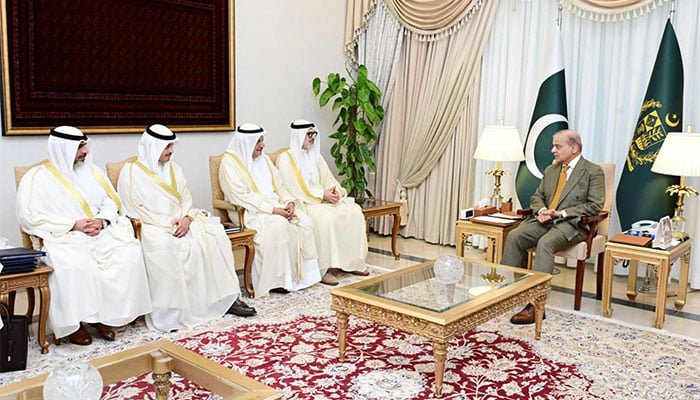
    Prime Minister Shehbaz Sharif met Kuwaiti Foreign Minister Sheikh Jarrah Jaber Al-Ahmad Al-Sabah in Islamabad on Wednesday. The meeting focused on Pakistan-Kuwait relations, regional developments and ways to expand cooperation between the two countries. Deputy Prime Minister and Foreign Minister Ishaq Dar also attended the meeting. Federal ministers for defence, commerce, national food security, communications, maritime affairs and petroleum were present. Advisers to the prime minister also joined the discussions. Prime Minister Shehbaz conveyed his best wishes to Kuwaiti Emir Sheikh Meshal Al-Ahmad Al-Jaber Al-Sabah and Crown Prince Sheikh Sabah Al-Khaled. He said Pakistan and Kuwait shared close and brotherly relations. The prime minister said the relationship was built on shared values, mutual trust and longstanding ties. He added that both countries had supported each other during difficult times. The regional situation was a major part of the discussion. Shehbaz reaffirmed Pakistan’s solidarity with Kuwait’s leadership and people. He strongly condemned attacks on Kuwait and other friendly Gulf countries during the ongoing regional conflict. He said Pakistan stood with its brotherly Gulf partners during the challenging situation. Shehbaz said Pakistan remained committed to promoting peace and stability in the region. He said Islamabad was playing the role of an honest and sincere mediator and facilitator in efforts to ease tensions. The prime minister stressed the importance of dialogue and diplomacy. He said peaceful engagement was essential for resolving regional disputes and preventing further escalation. The two sides also reviewed the progress in Pakistan-Kuwait relations. Shehbaz expressed satisfaction with the growing cooperation between the two countries. He called for further expansion of bilateral ties in key economic and strategic areas. These include trade, investment, energy, agriculture and information technology. Cooperation in maritime affairs and human resource development was also discussed. The prime minister said stronger economic links could create new opportunities for both countries. Shehbaz thanked the Kuwaiti government for its hospitality towards the Pakistani community. He also praised the contribution of Pakistani citizens to Kuwait’s social and economic development. The Kuwaiti foreign minister conveyed the best wishes of Kuwait’s leadership to Prime Minister Shehbaz. He expressed his country’s desire to strengthen cooperation with Pakistan in areas of mutual interest. The minister appreciated Pakistan’s efforts to promote dialogue and diplomacy in response to the regional crisis. He also thanked Pakistan’s leadership and people for their continued support for Kuwait during difficult circumstances. Both sides stressed the importance of regular consultations. They agreed that closer communication would help further strengthen bilateral relations. Pakistan and Kuwait also agreed to facilitate high-level exchanges in the near future. Such visits are expected to improve coordination and expand cooperation between the two countries.

Leave a Reply

Your email address will not be published. Required fields are marked *