top national thailand
|

Top National Thailand Stories From the Past Week: Transnational Cannabis Smuggling Crackdown Tightens, and More

Here is a look at the top NATIONAL Thailand stories, chosen by our Pattaya News/TPN National team, from last week, Monday, July 6th to Sunday, July 12th.

They are not in any particular level of importance but are listed in the order of date of publication.

  1. Thai Prime Minister Anutin Charnvirakul firmly rejected allegations that Chinese investors are indiscriminately buying up land in Thailand’s Eastern Economic Corridor (EEC) to establish illegal industrial estates, stating that all developments must comply with Thai law and that the government will further intensify a campaign against illegal nominee usage, especially for large land plots.

Thai Prime Minister Denies Chinese Land Grab in Eastern Economic Corridor, Vows Strict Enforcement of Nominee Laws

2. An air-conditioned public bus driver lost control early Saturday morning, July 11th, 2026, mounting the sidewalk and crashing into a traffic signal control box and a roadside tree on Lat Phrao Road in Bangkok’s Wang Thonglang district, injuring at least 10 people.

10 People Injured in Bangkok Bus Crash on Lat Phrao Road, Bus Driver Blames Brake Failure

3. Thai authorities have issued a strong advisory to both domestic and international travelers, urging them not to carry or accept luggage or packages from strangers for transport abroad, as even unwitting involvement in transnational cannabis-smuggling networks could lead to severe legal consequences including up to ten years in Thai prison.

Thailand Issues Urgent Warning to Travelers: Avoid Cannabis Smuggling Risks Amid Surge in Airport Arrests


4. Police from Pattaya City Police Station’s Dongtan Curve branch rushed to the scene after receiving a report of a gunman firing at a civilian’s vehicle near the entrance of Soi five across from the busy morning Rompho Market around 6:30 AM today, scaring morning shoppers and tourists.

Gunman Tails and Opens Fire on Car in Jomtien in Broad Daylight Near Rompho Morning Market, Bullet Lodges in Door, Driver Escapes Unhurt

5. A motorcycle collision in a Pattaya side street early Sunday morning left one Thai rider in critical condition and a foreign national from Uzbekistan with minor injuries.

Early Morning Motorcycle Crash in Pattaya Leaves Thai Rider Critically Injured, Uzbek Man with Minor Injuries

6. Patong police have arrested a 25‑year‑old American man at Suvarnabhumi Airport after he allegedly assaulted a jet ski operator in Phuket and attempted to flee the country.

American who Allegedly Assaulted Jet-Ski Operator in Patong Arrested at Suvarnabhumi Airport Trying to Flee Country

7. Authorities at Phuket International Airport arrested a 21‑year‑old Belgian woman after discovering more than 31 kilograms of cannabis concealed in her luggage as she attempted to leave the country.

Belgian Woman Arrested at Phuket Airport with 31 Kilograms of Cannabis

8. Phuket authorities have arrested a 30‑year‑old Russian man after discovering a large quantity of cannabis products hidden in his luggage at Phuket International Airport.9

9. A coordinated police operation in Phuket has struck at the heart of a transnational fraud network, leading to the arrest of a Russian suspect and the seizure of more than 5.4 million baht in cash.

Phuket Police Dismantle Russian Cash Mule Network, Seize Over 5.4 Million Baht

10. Authorities at Phuket International Airport have arrested two women, one Thai and one Filipino, after uncovering more than 32 kilograms of cannabis flowers hidden in their luggage.

Filipino and Thai Arrested at Phuket Airport, 32 Kilograms of Cannabis Seized

That’s all for this week, as always thanks for your support.

For the original version of this article, please visit The Pattaya News.
Similar Posts

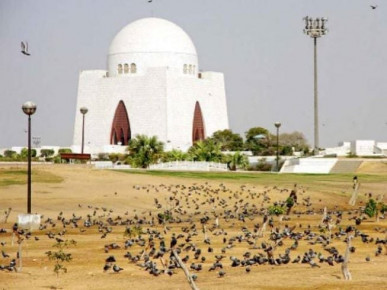
  • Senate questions authorities over years of neglect at Mazar e Quaid  

    Islamabad: The Senate Sub Committee on National Heritage and Culture has raised serious concerns over the condition of Quaid e Azam’s Mausoleum, questioning the slow maintenance work, damaged boundary walls, cleanliness issues and security arrangements at one of Pakistan’s most important national monuments. The issue came under discussion during a meeting of the Sub Committee held at Parliament Lodges, Islamabad, under the chairmanship of Senator Syed Waqar Mehdi. The meeting was held to review progress on earlier recommendations regarding administrative, renovation and development matters of Quaid e Azam’s Mausoleum and its surrounding areas. Senator Syed Waqar Mehdi expressed concern over wall chalking and the poor condition of the boundary wall around Mazar e Quaid. He directed the concerned authorities to start urgent renovation work. Federal Secretary for National Heritage and Culture Mr. Asad Rehman Gillani informed the Committee that the boundary wall had not received proper maintenance since 2017 and assured that the issue would be addressed soon. Senator Bushra Anjum Butt also expressed dissatisfaction over the lack of attention given to the national heritage site and questioned why such an important symbol of Pakistan was not receiving the required priority from relevant authorities. The Committee reviewed several operational issues including security, electricity and water supply. Mr. Asad Rehman Gillani informed the Committee that some problems had already been resolved, while remaining matters would be completed at the earliest. The meeting was attended by Senator Bushra Anjum Butt and Senator Sarmad Ali through Zoom. Representatives of the Quaid e Azam Mazar Management Board also participated. Officials from K Electric, Karachi Metropolitan Corporation, Sindh Solid Waste Management Board, Karachi administration and police authorities also attended the meeting. The Committee directed authorities to improve security arrangements at the Mausoleum by installing CCTV cameras across the premises and ensuring deployment of sufficient police personnel. Senator Syed Waqar Mehdi also directed that a complete security plan should be prepared before reopening the Mausoleum for the general public, including deployment of a Special Security Unit. During the discussion, the Committee also raised concerns regarding individuals involved in drug abuse found inside the Mausoleum premises. SSP East Karachi informed the Committee that such individuals are usually granted bail within two to three days after legal proceedings and are later referred to the Edhi Foundation for rehabilitation. Senator Syed Waqar Mehdi also highlighted financial concerns regarding the maintenance of Mazar e Quaid. He observed that the Government of Sindh currently carries the financial responsibility for maintaining the Mausoleum and suggested that other provinces, Gilgit Baltistan and Azad Jammu and Kashmir should also contribute annually towards its maintenance and operational expenses. The Committee expressed dissatisfaction over incomplete sanitation work around the Mausoleum. Officials informed that general waste had been removed, but construction debris was still present in surrounding areas. Senator Syed Waqar Mehdi directed immediate removal of all remaining waste and debris. The Committee also took notice of coordination issues among government departments and expressed displeasure over the absence of the Director General Karachi Development Authority from the meeting. To improve coordination, Senator Syed Waqar Mehdi directed all concerned departments to create a dedicated communication group where updates regarding Mazar e Quaid improvement work could be shared quickly. He also instructed officials to provide before and after pictures of development and maintenance activities. The Committee further directed that one Member of the National Assembly and one Senator from Karachi should be included in the Quaid e Azam Mazar Management Board. It also recommended including the President of Karachi Chamber of Commerce and Industry in the Board to improve public and business sector involvement. The Sub Committee will hold another follow up meeting after August 14 to review the progress of all departments and assess whether the required improvements have been completed.

  • | |

    PTI leader Mian Mahmoodur Rashid shifted to servic…

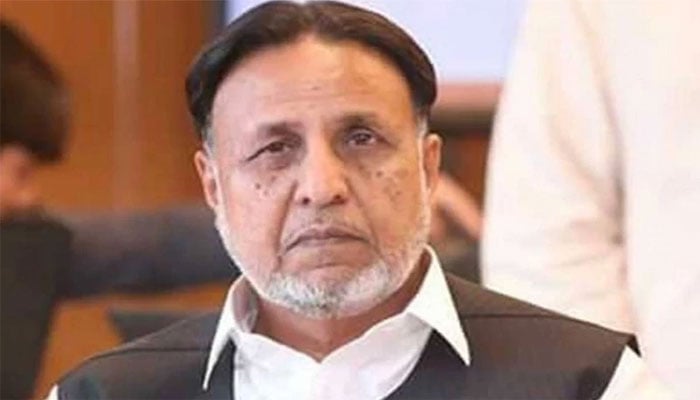
      LAHORE:Former Punjab minister and Pakistan Tehreek-e-Insaf (PTI) leader Mian Mahmoodur Rashid has reportedly developed health complications and was shifted from prison to Services Hospital in Lahore for medical treatment. According to party sources in Lahore, Mahmoodur Rashid was transferred to the hospital after his health condition deteriorated. The move was made to provide him with specialised medical care and allow doctors to carry out the necessary treatment. Party sources said that the PTI leader underwent surgery for a tumour located in his abdomen. The operation was performed at Services Hospital, where doctors treated the medical condition that had been causing him health concerns. Following the surgery, Mahmoodur Rashid was reportedly transferred back to the prison hospital for post-operative care and monitoring. His condition is being observed by medical staff as he recovers from the procedure. The development has attracted attention because Mahmoodur Rashid is a senior PTI figure and a former member of the Punjab provincial government. His health has previously been a matter of concern for his party, particularly while he has remained in custody. The party sources did not provide extensive details about the nature of the tumour, its size or whether it was benign or malignant. They also did not disclose further information regarding the exact duration of his hospital stay or the expected recovery period. Medical procedures involving abdominal tumours can require careful post-operative observation, particularly during the initial recovery period. The decision to keep the PTI leader under medical supervision after the operation indicates that doctors are continuing to monitor his condition. Mahmoodur Rashid has remained a prominent figure within PTI and has held important political responsibilities in Punjab. As a former provincial minister, he has been associated with the party’s political activities for several years. His transfer from prison to a major public-sector hospital highlights the medical arrangements made for prisoners who require treatment beyond the facilities available inside a jail. Prison authorities generally rely on external hospitals when inmates require specialised diagnostic procedures, surgery or other forms of treatment that cannot be adequately provided by a prison medical unit. According to the available information, the sequence of events involved his transfer from prison to Services Hospital, the surgical treatment of the abdominal tumour and his subsequent return to the prison hospital for continued care. The party sources did not indicate any immediate complications resulting from the surgery. Further information about his health is expected to depend on the medical assessment carried out by doctors during his recovery. PTI supporters and party members have expressed concern over the health of the former Punjab minister, particularly because he is currently in custody and requires ongoing medical attention. The development comes as several PTI leaders and workers remain involved in legal and political proceedings following the party’s prolonged confrontation with the government and state institutions. Mahmoodur Rashid has remained among the senior party figures facing legal proceedings. For now, his recovery and medical condition are being monitored by healthcare professionals. The latest reports indicate that after undergoing surgery for the abdominal tumour at Services Hospital, he has been moved to the prison hospital, where he will continue to receive medical care. Further details about his condition, the outcome of the surgery and his recovery timeline are expected to emerge as doctors continue their assessment.

  • | |

    GB to auction hunting permits for Markhor, blue Sh…

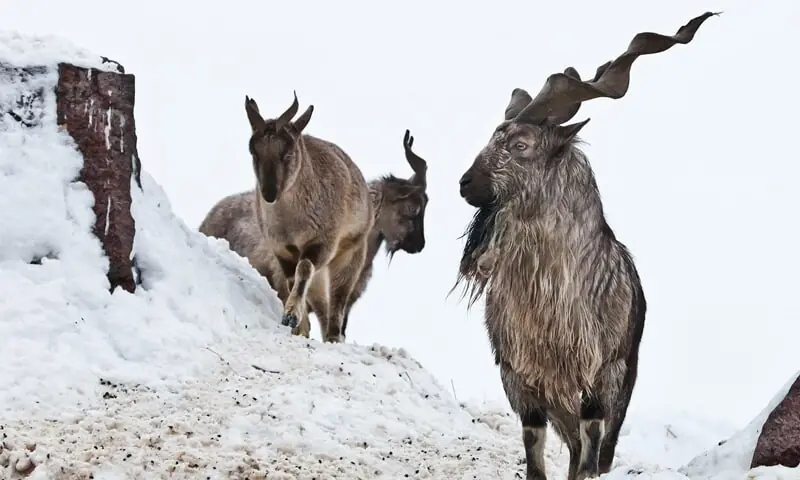
    GILGIT: The Parks and Wildlife Department of Gilgit-Baltistan is set to auction hunting permits for three Astore markhors, 14 blue sheep and 100 Himalayan ibexes under the region’s Trophy Hunting Programme for the 2026-27 season. The base price for an Astore markhor permit has been fixed at $200,000, making it the most expensive permit on offer. The minimum price for a blue sheep permit has been set at $25,000, while permits for Himalayan ibex will start at $11,000. According to the auction notice, four Astore markhors are included in the exportable quota. However, one permit from the previous hunting season has been carried forward, leaving three fresh permits to be auctioned this year. The open auction will take place on September 10 at the Forest Complex in Jutial, Gilgit. The trophy hunting season will begin on October 15, 2026, and continue until April 10, 2027, in accordance with the GB Trophy Hunting Guidelines 2019. Hunting will be permitted only within officially designated conservation areas. The department said the annual hunting quota has been determined following wildlife population surveys conducted by experts. GB Chief Conservator Parks and Wildlife Zakir Hussain said that the department collected approximately Rs350 million through permit auctions last year against a target of Rs550 million. He said several permits remained unused during the 2025-26 season, including those for two Astore markhors, five blue sheep and 10 exportable Himalayan ibexes. The unused permits resulted in an estimated revenue loss of around Rs200 million. According to officials, the cancellation of hunting plans by American and other international hunters was linked to the law-and-order situation following violent protests in Gilgit and Skardu. Local business owners and tourism operators have expressed concern over repeated increases in trophy hunting permit prices. They argue that higher baseline rates have discouraged foreign hunters and negatively affected businesses connected with hunting tourism. Ikram Beg, a local business owner who sells hunting equipment, said the trophy hunting programme was facing significant challenges. He claimed that the Wildlife Department had increased baseline prices by more than 300 per cent over the past two years without adequately incorporating recommendations from major stakeholders. According to Beg, excessive price increases could make Gilgit-Baltistan less competitive in the international trophy hunting market. He warned that declining international participation could reduce government and community revenues while weakening incentives for local residents to participate in wildlife conservation. Beg stressed that trophy hunting should primarily serve as a conservation mechanism rather than simply becoming a source of increased government revenue. He said the programme’s long-term success depends on reasonable pricing, international participation, transparent administration and meaningful financial benefits for local communities. Local stakeholders have called for a review of the permit rates and greater consultation with communities, conservation specialists and industry representatives. They have also demanded transparency and strict adherence to applicable rules and regulations. Although trophy hunting remains controversial internationally, its supporters argue that regulated hunting can generate funds for conservation, discourage illegal hunting and provide financial benefits to communities living near wildlife habitats. In Gilgit-Baltistan, the programme began with community participation in Bar Valley, Nagar, in 1990. Under the existing revenue-sharing model, approximately 80 per cent of licence revenue goes to local communitiesfor wildlife protection and conservation activities. The region’s challenging terrain and harsh weather also make trophy hunting highly demanding. Hunters must navigate steep and rugged mountain slopes while dealing with extremely cold conditions. Gilgit-Baltistan is home to diverse wildlife because of its varied ecosystems and climate. Species found in the region include Marco Polo sheep, ibex, markhor, urial, blue sheep, lynx, snow leopards, brown and black bears, wolves, foxes and golden eagles. However, wildlife experts and conservationists continue to face concerns over illegal hunting, inadequate wildlife management and the effects of climate change, all of which pose long-term threats to the region’s biodiversity.

  • | |

    Barrister Gohar denies reports on PTI founder&#821…

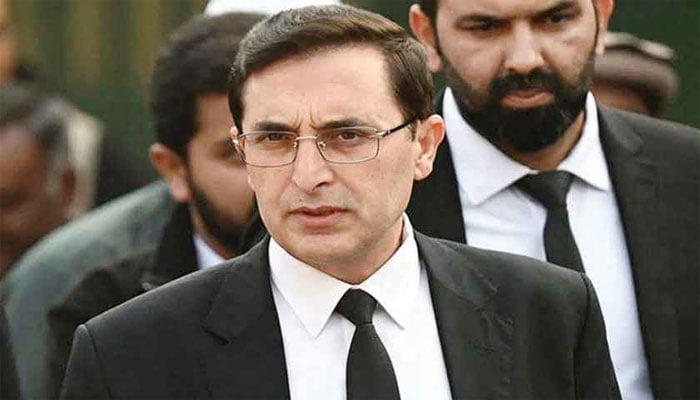
    Pakistan Tehreek-e-Insaf (PTI) Chairman Barrister Gohar has dismissed reports circulating on social media claiming that the party’s founder is undergoing treatment at a prison hospital due to high blood pressure or any other medical condition. In a fresh statement, Barrister Gohar said he had personally verified the matter with the relevant authorities. He added that he had also informed the PTI founder’s family about the actual situation after confirming the facts. He urged the media and social media users to avoid spreading unverified information regarding the health of the PTI founder and Bushra Bibi. He stressed that only confirmed information should be shared to prevent the spread of misinformation. Barrister Gohar said false reports about the health of political leaders create unnecessary confusion and concern among supporters and the public. He appealed to journalists and the public to act responsibly and verify facts before publishing or sharing any news. Reiterating the party’s stance, Barrister Gohar maintained that the PTI founder and Bushra Bibi are being unjustly held in prison. He said the party continues to demand that both be provided proper medical care and be released. The statement comes after speculation on social media claimed that the PTI founder had been shifted to the prison hospital for treatment. Barrister Gohar rejected those claims and insisted that such reports were inaccurate, calling on everyone to rely only on verified information regarding the health and condition of the PTI founder and Bushra Bibi.

  • | |

    Aamer Raza named Pakistan’s Strategic Commander

    Lieutenant General Syed Aamer Raza, HI(M), SBt, has been promoted to the rank of four-star general and appointed as the Commander of the National Strategic Command, marking a significant milestone in his military career. The appointment places one of the Pakistan Army’s most experienced senior officers at the helm of the country’s strategic command structure. General Aamer Raza has built a distinguished career through a series of key command, operational and administrative appointments. Before his promotion, he was serving as the Chief of the General Staff (CGS) at the General Headquarters (GHQ), one of the Pakistan Army’s most influential positions. As CGS, he oversaw operational planning, intelligence coordination and strategic military affairs, making the role central to the Army’s command structure. Military observers view his promotion as recognition of his extensive professional experience and leadership. His tenure as Chief of the General Staff provided him with broad exposure to strategic planning, operational decision-making and national security matters, qualities considered essential for leading the National Strategic Command. General Aamer Raza also possesses significant expertise in defence technology and military procurement. He previously served as Director General Weapons and Equipment, where he supervised the acquisition, maintenance and development of military hardware. In addition, he served as Chairman of Heavy Industries Taxila (HIT), one of Pakistan’s leading defence production organisations, where he played a role in strengthening indigenous defence manufacturing and modernisation efforts. Commissioned into the Armoured Corps, General Aamer Raza has held numerous command, staff and instructional appointments throughout his career. His service includes leadership roles at various operational formations as well as senior positions within military institutions, giving him extensive experience in both field operations and strategic planning. Defence analysts believe his combination of operational leadership, technical expertise and institutional experience makes him well suited for his new responsibilities. The National Strategic Command is expected to play a key role in coordinating Pakistan’s strategic capabilities, strengthening national security planning and overseeing matters related to strategic deterrence.

  • |

    Govt increases petrol by Rs1.09, HSD by Rs2.42

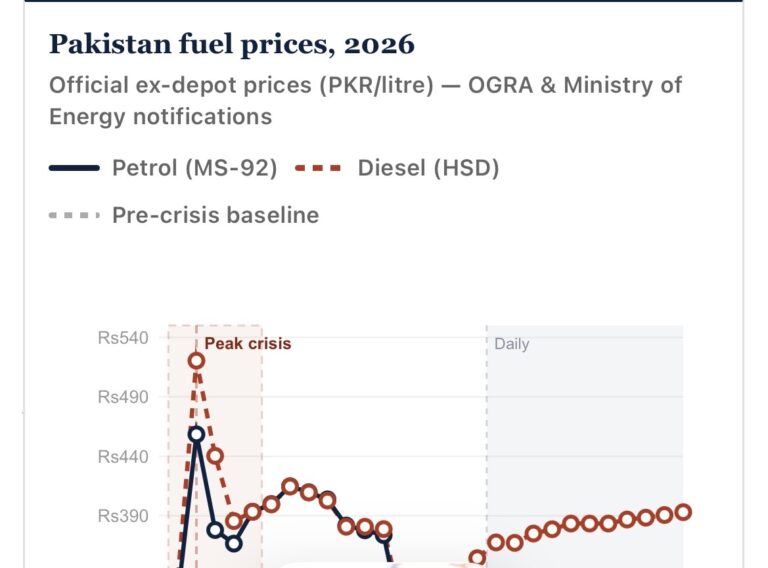
    The government on Thursday increased the prices of petrol and high-speed diesel (HSD) by Rs1.09 and Rs2.42 per litre, respectively, passing on the impact of fluctuating global oil prices amid ongoing Middle East tensions. Following the revision, petrol will retail at Rs336.15 per litre, while HSD will cost Rs393.04 per litre. The government continues to levy Rs110 per litre in taxes and duties on petrol and Rs96 per litre on diesel. The Petroleum Division’s notification said the new prices would be applicable for July 31 (Friday). The diesel price has come down from a peak of Rs520.35 recorded on April 3, after beginning its upward trajectory from Rs281 per litre when the US-Iran war broke out on February 28. Similarly, petrol had peaked at Rs458.41 on April 3 after rising from Rs266 in the first week of March. Earlier, Petroleum Minister Ali Pervaiz Malik announced that fuel prices would now be fixed on a daily basis due to fluctuations in international market prices following renewed hostilities between Iran and the US. The government had been announcing weekly revisions since early March, alongside conservation measures amid possible oil supply disruptions due to the ongoing conflict in the Middle East. In April, the federal government also announced targeted relief measures to provide subsidised fuel. The petroleum minister stated that the cabinet and the prime minister had decided to give the Oil and Gas Regulatory Authority (OGRA) the responsibility of deciding fuel prices on a daily basis based on international market trends. The daily pricing decision was rejected by the All Pakistan Dealers Association, which said it would consider a protest plan this week. Petrol is mainly used in private transport, small vehicles, rickshaws and two-wheelers, and changes in its price affect the middle and lower-middle classes. Similarly, diesel price changes impact the public at large, as it is primarily used in the heavy transport sector, power plants and large generators. Petrol and HSD are the major revenue earners, with monthly sales of about 700,000 to 800,000 tonnes, compared to just 10,000 tonnes of monthly demand for kerosene.

Leave a Reply

Your email address will not be published. Required fields are marked *