delegation walks out
|

US delegation walks out of UN Security Council after dispute with France

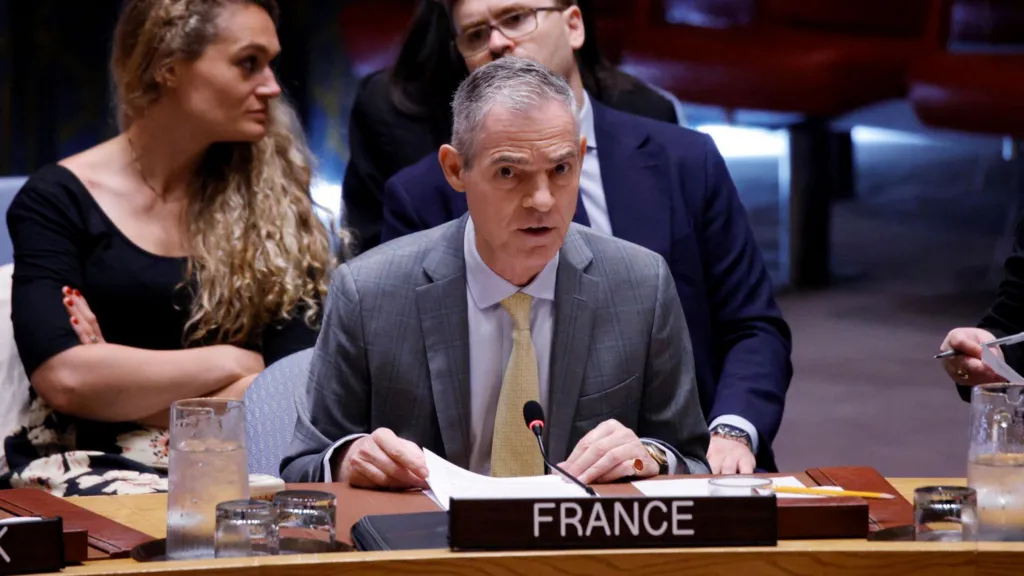
The United States walked out of a United Nations Security Council meeting on Monday during remarks by France’s ambassador, escalating a diplomatic dispute between the two allies over human rights and the leadership of the UN’s top human rights office.

The disagreement began after a recent vote on extending the term of Volker Turk as the United Nations High Commissioner for Human Rights. The United States joined Russia and North Korea in opposing his reappointment, placing Washington on the same side as two countries it has frequently criticized over human rights issues.

Following the vote, France’s mission to the United Nations strongly criticized the US position on social media, saying Washington had once been a global symbol of human rights but no longer deserved that reputation. The statement drew a sharp response from American officials and set the stage for the diplomatic confrontation that followed.

The latest tension unfolded during an emergency Security Council meeting on Russia’s war in Ukraine. As France’s UN Ambassador Jerome Bonnafont began speaking, members of the US delegation left the chamber in protest.

US Ambassador Dan Negrea later said the walkout was a direct response to what he described as France’s disrespectful and condescending language toward the United States. He warned that similar protests would continue unless France changed its approach and withdrew its criticism.

Earlier, US Ambassador Mike Waltz defended Washington’s opposition to Turk’s second term. He argued that the human rights chief had unfairly criticized democratic countries while failing to take a strong enough stance against governments with poor human rights records. Waltz did not identify specific examples to support his criticism.

During his time in office, Turk has repeatedly condemned Russia’s invasion of Ukraine and has also raised concerns about Israel’s military operations in Gaza. Despite US objections, his second term was approved by a large majority of UN member states, with 144 countries voting in favor, 10 voting against and 13 abstaining.

The dispute reflects broader tensions between the United States and the United Nations under President Donald Trump’s administration. In recent years, Washington has reduced financial support for several UN agencies and withdrawn from a number of UN bodies as part of a wider review of its international commitments.

After the vote on Turk’s reappointment, US Ambassador Jeff Bartos warned that the United States would reconsider its participation, engagement and funding for UN institutions. He accused the organization of allowing procedural abuses and political deals to influence key appointments.

France, however, strongly defended Turk’s leadership. Ambassador Bonnafont described him as a principled and impartial official who had carried out his responsibilities with integrity during his first term. France argued that his reappointment reflected the confidence of the overwhelming majority of UN member states.

A spokesperson for the United Nations declined to comment directly on the American walkout but said the organization expects all member countries to respect decisions made through its established voting process. The incident has added to growing friction between Washington and the UN at a time when international cooperation is already under pressure from several global conflicts.

Similar Posts

  • | | |

    Pakistani celebrities and Kashmir debate: Who spok…

    The role of celebrities in social and political discussions has become a major topic of debate in Pakistan, especially during times of public concern and unrest. With the rise of social media, fans increasingly expect public figures to comment on important national and humanitarian issues, including developments related to Kashmir. Following reports of tensions and protests in Azad Jammu and Kashmir (AJK), discussions emerged online about whether Pakistani celebrities should use their platforms to raise awareness. Some actors and public figures shared messages of support, while others remained less visible or did not publicly comment, leading to debates among social media users. Several celebrities used Instagram stories, posts, and videos to express solidarity and share information related to the situation. Their supporters appreciated their willingness to highlight public concerns and use their large online audiences for awareness. For many fans, celebrity voices can help bring attention to issues that might otherwise receive limited coverage. At the same time, some public figures chose not to make public statements. The reasons behind an individual’s decision to speak or remain silent can vary, including personal views, privacy considerations, professional concerns, or a preference to avoid political discussions. Without direct statements from celebrities themselves, assumptions about their motivations remain speculative. The debate has also highlighted changing expectations from audiences. In the digital age, celebrities are no longer viewed only as entertainers; many fans see them as influencers with the ability to shape conversations. As a result, public figures often face pressure to respond quickly to social and political events. However, opinions remain divided on whether celebrities should be expected to take positions on every issue. Some believe influential personalities have a responsibility to speak about humanitarian matters, while others argue that individuals should have the freedom to decide when and how they engage with political topics. The discussion around celebrities and Kashmir reflects a broader global trend where social media has transformed the relationship between public figures and their audiences. Whether celebrities choose to speak out or remain private, their actions are increasingly examined by millions of followers. As online conversations continue, the issue raises important questions about activism, influence, responsibility, and the role of entertainment personalities in society.

  • | | | |

    Petrol down to Rs336.03, diesel to Rs392.38

    The federal government has announced a slight reduction in the prices of petrol and high-speed diesel for the next fortnight. According to a notification issued by the Petroleum Division, the price of high-speed diesel has been reduced by Rs0.66 per litre. Following the latest revision, the new price of diesel has been fixed at Rs392.38 per litre. The government has also lowered the price of petrol by Rs0.12 per litre. After the reduction, the new retail price of petrol now stands at Rs336.03 per litre. The revised fuel prices came into effect after the issuance of the official notification by the Petroleum Division. Petrol is widely used by private vehicles, motorcycles and small transport operators across the country, while high-speed diesel is mainly consumed by heavy transport, agricultural machinery and industrial sectors. Any change in fuel prices directly affects transportation costs, production expenses and the overall cost of living. Although the latest reduction is modest, it provides some relief to consumers and businesses that rely on petroleum products for their daily operations. The government reviews petroleum prices periodically, taking into account fluctuations in international oil markets, exchange rate movements and applicable taxes and levies before announcing revised rates. The latest adjustment reflects the government’s routine fuel price review mechanism.

  • | | |

    SC orders Imran’s transfer to Shifa Hospital

    The Supreme Court has directed authorities to transfer Pakistan Tehreek-e-Insaf founder Imran Khan from Adiala Jail to Shifa International Hospital for medical assessment and treatment. The order was issued by a three-member bench headed by Justice Shahid Waheed. Justice Naeem Akhtar Afghan and Justice Ishtiaq Ibrahim were also part of the bench. The court was hearing petitions related to Imran’s medical treatment, access to his personal doctors and meetings with family members. The bench also ordered authorities to submit Imran’s complete medical record before the next hearing. Justice Waheed questioned why the court had been provided with only a summary instead of the full medical file. The judge said the court wanted the complete record to properly assess Imran’s health condition. The matter came under discussion after a medical report submitted by Adiala Jail authorities highlighted concerns about Imran’s health. Justice Waheed noted that the reports indicated abnormalities in his pulse and heart condition and suggested that his vital organs could be affected. The bench also discussed a recommendation for angiography. Justice Afghan asked whether the procedure could be performed inside the jail. The Islamabad advocate general told the court that angiography could be carried out at a hospital outside the prison. PTI lawyer Uzair Bhandari raised concerns about the cause of an alleged blood clot and requested access for Imran’s personal physicians. He sought permission for Dr Asim Yusuf and Dr Faisal Sultan to meet Imran. The court discussed the qualifications of the doctors proposed for the visit and noted that no formal challenge had been made to the doctors who had already examined the former premier. The court also addressed the issue of media statements following meetings with Imran. Bhandari assured the bench that family members and doctors would not speak to the media after meeting the PTI founder. The Islamabad advocate general said an earlier undertaking regarding media interactions had allegedly been breached. The matter is also pending before the Islamabad High Court. Senior PTI lawyer Salman Akram Raja argued that responsibility should not automatically be placed on others if an undertaking had been violated. Justice Waheed warned that if contempt proceedings were initiated against officials for violating court directions, similar action could also be considered against lawyers or other individuals who breached court orders. The bench said the PTI and Imran’s family would have to provide an undertaking that no media briefing would take place after meetings. Justice Afghan also urged the PTI to avoid turning Imran’s medical condition into a political dispute. The court separately examined restrictions on meetings between Imran and his sisters. Justice Waheed said meeting family members was a fundamental right and should not be treated as a special favour. Authorities told the court that Imran had met his sisters 48 times during the past three years. The court ordered officials to submit complete details of all those meetings. It also sought records concerning Imran’s communication with his sons, including call detail records. The bench further directed authorities to provide comprehensive information about the cases against Imran. The court wants details of cases in which he is an under-trial prisoner, cases resulting in convictions and matters where sentences have been suspended. Adiala Jail officials were summoned to appear before the court at the next hearing. The court also questioned the implementation of Islamabad High Court directions concerning meetings with Imran. The Islamabad advocate general said the matter was pending before the high court in an intra-court appeal. The hearing was adjourned until after the summer vacation. Medical report submitted to court A two-page medical report submitted by the Adiala Jail superintendent provided details of Imran’s treatment and health monitoring during his imprisonment. The report said Imran had received treatment from ophthalmologists in Islamabad and Rawalpindi for central retinal vein occlusion, an eye condition diagnosed previously. According to the report, his affected eye had shown significant improvement and had almost returned to normal vision. The report also contained a summary of 39 medical examinations conducted by various specialists between November 4, 2023 and August 10, 2026. Several government doctors examined Imran during this period. Jail authorities said records of the consultations had been maintained. Medical officers at the jail also monitored his food and fluid intake three times a day and conducted regular health checks. The report stated that Imran and his wife had been meeting every Tuesday under jail rules. A total of 84 such meetings had reportedly taken place.

  • | |

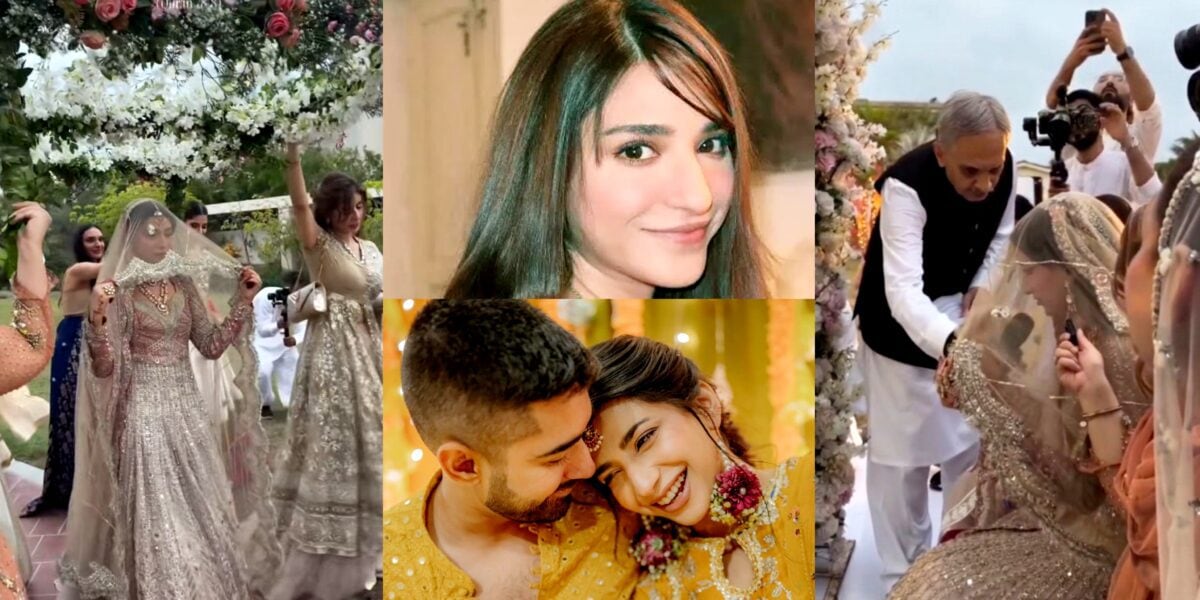
    Ramsha Khan’s sister’s English Nikah sparks backlash

    The wedding celebrations of Pakistani actress Ramsha Khan’s sister, Alysha Khan, have attracted significant attention on social media, with her Nikah ceremony becoming a major topic of discussion among internet users. Alysha’s wedding festivities have been circulating online in recent days. However, much of the attention has focused not only on the bride and the celebrations but also on the language used during the Nikah ceremony. The Nikah was conducted in English during a daytime ceremony. Clips from the event appeared on social media and quickly generated mixed reactions from viewers. Some social media users questioned the decision to conduct the Nikah in English and compared it with the traditional way of solemnising marriages in Pakistan. Several commenters argued that the ceremony appeared influenced by Western culture, while others criticised what they described as an attempt to adopt a foreign style. The bride’s pronunciation also became a subject of online discussion. In a widely circulated clip, viewers focused on her pronunciation of the phrase “I do,” with some users making jokes and critical comments about her accent. The reaction soon turned into a wider debate about cultural traditions and personal choices. Some users defended the family’s decision, arguing that the language used during a Nikah does not change the religious or legal nature of the marriage. Others continued to question why an English-language ceremony was chosen for a Pakistani wedding. Ramsha Khan herself has largely stayed away from the spotlight during her sister’s wedding festivities. Despite considerable interest from her followers, she has reportedly avoided sharing pictures and videos of herself from the celebrations. The actress has also kept her personal life private following her marriage to actor Khushhal Khan. She previously made her Instagram account private and has maintained a relatively low profile since leaving the acting scene. Ramsha Khan became a familiar face in Pakistani television after beginning her career in the entertainment industry. She appeared in several successful dramas and films, including Mah-e-Tamaam, Khud Parast, Kaisa Hai Naseeba, Shehnai, Ishqiya, Hum Tum, Sinf-e-Aahan and Duniyapur. Her relationship and subsequent marriage to her former drama co-star Khushhal Khan also attracted considerable public attention. Since then, the actress has largely kept her family matters away from the media. Meanwhile, Alysha Khan’s wedding has continued to generate discussion online. Some users also questioned why entertainment and social media pages were giving extensive coverage to the wedding despite the bride not being a prominent public figure.

  • |

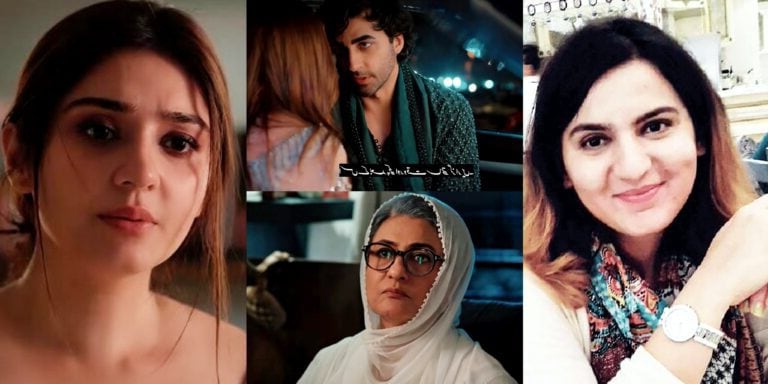
    Dar-e-Nijat takes shocking turn over Zariab-Zamil relationship

    Dar-e-Nijat, the new Pakistani prime-time drama airing on ARY Digital, has taken an unexpected turn after a recent episode left viewers questioning the nature of Zariab and Zamil’s relationship. Written by Umera Ahmed and directed by Saqib Khan, the drama explores themes of spirituality, personal beliefs, ambition, and the challenges faced by a young woman as she navigates her life and values. Four episodes of the drama have aired so far, with the latest installment generating considerable discussion among viewers. The episode featured a surprising sequence involving Zariab, who went to the house of her friend Zamil after the baraat ceremony. The story then shifted to the following morning, when Zariab’s grandmother questioned her about where she had been. Zariab remained silent, while the way the scene unfolded appeared to suggest that something significant had happened between her and Zamil. The visual details of the sequence added to the speculation. Zariab was shown washing her face and hands, while Zamil was notably absent. His remorseful message further strengthened the impression that the two had crossed a physical boundary. The scene was deliberately presented without directly showing what had happened, leaving viewers to interpret the events through the characters’ actions and reactions. The ambiguity prompted fans to approach writer Umera Ahmed for clarification. One viewer on X asked Ahmed whether the scene was intended to indicate that Zariab and Zamil had become physically involved. The fan specifically referred to the way Zariab returned home late after the baraat scene, as well as her actions afterward and Dadda’s statement about modesty and honour. Umera Ahmed responded with a brief confirmation, effectively putting an end to the speculation surrounding the scene. The revelation has since sparked a strong reaction among Dar-e-Nijat viewers. Many fans said they had already understood the implication from Zariab’s behaviour and the subtle clues placed throughout the sequence. Rather than directly portraying the incident, the drama relied on expressions, dialogue, silence, and character reactions to communicate what had happened. Some viewers also interpreted Zamil’s actions as an attempt to establish his importance in Zariab’s life and prove that he believed he had a greater claim over her than anyone else. This interpretation has added another layer to the discussion surrounding the characters and their motivations. At the same time, several viewers praised the drama for addressing such a sensitive subject without relying on graphic or overly explicit scenes. They argued that topics involving relationships, intimacy, guilt, and moral boundaries can be more impactful when handled through suggestion rather than direct depiction. The development has undoubtedly changed the direction of Dar-e-Nijat and raised questions about how Zariab will deal with the consequences of her choices. With the drama focusing heavily on spirituality and personal accountability, viewers are now waiting to see how the storyline explores guilt, relationships, faith, and the repercussions of the events between Zariab and Zamil.

  • | |

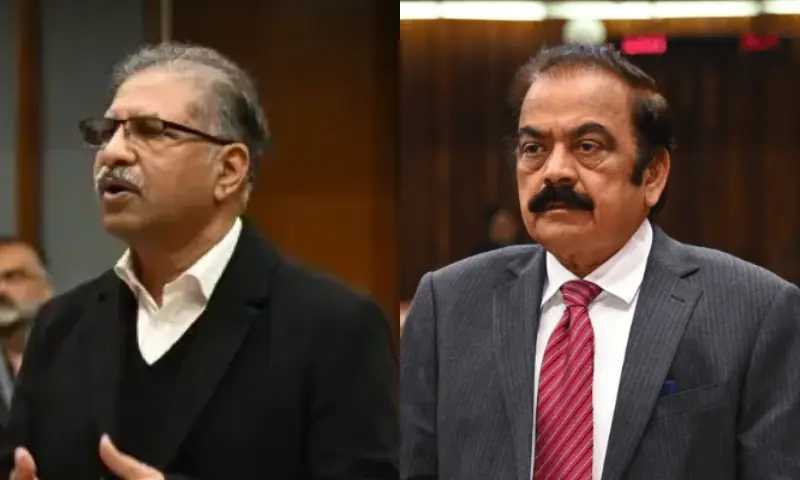
    Senate erupts over Imran Khan’s medical treatmen…

    ISLAMABAD: The Senate witnessed a heated exchange between the opposition and government benches on Tuesday over the medical treatment of PTI founder and former prime minister Imran Khan. The dispute centred on the implementation of an August 18 Supreme Court order concerning Imran Khan’s treatment. The court had directed authorities to shift him to Shifa International Hospital in Islamabad and form a medical board that would include his sister and personal physician. The government, however, took Imran Khan to Pakistan Institute of Medical Sciences (PIMS), citing security concerns. He was later returned to Adiala Jail after doctors declared him medically fit. The opposition accused the government of failing to comply with the Supreme Court’s directions. The government rejected the allegation and maintained that the authorities had acted within the framework of the court order. The issue came up after PTI parliamentary leader Barrister Ali Zafar sought permission to move a resolution regarding the Supreme Court’s directions. Presiding Officer Shahadat Awan did not allow the resolution, ruling that the matter was sub judice. Opposition senators were instead allowed to raise the issue through points of order. Zafar argued that Parliament must uphold the Constitution and ensure compliance with decisions of the Supreme Court. He claimed that Imran Khan had neither been shifted to Shifa International Hospital nor examined by the medical board mentioned in the court’s order. He also alleged that the required facilities for examining the PTI founder were not available at PIMS. Zafar said political differences should not affect a person’s access to medical care. He urged the government to separate Imran Khan’s political status from his health and medical needs. PTI Senator Azam Swati also criticised the government, accusing it of adopting different standards in dealing with political figures. He cited previous instances in which government institutions had facilitated political leaders. The government defended its position through Prime Minister’s Adviser Rana Sanaullah. He said the state had complied with the Supreme Court’s directions while taking security considerations into account. Sanaullah said the court had also allowed the administration to assess security arrangements. He maintained that Imran Khan was therefore taken to a government hospital where qualified doctors were available. According to Sanaullah, a panel of doctors examined Imran Khan and found his condition satisfactory. He said the PTI founder was subsequently returned to jail. The adviser said the matter was already before the Supreme Court and a report would be submitted on September 16. He argued that the court itself should determine whether its order had been properly implemented. Opposition Leader in the Senate Allama Raja Nasir Abbas urged the government to demonstrate political maturity and implement the Supreme Court’s order in letter and spirit. He also proposed forming a Senate committee to visit Imran Khan in jail and assess the situation.

Leave a Reply

Your email address will not be published. Required fields are marked *