unveils toughestever sanctions
| |

US unveils toughest-ever sanctions push against Ir…

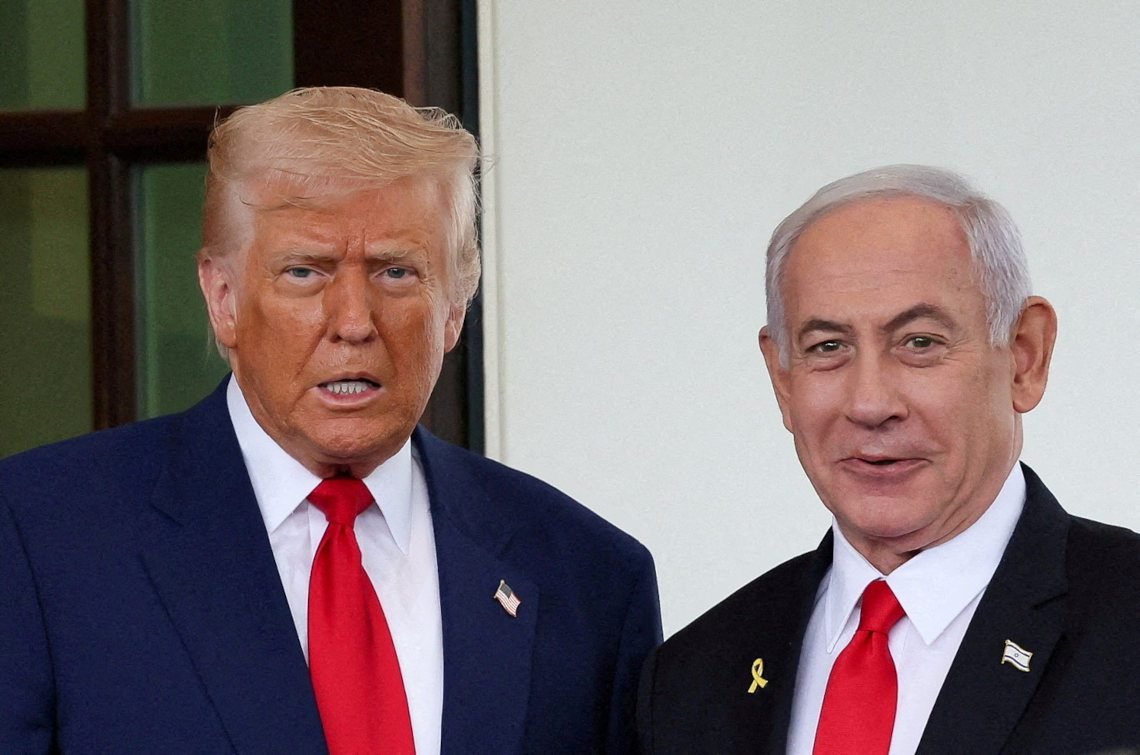
WASHINGTON: The United States is preparing what Treasury Secretary Scott Bessent described as the toughest sanctions campaign ever imposed on Iran, as Washington seeks to intensify economic pressure on Tehran while potentially reducing the need for further major military action.

The announcement came after President Donald Trump warned that countries supporting Iran could face severe economic penalties. Trump said the United States was launching an unprecedented campaign of “economic warfare and isolation” against Iran and threatened consequences for foreign governments, financial institutions and businesses that provide assistance to Tehran.

Bessent said the planned measures would target activities linked to Iran’s economy, including oil smuggling, financial transfers, exchange houses, ship registries and front companies. He indicated that maximum economic pressure could reduce the likelihood of a large-scale resumption of military operations.

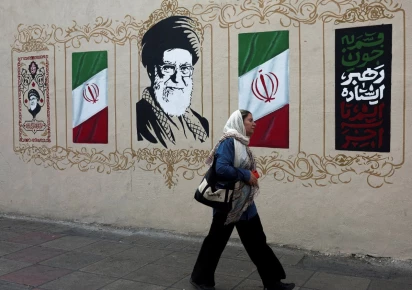
Iran strongly condemned the US strategy, accusing Washington of committing “economic terrorism” and “crimes against humanity.” Its Foreign Ministry argued that sanctions imposed on Iran have harmed the basic rights and livelihoods of ordinary citizens and said those responsible should face legal consequences.

The escalating tensions have also affected global energy markets. Oil prices climbed to their highest level in more than three weeks following Washington’s latest threats, amid concerns over disruptions to Middle Eastern oil supplies after months of conflict.

Bessent said the administration would provide further details at a press conference on Monday, describing the strategy as a combination of economic sanctions and a US blockade. The announcement signals a major escalation in Washington’s economic campaign against Tehran as both sides remain locked in a deepening confrontation.

Moreover, US President Donald Trump has announced a major new economic offensive against Iran. He described the move as the most crushing economic operation ever taken against a country.

Trump said the United States would launch an unprecedented campaign to put further economic pressure on Tehran. He also warned countries and entities that continue to support Iran that they could face severe economic consequences.

The US president said the campaign was aimed at isolating Iran and cutting off its remaining economic lifelines. He described the policy as economic warfare on an extraordinary scale.

Trump warned that any country allowing its financial institutions, businesses, airports or government bodies to provide support to Iran would also face consequences. He specifically pointed to activities such as oil smuggling, cash transfers, exchange houses, shipping networks and front companies.

However, Trump did not provide full details of the new measures. He also did not name any specific country that could be targeted for helping Iran.

The announcement marks a further escalation in Washington’s pressure campaign against Tehran. The United States has already imposed extensive sanctions on Iran and has been seeking to restrict its access to international markets, foreign currency and oil revenues.

Iran is already facing serious economic difficulties. The ongoing conflict, sanctions and disruptions to trade have placed additional pressure on the country’s economy. Reuters reported that Iran has been dealing with high inflation, a weakening currency and declining economic activity.

Trump’s latest announcement comes as efforts to resolve the conflict through negotiations remain stalled. The United States has continued to demand major concessions from Iran, while Tehran has maintained its own demands for an end to the blockade and military pressure.

The economic campaign could also affect countries and companies that maintain commercial links with Iran. Washington has previously considered measures aimed at countries involved in Iranian trade, particularly activities connected to oil and financial transactions.

The development has raised concerns about further pressure on Iran’s economy and the wider regional situation. The conflict has already disrupted trade and shipping through the Strait of Hormuz, a major route for global energy supplies.

Meanwhile, Iranian Foreign Minister Abbas Araghchi held a telephone conversation with Field Marshal Syed Asim Munir. During the call, they discussed efforts to find a political and diplomatic solution to the ongoing issues.

The contact comes as diplomatic efforts continue alongside growing economic and military pressure. Pakistan has repeatedly emphasized dialogue and diplomacy as the preferred way to address regional tensions
Similar Posts

  • |

    China, Indonesia deepen security and economic ties

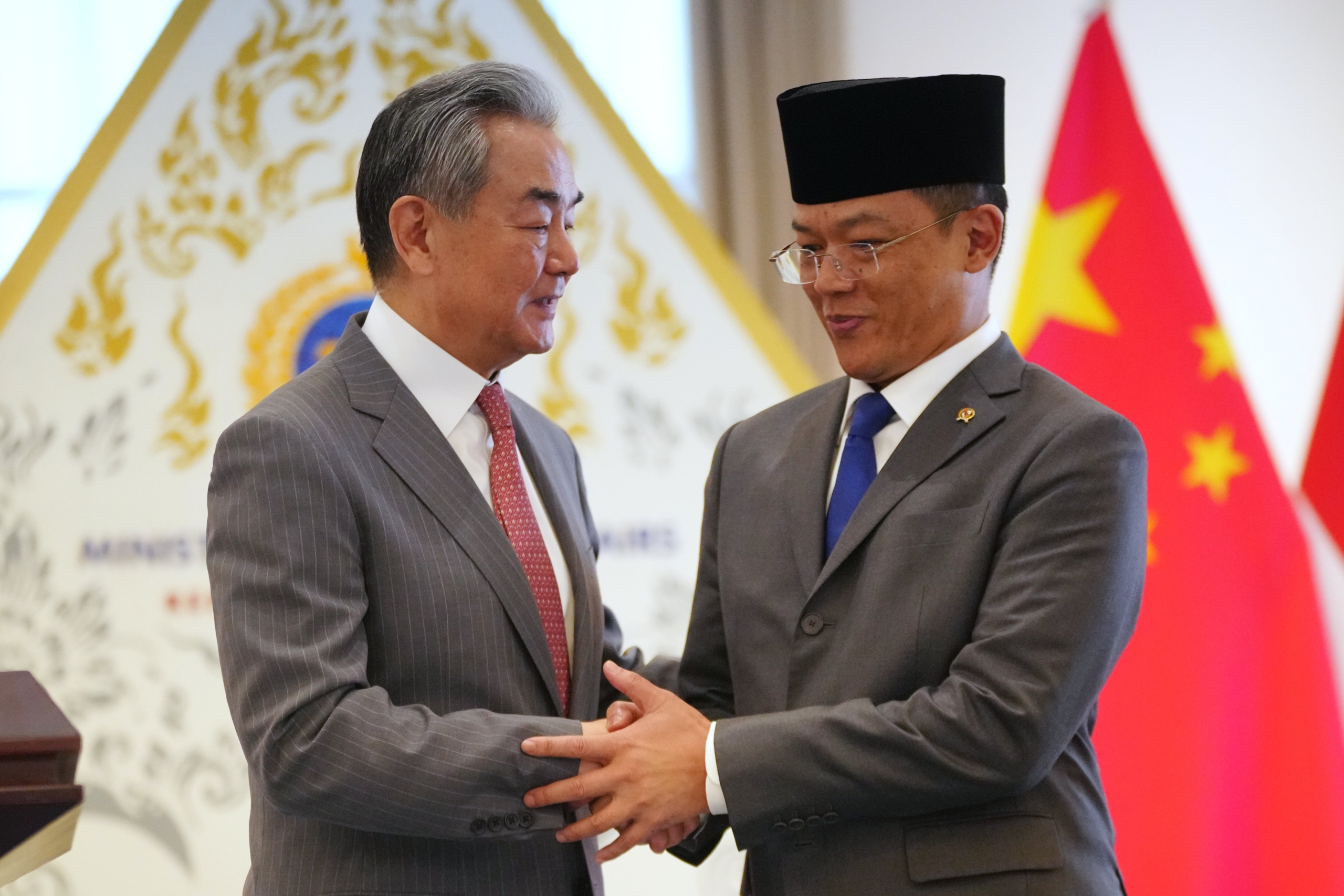
    JAKARTA: China and Indonesia opened a new round of high-level talks on Friday, with defence cooperation, regional security, political relations and trade expected to dominate discussions as Jakarta seeks to maintain strong ties with Beijing while preserving its relationship with Washington. Chinese Foreign Minister Wang Yi, visiting Jakarta for the first time in two years, met his Indonesian counterpart Sugiono before joining a “2+2” dialogue involving the two countries’ defence ministers. The talks come at a sensitive moment for Southeast Asia, where tensions in the South China Sea, competition between China and the United States and growing economic interdependence are putting pressure on regional governments to carefully balance their relationships with major powers. Wang said the new dialogue mechanism was timely as the world faced increasingly complex challenges. “Unilateralism and hegemonic acts bring serious impact on global cooperation and stability,” he said, adding that China aimed to build cooperation with Indonesia at a high level. Indonesian officials said economic issues and political relations would be among the foreign ministers’ priorities, while China said the discussions would also cover defence cooperation and international and regional affairs. Defence Cooperation Expands Chinese Defence Minister Dong Jun was welcomed with a military honour guard at Indonesia’s defence ministry, where he said the two armed forces had significant room to strengthen cooperation. “The prospects for cooperation between the two militaries are broad,” Dong said, describing the relationship as increasingly effective and higher in quality. Indonesia’s Defence Minister Sjafrie Sjamsoeddin said the countries planned to expand military activities, including joint exercises, officer exchanges and cooperation in the defence industry. He described the move as an important step in strengthening Indonesia’s defence capabilities. The discussions follow a joint naval exercise between China and Indonesia last week that drew attention because of its location east of Taiwan. Taiwan, which Beijing claims as part of China, expressed concern over the exercise. Indonesia’s navy said the activity was routine and noted that it conducts exercises not only with China but also with Japan and the United States. Defence analyst Curie Maharani said the episode highlighted how military diplomacy could serve broader strategic purposes. Indonesia, she said, had gained an important lesson about how major powers can use defence cooperation to project influence. Balancing China and Washington Jakarta’s approach reflects its long-standing “free and active” foreign policy. President Prabowo Subianto has repeatedly said Indonesia intends to remain non-aligned while maintaining friendly relations with all countries, including China and the United States. That balancing act is becoming more complicated as competition between Washington and Beijing intensifies. Indonesia also has differences with China over developments in the South China Sea. Beijing claims almost the entire disputed waterway, while Indonesia has sought to avoid becoming directly involved in broader territorial disputes between China and the Philippines, Malaysia and Vietnam. Jakarta has generally maintained a measured position, prioritising diplomacy and economic cooperation while protecting its own interests. Billions at Stake Economic ties provide another major reason for Indonesia to maintain close relations with Beijing. China contributed $3.9 billion in foreign direct investment to Indonesia during the first half of 2026, according to Indonesian figures. Chinese companies have invested heavily in industries ranging from nickel processing and steel to electric-vehicle batteries. Indonesia possesses the world’s largest nickel reserves, making it strategically important to China’s rapidly expanding electric-vehicle supply chain. Among major investors are Contemporary Amperex Technology, one of the world’s largest electric-vehicle battery makers, and Tsingshan Group, which operates nickel and steel facilities in Indonesia. However, the growing investment relationship has not been free of tension. In May, Chinese companies operating in Indonesia urged Jakarta to introduce more business-friendly policies, arguing that higher taxes and a new nickel pricing formula were increasing costs and threatening investment. The China Chamber of Commerce in Indonesia also complained of what it described as excessive regulation and enforcement, while raising allegations of corruption and extortion. The concerns underline the challenge facing both countries: expanding economic cooperation while managing disagreements over regulation, investment conditions and strategic interests. For Indonesia, Friday’s talks therefore carry significance beyond bilateral diplomacy. Jakarta is trying to strengthen its economy and defence capabilities without becoming overly dependent on either Beijing or Washington. In For China, deeper engagement with Indonesia offers an opportunity to strengthen its influence in one of Southeast Asia’s largest economies while expanding defence and economic partnerships in a strategically important region.

  • |

    Heavy rains and floods leave 14 dead, thousands displaced in Southern India

    Heavy monsoon rains continued to wreak havoc across southern India, leaving at least 14 people dead and forcing thousands of residents to flee their homes as floods and landslides caused widespread destruction in the states of Kerala and Karnataka. According to local authorities, at least 11 people have lost their lives in rain-related incidents across Kerala since the weekend. The relentless downpours have inundated low-lying areas, damaged homes and roads, and disrupted daily life across several districts. State officials said nearly 7,700 residents have been evacuated from flood-prone areas and shifted to approximately 275 relief camps established across Kerala. Emergency response teams, including disaster management personnel and local volunteers, have been working around the clock to rescue stranded residents and provide food, shelter, and medical assistance. Kerala Chief Minister V. D. Satheesan is scheduled to hold a high-level meeting with district officials on Monday to assess the flood situation and review relief and rehabilitation measures. He stated that cleanup operations have already begun in several areas where floodwaters have started to recede, while authorities continue to monitor regions still at risk. The Kerala State Disaster Management Authority has warned that several parts of the state are expected to experience moderate rainfall accompanied by strong winds, raising concerns that conditions could worsen in vulnerable locations. Residents living near rivers, hillsides, and flood-prone areas have been advised to remain alert and follow official safety instructions. The severe weather has also disrupted education across Kerala. Numerous schools remained closed due to flooding and unsafe travel conditions, while the state government postponed a scheduled teacher recruitment examination to ensure the safety of candidates and staff. Meanwhile, neighboring Karnataka has also suffered significant damage from the monsoon. Heavy rainfall triggered a landslide on Saturday that claimed the lives of three members of the same family—a couple and their son—highlighting the growing threat posed by unstable hillsides during the rainy season. Meteorological officials have warned that monsoon activity is expected to remain active over parts of southern India in the coming days. Disaster management agencies are maintaining a high level of preparedness as rescue teams continue relief efforts and authorities closely monitor rivers, reservoirs, and landslide-prone regions. The annual monsoon season frequently brings heavy rainfall to southern India, but experts say increasingly intense weather events are placing greater pressure on infrastructure, emergency services, and vulnerable communities.

  • |

    Modi says he forgives students over protest slogans

    Indian Prime Minister Narendra Modi has said he forgives students who shouted abusive slogans against him during last month’s nationwide demonstrations, describing them as “misled children” who should be guided instead of punished. Speaking in a video message, Modi said the protesters had used offensive language against him and his late mother during the demonstrations. Despite that, he said he did not want young people to face legal action or social persecution, stressing that they should be shown the “right path” rather than dragged into lengthy court proceedings. The protests emerged after controversy surrounding the National Eligibility cum Entrance Test (NEET), one of India’s largest competitive examinations. The movement gained momentum after the exam was cancelled because of a paper leak, forcing more than two million students to retake the test. What began as an online campaign for education reforms quickly developed into a nationwide protest movement, drawing thousands of students onto the streets. The demonstrations eventually ended after the Indian government accepted several key demands, including the resignation of the education minister. Authorities also announced that criminal cases against protesters would not be pursued. However, reports indicate that police in several states later registered cases against hundreds of demonstrators, particularly those accused of clashing with security personnel or participating in protests where anti-government slogans were raised. The development has sparked criticism from opposition parties and student groups, who argue that it contradicts the government’s earlier assurances. The protests were accompanied by clashes between demonstrators and security forces in several cities. In New Delhi, police used tear gas, baton charges and other crowd-control measures to stop protesters attempting to march towards parliament. Some student activists have also alleged that participants, particularly female protesters, became targets of online harassment and threats on social media following the demonstrations. Rights advocates have expressed concern over the growing hostility directed at student activists during the protest movement. The opposition has intensified pressure on the government, demanding accountability for the police response to the demonstrations. Critics have also questioned the continued registration of cases against protesters despite earlier commitments to withdraw legal action. Meanwhile, the Indian government has introduced legislation aimed at strengthening laws against examination fraud. The proposed bill seeks tougher penalties, including longer prison terms and heavier fines, for those involved in examination paper leaks.

  • | |

    Maduro set for new US court hearing in trafficking…

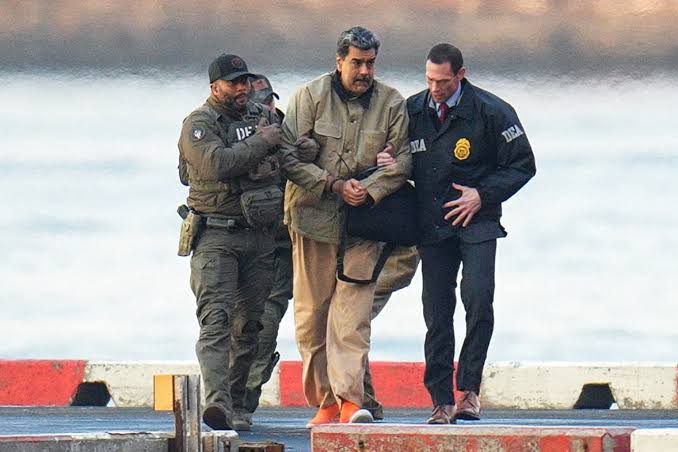
    Venezuela’s ousted President Nicolas Maduro and his wife Cilia Flores are scheduled to appear back in a US courtroom Wednesday for a hearing focused on the upcoming schedule in their drug trafficking case, including discussion of a possible trial start date in June 2027. The hearing before US District Judge Alvin Hellerstein is set to begin at noon Eastern time in Manhattan federal court and could offer insight into the next steps in what has become one of the most high profile and consequential criminal cases in recent US history. Lawyers for both sides indicated in a filing that Maduro’s first round of legal motions seeking to have the case dismissed would come due on September 2. Those motions are expected to include an argument that Maduro should be immune from prosecution based on his position as head of a sovereign state. During Maduro’s first court appearance on January 5, his defense attorney Barry Pollack suggested the defense could also challenge the indictment by arguing that Maduro’s capture may not have been carried out legally. Maduro, a socialist leader who maintained an antagonistic relationship with Washington throughout his time leading Venezuela from 2013 until his capture, referred to himself as a prisoner of war during that January appearance. He has long accused the United States of seeking to remove him from power in order to gain greater influence over Venezuela’s substantial oil reserves. The United States describes Maduro as a corrupt dictator whose economic mismanagement led to Venezuela’s economic collapse, and accuses him of rigging reelection victories in 2018 and 2024. Washington stopped recognizing him as Venezuela’s legitimate president in 2019. Ahead of the January operation that led to his capture, the Justice Department’s Office of Legal Counsel issued an advisory opinion stating that it would be lawful for Trump to authorize the operation unilaterally, arguing it served an important national interest without rising to the level of a war requiring congressional approval. According to Tuesday’s filing, lawyers for both sides said Maduro could submit a second round of legal motions by January 11, 2027, following the prosecution’s handover of any classified evidence for defense review. Maduro last appeared in court on March 26 for a hearing concerning a US government restriction that barred Venezuela’s government from covering his legal fees. That dispute was resolved about a month later, when Washington agreed to adjust its financial sanctions on Venezuela to permit the government to pay those fees. Venezuela has been governed since Maduro’s capture by his former vice president, Delcy Rodriguez, who has cultivated closer ties with the Trump administration. Washington has eased sanctions on Venezuela’s oil sector, and foreign companies have expanded oil and gas operations within the country. The US military has also provided relief assistance following two earthquakes that struck Venezuela’s coast last month, killing more than 5,000 people. The case continues to unfold against the backdrop of a broader thaw in relations between Washington and Caracas under Rodriguez’s leadership, even as Maduro’s legal team prepares to mount a defense built partly around questions of sovereign immunity and the legality of the operation that led to his capture.

  • |

    UK brain drain? 246,000 Britons leave in a year

    The number of young and skilled people leaving the United Kingdom has increased significantly in recent years, raising concerns about the country’s ability to retain its talent. However, experts have cautioned against describing the trend as a complete “brain drain,” saying many people may eventually return to the UK. Official figures show that around 246,000 British citizens left the country last year, while the number of Britons returning was considerably lower. The gap between departures and returns has continued to widen since 2022. People under the age of 35 make up a significant proportion of those leaving the UK. Rising living costs, high taxes, expensive housing and increasing education costs are among the factors encouraging young people to consider opportunities abroad. The UK’s labour market has also become a concern for young graduates. Unemployment has reached 5.2 per cent, while the number of graduate-level job opportunities has reportedly fallen by around 45 per cent. London, in particular, has become increasingly expensive for young professionals. High rents and the overall cost of living are making it difficult for many people to establish themselves financially. Research suggests that the desire among young Britons to live and work abroad is growing. According to a British Council study, 72 per cent of Britons aged 18 to 30 are considering living and working overseas either temporarily or for a longer period. Canada and Australia are emerging as popular destinations for Britons seeking better career opportunities and a lower cost of living. The trend has sparked debate over whether Britain is becoming less attractive to skilled workers. Experts, however, say migration should not automatically be viewed as a permanent loss of talent. Many young professionals move abroad to gain international experience, improve their career prospects or seek better living conditions. Some may eventually return to Britain after gaining experience overseas. The growing number of departures nevertheless presents a challenge for the UK economy. Retaining young graduates and skilled professionals is increasingly important as the country faces pressure from rising living costs and a competitive global labour market.

Leave a Reply

Your email address will not be published. Required fields are marked *