risk indiachina clash
| | |

Why is the risk of an India-China clash rising in …

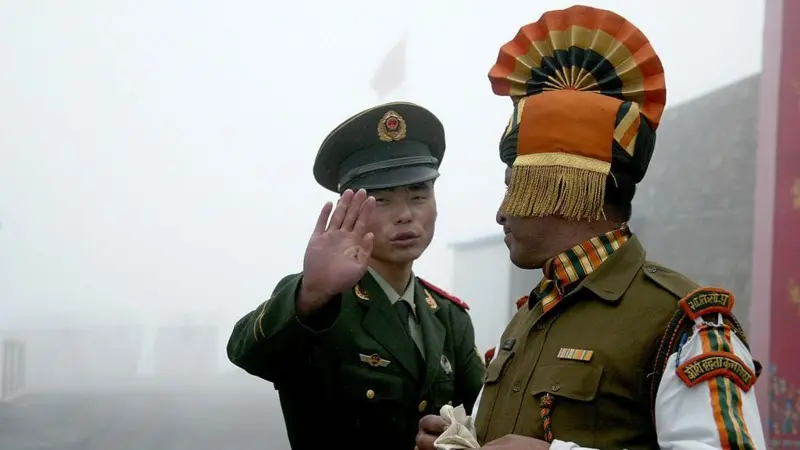
Tensions along the India-China border remain a major security concern, particularly in Arunachal Pradesh despite recent efforts by both countries to improve relations and maintain peace along their disputed frontier.

India’s National Security Adviser Ajit Kumar Doval and Chinese Foreign Minister Wang Yi recently held talks in Beijing on the long-running border dispute. The meeting marked the 25th round of discussions between the two countries special representatives on the boundary issue.

Following the talks China’s Ministry of Foreign Affairs said Wang Yi emphasized the importance of stable relations between China and India. He described the two countries as important neighbours and emerging economies arguing that improved and stable bilateral relations are in the fundamental interests of both populations.

According to the Chinese statement Wang called for a strategic and long-term approach to bilateral relations stronger communication and efforts to reduce differences. He also urged both sides to remove obstacles and promote cooperation as good neighbours and friendly partners.

Doval also struck a conciliatory tone during the discussions. According to the Chinese statement he said India and China are ancient civilizations with large populations and important economies adding that the two countries should be viewed as partners rather than rivals.

Doval reportedly said that under the guidance of the leadership of both countries India-China relations had returned to the right track. He also said overall peace had been maintained in border areas and that exchanges and cooperation in several fields were making progress.

However, the disputed border remains a sensitive issue. Arunachal Pradesh is particularly important because China claims large parts of the Indian-administered territory and refers to the region as “Zangnan” or southern Tibet. India firmly rejects China’s territorial claims and considers Arunachal Pradesh an integral part of the country.

The two sides have previously experienced serious confrontations along the Line of Actual Control making border management and military deployments highly sensitive.

During the latest talks both sides discussed advancing negotiations on boundary demarcation strengthening border management mechanisms improving procedures and expanding cross-border cooperation.

Although the latest diplomatic engagement indicates that both countries are seeking to prevent further escalation unresolved territorial claims and military activity continue to create the possibility of confrontation.

The key challenge for India and China will be to maintain dialogue while managing their competing territorial claims and preventing local disputes from developing into a broader military crisis.
Similar Posts

  • |

    Pakistan’s health system requires lasting reform

    By Raja Ashraf A country’s healthcare system is judged not only by the number of hospitals it has but also by whether people can access timely, affordable, and quality medical care. In Pakistan, public confidence in the health sector has weakened due to persistent challenges, including shortages of healthcare professionals, rising medicine prices, under-resourced hospitals, and the continued presence of unqualified medical practitioners. These issues require comprehensive and long-term reforms rather than short-term policy responses Healthcare is a fundamental right closely linked to Article 9 of Pakistan’s Constitution, which guarantees the right to life. The Supreme Court has interpreted this provision to include access to essential healthcare services. Pakistan is also a signatory to the International Covenant on Economic, Social and Cultural Rights, which commits the country to progressively ensuring the highest attainable standard of physical and mental health for its citizens. One of the most pressing concerns is the shortage of qualified doctors in rural and underserved regions. Although medical institutions produce thousands of graduates every year, many public health facilities outside major cities continue to face vacant positions. As a result, many communities struggle to obtain even basic healthcare services and are often forced to travel long distances for treatment. The migration of doctors, nurses, and other healthcare professionals to foreign countries has further weakened the healthcare system. Better salaries, improved working conditions, career opportunities, and greater security abroad encourage many skilled professionals to leave Pakistan, creating significant gaps in public hospitals and specialized medical services. The pharmaceutical sector also faces increasing challenges. Some multinational pharmaceutical companies have reduced their presence in Pakistan, raising concerns about future medicine availability and investor confidence. While local pharmaceutical manufacturers continue to meet much of the country’s demand, policymakers must create a stable regulatory and economic environment that supports both domestic production and responsible international investment. The rising cost of medicines has become another major burden for families already affected by inflation. Patients suffering from chronic illnesses such as diabetes, hypertension, and cardiovascular diseases often require lifelong treatment, making affordability a growing concern. At the same time, the continued circulation of counterfeit and substandard medicines highlights weaknesses in regulation and quality control, despite improvements in oversight by regulatory authorities. Public hospitals also frequently experience shortages of essential medicines and emergency supplies, forcing patients to purchase drugs from private pharmacies. This increases treatment costs and can delay critical medical care during emergencies. Ensuring uninterrupted medicine supplies in government hospitals should remain a national priority. Another persistent issue is the presence of unqualified medical practitioners, commonly known as quacks, particularly in areas where licensed healthcare providers are scarce. Tackling this problem requires stronger enforcement of existing laws alongside improved access to qualified medical professionals. Pakistan’s healthcare challenges extend beyond these issues to include inadequate public health funding, ageing hospital infrastructure, weak primary healthcare services, limited mental health facilities, and uneven implementation of health policies across provinces. Addressing these problems requires a comprehensive national strategy focused on increasing healthcare investment, improving working conditions for medical professionals, strengthening medicine regulation, modernizing pharmaceutical oversight, expanding preventive care, and reinforcing primary healthcare services. Investing in healthcare is not merely a public expense—it is an investment in human capital, economic growth, and national development. Pakistan possesses skilled healthcare professionals, reputable medical institutions, and a capable pharmaceutical industry. With sound policymaking, stronger governance, and sustained investment, these strengths can be transformed into a healthcare system that guarantees every citizen safe, affordable, and quality healthcare. The need for reform is no longer in question; the real challenge is ensuring that action is not delayed any further.

  • | |

    Where to stream The Devil Wears Prada 2 after its theatrical run

    Fashion fans can finally watch The Devil Wears Prada 2 from home as the highly anticipated sequel has officially arrived on streaming following a successful theatrical run. The sequel became available for streaming on July 29, roughly three months after its cinema release, giving audiences another chance to revisit the glamorous world of Runway magazine. The film is now streaming on Hulu and Disney+, where subscribers can watch the latest chapter in the beloved franchise. Directed by David Frankel and written by Aline Brosh McKenna, the sequel reunites much of the original cast, including Meryl Streep as the formidable Miranda Priestly, Anne Hathaway as Andy Sachs, Emily Blunt as Emily Charlton, and Stanley Tucci as Nigel Kipling. Set nearly two decades after the events of the 2006 blockbuster, the story follows Andy as she returns to Runway magazine, this time as the publication’s features editor, once again working under Miranda Priestly. The sequel explores how the iconic fashion magazine adapts to the rapidly changing media landscape while revisiting the complex relationships between its central characters. The film enjoyed an impressive run at the global box office before making its streaming debut. According to reports, the franchise surpassed the billion-dollar mark worldwide, making the sequel one of the year’s biggest commercial successes. For viewers who missed the theatrical release, Hulu subscribers can now stream the movie directly through the platform. The sequel is also available on Disney+, with availability depending on the subscription package in some regions. Several Disney and Hulu bundles also include access to the film. Fans looking to revisit the story from the beginning can also stream the original The Devil Wears Prada before watching the sequel. The 2006 classic remains available on Disney+, allowing audiences to follow Andy’s journey from aspiring journalist to one of Miranda Priestly’s assistants before diving into the new chapter. The sequel has also introduced several new faces alongside its returning stars, while maintaining the sharp dialogue, high-fashion settings and workplace drama that made the original film a cultural phenomenon. Critics have particularly praised the chemistry between the returning cast members and the film’s updated take on the modern fashion and publishing industries. With its digital release now underway, viewers can enjoy The Devil Wears Prada 2 from home on Hulu and Disney+, whether they’re revisiting Miranda Priestly’s world for nostalgia or experiencing the stylish sequel for the first time. The streaming launch marks the next chapter for one of Hollywood’s most iconic fashion franchises after another successful run on the big screen.

  • | |

    Lahore police bar women from stations after sunset

    Lahore Police have directed that no woman should remain at any police station after sunset, introducing a new measure that officials say is aimed at ensuring the safety and dignity of women. The directive was issued by Deputy Inspector General (DIG) Operations Muhammad Faisal Kamran during a crime review meeting with officers of the City Division. He instructed police personnel to treat women with respect and ensure that female complainants as well as women taken into custody are not kept at police stations after Maghrib. According to the directive, police officers must adopt procedures that protect women’s privacy and dignity while dealing with complaints or investigations. The decision comes in the wake of growing concerns over crimes against women and follows the arrest of a Lahore police Assistant Sub-Inspector (ASI) accused of sexually assaulting a 19-year-old woman with a mental health condition. According to police, the woman had left her home and did not return for several hours. Her family later learned from a local resident that a plain-clothes police officer had taken her away on a motorcycle. The victim later alleged that the officer took her to another location and sexually assaulted her. Following the allegations, police registered a case against the accused officer. DIG Investigation Syed Zeeshan Raza ordered an immediate and transparent investigation, directing investigators to proceed strictly on merit. The incident also led to disciplinary action within the police department, with 78 police officials reportedly suspended as authorities launched an internal review of the case. While police officials say the new directive is intended to safeguard women, some critics argue that restricting women’s presence at police stations does not address the root problem. They contend that law enforcement agencies should instead focus on ensuring police stations remain safe and accessible for women at all hours.

  • | |

    26 personnel killed: AJK police blame JAAC

    Azad Jammu and Kashmir (AJK) Police have accused the proscribed Joint Awami Action Committee (JAAC) of deliberately targeting law enforcement agencies during recent unrest in the region. AJK Police spokesperson and Senior Superintendent of Police (SSP) Riaz Mughal made the allegations during a press conference on Wednesday. He said 26 police and other law enforcement personnel had been killed in incidents of unrest across AJK during 2026. He claimed that another 157 personnel had suffered serious injuries, while 629 others sustained minor injuries. Mughal did not provide details of each incident linked to the reported casualties. He questioned how the JAAC protests could be described as peaceful if law enforcement personnel were being killed and injured. The police spokesperson said state institutions did not target people without reason. He claimed that security personnel took action against individuals who attacked law enforcement agencies. His comments came after clashes between protesters and security personnel in Rawalakot and Mirpur earlier this week. The incidents reportedly resulted in several casualties. The JAAC has been protesting for several weeks over various public demands. One of its key demands is the abolition of 12 seats in the AJK Legislative Assembly reserved for refugees from Indian-administered Kashmir. Mughal alleged that protesters had attacked police and Rangers personnel during the unrest. He also claimed that some people had been held captive and that their identity documents had been taken. The SSP urged people to visit AJK and observe the situation independently. He said the nature of the protests and the activities of those participating should be assessed impartially. Mughal further alleged that some protesters were equipped with firearms and claimed that police and other law enforcement personnel had been targeted by snipers. During the briefing, police officials displayed weapons they said had been recovered during operations against protesters. Mughal claimed the weapons had been used against law enforcement personnel. He also referred to previous clashes involving the JAAC. According to Mughal, a confrontation on May 11, 2024, occurred when police attempted to stop protesters travelling towards Muzaffarabad. He said one police officer was killed and around 60 personnel suffered serious injuries. He added that 174 other policemen sustained minor injuries. The SSP also cited unrest in October 2025. He claimed that three police officers were killed, 52 personnel suffered serious injuries and another 357 were injured in the incidents. Mughal described the protesters involved in violent incidents as anti-state elements. He alleged that some were involved in activities that amounted to terrorism. He further claimed that around 70 per cent of the protesters were criminals, including alleged drug dealers who had joined the protests under the JAAC banner. The allegations were made by the police official and were not independently verified. The police spokesperson’s remarks came amid heightened tensions in AJK following several days of protests and clashes. The government has also alleged that militant elements linked to a foreign agenda and allegedly backed by Indian funding were attempting to fuel unrest in the region.

  • |

    Communal violence kills three in Nepal

    Nepal’s Prime Minister Balendra Shah has appealed for peace and restraint after deadly clashes between Hindu and Muslim communities in the country’s southern region left three people dead and prompted authorities to impose curfews in several districts. In his first major national address since taking office in March, Shah urged citizens to remain calm and reject violence, calling on political leaders, religious groups, civil society and the media to work together to preserve national unity. “I appeal to everyone to exercise patience and help restore peace, harmony and brotherhood,” the prime minister said, while assuring the public that the government would conduct a fair and transparent investigation into the violence. The unrest began earlier this week in Sunsari district near the Indian border after a dispute reportedly erupted during a Hindu religious procession. The disagreement centered on loud music and the display of religious flags, which escalated into violent clashes between members of the Hindu and Muslim communities. Police intervened to disperse the crowds and opened fire during the confrontation. Two people were killed in the initial violence, according to officials. A third person later died during a protest in the neighbouring Siraha district despite a curfew being in force. Following the violence, authorities imposed strict curfews in Sunsari and nearby districts to prevent further unrest. Security forces have been deployed across the affected areas, while police remain on high alert to protect public property and maintain law and order. Police officials said security personnel are attempting to restore normalcy while using the minimum level of force necessary to prevent additional clashes. Authorities also warned against the spread of misinformation that could further inflame tensions. The government has pledged to identify those responsible for the violence and bring them before the courts. Officials said the investigation would be conducted impartially and that anyone found involved in the unrest would face legal action.

  • | | | |

    Iran’s supreme leader Mojtaba Khamenei names Bag…

    TEHRAN: Iran’s Supreme Leader Ayatollah Mojtaba Khamenei has reshuffled two key positions in the country’s security and political establishment, appointing Mohammad Bagher Zolghadr as his political adviser and former Islamic Revolutionary Guard Corps (IRGC) commander Mohsen Rezaei as his representative on the Supreme National Security Council (SNSC). The appointments were announced through messages attributed to Khamenei on social media on Sunday, according to reports, placing two veteran figures with extensive military and political experience in prominent roles at a sensitive moment for Tehran. In his message to Zolghadr, Khamenei cited his “valuable experience” while appointing him as a political adviser. Zolghadr has held several senior positions in Iran’s security establishment and previously served as secretary of the SNSC. The move follows Zolghadr’s departure from the council’s top administrative position. Reports said Rezaei has been appointed to replace him as secretary of the powerful security body, while also serving as Khamenei’s representative on the council. Rezaei is a veteran figure in Iran’s political and military establishment. He served as commander of the IRGC for much of the Iran-Iraq war era and has held a range of senior political positions. He has also previously run for Iran’s presidency. The latest appointments are drawing attention because the SNSC plays a central role in coordinating Iran’s defence, security and foreign-policy decisions. Although the council is formally chaired by President Masoud Pezeshkian, its work brings together senior political, military and security institutions. The timing of the reshuffle is particularly significant as Iran faces continuing pressure over regional security and negotiations surrounding the Strait of Hormuz. Recent diplomatic efforts have focused on arrangements for shipping through the strategically important waterway, making changes within Tehran’s security leadership especially closely watched. Both Zolghadr and Rezaei are associated with Iran’s security establishment and have extensive experience in military affairs. Analysts are therefore likely to watch closely for any indication that the appointments could affect Tehran’s approach to negotiations, regional security or relations with the United States. The reshuffle also strengthens the role of figures with longstanding links to the IRGC within the leadership structure. Rezaei had already served as a military adviser to Mojtaba Khamenei before taking on the latest assignment. For Zolghadr, the new position keeps him within the senior leadership circle despite his exit from the SNSC secretaryship. His experience in security and political affairs could allow him to continue playing a role in shaping policy from the Supreme Leader’s office. The appointments come at a critical time for Iran, with international attention focused on Tehran’s security posture and the future of the Strait of Hormuz. Whether the changes represent a broader adjustment in Iran’s negotiating strategy remains to be seen, but the elevation of two experienced security figures is likely to keep Tehran’s next moves under close scrutiny.

Leave a Reply

Your email address will not be published. Required fields are marked *