police personnel martyred

10 police personnel martyred in Hangu terror attack laid to rest

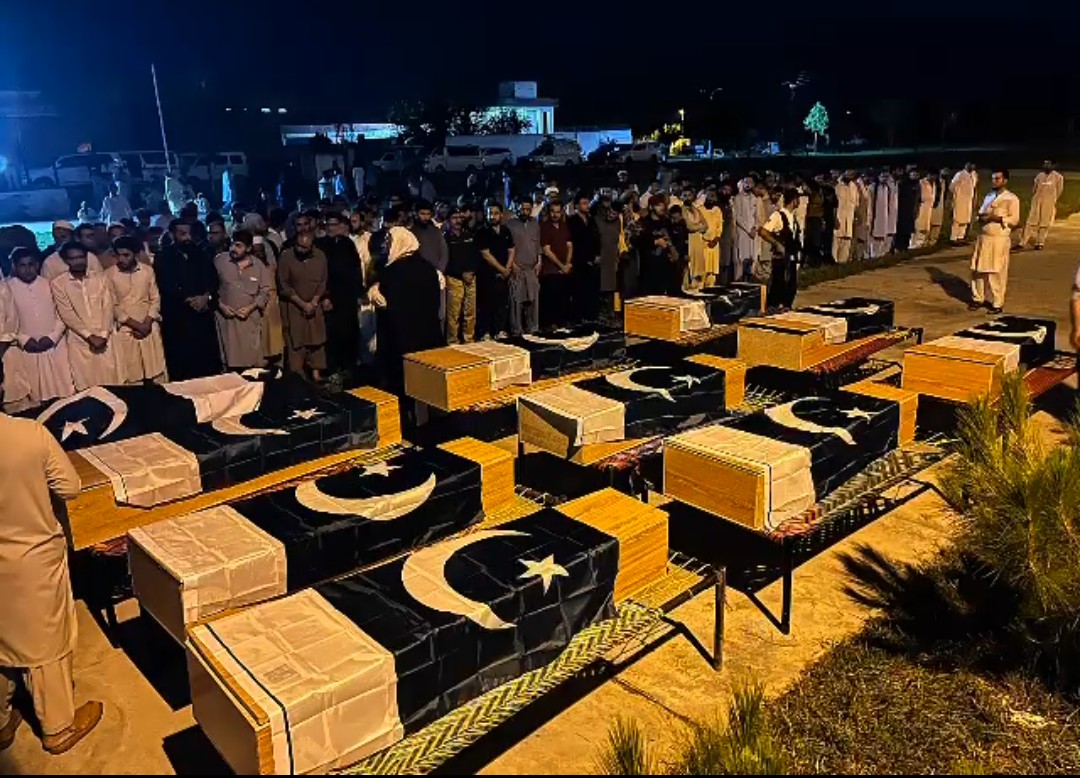
HANGU: Ten police personnel, including DSP City Diyar Khan, who embraced martyrdom in the terrorist attack on the Khazina Banda Check Post in Hangu, were laid to rest with full state honours on Wednesday. The funeral prayers were offered at the Police Lines, Hangu, where senior police officers, government officials, fellow policemen and local dignitaries paid tribute to the fallen heroes.

Commandant Police Training College Hangu, Shaukat Abbas, Deputy Commissioner Basir Ali Rehman, senior police officials and a large number of citizens attended the funeral. Floral wreaths were laid on the coffins of the martyrs in recognition of their supreme sacrifice.

After the funeral, the bodies were dispatched to their native towns for burial with full official honours.

According to police officials, terrorists belonging to the banned Fitna Al-Khawarij launched a coordinated assault on the Khazina Banda Check Post late Tuesday night. The attackers reportedly used quadcopters before laying siege to the check post. Police personnel stationed at the post resisted the assault bravely and continued fighting until the last moment.

Upon receiving information about the attack, DSP City Diyar Khan led a reinforcement party comprising personnel from the Elite Force, RRF and Al-Barq Force. However, the police convoy was ambushed near the Khazina Banda Bridge, where heavily armed militants had already taken positions. Despite the surprise attack, the police fought courageously in defence of the country.

The attack claimed the lives of 10 police personnel, including DSP Diyar Khan, while around 30 others were injured. Police officials said that during the exchange of fire, 12 to 15 terrorists were killed or wounded, and their accomplices reportedly carried the casualties towards the Zargari area.

Following the incident, police and security forces launched a large scale search operation in the area.

Funeral prayers for the martyrs were also held in their respective hometowns. Police Constable Nadeem was laid to rest in Sheikhan, while Constable Sanaullah was buried in Lachi, both with full state honours. Smartly turned out police contingents presented ceremonial salutes, and senior police officers, political leaders, social figures and hundreds of residents attended the funerals.

Similarly, the funeral prayer of martyred police constable Abdul Saeed, a resident of Lower Dir, was offered in his native village Katan Pyan. District Police Officer Lower Dir Syed Talal Ahmad Shah and other police officers attended the ceremony and paid tribute to the martyr, assuring his family that the sacrifices of police personnel would never be forgotten.

Meanwhile, Khyber Pakhtunkhwa Chief Minister Sohail Afridi paid a brief visit to Hangu and stayed at the Police Club, where he offered prayers for the departed souls of the martyrs and the early recovery of the injured personnel.

However, the Chief Minister left Hangu without visiting the injured policemen undergoing treatment in hospital. His decision not to meet the wounded officers has drawn criticism and raised questions in various circles, as several injured personnel remain admitted to hospitals following the attack.

In contrast, Additional IG Elite Force Muhammad Ali Gandapur visited the hospital to inquire about the health of the injured policemen. He was accompanied by Regional Commander Elite Hafiz Nazir and DSP CTD Imranuddin.

Inspector General of Police Zulfiqar Hameed, Chief Secretary Shahab Ali Shah, and Special Assistant to the Chief Minister Tariq Saeed Marwat also visited the hospital and met the injured officers.

Speaking to the media, IG Zulfiqar Hameed said the police fought the terrorists with exceptional courage for several hours despite facing drone attacks. He stated that 12 to 14 terrorists were killed during the operation and confirmed that all injured policemen were in stable condition and receiving the best available medical treatment.

The IG announced that recommendations would be forwarded for gallantry awards, including the Tamgha-e-Shujaat, for the martyrs and other officers who displayed extraordinary bravery during the operation. He vowed that those responsible for the attack would be brought to justice.

Chief Secretary Shahab Ali Shah praised the courage of the police force, saying their sacrifice demonstrated their unwavering commitment to protecting the people despite grave danger. He also appreciated the district administration and hospital management for ensuring timely medical treatment for the injured.

Special Assistant Tariq Saeed Marwat reaffirmed the provincial government’s commitment to supporting the police force financially and administratively. He said the nature of terrorism had evolved with the use of drones, adding that the government was working to equip the police with anti drone technology and other modern capabilities to effectively counter emerging security threats.
Similar Posts

  • Senate seeks PM intervention over Khairpur Dates Research Centre

    Islamabad: A major agriculture research project aimed at improving Pakistan’s date production has faced a setback after the proposed Dates Research Centre in Khairpur was excluded from the Public Sector Development Programme 2026 and 2027, prompting the National Assembly Standing Committee on National Food Security and Research to demand immediate reconsideration of the decision. The committee expressed concern that a project designed to improve date farming, develop disease-resistant varieties, increase exports and support farmers was left out due to financial limitations. The matter was discussed during the 29th meeting of the National Assembly Standing Committee on National Food Security and Research, chaired by Syed Hussain Tariq, MNA, at Parliament House Islamabad. Officials informed the committee that the joint project of the Pakistan Agricultural Research Council and Shah Abdul Latif University Khairpur for establishing the Dates Research Centre could not be included in the PSDP 2026 and 2027 because of limited financial resources. The Ministry of Planning, Development and Special Initiatives informed the committee that the Ministry of National Food Security and Research had prioritized only three new development schemes for inclusion in the national development programme, leaving several important projects outside the plan. The committee strongly disagreed with the decision and highlighted the importance of the dates sector for Pakistan’s agriculture and economy. Members noted that Pakistan is among the leading date producers, and a dedicated research centre could help farmers increase production, fight crop diseases, improve quality, develop new varieties and boost the country’s share in international markets. The committee directed the Ministry of National Food Security and Research to formally approach the Ministry of Planning and request a review of the decision. The committee also decided to seek a meeting with the Prime Minister to discuss establishing the Dates Research Centre through cooperation between the Pakistan Agricultural Research Council and Shah Abdul Latif University Khairpur. During the proposed meeting with the Prime Minister, the committee also plans to discuss other major agriculture challenges including wheat imports, setting a fair minimum support price for wheat, providing DAP fertilizer subsidies similar to regional countries and investigating reasons behind wheat shortages despite earlier reports of surplus stocks. The committee said agricultural development requires long term planning and research facilities to support farmers and improve food security. The meeting also reviewed concerns regarding artificial sweeteners and flavored drinks, especially their possible health effects on children, pregnant women and breastfeeding mothers. Officials informed the committee that earlier recommendations were made after findings from the National Institutes of Health highlighted possible health risks linked with excessive consumption of such products. The committee was informed that frequent consumption of artificial sweeteners and flavoured drinks may contribute to health problems, including an increased risk of diabetes and other serious diseases. The committee expressed dissatisfaction over delays in implementing earlier recommendations and directed the Pakistan Standards and Quality Control Authority to urgently review existing regulations. PSQCA was directed to hold a meeting in Islamabad involving committee members, health officials, NIH representatives, mango growers and other stakeholders. The committee instructed that revised standards should include clear product labels, prevention of misleading claims, visible health warnings, proper expiry date information, suitable fruit pulp requirements and regulations for plastic bottle usage. The National Institutes of Health was also directed to provide scientific evidence regarding health impacts and international guidelines to help improve the regulatory framework.

  • | | |

    Pakistan to reopen all border, transit routes with…

    A decision has been taken to reopen all border crossings and transit routes between Pakistan and Afghanistan, following a meeting chaired by Federal Interior Minister Mohsin Naqvi with senior officials and representatives of the business community. The meeting discussed measures to remove obstacles affecting bilateral trade and facilitate the movement of goods between the two countries. Participants also stressed the need to restore normal economic ties and improve trade relations between Pakistan and Afghanistan. The meeting further focused on making legal travel between the two countries easier and more convenient for their citizens. Officials and business representatives agreed that reopening the routes would help address difficulties faced by traders and support economic activity on both sides of the border. The government also emphasised the importance of reducing unnecessary hurdles in trade and movement while ensuring that legal procedures remain in place.

  • | | |

    Pakistan needs hard governance to defeat terror: D…

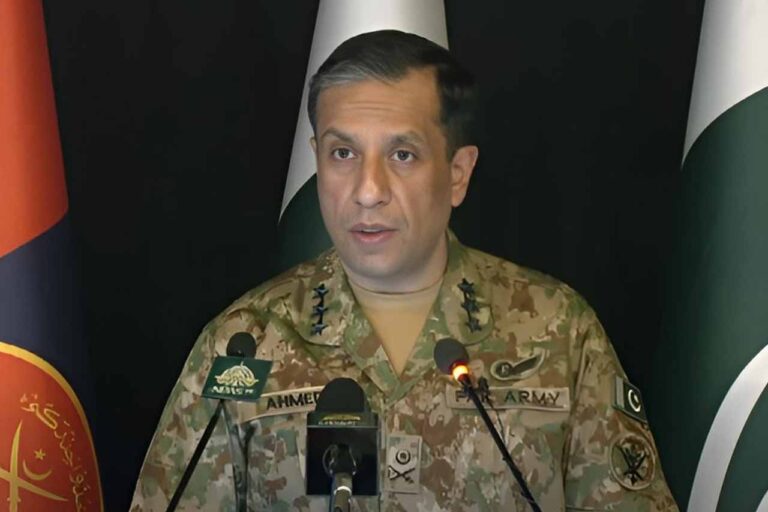
    Director General of Inter-Services Public Relations (ISPR) Lieutenant General Ahmed Sharif Chaudhry has said Pakistan must become a “hard state” where the Constitution and law are applied equally to everyone, stressing that strong governance is essential to defeating terrorism and ensuring lasting peace. He rejected claims that the security situation in Balochistan is worsening, calling them part of a deliberate campaign to create a false perception about the province. Addressing a detailed press conference on Friday, the military spokesperson said Pakistan’s security forces continue to make significant gains against terrorism through sustained intelligence-based operations across the country. Lt Gen Chaudhry said a total of 40,348 intelligence-based operations (IBOs) have been carried out so far this year by the armed forces, police, intelligence agencies and civil armed forces. More than 31,000 of these operations were conducted in Balochistan, reflecting the state’s continued focus on restoring peace in the province. He said Pakistan recorded 3,145 terrorism-related incidents during 2026. Of these, 1,971 incidents occurred in Khyber Pakhtunkhwa, 1,148 in Balochistan and 26 in other parts of the country. The ISPR chief said security forces killed 2,084 confirmed terrorists during operations this year, describing it as the highest average in the country’s history. On average, around 10 terrorists have been eliminated every day, while nearly 200 intelligence-based operations are conducted daily. Highlighting the sacrifices made in the fight against terrorism, Lt Gen Chaudhry said 819 Pakistanis lost their lives in terrorism-related incidents this year. The victims included 303 military personnel, 194 members of police and civil armed forces, and 322 civilians. He also revealed that 28 suicide attacks had taken place across the country during the year. According to him, most of these attacks involved Afghan nationals or individuals linked to groups operating from Afghan territory. The military spokesperson said the rise in terrorist attacks should not be viewed as a sign of weakness. Instead, he argued that militant groups have intensified attacks because of increasing pressure from proactive security operations and repeated battlefield setbacks. Lt Gen Chaudhry also accused the Afghan Taliban administration of allowing terrorist groups to operate from Afghan soil, claiming cross-border support remains a major factor behind terrorism inside Pakistan. Explaining his vision of a “hard state,” he said it does not mean military rule. Rather, it refers to a country where institutions function according to the Constitution, laws are enforced fairly, and no individual or group stands above the law. Referring to Article 5 of Pakistan’s Constitution, he said loyalty to the state and obedience to the Constitution are fundamental duties of every citizen. He added that discussions about rights must also include recognition of civic responsibilities. Speaking specifically about Balochistan, Lt Gen Chaudhry said the province’s real challenge lies with certain elites and tribal leaders who seek to preserve the existing power structure. He alleged that some influential groups oppose educational and economic progress because they fear losing their traditional influence. He further claimed that some individuals benefit from illegal activities, including smuggling and other criminal networks, and promote unrest whenever the state strengthens law enforcement or cracks down on such activities. The military spokesperson reiterated that Pakistan would not negotiate with terrorist groups or those using violence for political purposes. Instead, he said the armed forces would continue engaging directly with the people of Balochistan, whom he described as the province’s true stakeholders. Lt Gen Chaudhry also alleged that hostile foreign powers are attempting to exploit Balochistan’s strategic location and natural resources by supporting anti-state elements in collaboration with local actors opposed to reforms and development. Discussing the issue of missing persons, he said the Commission of Inquiry on Enforced Disappearances has received 10,901 complaints since its establishment. Of these, 9,372 cases have been resolved, with 4,896 individuals returning home, around 1,030 found in prisons, 308 confirmed dead, and nearly 2,400 complaints determined to be incorrectly reported. He added that 2,933 complaints originated from Balochistan, of which 2,767 have already been resolved.

  • | | |

    Global oil prices drop 12% in three days, Pakistan…

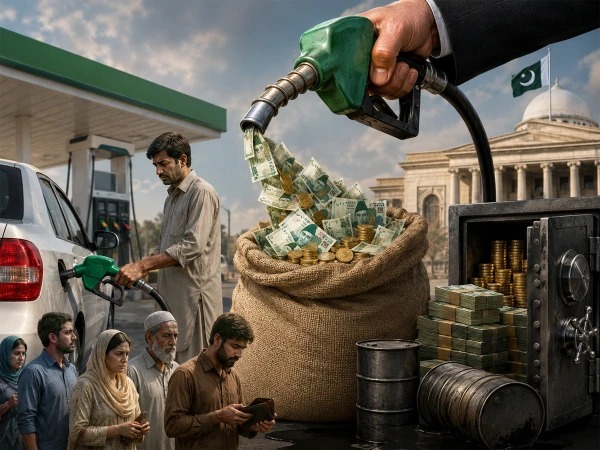
    Pakistani consumers have yet to benefit from a sharp decline in global oil prices, despite international petroleum markets recording a fall of up to 12% over the past three days. The continued high fuel prices have added to the financial burden on households already struggling with rising inflation. Over the last 12 days, fuel prices in Pakistan have increased significantly, with diesel becoming Rs. 65.08 per litre more expensive and petrol rising by Rs. 25.10 per litre. The increases followed the federal government’s decision on July 17 to introduce a daily fuel price adjustment mechanism in line with international market trends. On July 17, petrol was priced at Rs. 310.71 per litre, while high-speed diesel was available at Rs. 323.30 per litre. As of July 29, petrol is being sold at Rs. 335.81 per litre, whereas diesel has climbed to Rs. 388.38 per litre, marking one of the steepest short-term increases in recent years. Although consumers witnessed two minor reductions in petrol prices during this period, the relief was limited. Petrol prices were cut by Rs. 0.35 per litre on July 21 and by Rs. 1.00 per litre on July 27. Diesel prices, however, have not been reduced since the daily pricing mechanism came into effect. International oil markets experienced a sustained upward trend after July 17, contributing to higher domestic fuel prices. However, between July 25 and July 28, global petroleum prices fell sharply, with reports indicating a decline of approximately 12% across major international benchmarks. Despite this significant drop in global prices, Pakistani consumers have not yet received any corresponding reduction at the pump. The absence of immediate relief has sparked concerns among motorists and businesses, particularly those heavily dependent on transportation and logistics, where fuel costs directly affect operating expenses. Economists note that lower international oil prices, if sustained, could create room for a reduction in domestic fuel prices in the coming days. Any adjustment, however, will depend on several factors, including exchange rate movements, government taxes and levies, freight costs, and the pricing formula adopted by the authorities. With inflation continuing to squeeze household budgets, many consumers are hoping the recent decline in global oil prices will soon translate into lower petrol and diesel prices in Pakistan, easing transportation costs and reducing pressure on the overall cost of living.

  • | |

    Dallas conference backs UN-led Kashmir settlement

    DALLAS: A conference in Dallas, Texas, has called for a peaceful and lasting settlement of the Kashmir dispute in accordance with relevant United Nations resolutions. The conference was organised by Friends of Kashmir to mark the anniversary of India’s 2019 decision to revoke the special constitutional status of Jammu and Kashmir. Members of the Pakistani and Kashmiri diaspora, community leaders and representatives of Sikhs for Justice attended the event. Pakistan’s Consul General in Houston, Aftab Chaudhry, was the chief guest. Friends of Kashmir International Chairperson Ghazala Habib presided over the gathering. Speakers expressed solidarity with the people of Indian Illegally Occupied Jammu and Kashmir (IIOJK). They also voiced concerns about the situation in the region following the revocation of Article 370 and Article 35A. Addressing the participants, Chaudhry said Pakistan would continue providing diplomatic, political and moral support to the Kashmiri people. He said India’s decision to revoke the region’s special status had added further complexity to the long-running Kashmir dispute. Ghazala Habib urged the international community to pay greater attention to the concerns and rights of Kashmiris. She also highlighted cooperation between Kashmiri and Sikh communities in raising issues related to justice and human rights. Other speakers, including Aftab Siddiqui, Syed Fayaz Hasan, Ghulam Jahangra and Dr Fareeha Qazi, called for stronger international efforts to address the Kashmir dispute through peaceful means. Gurvinder Singh, who represented the Sikh community, stressed the importance of involving younger generations in campaigns focused on justice and human rights. At the conclusion of the conference, participants adopted a resolution calling for an internationally supported and peaceful settlement of the Kashmir issue in line with relevant UN resolutions. The resolution also urged the international community to help protect the fundamental rights of the Kashmiri people and maintain attention on the disputed region.

  • | |

    Maryam Nawaz, Xinjiang leader discuss stronger Pun…

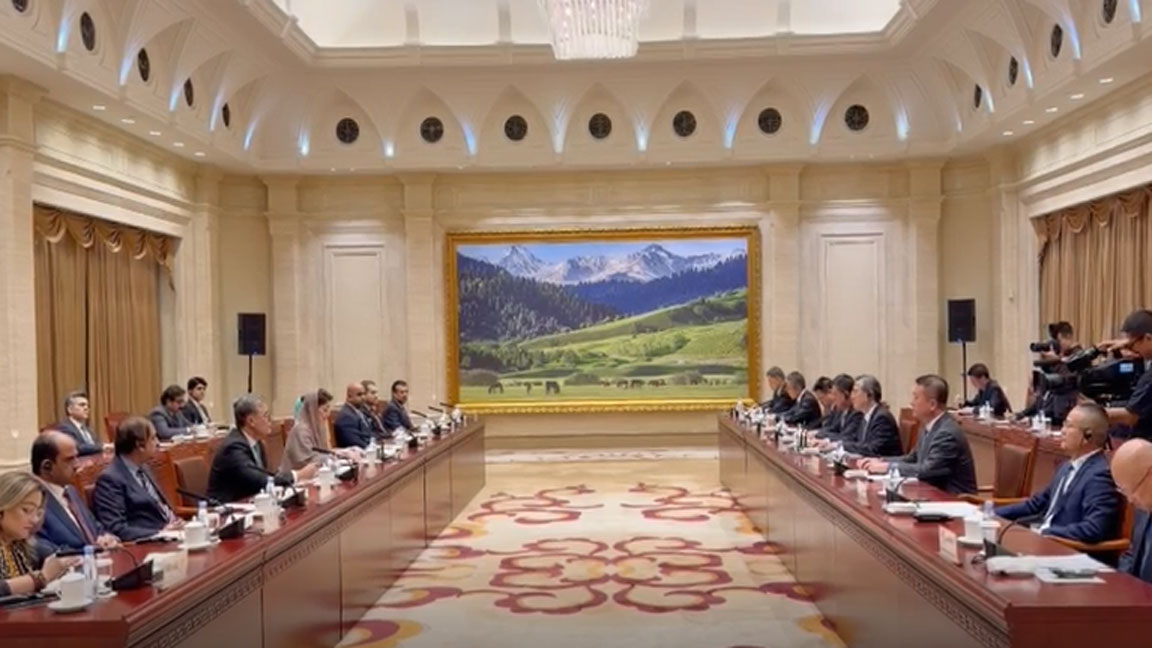
    LAHORE: Punjab Chief Minister Maryam Nawaz Sharif and Secretary of the Communist Party of China’s Xinjiang Uygur Autonomous Regional Committee He Zhongyou held a meeting in Urumqi and discussed ways to expand cooperation between Punjab and Xinjiang. The meeting focused on strengthening economic relations and developing greater collaboration in areas of mutual interest. During the meeting, Maryam Nawaz highlighted Punjab’s importance to Pakistan’s economy and agriculture. She said Punjab has the distinction of being the country’s “food basket” because of its major contribution to national food production. The chief minister said Punjab was keen to benefit from China’s experience, technology and expertise, particularly in sectors linked to agriculture and economic development. She proposed launching pilot projects in different parts of Punjab in cooperation with Chinese partners. According to the chief minister, such initiatives could help introduce modern practices and technologies while providing practical models that could later be expanded across the province. The discussions also covered opportunities for closer economic cooperation between Punjab and Xinjiang. Both sides expressed interest in strengthening institutional links and expanding collaboration in areas that can contribute to development and economic growth. Maryam Nawaz said cooperation with China could help Punjab improve productivity and make better use of modern technology. She also stressed the importance of developing partnerships that produce practical benefits for people and businesses. The meeting is part of Maryam Nawaz’s official visit to China, during which Punjab is seeking to strengthen ties with Chinese institutions and explore new areas of cooperation. Xinjiang’s experience in agriculture, infrastructure, water management and modernisation could provide opportunities for Punjab to develop joint projects and exchange expertise. The two sides also discussed the importance of maintaining regular engagement between Punjab and Xinjiang. Greater exchanges between officials, experts and business representatives could facilitate the transfer of knowledge and encourage new investment opportunities.

Leave a Reply

Your email address will not be published. Required fields are marked *