cancer medicines declared
| | |

9 cancer medicines declared fake and illegal after…

A major health alert has emerged in Karachi after the Sindh Drug Testing Laboratory declared nine medicines used for cancer treatment as substandard, fake, and unregistered. Authorities have started action against the responsible parties following the laboratory findings.

Director Sindh Drug Testing Laboratory Syed Adnan Rizvi said that the investigation was launched after receiving laboratory reports, and relevant institutions have begun taking action based on the results.

According to Rizvi, some of the cancer medicines tested did not contain the required active ingredients needed for treatment, while others did not have a valid registration number from the Drug Regulatory Authority of Pakistan (DRAP).

He warned that the availability of counterfeit and low-quality cancer medicines poses a serious threat to patients because ineffective treatment can allow the disease to progress and reduce the chances of recovery.

The official also raised concerns about prescription practices, stating that some oncologists mention the names of specific pharmacies on prescriptions, which may force patients to purchase medicines only from those outlets. He emphasized the need for transparency and strict monitoring throughout the medicine supply chain.

Cancer medicines are highly sensitive and require accurate composition and quality standards because patients depend on them for life-saving treatment. Experts have repeatedly stressed that fake or substandard drugs can cause severe health consequences, especially for people undergoing critical therapies.

The Sindh Drug Testing Laboratory findings have increased concerns about medicine regulation and quality control in the healthcare sector. Authorities are expected to investigate the source of the suspected medicines, identify those involved in their distribution, and take legal action where necessary.

The incident highlights the importance of purchasing medicines only from authorized pharmacies and ensuring that drugs carry proper registration details and quality certifications. Health officials have urged patients and healthcare providers to remain cautious and report any suspicious medicines to relevant authorities.

Drug safety remains a major challenge in many healthcare systems, and officials say stronger monitoring, improved enforcement, and public awareness are essential to prevent the circulation of counterfeit medicines.

Further details about the investigation and action against those responsible are expected as authorities continue their review of the case.

Similar Posts

  • | |

    Thailand Celebrates the Birthday of His Royal Majesty King Maha Vajiralongkorn

    Today, July 28th, 2026, the Kingdom of Thailand marks the birthday of His Royal Majesty King Maha Vajiralongkorn Phra Vajiraklaochaoyuhua, the tenth monarch of the Chakri Dynasty. Born on this day in 1952, His Royal Majesty has served as King since 2016, following in the footsteps of his late father, King Bhumibol Adulyadej the Great. […]

  • | | | |

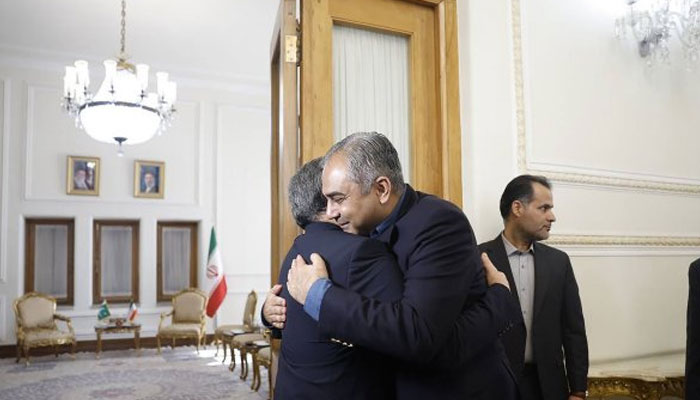
    Mohsin Naqvi begins official visit to Iran

      Federal Interior Minister Mohsin Naqvi has arrived in Iran on an official visit, where he is set to hold meetings with senior Iranian officials, according to Iranian media reports. Naqvi’s visit is expected to focus on strengthening relations between Pakistan and Iran and improving coordination on issues of mutual interest. During his stay, the interior minister will meet high-ranking Iranian officials and exchange views on matters concerning the two neighbouring countries. The visit comes amid continued diplomatic engagement between Islamabad and Tehran, with both sides seeking to enhance cooperation and maintain regular contact at the leadership and ministerial levels. Discussions during Naqvi’s meetings are likely to cover bilateral relations as well as regional developments that have implications for both Pakistan and Iran. The two countries share a long border and have close historical, cultural and economic ties, making regular coordination between their governments important. Pakistan and Iran have also been working to improve cooperation on border management and other issues affecting communities along their shared frontier. High-level visits and official meetings provide an opportunity for both sides to review progress, address outstanding concerns and explore new areas of cooperation. Iranian media said Naqvi will meet senior officials during his visit, although further details about his schedule and the specific issues to be discussed were not immediately disclosed. The minister’s visit is part of Pakistan’s broader efforts to maintain engagement with neighbouring countries and strengthen bilateral ties through diplomatic and official channels. His meetings in Tehran are expected to contribute to continued dialogue between the two countries and provide a platform for discussing matters of shared concern.

  • |

    Parliamentary inquiry finds UK Ministry of Defence Afghan data breach was a foreseeable failure

    A parliamentary inquiry by the UK House of Commons Defence Committee has concluded that a major data breach by the British Ministry of Defence was a foreseeable systemic failure rather than an isolated mistake. The leak exposed the personal details of over 18,500 Afghan applicants fleeing the Taliban. It occurred when a staff member at the UK Special Forces headquarters in England emailed an unencrypted Microsoft Excel spreadsheet containing the entire applicant database to a third party. The compromised individuals had applied for the UK’s Afghan Relocations and Assistance Policy after working alongside British forces during the war in Afghanistan. The committee’s report severely criticised the UK Ministry of Defence’s operational competence, stating that the British military department lacked the expertise to manage immigration casework and relied on a continuing cultural failure of using basic spreadsheet tools for sensitive data. Defence Committee Chairman Tan Dhesi condemned the UK Ministry of Defence for using operational secrecy as a “shield against proper accountability”, highlighting that a UK court-issued super-injunction barred the public and British parliamentarians from knowing about the breach between August 2023 and July 2025. The inquiry also highlighted administrative flaws in how former Afghan commandos were evaluated for UK resettlement. Internal records revealed a British Special Forces officer systematically rejected 1,585 applications from Afghan commandos in 2023 without approving a single case. Following a UK government review, 884 of those rejections were overturned. With former Afghan commandos remaining in hiding from Taliban reprisals, the parliamentary committee urged the British government to fulfill its responsibility to expedite the safe relocation of affected families to the UK.

  • | |

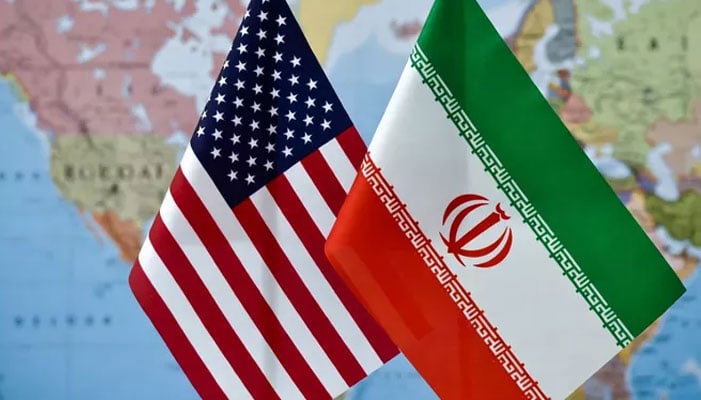
    Iran rejects 60-day deadline for talks with US

    The 60-day deadline set under the memorandum of understanding between the United States and Iran for negotiations has expired. Iran has rejected the existence of any such deadline, saying the memorandum did not include a condition requiring Tehran to conclude negotiations within 60 days. Iranian Foreign Ministry spokesman Esmail Baghaei said Iran does not make decisions under pressure from deadlines or ultimatums. Baghaei said the 60-day period mentioned in the Islamabad memorandum was related to negotiations on lifting sanctions and resolving the nuclear issue. He further said talks did not even begin because the United States violated the memorandum. The Iranian spokesman also said Pakistan and Qatar were continuing efforts to reduce tensions between Iran and the United States. He said there were no other mediators involved in the process. Baghaei blamed what he described as illegal US actions for insecurity in the Strait of Hormuz. He added that Iran was working with Oman on mechanisms to ensure safe navigation and shipping through the strategic waterway. The remarks come as tensions between Tehran and Washington remain high, with diplomatic efforts continuing to prevent further escalation in the region.

  • |

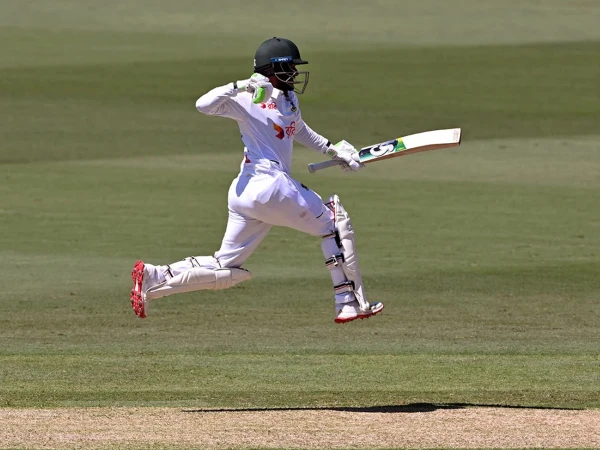
    Tanzid Hasan hits century as Bangladesh dominate Australia

    Bangladesh strengthened their grip on the Darwin Test against Australia on Friday as opener Tanzid Hasan produced a memorable maiden Test century to put the visitors in a commanding position after the second day. Bangladesh finished the day on 351 for six, securing a valuable 153-run lead and leaving Australia facing an uphill battle in the opening Test. The biggest highlight was Tanzid, who marked only his second Test appearance with a composed century. The young opener spent nearly five hours at the crease, facing 197 deliveries and striking eight boundaries and one six on his way to three figures. His innings provided Bangladesh with the foundation they needed against a strong Australian attack. Tanzid first combined with Mominul Haque to build a 102-run partnership for the second wicket. He then continued Bangladesh’s progress alongside captain Najmul Hossain Shanto, with the pair adding another 93 runs. Shanto played a valuable supporting role before falling for 84, but Bangladesh refused to surrender their advantage despite Australia finding some success with the new ball. Australia managed to take three quick wickets with the second new ball, raising hopes of a late collapse. However, Mehidy Hasan Miraz and Hasan Mahmud responded with disciplined batting to frustrate the hosts. The pair remained unbeaten at the close, putting together an important 43-run partnership for the seventh wicket and ensuring Bangladesh ended the day firmly in control. For Australia, Josh Hazlewood, Mitchell Starc and Pat Cummins claimed one wicket each, but their efforts were not enough to prevent Bangladesh from establishing a substantial advantage. Tanzid’s century was particularly significant given his limited Test experience. Having played only his second match in the format, he showed patience and maturity against one of the world’s most respected bowling attacks. With Bangladesh already 153 runs ahead and four wickets still in hand, Australia face a crucial third day in Darwin. The hosts will need early breakthroughs to prevent Bangladesh from turning their advantage into a potentially decisive position.

  • | |

    New provinces needed to improve governance: speake…

    Speakers at a seminar on the creation of new provinces in Pakistan have said that establishing new administrative units could directly benefit the public. The seminar was organised by the Sustainable Development Policy Institute (SDPI) in Islamabad. MQM leader Mustafa Kamal, PPP leader Qamar Zaman Kaira and PTI Secretary General Salman Akram Raja addressed the gathering. The speakers described the creation of new provinces as necessary to address public problems. They also stressed the need for a strong and empowered local government system. The participants said Pakistan needs new administrative units to improve governance and ensure that resources are distributed at the grassroots level. Mustafa Kamal said the existing system had failed to ensure effective accountability of governments. He added that even if new provinces were created, a strong local government system would remain necessary. PPP leader Qamar Zaman Kaira suggested that the debate over creating new provinces should take place within the constitutional framework. He also called for strengthening the local government system. PTI Secretary General Salman Akram Raja said that even after the creation of new provinces, some provinces would still have populations running into millions. The speakers agreed that administrative reforms were necessary to improve governance and ensure a more effective distribution of resources among the people.

Leave a Reply

Your email address will not be published. Required fields are marked *