punjab introduces new
| | |

Punjab introduces new vehicle scrapping law for un…

The Punjab government has introduced a new law for vehicle scrapping, allowing unusable and damaged vehicles to be legally disposed of through registered scrapping facilities. The move aims to regulate the disposal of old vehicles and remove unfit vehicles from roads across the province.

According to reports, Punjab Governor Saleem Haider issued the Motor Vehicles Amendment Ordinance, which provides a legal framework for scrapping vehicles that are no longer fit for use.

Under the new ordinance, vehicles without valid fitness certificates may also be sent for scrapping. The law includes vehicles that have been severely damaged in accidents or destroyed by fire and are considered beyond repair.

The new regulations allow vehicle owners to voluntarily apply for scrapping if they no longer want to keep their vehicles. However, the process must only be completed through officially registered vehicle scrapping facilities to ensure proper disposal and prevent misuse.

Officials believe the new system will help improve road safety by reducing the number of unsafe vehicles operating on roads. Old and poorly maintained vehicles can contribute to accidents, environmental pollution, and increased risks for drivers and passengers.

The ordinance also introduces a more organized approach to vehicle disposal, ensuring that scrapped vehicles are handled through approved channels rather than informal methods. Registered scrapping facilities will be responsible for carrying out the process according to legal requirements.

Transport experts have welcomed measures aimed at removing dangerous vehicles from circulation, saying that proper vehicle inspection and disposal systems are essential for safer roads and better environmental management.

The implementation of the new law is expected to impact owners of old, damaged, and unfit vehicles across Punjab. Vehicle owners will now have a legal option to dispose of vehicles that are no longer economically repairable or safe to operate.

The government is expected to issue further guidelines regarding the registration of scrapping facilities and the detailed procedure for vehicle owners in the coming days.

The new vehicle scrapping ordinance represents a significant change in Punjab’s transport regulations, with authorities focusing on road safety, environmental protection, and better management of end-of-life vehicles.

Similar Posts

  • |

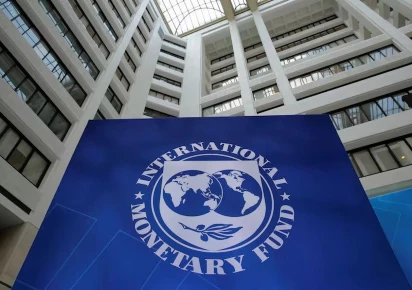
    IMF-backed move to End EPZ local sales Quota sparks concerns over textile recycling, jobs

    KARACHI: A proposed move to withdraw the permission allowing factories operating in Pakistan’s Export Processing Zones (EPZs) to sell up to 20% of their output in the domestic market has triggered concerns among exporters, investors and international textile-recycling organisations, who fear the policy could disrupt investment, employment and a wider global circular-economy supply chain. The controversy has emerged after Pakistan committed to the International Monetary Fund (IMF) that it would amend the existing rules governing EPZs and prohibit sales from these zones into the domestic tariff area. According to the IMF’s latest programme review, Pakistan has committed to introduce amendments aimed at ending domestic sales by EPZ-based manufacturers. The report states that the amendments were to be placed before the federal cabinet for approval by September 2026. However, exporters and industry representatives have challenged the move, arguing that the existing 80:20 arrangement was part of the investment and regulatory framework under which many businesses established operations in the zones. Under the existing system, EPZ manufacturers can export 80% of their production while selling up to 20% in Pakistan after payment of applicable duties and taxes. Industry stakeholders say the domestic-sale provision is particularly important for products that have limited commercial demand in overseas markets. The proposed abolition has also attracted attention in the United States because American companies supply raw materials and used textiles to Pakistani businesses operating in the EPZs. The US-based Secondary Materials and Recycled Textiles Association (SMART) has approached IMF Mission Chief to Pakistan Iva Petrova, warning that eliminating the domestic-sales provision could have consequences extending beyond Pakistan’s industrial sector. The association has argued that Pakistan occupies an important position in the global textile circular economy, particularly in the sorting, grading, reuse and recycling of used textiles collected in North America and Europe. According to SMART, used clothing and textile materials collected in the United States, Canada and European countries are sent to Pakistan, where they are sorted and graded before being channelled into reuse, recycling, manufacturing and affordable consumer markets. The association has warned that ending the 80:20 mechanism could reduce demand for recovered textiles and place downward pressure on their prices. Such a development, it said, could weaken textile-collection programmes in North America and reduce the income generated by charitable organisations from donated clothing. Organisations including Goodwill, the Salvation Army and St Vincent de Paul depend partly on revenues generated from donated goods to finance a range of social programmes, including workforce training, employment assistance, food support, recovery services, youth programmes and housing assistance. SMART has therefore cautioned that a major disruption in Pakistan’s used-textile market could have financial consequences for charitable organisations in North America, with potential losses running into tens of millions of dollars. The association also warned that reduced demand for used textiles could ultimately result in a greater volume of reusable material being sent to landfills or incinerators rather than being recycled or reused. US exporters raise objections US exporters have also expressed concern over the proposed withdrawal of the 20% domestic-sale allowance. Their concerns are significant because American suppliers form part of the upstream supply chain that feeds Pakistani recycling and manufacturing units located in EPZs. Abid Iqbal, representing Nashmia Industries, said during Express News programme The Review that US exporters had communicated their concerns to Pakistani counterparts. According to Iqbal, US exporters had also been told informally that the IMF itself had not initiated the proposal to remove the 20% quota. The development has consequently raised questions within the industry about how the condition was incorporated into Pakistan’s commitments under the IMF programme and whether sufficient consultation took place with affected stakeholders. Industry representatives have also warned of possible legal and contractual disputes, maintaining that the 20% domestic-sales provision was part of the regulatory and investment framework under which businesses made their investment decisions. They argue that companies entered the zones with an understanding that they would be able to export the bulk of their production while disposing of a limited portion in the domestic market after meeting applicable tax and customs obligations. EPZ rules and proposed amendment The Export Processing Zones Authority (EPZA) operates under the legal framework established through the EPZ Act of 1980. The law enables the establishment of export processing zones with approval from the federal government. Under Rule 228(5) of the Customs Rules, EPZ-based factories have historically been allowed to sell up to 20% of their production in the domestic tariff area, subject to applicable duties and taxes. A higher limit of 30% had been applicable to the Resalpur area. EPZA has reportedly forwarded a proposal to the Federal Board of Revenue (FBR) to eliminate the 20% quota from October 1 in line with the IMF-related commitment. The proposal, however, has exposed differences within the government over the scope and interpretation of the IMF condition. Proceedings of the Senate Standing Committee on Industries held last month indicate that the Ministry of Industries and Production maintained that abolition of the 20% domestic-sales quota was not included in the original IMF agreement. According to the ministry’s position, the initial IMF requirement was restricted to preventing the introduction of new fiscal incentives, including tax concessions and subsidies, rather than immediately eliminating the existing domestic-sales mechanism. The ministry has reportedly argued that the later addition of the quota-related condition requires further clarification. Assessment of EPZs The issue is also linked to an assessment of Special Economic Zones (SEZs) and EPZs that Pakistan was required to undertake under the IMF programme. The government engaged consultancy firm AT Kearney to assess the zones and determine whether their operations were creating distortions in the domestic market. According to records presented before the Senate Standing Committee on Industries, the assessment completed last year concluded that EPZs were not creating significant market distortions. The report, according to the parliamentary proceedings, did not recommend withdrawing existing fiscal incentives. The issue has therefore become a point of discussion between government officials and the IMF as authorities seek to reconcile the lender’s programme requirements with

  • | | |

    15 newborns killed in fire at PIMS nursery in Isla…

    ISLAMABAD: At least 15 newborn babies were killed after a fire broke out at the nursery of the Pakistan Institute of Medical Sciences (PIMS) in Islamabad early Wednesday morning. According to rescue officials, the fire erupted at around 6:45am on the third floor of the hospital’s Mother and Child Health (MCH) ward. The blaze reportedly started after an air-conditioning unit exploded and spread rapidly through the nursery. PIMS authorities said 16 babies were present in the nursery when the fire broke out. Fifteen newborns died in the incident, while one baby was successfully rescued. Rescue officials said the fire was brought under control and cooling operations were initiated afterward. Six fire engines and four ambulances took part in the rescue operation after emergency teams reached the hospital soon after receiving the alert. According to the district administration, 14 babies suffered severe burns in the incident. An investigation committee headed by the additional deputy commissioner has been formed to determine the exact cause of the fire and establish how the tragedy occurred. The MCH ward was later sealed as authorities began examining the scene. Parents of the deceased babies alleged that hospital staff were not present inside the incubation centre when the fire broke out. The allegations are expected to form part of the investigation into the incident. Federal Minister for Health Mustafa Kamal confirmed that at least 14 deaths had been reported, while other officials put the death toll at 15. He said the Director General Health and hospital secretary were present at the facility and were coordinating with the families of the victims. Speaking about the incident, Kamal said the fire started at around 6:45am following an explosion in an air-conditioning unit. He said the blaze spread extremely quickly and the hospital’s electricity supply was also disrupted immediately after the explosion. The minister said doctors and staff were present in the intensive care area at the time. According to him, some staff members went to call the rescue service, but the fire spread rapidly before the situation could be brought under control. He added that the hospital’s firefighting equipment was functioning and that PIMS was already operating beyond its normal capacity.

  • | |

    Four Antonello da Messina masterpieces stolen from…

    Four prized works by renowned 15th-century Italian painter Antonello da Messina have been stolen from a museum in Messina, Sicily, in what officials have described as a devastating cultural loss. The theft reportedly took place on Saturday evening at the Regional Museum of Messina, with the criminals exploiting the large crowds and security challenges surrounding Italy’s Ferragosto national holiday and the city’s La Vara religious celebrations. According to reports, the thieves managed to bypass the museum’s security system before breaking into a protected display case and removing four wooden panels painted by Antonello da Messina, one of the most influential artists of the Italian Renaissance. Among the stolen pieces are three of the five surviving panels from the celebrated Polyptych of St Gregory, regarded as one of Antonello’s most significant works. The paintings are considered exceptionally valuable because of their rarity and historical importance. Museum director Marisa Mercuri described the incident as a “very serious and significant loss”, stressing that the works hold immeasurable cultural, artistic and symbolic value not only for Messina but for Sicily as a whole. Authorities are investigating the theft and efforts are underway to locate the missing masterpieces and recover them as quickly as possible. The disappearance has raised fresh concerns over the protection of priceless cultural heritage and security at museums housing historic works of art.

  • |

    Shakira and Burna Boy’s Dae Dae breaks streaming records

    Shakira and Burna Boy’s global hit Dae Dae is enjoying unprecedented success after the pair delivered a show-stopping performance during the first-ever halftime show at the FIFA World Cup 2026 final. The landmark performance, held during the tournament’s championship match on July 19, attracted millions of viewers from around the world and immediately translated into a major increase in streaming numbers across leading music platforms. The historic halftime show marked a new chapter for the FIFA World Cup, introducing an entertainment format that has long been associated with other major sporting events. According to the latest streaming figures, Dae Dae recorded the highest single-day streaming total of its career following the performance. On July 20, the song received approximately 2.2 million official on-demand streams in the United States, setting a new personal record for the collaboration. The impressive total represented a 65 percent increase compared to the day before the World Cup final. It also reflected an 84 percent rise over the day following the tournament’s opening ceremony, highlighting the enormous impact of the halftime performance on the song’s popularity. Music industry experts have long observed that performances during globally watched sporting events often lead to significant increases in streaming, digital downloads, and chart rankings. With hundreds of millions of football fans tuning in to watch the World Cup final, the halftime show provided an ideal platform for artists to introduce their music to new audiences while reconnecting with existing fans. The success of Dae Dae extended beyond streaming platforms. The track also climbed into the Top 20 of Spotify and Apple Music’s real-time charts, further demonstrating its growing international appeal. The song quickly became one of the most talked-about musical moments of the tournament, with fans continuing to stream it in the days following the final. The World Cup halftime show also benefited several other artists. Justin Bieber’s Everything Hallelujah experienced a remarkable boost, with official U.S. streams increasing by 161 percent to around 268,000. Meanwhile, global K-pop sensation BTS saw renewed interest in its hit song Dynamite, which recorded a 74 percent increase in streaming, reaching approximately 312,000 official plays in the United States. Despite those strong gains, Dae Dae emerged as the tournament’s biggest musical success story. Its continued rise across multiple streaming services reflected the widespread attention generated by Shakira and Burna Boy’s energetic live performance, which received praise from fans on social media. The song’s commercial momentum also translated into chart success. Dae Dae climbed to a new career-high position on the Billboard Hot 100, reaching No. 42. Although it narrowly missed breaking into the Top 40, the latest ranking marked another major achievement for the track and highlighted its growing popularity in the competitive U.S. music market. Meanwhile, the World Cup also helped revive interest in older songs linked to the tournament. British rock band Oasis saw its iconic anthem Wonderwall enjoy renewed popularity after becoming closely associated with England’s World Cup journey, proving once again that football’s biggest stage can influence music trends as much as sporting history.

  • | |

    Perez Hilton’s family shares hopeful health upda…

    Celebrity blogger Perez Hilton’s family has spoken publicly for the first time following his hospitalization, offering a hopeful update while asking for privacy as he continues to receive medical care. The 48-year-old media personality was taken to a hospital on August 4 after a deeply distressing TikTok livestream prompted concerned viewers to contact emergency services. Authorities responded to the situation and transported Hilton to a nearby hospital, where he has remained under medical supervision.  A day after the incident, Hilton’s family released a statement through his official website, confirming that he is now able to communicate. They described this development as a positive sign and said it has given them hope during an incredibly difficult time. “We remain hopeful,” the family shared, while expressing gratitude for the overwhelming support they have received from fans, friends, and well-wishers around the world. They also thanked first responders and medical professionals for acting quickly and providing care when it was needed most.  The family acknowledged that they are still waiting for more answers regarding Hilton’s condition but stressed that their primary focus is on his recovery. They requested continued prayers, patience, and privacy as doctors monitor his progress. Hilton’s representatives also released a brief statement, saying their immediate concern is his health and well-being. They declined to comment further, explaining that the situation remains sensitive and that the family’s wishes for privacy should be respected.  The incident has sparked widespread conversations about mental health and the challenges of living in the public eye. Many public figures and fans have shared messages of compassion, urging people to approach the situation with empathy rather than judgment. Social media users have also praised the swift response from viewers who alerted emergency services after witnessing the livestream.  TikTok confirmed that the livestream was flagged by its automated safety systems but said a moderation error delayed its removal. The platform has since banned the account involved for violating its policies on self-harm content.  For now, Perez Hilton’s family says they remain optimistic as he continues treatment. While they have not shared additional details about his medical condition, their latest statement offers reassurance that he is communicating with those around him, giving loved ones renewed hope for his recovery. 

  • | |

    Goats caught riding a green bus in Oregon in viral…

    An unusual incident in Portland, Oregon, has caught the attention of social media users after two stray goats were spotted entering a public bus station and briefly boarding a green bus. The bizarre incident reportedly took place at a bus station on Division Street, where authorities received a 911 call about two goats wandering freely around the area. What happened next turned an ordinary day into an amusing story for local commuters. According to the local transport authority, security camera footage showed the two goats calmly entering the station. The animals then appeared to board a nearby bus before eventually getting off and walking toward a shopping center in the area. The sight of the unexpected passengers quickly became the highlight of the incident. Rather than causing major disruption, the goats seemed to explore the station and bus as if they were simply looking for their next destination. Police were alerted and began searching the area after receiving the report. However, by the time officers arrived, the goats had disappeared. Their whereabouts remained unknown. The local transport authority also responded to the unusual incident with a humorous message, jokingly raising questions about where the goats had come from, where they were going and whether they had valid tickets for their journey. The incident has since attracted attention online, with the unusual footage providing plenty of entertainment for viewers. While public transportation is normally associated with human passengers, the appearance of two goats on a bus created a memorable and amusing moment. The goats ride green bus incident is another example of how unexpected moments captured on security cameras can quickly become viral stories. For the goats, however, the brief bus adventure may simply have been another day of exploring their surroundings. The incident ended without reports of injuries, and authorities were left with more questions than answers about the animals’ unexpected public-transit adventure

Leave a Reply

Your email address will not be published. Required fields are marked *