15000 free heart

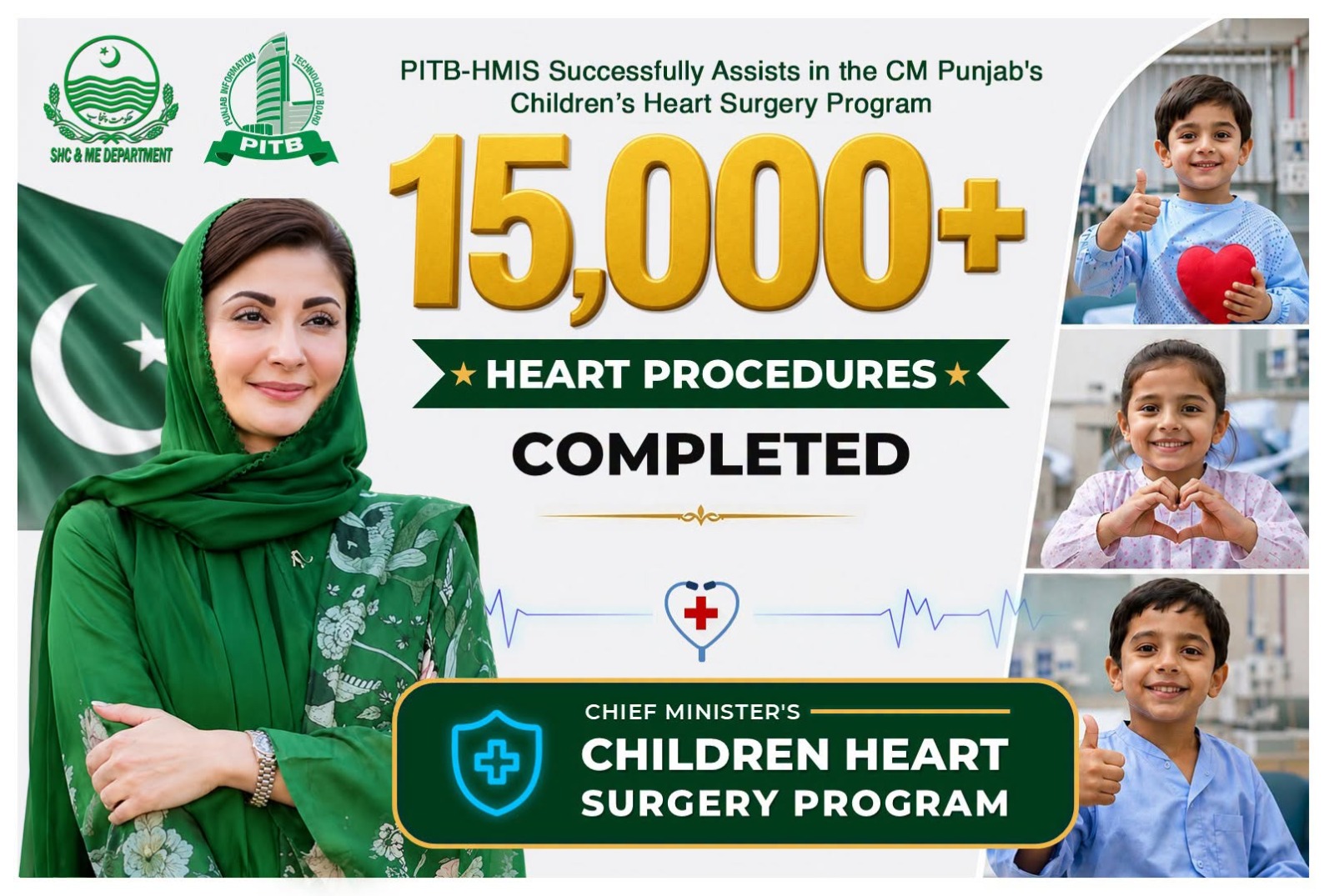
15,000+ free heart surgeries completed under Punjab CM’s Programme

Lahore – More than 15,000 free cardiac surgeries for children from Punjab and other parts of the country have been successfully completed since the launch of the Chief Minister’s Children Heart Treatment Programme in September 2024.

The Hospital Management Information System (HMIS) developed by the Punjab Information Technology Board (PITB) has played a key role in the programme. The system has helped manage patients medical records, prepare patient lists, make electronic referrals to private hospitals and ensure timely coordination between public and private hospitals.

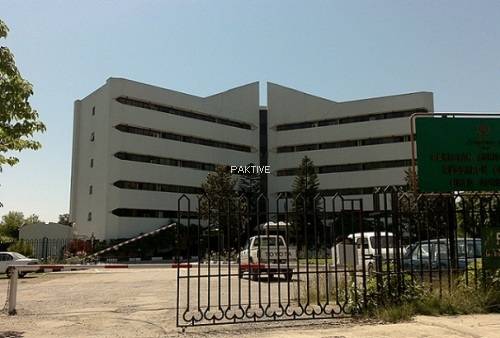
This was revealed at a meeting chaired by PITB Chairman Faisal Yousaf at the Arfa Software Technology Park (ASTP).

The meeting was briefed that HMIS is providing hospitals participating in the programme across Punjab with quick and easy access to patient records. This is helping doctors make better medical decisions while also making it easier for hospital administrations to monitor and coordinate patient treatment, referrals and other related matters.

The digital system has also played an important role in making the patient referral and treatment process more organized, transparent and integrated. It has accelerated the exchange of information between hospitals and helped reduce unnecessary delays in treatment.

Speaking on the occasion, PITB Chairman Faisal Yousaf said that the completion of more than 15,000 free heart surgeries for children was a major achievement of the Chief Minister’s programme.

He said HMIS had played a significant role in speeding up, organizing and improving the treatment process through digital records, electronic referrals and effective coordination among hospitals.

Faisal Yousaf further said that PITB would continue its support for promoting the use of modern digital technology in the healthcare sector to ensure the timely provision of quality medical facilities to citizens.

He said that the effective use of digital systems in healthcare not only facilitates patient treatment but also improves hospital administrative efficiency, transparency and coordination among different institutions.
Similar Posts

  • |

    Students protest Cambridge exam leaks

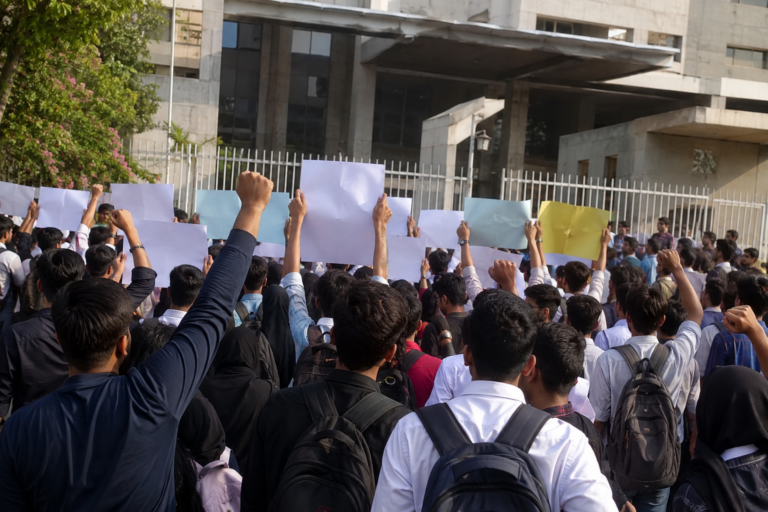
    ISLAMABAD: Accountability4Cambridge has called for a student protest against Cambridge Assessment International Education (CAIE) over alleged examination paper leaks during the 2026 examination cycle, saying the incidents have raised serious concerns about fairness and the credibility of Cambridge examinations. The student group said reports of leaked papers emerged in 2024 and increased in 2025, but Cambridge failed to provide sufficient public explanations or demonstrate that it had effectively strengthened its examination security system. According to Accountability4Cambridge, leaked material from several major papers circulated before scheduled examination times in 2026. The group compiled evidence from 17 alleged cases, including screen recordings showing time-zone information that it says established that the material was available before the relevant examinations. Cambridge recognised four cases and took action, but the students say the remaining evidence was not adequately addressed. The group raised the issue before the Senate Standing Committee on Federal Education and Professional Training on May 18 and again on June 16. Following the meetings, a sub-committee comprising IBCC, Cambridge, Accountability4Cambridge, the British Council, the Ministry of Education and NCCIA was formed. During a July 13 meeting, the students presented the 17 recordings and asked Cambridge to respond. After Cambridge questioned the reliability of the videos, Accountability4Cambridge sought forensic verification from the National Cyber Crime Investigation Agency (NCCIA). The group said NCCIA’s report, received on July 29, found no evidence of tampering in the submitted recordings. Accountability4Cambridge subsequently requested another sub-committee meeting to present the forensic findings. The meeting was initially scheduled for August 7 but was postponed to August 12 after Cambridge said it was unavailable. The students have also criticised Cambridge’s decision to use S1 paper marks instead of assessed marks. They argue that using compromised papers for grading could unfairly benefit students who accessed leaked material while disadvantaging those who did not. Accountability4Cambridge is demanding reversal of the S1 marking decision, lower grade thresholds for Computer Science and Mathematics, recognition of additional leaks supported by forensic evidence, publication of a detailed investigation report and a transparent mechanism for handling compromised examinations. The group has also urged schools to demand greater accountability from Cambridge. Founder Samaak Iqbal Malik said the dispute concerns the integrity of the entire examination system rather than a few individual papers. The organisation has announced a student demonstration outside the IBCC office in G-10, Islamabad, at 1pm on Wednesday, August 12, calling for immediate action before the controversy further affects students’ academic futures.

  • | |

    Over 4,000 cops to secure AJK elections in Rawalpi…

    More than 4,000 police personnel will be deployed in Rawalpindi division to ensure security during the Azad Jammu and Kashmir (AJK) Legislative Assembly elections on August 2. Police officials have prepared a detailed security plan for polling in four constituencies of the division, including Attock, Jhelum, Chakwal and Murree. A total of 4,029 police officers will be assigned duties at 175 polling stations. The polling stations have been divided into three categories according to their security requirements. Category A includes highly sensitive stations, Category B covers sensitive locations, while Category C consists of normal polling stations. Rawalpindi Regional Police Officer Babar Sarfraz Alpa said providing voters with a safe and peaceful environment is the top priority. He added that all available resources would be used to ensure free and transparent elections. He said strict monitoring would be carried out at sensitive polling stations. Additional patrolling and surveillance measures would remain active throughout the polling process. Police officials will also monitor suspicious activities, illegal weapons and any violations of the election code of conduct. Legal action will be taken against individuals involved in disrupting the electoral process. In Rawalpindi district, more than 3,100 police personnel and 200 traffic police officials will be deployed at 100 polling stations. These stations are located in different areas, including Rawalpindi city, Taxila, Wah Cantt, Gujar Khan, Kallar Syedan and Kahuta. Among the 100 polling stations, 18 have been declared highly sensitive, 45 sensitive and 37 normal. Security arrangements have also been made for the safe transportation of polling materials. City Police Officer Hassan Mushtaq Sukhera said the police would ensure implementation of the Election Commission’s rules and maintain law and order until the completion of the election process. The AJK elections are being conducted in phases due to security concerns. Authorities have increased security measures after previous election-related tensions and allegations of irregularities.

  • |

    AI manipulation claimed in PARC hiring; 105 candidates still waiting

    Islamabad: The Senate Standing Committee on National Food Security erupted in controversy today as concerns over recruitment at the Pakistan Agricultural Research Council (PARC) were aired with unprecedented intensity. Senators claimed that the federal research body may have violated constitutional equity, leaving candidates from Sindh and Balochistan sidelined while Punjab and Khyber Pakhtunkhwa dominated appointments. At the heart of the storm are 230 vacant posts at PARC. Although the posts were advertised nationwide and tested through the third party Candidates Testing Services (CTS), only 125 candidates have received appointment letters, leaving 105 hopefuls in limbo. Senator Poonjo Bheel voiced sharp criticism, accusing PARC of sidelining smaller provinces, potentially breaching Article 38(g) of the Constitution. “Appointments have disproportionately favored Punjab and KP,” he warned, “while Sindh and Balochistan candidates are deprived of their due share.” PARC representatives defended their process, noting that a few Sindh candidates were appointed purely on merit and promising interviews for remaining Sindh and Balochistan candidates in the coming week. Yet, the Committee remained unconvinced. Senators stressed that results should be announced simultaneously across all provinces, warning that staggered releases could create perceptions of bias. The session took an even more sensational turn when officials revealed allegations of a coordinated propaganda campaign against PARC. Officials claimed that artificial intelligence (AI) may have been used to manipulate recruitment results, prompting the Committee to recommend immediate show cause notices for any employees involved in such activities. The Chairman directed PARC to submit a detailed list of the appointing authorities responsible for each recruitment decision and a comprehensive record of the 105 pending candidates’ interviews. The Committee demanded transparency and accountability to prevent further distrust in the nation’s premier agricultural research body. The Committee’s stern message made it clear: “Merit alone cannot justify provincial inequity, and any manipulation digital or human will not be tolerated.” The meeting was attended by Senators Rahat Jamali, Shahadat Awan, and Poonjo Bheel, with the agenda moved by Senator Shahadat Awan deferred due to the absence of the Federal Minister and Secretary.

  • | |

    Bilawal condemns ‘worst tragedy’ after PIMS fi…

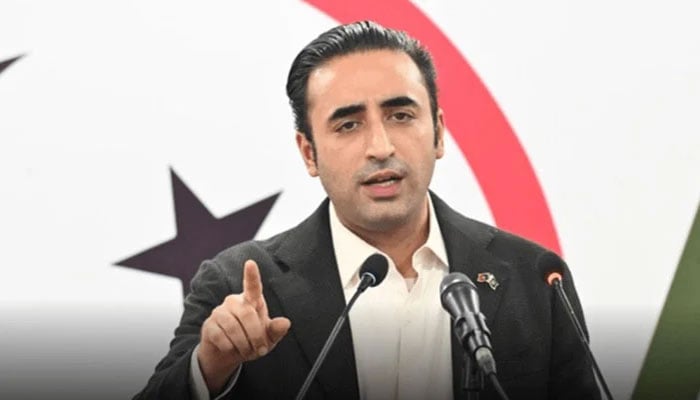
    Pakistan Peoples Party (PPP) Chairman Bilawal Bhutto Zardari has expressed deep grief over the deaths of newborn babies in the fire at the Pakistan Institute of Medical Sciences (PIMS) in Islamabad. Bilawal said mothers carry their children for nine months and never expect them to become victims of negligence after birth. He described the deaths of the newborns as one of the most tragic incidents and said the parents, whose hopes were extinguished shortly after their children were born, were now seeking justice. “Those parents whose hopes were extinguished as soon as they were lit are helplessly demanding justice,” Bilawal said. He also criticised the government over what he described as failures in administration and management, saying innocent citizens were paying the price for institutional shortcomings. The tragedy occurred after a fire broke out in the nursery area of PIMS, resulting in the deaths of 15 newborn babies. The incident has triggered widespread grief and calls for accountability. According to an initial report prepared by the PIMS administration, an oxygen-related device near an incubator in the neonatal intensive care unit (NICU) reportedly burst, causing oxygen to catch fire. The report said the fire generated heavy smoke, which entered the babies’ breathing system through connected pipes. It stated that the infants died due to a combination of oxygen interruption, smoke exposure and burns. The initial findings indicated that the fire was initially limited but spread rapidly. However, officials have given different preliminary accounts regarding the cause of the fire. Rescue authorities and hospital officials initially said the blaze was linked to an air-conditioner compressor, while the hospital’s preliminary report pointed to an oxygen-related device. The presence of oxygen cylinders and equipment in the intensive care area reportedly contributed to the rapid spread of the fire. One newborn was reportedly rescued from the affected area. The tragedy has also raised questions about emergency response and the presence of staff in the nursery. Parents and eyewitnesses alleged that staff members were absent when the fire broke out and claimed that doors were closed, making evacuation more difficult. They also questioned the response time of rescue services. PIMS Executive Director rejected the allegation that staff were absent from the intensive care unit. He said two doctors, four nurses and other staff members were present in the ICU when the incident occurred. He also maintained that the hospital had an adequate fire safety system. The Capital Development Authority (CDA) also said its rescue teams reached the hospital promptly after receiving information about the fire. According to the authority, the teams brought the blaze under control and shifted the affected children to the intensive care unit. Meanwhile, the bodies of the infants who died in the tragedy have been handed over to their families. The incident has prompted authorities to launch a formal investigation. The district administration has constituted an eight-member inquiry committee to examine the circumstances surrounding the fire. The committee has been directed to submit its findings within 24 hours. Federal Health Minister Mustafa Kamal has also offered himself for accountability over the incident and said no person found responsible for negligence would be spared. The conflicting preliminary accounts about the cause of the fire, along with allegations concerning staffing and emergency response, are expected to be examined by the inquiry committee.

  • | | |

    PSX ends week lower as KSE-100 loses 4,781 points

    The Pakistan Stock Exchange (PSX) closed the trading week with a significant decline, as the benchmark KSE-100 Index recorded heavy losses amid continued market volatility. The negative trend reflected cautious investor sentiment and sustained selling pressure across several sectors. During the week, the KSE-100 Index fell by 4,781 points to close at 171,021 points. The decline marked a weak performance for the stock market after several volatile trading sessions. Investors remained cautious throughout the week, resulting in fluctuations in share prices. The market witnessed wide swings during the five trading days. The benchmark index moved within a range of 8,857 points. It touched a weekly high of 178,370 points before dropping to a weekly low of 169,512 points, highlighting the uncertainty that dominated market activity. Despite the fall in the benchmark index, trading volumes remained healthy. Investors traded a total of 3.48 billion shares during the week. The combined value of these transactions reached Rs138 billion, indicating that market participation remained active despite the downward trend. The market decline also affected the overall value of listed companies. The total market capitalisation of the Pakistan Stock Exchange dropped by Rs512 billion during the week. As a result, the market’s total value stood at Rs19.278 trillion at the close of trading. Market analysts said investors adopted a cautious approach due to uncertainty surrounding economic conditions and profit-taking after recent gains. Selling pressure in key sectors also contributed to the decline in the benchmark index. Experts believe investors will continue to closely monitor economic indicators, corporate earnings, monetary policy developments and government decisions that could influence market sentiment in the coming weeks. Any positive economic developments or improved investor confidence may help the market recover, while continued uncertainty could keep volatility elevated. The week’s performance underscores the sensitivity of the Pakistan Stock Exchange to economic and financial developments, with investors expected to remain watchful as the new trading week begins.

  • Pakistan entering era of national reforms, not systemic failure: Ahsan Iqbal

    Islamabad: Federal Minister for Planning, Development and Special Initiatives Professor Ahsan Iqbal on Monday said Pakistan had not failed as a state but had entered an era of national reforms, urging the country’s youth to lead the transformation with confidence, innovation and hard work. Addressing the launch ceremony of a national anthem marking Pakistan’s 79th Independence Day and the 150th birth anniversary of Quaid-e-Azam Muhammad Ali Jinnah, the minister said the country was standing at the threshold of a new phase driven by hope, national unity and economic revival. Rejecting claims that Pakistan’s institutions had collapsed, Ahsan Iqbal said the country was modernising its governance system and national priorities to meet the demands of the 21st century. “This is not the age of systemic failure; it is the age of national reform,” he said, adding that sustainable progress required continuity of reforms, national consensus and collective responsibility. The minister stressed that the challenges facing a country of more than 250 million people could not be addressed by elected representatives alone. He called for the active participation of youth, the private sector, civil society, experts and state institutions in driving national development. Highlighting the role of young Pakistanis, Ahsan Iqbal described them as the country’s greatest asset. “Our youth are not cockroaches; they are Iqbal’s Shaheens,” he said, urging them to embrace ambition, self-confidence and excellence in shaping Pakistan’s future. Referring to the country’s economic outlook, the minister said predictions made in 2022 about Pakistan defaulting had proved wrong, attributing the recovery to prudent economic policies, public support and collective national resolve. He said overseas Pakistanis were increasingly recognising the country’s improving economic trajectory. The minister said the government’s URAAN Pakistan initiative was a comprehensive national transformation framework aimed at building a one-trillion-dollar economy through export-led growth, technological advancement, energy security, digital transformation, human capital development and sustainable development. He added that significant investments were being made to equip young people with artificial intelligence, digital skills and future-oriented education, saying the youth were not only Pakistan’s future but also its present. Ahsan Iqbal said the newly launched national anthem symbolised national awakening and reflected the vision of Allama Muhammad Iqbal and Quaid-e-Azam Muhammad Ali Jinnah by inspiring young people to pursue knowledge, character, self-reliance and nation-building. He concluded by saying that Pakistan’s strength lay in the talent, resilience and determination of its youth and reaffirmed that URAAN Pakistan was a national mission rather than the agenda of any single political party, aimed at building a strong, prosperous and self-reliant Pakistan.

Leave a Reply

Your email address will not be published. Required fields are marked *