| |

Counter-terror operations in Balochistan neutralize 12 militants

Security forces in Pakistan have eliminated 12 high-risk terrorists during two separate operations across the southwestern province of Balochistan. According to official statements issued by the Inter-Services Public Relations (ISPR), the media wing of the Armed Forces of Pakistan, the targeted anti-terror engagements took place in the districts of Washuk and Mastung as part of an intensified campaign against extremist elements operating within the region.

The military reported that these synchronized Intelligence-Based Operations (IBOs) were initiated following precise tracking and surveillance of insurgent networks. The operations represent a significant operational success for law enforcement and defense personnel working to dismantle armed groups attempting to compromise regional stability.

Key Highlights of the Counter-Terror Operations

District Washuk: Initial tracking detected hostile movement in the area, leading to a swift operational response that resulted in six terrorists being neutralized.

District Mastung: A subsequent targeted raid triggered an intense exchange of gunfire, during which six additional terrorists were eliminated and a major militant hideout was completely dismantled

Total Impact: 12 terrorists killed, operational infrastructure destroyed, and significant cache of weapons and logistics seized.

Breakdown of the Intelligence-Based Raids

The first phase of the counter-terrorism effort unfolded in Washuk district, where security agencies identified suspicious tactical movements by a group of armed insurgents. Acting on real-time intelligence, military units deployed swiftly to intercept the suspects. Upon confronting the militants, a heavy firefight ensued, ending with the death of six terrorists before they could execute planned sabotage activities in the district.

Shortly thereafter, a second high-stakes operation was executed in the Mastung district. Intelligence agencies pinpointed an active sanctuary utilized by militants as a staging ground for planning attacks against civilians and security personnel. As forces surrounded the hideout, the cornered insurgents opened fire in a desperate attempt to break through the security perimeter. The security forces responded with decisive tactical force, eliminating six militants on the spot and neutralizing the immediate threat. Following the gun battle, search teams thoroughly cleared the facility, recovering military-grade weaponry, ammunition, and explosives, while destroying the infrastructure used to harbor illegal insurgents.

Strategic Significance and Broader Context

The ISPR emphasized that these successful engagements reflect the unwavering commitment of the armed forces to cleanse the country of foreign-funded terrorism. Military officials reaffirmed that anti-terror operations will persist relentlessly until all hostile networks, their safe havens, and their local facilitators are completely eradicated across Pakistan.


Authorities have urged local communities to remain vigilant and cooperate with law enforcement agencies as comprehensive intelligence gathering and mop-up activities continue throughout the region.


Similar Posts

  • | | |

    SBP to study daily fuel price impact on inflation

    ISLAMABAD: The federal government has directed the State Bank of Pakistan (SBP) to conduct a comprehensive study on how the daily revision of petroleum prices affects inflation, as authorities seek new measures to protect consumers from rising living costs and volatile global energy markets. The decision was taken during a meeting of the National Price Monitoring Committee (NPMC), which reviewed the country’s inflation outlook and discussed ways to minimise the impact of fluctuating fuel prices on households and businesses. According to officials, the SBP has been asked to prepare a detailed action plan within 15 days to evaluate the inflationary effects of daily adjustments in petrol and high-speed diesel (HSD) prices, following international best practices. The central bank is expected to recommend policy options that could help maintain price stability while supporting economic growth. The committee was informed that the SBP’s primary responsibility is to ensure price stability through effective monetary policy, including the use of interest rates to manage inflation expectations and regulate money supply. Alongside the SBP study, the NPMC instructed provincial governments, Azad Jammu and Kashmir, Gilgit-Baltistan and the Islamabad Capital Territory to strengthen market monitoring and prevent unjustified increases in the prices of essential commodities whenever fuel prices are revised. The committee also expressed concern over excessive pricing of liquefied petroleum gas (LPG), noting that consumers in many areas were paying significantly more than the official rates notified by the Oil and Gas Regulatory Authority (OGRA). Authorities have been directed to intensify monitoring and narrow the gap between notified and market prices. Officials said the recent regional conflict involving Iran had disrupted energy markets, contributing to higher LPG prices despite regulatory efforts. The meeting also focused on the prices of key food items, including tomatoes, chicken, wheat flour and edible oil. Representatives from the Ministry of National Food Security attributed the surge in tomato prices to seasonal shortages, explaining that Pakistan was importing tomatoes from Iran and Afghanistan to meet domestic demand. However, following the closure of the Afghanistan border, officials said additional tomato imports would now be sourced from Romania to prevent supply shortages and stabilise prices. To improve food quality and consumer protection, the Ministry of Science and Technology will work with the Pakistan Bureau of Statistics (PBS) and provincial authorities to develop testing standards for loose milk, dairy products, edible oil and ghee. Accredited laboratories will conduct regular testing, with quarterly reports submitted to the NPMC. The committee also urged authorities to reduce wholesale and retail price disparities across different cities, improve the supply chain for essential goods and work more closely with the private sector to arrange timely imports before seasonal shortages trigger sharp price increases. Officials expressed hope that stronger coordination, tighter market oversight and evidence-based policymaking would help ease inflationary pressures and provide greater stability for consumers in the coming months.

  • | |

    Ali Gul Pir pushes back against parenting advice

    Comedian Ali Gul Pir has spoken about the unsolicited advice new parents often receive in Pakistani society, using his trademark humour to challenge some of the common warnings directed at mothers and fathers. Gul Pir recently became a father to a baby boy, Salar, with his wife, Dr Azeemah Nakhoda. He used a social media reel to share his thoughts on the comments and expectations that often surround first-time parents. One of the first issues he addressed was the common warning that having a baby means saying goodbye to a good night’s sleep forever. Gul Pir questioned the idea, saying babies eventually settle into routines and begin sleeping for longer periods. He also rejected the belief that becoming parents means their personal lives are effectively over. According to the comedian, every family has a different experience and the difficulties faced by one set of parents should not automatically be presented as the future of every new parent. Gul Pir also spoke about another common belief — that children and pets should not live together. As a dog owner, he disagreed with the idea and referred to research suggesting that children who grow up around pets may develop fewer allergies and greater compassion. The comedian then turned his attention to questions about having a second child. He joked that people who constantly ask about expanding their family should not expect to receive personal updates. His response also highlighted how intrusive questions can become overwhelming for new parents. Gul Pir suggested that couples should be allowed to make decisions about their families without constant outside commentary. He also criticised people who comment on women’s bodies shortly after childbirth. Gul Pir questioned why women are often expected to quickly return to their pre-pregnancy appearance. His broader message was about the pressure Pakistani society can place on people whenever they enter a major new phase of life. Gul Pir said big life changes naturally involve sacrifices. However, he argued that people should focus on the positive experiences that come with those changes instead of constantly warning others about what they might lose. The comedian welcomed his first child, Salar, last month. He publicly announced the arrival of his son on Father’s Day by sharing family photographs and pictures of the gifts he received for the occasion.

  • | |

    MQM-P groups resume talks after Bahadurabad clash

    Differences between two groups within the Muttahida Qaumi Movement-Pakistan (MQM-P) have led to renewed contacts and negotiations between the rival factions, according to party sources. The dispute reportedly surfaced after a party meeting at the MQM-P headquarters in Bahadurabad, Karachi. Tensions escalated during the incident, with members of one group allegedly engaging in a physical confrontation with MPA Ijazul Haq, party leader Zakir, and their supporters. MQM-P leader Aminul Haq claimed that members of the opposing group also resorted to intense aerial firing during the confrontation. He said one party worker sustained injuries in the firing, while several others were hurt as a result of stone-pelting. Following the escalation, senior leaders from both sides have started communicating with each other in an effort to ease tensions and resolve their differences through dialogue. Party sources said the two groups are currently holding discussions and exploring ways to settle the dispute. The sources added that the two factions may hold a joint press conference within the next 48 hours. During the press conference, the leadership is expected to outline the party’s future course of action and announce decisions aimed at addressing the internal differences. The developments come as the party seeks to prevent further escalation and restore unity among its ranks following the clash at the Bahadurabad headquarters.

  • | | |

    Gold prices rise further in Pakistan as global rat…

      KARACHI: Gold prices in Pakistan continued their upward trend on Monday, with the price of gold per tola increasing by Rs2,000, according to the All Pakistan Sarafa Gems and Jewellers Association. Following the latest increase, the price of one tola of gold reached Rs461,936 in the domestic market. The latest rise comes amid an increase in international gold prices, which have also strengthened in the global market. According to the association, the price of 10 grams of gold increased by Rs1,715, bringing the rate to Rs396,035. The continued rise in gold prices is likely to keep the precious metal attractive for investors and buyers who traditionally consider gold a store of value during periods of economic uncertainty. In the international market, gold prices also recorded an increase. The price of gold rose by $20 per ounce to reach $4,395 per ounce. The latest movement in domestic gold prices reflects the influence of international bullion rates, while local market conditions and currency fluctuations can also affect the price of gold in Pakistan. Gold remains one of the most widely followed commodities in the country, particularly among investors, jewellery buyers and households that use the precious metal as a form of savings. Changes in gold prices can therefore have a direct impact on consumers, particularly those planning to purchase jewellery for weddings and other important occasions. The increase of Rs2,000 per tola means that buyers will now have to pay more for the same quantity of gold compared with the previous rate. Similarly, the rise in the 10-gram price indicates continued upward pressure on the domestic bullion market. The international increase of $20 per ounce has also contributed to the positive movement in local prices. Global gold rates are closely watched by Pakistani traders because changes in international bullion prices can influence domestic market rates. Gold prices around the world are affected by several factors, including investor demand, inflation expectations, currency movements, interest rates, geopolitical developments and uncertainty in global financial markets. During periods of economic or political instability, investors often turn toward gold because it is traditionally regarded as a relatively safe asset. For Pakistani consumers, movements in gold prices can be particularly significant because jewellery represents an important form of household wealth and savings. A sustained increase in prices can make gold purchases more expensive, while existing gold holders may benefit from higher market valuations. Market participants are likely to continue monitoring international bullion prices as well as developments in the domestic currency market to determine the direction of gold prices in Pakistan in the coming days. The latest figures show that gold continues to trade at historically elevated levels in both domestic and international markets. With the international price now standing at $4,395 per ounce, any further movement in global rates could have an impact on prices in Pakistan. For now, the domestic market has recorded another increase, with one tola of gold priced at Rs461,936 and 10 grams at Rs396,035. Investors, jewellery traders and consumers will be closely watching the market for further changes, particularly as fluctuations in international gold prices and currency rates continue to influence the local bullion market.

  • | |

    Islamabad call center raided in cybercrime investi…

    ISLAMABAD: The National Cyber Crime Investigation Agency (NCCIA) conducted a targeted raid on an online call center in Islamabad’s G-6 sector and seized digital devices and other material allegedly linked to cybercrime activities. According to a statement issued by the NCCIA, the operation was carried out on the basis of intelligence information and with a search warrant. During the raid officials seized digital devices and other materials that were allegedly being used for cybercrime-related activities. The agency said that no arrests were made during the operation because the foreign and local suspects allegedly involved in the activities were not present at the call center when the raid was conducted. The seized digital equipment has been sent to a forensic laboratory for detailed examination. Investigators are expected to analyze the devices and other material to determine their connection with the suspected cybercrime activities. The NCCIA said that further details would be shared once the forensic examination and investigation are completed. The agency did not disclose the identities of the individuals allegedly associated with the call center. Authorities have increasingly focused on online fraud, fake call centers and digital networks allegedly involved in financial and cyber-related crimes. The NCCIA stated that action against fraudulent operations, fake call centers and online fraud networks would continue without discrimination. The Islamabad call center raid is part of the agency’s ongoing efforts to identify and investigate networks suspected of using digital platforms for illegal activities. The forensic analysis of the seized devices is expected to provide investigators with additional information about the operation and the individuals potentially connected to it. The agency’s investigation will determine whether the seized equipment was used for cybercrime and what further legal action may be taken against those involved. For now, no arrests have been reported while the investigation and forensic examination of the seized digital material remain underway.

  • | | | |

    Iran rules out US talks until demands are met

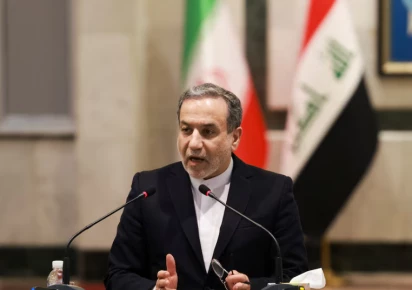
    Iran has ruled out direct negotiations with the United States for now, saying Washington must first comply with the terms of an interim agreement reached in June. Iranian Foreign Minister Abbas Araghchi said on Sunday that Tehran and Washington were not holding direct talks. He said messages were still being exchanged through intermediaries. Araghchi also reiterated Iran’s position on the Strait of Hormuz. He said the strategic waterway would not reopen simply because Iran and Oman reached an agreement on shipping arrangements. According to Iranian reports, Tehran and Muscat are close to finalising an understanding on a temporary shipping route. However, Iran says the route can only be used after other conditions are met. The Strait of Hormuz has remained at the centre of the wider conflict. Iran has repeatedly linked its reopening to demands directed at Washington. Iranian officials have called for an end to US threats and military action. They have also demanded the lifting of sanctions and blockades and the release of Iranian assets. Iran’s Revolutionary Guard has separately warned that the strait will remain closed until Tehran’s conditions are accepted. The force accused its opponents of shifting their focus toward reopening the vital waterway. The strait is one of the world’s most important energy routes. A significant share of global oil and gas shipments normally passes through it. Oman, meanwhile, said discussions with Iran over arrangements for shipping through the waterway had been positive and constructive. Muscat also urged all sides to avoid actions that could undermine the negotiations. Iranian President Masoud Pezeshkian has suggested that the current situation could provide an opportunity for an agreement. He said Iran remained united and strong despite the ongoing conflict. The diplomatic uncertainty comes as tensions continue to affect commercial shipping in the region. The United Arab Emirates said Iran had attacked a vessel linked to its state-owned oil company while it was travelling through the Strait of Hormuz. No injuries were reported. The United Kingdom Maritime Trade Operations agency also reported that a vessel caught fire after being struck by an unidentified projectile. The fire was later brought under control, with no environmental damage reported. Iranian authorities have not immediately commented on the individual incident. Saudi Arabia reports fires at energy facilities Tensions have also spread across the Gulf. Saudi Arabia said firefighters had extinguished a blaze at an Aramco facility in Jizan. The Saudi Energy Ministry said there were no fatalities. Yemen’s Houthi movement claimed responsibility for an attack on the site, saying it had used a drone in response to alleged Saudi strikes in Yemen. A separate explosion was also reported in the industrial area of Jubail. Regional sources said gas facilities were targeted and that a fire broke out. The exact cause remained unclear. It was not immediately established whether the incidents in Jizan and Jubail were connected. US defence industry ordered to increase weapons production Meanwhile, the United States has asked its defence industry to accelerate weapons production amid shortages linked to the war with Iran. US Deputy Defence Secretary Steve Feinberg reportedly instructed defence companies to submit plans aimed at speeding up deliveries and increasing production of critical military equipment. The demand comes amid reports of pressure on US ammunition supplies, including stocks of Patriot missile interceptors. The Trump administration has maintained that the United States has substantial weapons reserves and that additional supplies are being manufactured and delivered. The conflict has also triggered threats from armed groups in the region. The leader of Iraq’s Harakat Hezbollah al-Nujaba, Akram al-Kaabi, has threatened retaliation for US-Saudi strikes on sites belonging to Iraq’s Popular Mobilisation Forces. The group has warned that further military action could lead to a response. Iranian military officials, meanwhile, have claimed that the United States and Israel failed to achieve their objectives against Iran. They have praised the country’s military preparedness and vowed to continue resisting pressure. With the Strait of Hormuz still closed and negotiations remaining indirect, the prospect of restoring normal shipping remains uncertain. Iran insists that reopening the waterway depends on Washington accepting its conditions. The United States, meanwhile, has linked the lifting of its blockade to Iran fulfilling commitments under any future agreement.

Leave a Reply

Your email address will not be published. Required fields are marked *