Cambridge to review hiring after Arday resignation
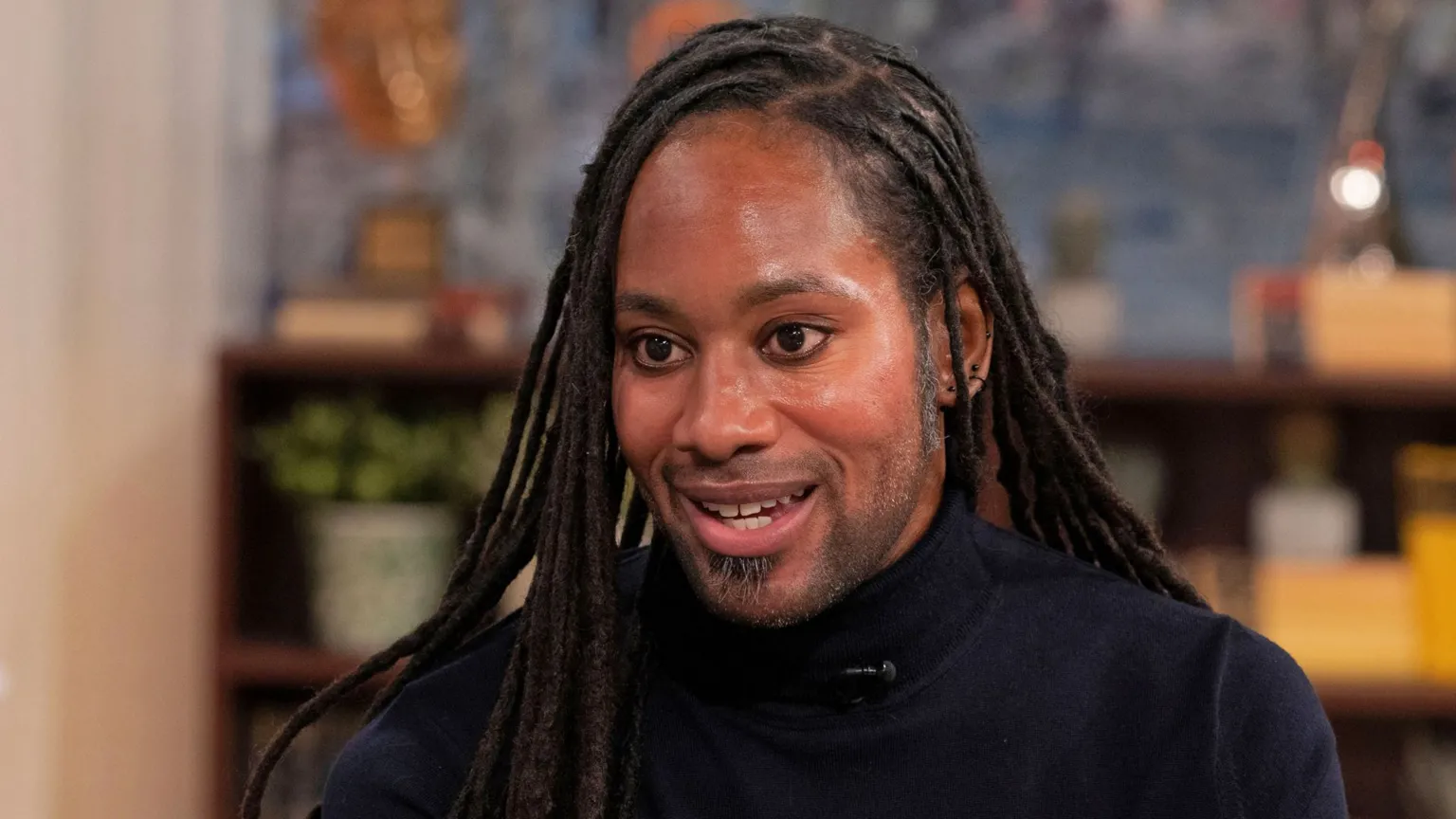
The University of Cambridge has announced a review of its procedures for appointing senior academics following the resignation of Professor Jason Arday amid allegations of plagiarism and questions surrounding parts of his academic record.
Cambridge said an ongoing investigation into Arday’s qualifications, previous appointments and tenure would inform the wider review of how senior academic positions are filled.
Arday, a professor of sociology of education and fellow of Jesus College, stepped down after allegations emerged concerning his academic work and claims made about his professional background. He has rejected accusations of deliberate plagiarism and denied fabricating his achievements.
The controversy has prompted calls from academics for an independent investigation into how Arday was appointed to a senior position at one of the world’s most prestigious universities.
Priyamvada Gopal, a Cambridge professor who is among those calling for an independent inquiry, said the controversy had caused significant reputational damage to the university. She argued that Cambridge should not investigate itself and urged the involvement of academics from outside the institution.
Cambridge said it was aware of the concerns surrounding the case and would continue examining the circumstances of Arday’s appointment and tenure.
Jesus College welcomed the university’s decision to review its appointment procedures. The college said Arday’s position as a fellow depended on his university appointment and that it relied on Cambridge to verify academic credentials.
The University of Glasgow, where Arday served as Professor of Sociology of Education from January 2022 to March 2023, has also launched its own review. The university said the review would establish the facts surrounding his appointment and identify lessons for the future.
The controversy began after US researcher Nathan Cofnas raised allegations that sections of Arday’s PhD dissertation had been copied from earlier academic works.
Liverpool John Moores University, which awarded Arday his doctorate, said it had investigated the plagiarism allegations last year and rejected them. The university maintained that position and said his PhD remains valid.
Further questions have since been raised about some of Arday’s academic publications and claims on his CV. Some institutions where he reportedly claimed to have held academic positions have denied that he occupied those roles.
Arday has acknowledged errors in his academic work but denied intentionally plagiarising material. He has suggested that autism and inadequate supervision during the early stages of his academic career may have contributed to mistakes.
He has also rejected allegations that he fabricated his personal achievements and has previously argued that some of the criticism directed at him was racially motivated.
The controversy has also raised questions about how allegations against Arday were handled.
Times Higher Education reporter Jack Grove was investigated by the Metropolitan Police following a complaint of harassment after he contacted Arday about the plagiarism allegations. The investigation was later closed.
Metropolitan Police Commissioner Sir Mark Rowley subsequently apologised and said the complaint should have been screened out at an earlier stage.
Attention has also turned to Arday’s forthcoming memoir, “Great and Unfortunate Things”, which is scheduled for publication next week.
Arday previously claimed in an interview that he had received a £1.4 million advance for the memoir, although he did not specify the currency. Publishing industry figures have questioned the size of the alleged payment.
Publisher Simon & Schuster has said it intends to proceed with publication.
Reports have also identified differences between an earlier proposal for the memoir and the final manuscript, including changes to the timing and description of some events in Arday’s life.