alliance franaise lahore
|

Alliance Française de Lahore exhibits ‘What…

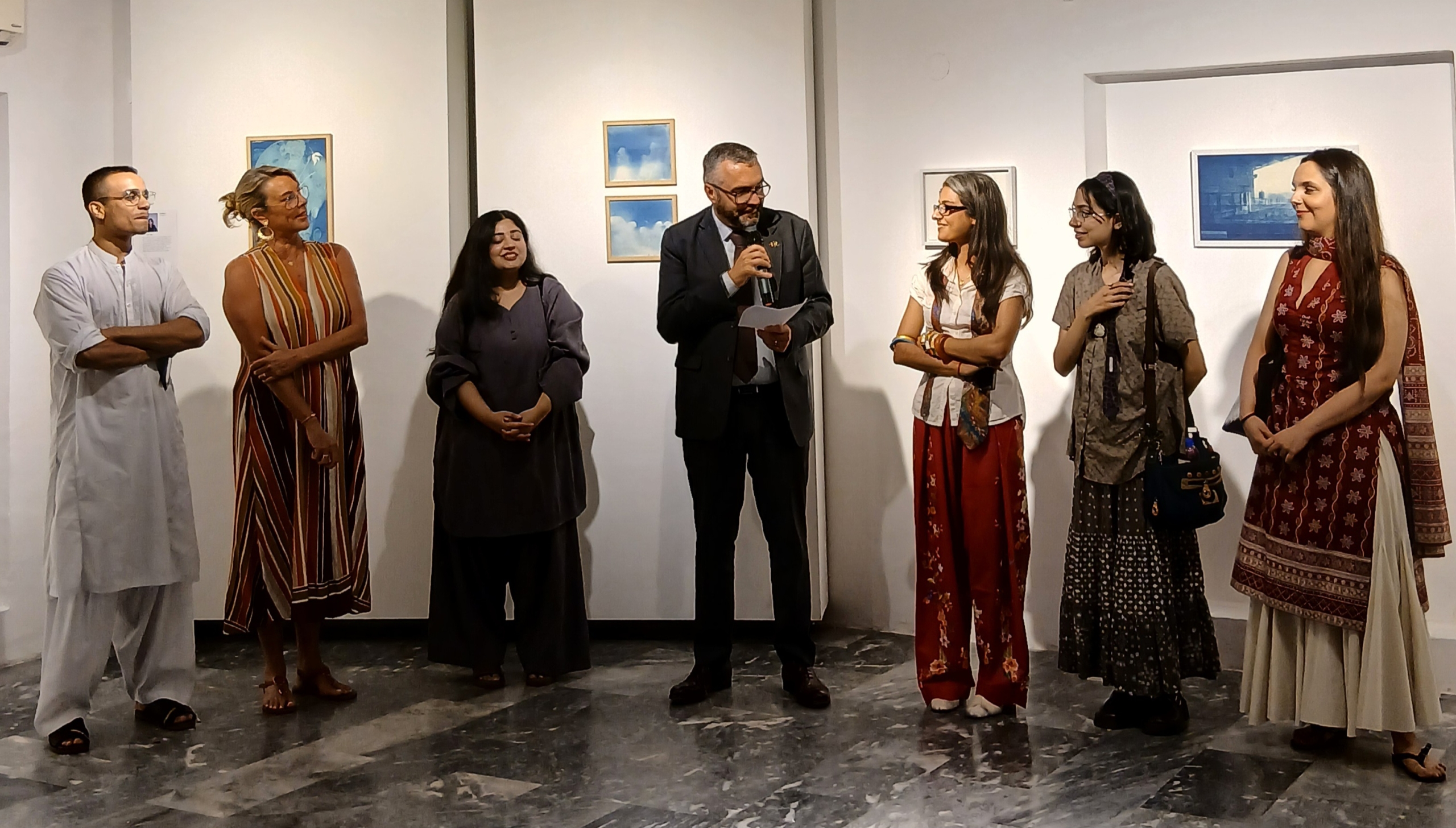
LAHORE — The gallery at Alliance Française de Lahore opened its doors to art enthusiasts on August 10, 2026. The exhibition presented “What’s Remains”  curated by Anne Sophie Français. The evening paired thought-provoking artworks installations with a lively Kathak dance showcase. The multidisciplinary art offered attendees a rich space and human experience.

The art exhibition was curated as a inquiry into what lingers after a place is traversed or a voice is silenced. What’s Remains features new works by three emerging Pakistani visual artists: Rabya Khalid, Sarim Syed and Yumna Salman. They worked across diverse mediums ranging from cyanotypes and charcoal drawings to intricate textile sculptures.

Rabya Khalid anchors her compositions in rich cyanotype blues overlaid with soft pastels and color pencils. Rabya focuses on urban architectural features. Water towers, elevated rooftops and quiet watchtowers dominate her skyline studies. Her works cast functional city infrastructure as silent or watchful witnesses to human activity.

Sarim Syed utilized delicate charcoal rendering. Sarim creates dreamlike, atmospheric landscapes that occupy the boundary between remembering and forgetting. Her works evoke the lingering sensation of places once inhabited, capturing moments suspended between presence and absence.

Yumna Salman brings a tactile, social critique to the gallery space. Yumna knots loose threads onto rigid metal wire mesh. Her labor-intensive textile installations reinterpret traditional weaving techniques to question inherited social norms, gender roles and collective memory. She turned each deliberate knot into an act of quiet resistance.

Following the gallery preview, the evening changed into a vibrant 7:30 PM Kathak performance. The performance featured dedicated dance students. They celebrated an intensive month of rhythm, classical movement and expressive storytelling. The fluid footwork and rhythmic precision of the dancers created a unified dialogue with the silent, lingering themes of the surrounding artwork.

Alliance Française de Lahore continues to act as an essential platform for emerging talent. The institution provides artists a non-commercial environment to showcase work, inspire public dialogue and strengthen cultural ties between Pakistani and Francophone creative communities. “What’s Remains” invites viewers to engage with stories that endure through art, memory and movement.

Similar Posts

  • | |

    Mass HIV screening detects 141 positive cases afte…

    A large-scale HIV screening campaign launched after the emergence of cases at Karachi’s Kulsum Bai Valika Hospital has identified 141 HIV-positive individuals, prompting authorities to intensify investigations and strengthen preventive measures across Sindh. Speaking at a meeting of the Senate Standing Committee on National Health Regulation and Coordination, Sindh Labour and Human Resources Minister Saeed Ghani said more than 10,500 people were screened in and around Valika Hospital. Of them, 120 tested positive for HIV, including 81 children of registered Sindh Employees’ Social Security Institution (SESSI) workers, while the remaining 39 had no affiliation with the institution. Ghani said the provincial government has assumed responsibility for providing treatment to all affected children and is working to ensure they receive the best possible medical care. He added that a panel of leading healthcare experts and hospitals is being formed to oversee the treatment process. As part of precautionary measures, HIV screening was also expanded to Landhi Hospital and surrounding areas. More than 7,500 people were tested, with 21 additional HIV-positive cases confirmed. According to the minister, these individuals had no previous record of treatment at the hospital, suggesting that some infections may have originated from other sources. The minister also revealed that final show-cause notices had been issued to 37 doctors, paramedics and hospital officials following inquiry committee recommendations into the Valika Hospital incident. He warned that anyone found responsible for criminal negligence would face both departmental and legal action. To support affected families, Ghani announced that a Rs2 billion endowment fund has been established under SESSI. The fund will be managed by an independent body to ensure transparency and provide long-term assistance to those impacted by the outbreak.

  • | |

    The immortal king: Gilgamesh

    The Epic of Gilgamesh chronicle a ruler whose reach eclipsed his own era. King Gilgamesh of Uruk was celebrated across the Fertile Crescent for his unmatched strength, towering city walls, and unyielding ambition. He was a mythical hero, two-thirds god and one-third man. The Influence of King Gilgamesh Over ancient kings and foreign lands, his influence was absolute. Monarchs who succeeded him across Sumer, Akkad, and Assyria measured their own majesty against his legacy.  Moreover, those realms seek to embody his wisdom and claim a dominion as legendary as the one he forged before the great waters swept the earth. He Who Saw the Deep.. He saw what was secret, discovered what was hidden, He brought us a tale of the days before the Flood. The Ancient Mesopotamia In recent archaeology, the shadow of Mesopotamia’s heroic past continues to reemerge in unexpected ways. Modern researchers conducting glacial surveys on Turkey’s Mount Ararat have begun mapping shrinking ice fields to retrieve core samples. Historically, Mount Ararat is the high peak linked with ancient flood mythologies.  This pioneering study seeks to extract a continuous chronicle of human activity, ancient agriculture and metal smelting preserved in ice layers spanning thousands of years. The studies offer a direct physical record of the environmental world that ancient Mesopotamian civilizations inhabited. Search For The Unknown This convergence of epic poetry and modern science reveals that the search for what was hidden remains as vital today as it was in antiquity. The ancient scribes etched Gilgamesh’s story into clay tablets. They recorded a hero who traveled to the ends of the earth to seek secrets of mortality and natural catastrophe. The story of the great deluge, brought back by Gilgamesh from the edge of the known world. It functioned both as a sobering warning and as a testament to the fragile line between human pride and nature’s fury. The Truth Today, scientists analyze ice layers and ancient cuneiform archives across the Middle East. Furthermore, we are reminded of the power of memory. Kings and empires inevitably turn to dust. Yet, the insights gathered by those who dare to look into the deep endure across millennia remain forever. Gilgamesh’s journey teaches us that true power lies not in martial conquest or monumental stone. Rather, it’s in the wisdom preserved for generations that follow. True power is a truth as resonant in our modern era as it was in the ancient halls of Uruk.    

  • | |

    Karachi roads blocked as JI protests fuel levy

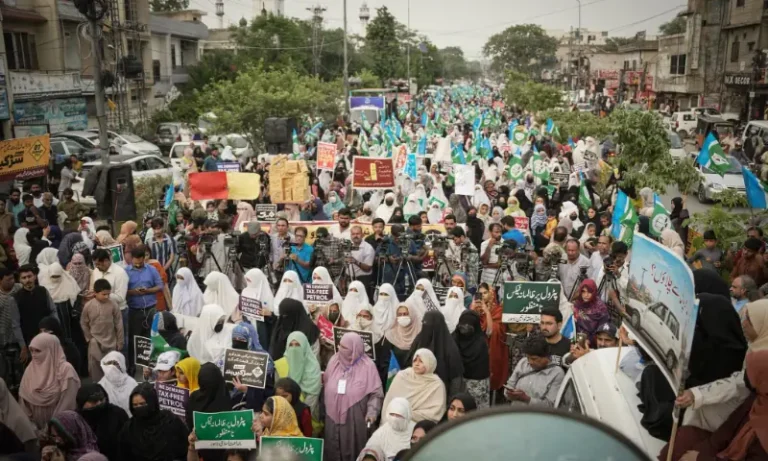
    Traffic was disrupted across several major parts of Karachi on Friday as Jamaat-i-Islami (JI) workers staged sit-ins against the federal petroleum levy. The protests were part of a nationwide campaign announced by the party. JI had said it would hold demonstrations at hundreds of locations across the country by blocking major roads. Karachi traffic police issued an advisory warning motorists about congestion, temporary diversions and partial road closures in several areas. Major routes affected included areas around Mazar-i-Quaid, Numaish Chowrangi, Saddar, Sharea Faisal, Shahrah-i-Pakistan, UP Mor, Power House Chowrangi, Defence Housing Authority, Sea View, Shahrah-i-Orangi, Hub River Road, Super Highway and National Highway. The traffic police advised citizens to avoid the protest-hit areas where possible and use alternative routes. Commuters were also asked to allow additional time for their journeys. According to updates shared by JI Karachi, protesters blocked the road connecting Sharea Faisal with Natha Khan. The Super Highway and Hub River Road were also affected. Another road connecting the Sharea Faisal Nursery Bus Stop with the airport was reportedly blocked as protesters gathered at the designated locations. The demonstrations prompted criticism from the Sindh government. Provincial government spokesperson Sadia Javed said the petroleum levy was a federal issue and questioned why Karachi’s residents were facing difficulties because of the protest. She accused the JI of using the demonstrations for political gains instead of addressing public issues through relevant constitutional forums. Javed said road blockades were affecting the daily lives of millions of Karachi residents and raised concerns about the movement of ambulances and patients during the disruptions. She urged the party to raise its objections in Parliament and other relevant forums rather than blocking roads. The government spokesperson also warned protesters against damaging public property or taking the law into their own hands. The demonstrations were not limited to Karachi. JI workers also gathered in Lahore, Islamabad, Quetta and Peshawar as part of the nationwide campaign. In Islamabad, protesters reportedly blocked Srinagar Highway near Golra Mor while attempting to march towards Chungi 26. Several locations across Sindh also witnessed demonstrations, including Thatta, Matiari, Tando Allahyar and Shikarpur.

  • | | |

    Pakistan pushes stronger ties with Belarus, Centra…

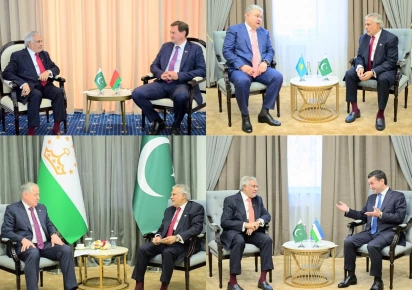
    Pakistan has renewed its commitment to strengthening relations with Belarus and Central Asian countries. Deputy Prime Minister and Foreign Minister Ishaq Dar held separate meetings with the foreign ministers of Belarus, Kazakhstan, Tajikistan and Uzbekistan in Cholpon-Ata, Kyrgyzstan. The meetings were held on the sidelines of the Shanghai Cooperation Organisation (SCO) Council of Foreign Ministers meeting.The discussions focused on bilateral relations, trade, investment, regional connectivity and security. Dar met Belarusian Foreign Minister Maxim Ryzhenkov and reviewed the progress of relations between the two countries.The two sides agreed to expand cooperation in several important areas. These include trade, investment, defence, agriculture, technology and workforce exchanges.They also discussed ways to strengthen economic ties and increase bilateral business activity. Pakistan and Belarus are also preparing for the next session of their Joint Ministerial Commission.The ninth session is scheduled to take place in Islamabad on August 11 and 12, 2026. The two countries are expected to use the meeting to explore new areas of cooperation.Dar and Ryzhenkov also discussed regional developments. The Belarusian foreign minister appreciated Pakistan’s diplomatic efforts to support dialogue and promote peace and stability in the region. Dar also met Kazakhstan’s Foreign Minister Yermek Kosherbayev.The two ministers reviewed the positive progress in relations between Pakistan and Kazakhstan. They agreed to accelerate the implementation of agreements reached during recent high-level exchanges.A key focus was the implementation of 37 memorandums of understanding signed during a high-level visit. The two countries also agreed to increase cooperation in trade, investment, transport, energy and regional connectivity. People-to-people contacts and cooperation at international forums were also discussed.Kosherbayev appreciated Pakistan’s efforts to support regional peace and diplomacy. He also invited Dar to visit Kazakhstan.The Pakistani foreign minister accepted the invitation and said the visit would take place at a mutually convenient time. In another meeting, Dar held talks with Tajik Foreign Minister Sirojiddin Muhriddin.Both sides described Pakistan-Tajikistan relations as close and longstanding. They agreed to further expand cooperation in several sectors.These include trade, investment, energy, connectivity and culture. The two ministers also highlighted the importance of stronger people-to-people contacts.They agreed that regular high-level exchanges could help deepen bilateral relations. The two sides also discussed regional and global developments.They stressed the importance of cooperation through international and multilateral platforms. Tajikistan also expressed support for Pakistan’s efforts to promote peace and the peaceful resolution of regional issues.Dar also met Uzbek Foreign Minister Bakhtiyor Saidov. The two ministers reaffirmed the importance of the Pakistan-Uzbekistan strategic partnership. They reviewed progress in bilateral cooperation.Trade, investment, connectivity, energy, culture and people-to-people relations were among the key areas discussed. Dar and Saidov also stressed the importance of stronger links between the business communities of both countries. They said closer business engagement could help increase trade and investment.The two ministers also discussed the implementation of understandings reached during Uzbek President Shavkat Mirziyoyev’s recent visit to Pakistan. They agreed that existing agreements should be converted into practical projects through timely implementation. Regional and global developments were also discussed.Saidov appreciated Pakistan’s diplomatic efforts to promote regional peace and stability. Both sides expressed hope that dialogue and diplomacy would continue to support lasting peace in the region. Dar’s meetings took place during his visit to Kyrgyzstan for the SCO Council of Foreign Ministers meeting. Pakistan used the diplomatic engagement to highlight its longstanding relations with SCO member states. Islamabad also reaffirmed its readiness to assume the SCO chairmanship for 2026–27.Pakistan has expressed its intention to promote greater cooperation among member states. The focus will include socioeconomic development, regional connectivity and mutual economic benefits. Dar also attended an informal dinner hosted by Kyrgyz Foreign Minister Zheenbek Kulubaev for visiting dignitaries. During the visit, Dar met Kyrgyz President Sadyr Zhaparov and conveyed greetings from Pakistan’s leadership.He expressed Islamabad’s desire to strengthen cooperation with Kyrgyzstan across different sectors. Dar later led Pakistan’s delegation at the SCO ministerial meeting. In his national statement, he reaffirmed Pakistan’s commitment to the SCO Charter and the principles of the Shanghai Spirit.These principles include mutual trust, mutual respect, shared prosperity and development. Pakistan has also invited SCO member states to attend the SCO Council of Heads of State summit in Pakistan next year.The government says Islamabad’s upcoming SCO leadership will provide an opportunity to strengthen regional cooperation and deepen economic and diplomatic ties with member states.

  • |

    Pakistani mountaineers successfully cross historic phargam An Pass 

      A team of Pakistani mountaineers has successfully crossed the historic Phargam An Pass in the Hindu Kush mountain range for the first time in 27 years, marking a significant milestone in the country’s mountaineering history. Standing at an altitude of 5,100 meters (16,732 feet), the challenging pass was successfully summited by the expedition team after navigating some of the region’s most demanding terrain. The expedition also made history by becoming the first to include female mountaineers who successfully reached the summit of Phargam An Pass. Their achievement represents a major step forward for women’s participation in Pakistan’s adventure tourism and mountaineering community, highlighting the growing presence of female athletes in high-altitude expeditions. The expedition was organized with the support of the Khyber Pakhtunkhwa Culture and Tourism Authority and took place in Upper Chitral, an area renowned for its spectacular mountains, glaciers, and remote landscapes. The mission aimed not only to revive a historic route but also to promote adventure tourism in the region while showcasing Pakistan’s rich natural beauty. During the expedition, the team made another remarkable discovery by locating the memorial of Austrian mountaineer George Kronberger, who tragically lost his life in the area in 1975. Finding the memorial added historical significance to the expedition, connecting the modern-day climbers with an important chapter in the history of mountaineering in the Hindu Kush. The journey to Phargam An Pass was far from easy. Team members crossed vast glaciers, climbed steep snow-covered slopes, traversed rocky mountain trails, and carefully navigated areas threatened by avalanches. Despite these hazardous conditions, the climbers successfully completed the expedition through careful planning, teamwork, and determination. Expedition guide Zamrud Khan noted that climate change has significantly altered the route to Phargam An Pass over the years. According to him, melting glaciers, changing snow conditions, and shifting mountain landscapes have made the route considerably different and more challenging compared to previous decades. His observations underline the visible impact of global climate change on Pakistan’s high-altitude regions and the increasing challenges faced by mountaineers. A particularly inspiring aspect of the expedition was the participation of three sisters from Chitral—Mahrosh Akhtar, Ismeel Roz, and Madhu Shala Akhtar—who became part of this historic journey and set a new example for aspiring female adventurers across Pakistan. Their achievement demonstrates that women are increasingly breaking barriers in fields traditionally dominated by men and encouraging future generations to pursue outdoor sports and exploration. The expedition team included Kamran Khan, Mahrosh Akhtar, Samar Khan, Nauman Khan, Noorul Rahman, Zohaib Khan, Umar Khattab Sherani, Sahnia Babar, Amina Shabbir, and Madiha Syed. Their successful completion of this demanding mission not only revived a historic mountain pass after nearly three decades but also highlighted Pakistan’s immense potential for adventure tourism. The expedition serves as a testament to the resilience, courage, and teamwork of Pakistani mountaineers while drawing attention to the need for preserving the fragile mountain environment in the face of climate change.

  • | |

    Sindh orders immediate reduction in public transpo…

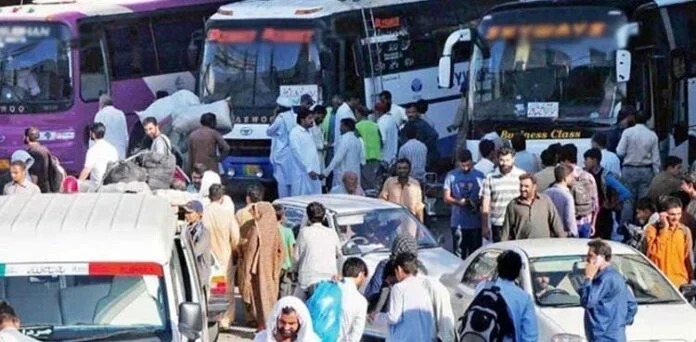
    The Sindh government has ordered an immediate reduction in public transport fares following a significant decrease in the price of high-speed diesel. According to local media reports, the Sindh Transport Department has directed transporters to pass the full benefit of the Rs32.63 per litre reduction in diesel prices on to passengers. The directive covers buses, minibuses, coaches, vans and other public service vehicles operating across the province. Transport authorities have also instructed operators to clearly display updated fare lists at vehicles and bus terminals. The move is aimed at ensuring that passengers receive the benefit of lower fuel prices and that transporters do not continue charging fares based on previous diesel rates. Officials have further been directed to conduct daily road inspections and check public transport vehicles to monitor compliance with the new instructions. Transporters found charging passengers excessive fares could face strict action. According to the Transport Department, penalties for violations may include fines, suspension of route permits and cancellation of vehicle fitness certificates. Authorities have also been instructed to submit daily implementation reports to the Sindh Transport Department. The directive comes after the price of high-speed diesel was reduced by Rs32.63 per litre, bringing its new price to Rs363.06 per litre. The reduction is expected to lower operating costs for public transport operators and has prompted authorities to seek a corresponding reduction in passenger fares. Public transport fares are an important issue for millions of commuters, particularly low-income workers, students and daily wage earners who rely heavily on buses, minibuses and other shared transport services. The Sindh government’s decision is therefore likely to attract considerable attention from passengers who have been waiting for transport fares to reflect changes in fuel prices. The enforcement mechanism will be crucial in determining whether commuters actually receive the benefit of the diesel price reduction. Daily inspections and penalties could help prevent transport operators from charging fares above the officially approved rates. Authorities have emphasized that transporters must comply with the new instructions and ensure that revised fares are clearly communicated to passengers. The latest move represents an effort by the provincial government to link public transport fares in Sindh with changes in fuel prices and provide immediate relief to commuters following the reduction in diesel costs.

Leave a Reply

Your email address will not be published. Required fields are marked *