pakistan turns leaders
| |

Pakistan turns 79, leaders call for unity, reform …

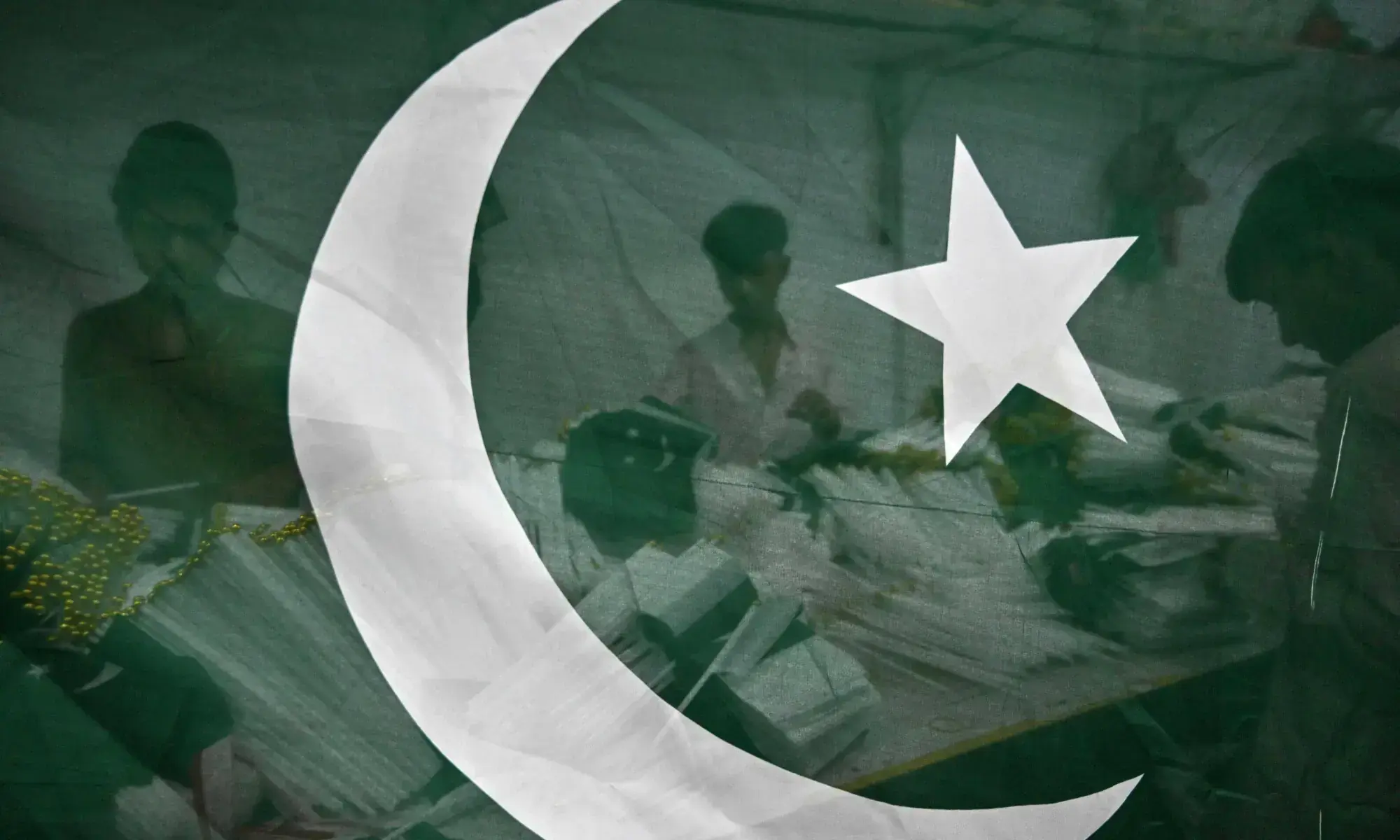
ISLAMABAD: As Pakistan marked its 79th Independence Day on Friday, the country’s civilian and military leadership delivered a common message: the sacrifices that created Pakistan must now be matched by unity, institutional reform, economic progress and opportunities for its people.

Independence Day celebrations began across the country with traditional ceremonies. A 31-gun salute was held in Islamabad, while 21-gun salutes were fired at provincial headquarters. At the mausoleum of Quaid-i-Azam Muhammad Ali Jinnah in Karachi, a change-of-guards ceremony was also held to honour the founder of Pakistan.

The messages issued by President Asif Ali Zardari, Prime Minister Shehbaz Sharif and the armed forces focused not only on Pakistan’s past but also on the challenges shaping its future.

Zardari urges reforms and investment in youth

In his Independence Day message, President Zardari paid tribute to the leaders of the Pakistan Movement and millions who made sacrifices for an independent homeland.

He described independence as more than a historic achievement, saying each generation had a responsibility to strengthen the country and build on the work of those who came before.

Reflecting on the country’s security challenges, the president said the events surrounding last year’s Marka-i-Haq had demonstrated Pakistan’s desire for peace as well as its determination to defend its sovereignty and national interests.

He also paid tribute to members of the armed forces, police and law enforcement agencies who had lost their lives while protecting the country.

The president stressed that Pakistan’s security was closely connected with peace in the region. He said the country would continue using diplomatic channels to encourage dialogue, reduce tensions and support regional stability.

But the strongest part of his message centred on domestic development.

Zardari called for economic, social and governance reforms, better education, stronger skills development and greater opportunities for young people. He said Pakistan’s youth represented the country’s greatest strength and that investment in their education and abilities would ultimately determine the nation’s future.

For ordinary citizens, he noted, national progress should be visible in everyday life — through better education and healthcare, employment opportunities and greater economic security for families, farmers, workers and businesses.

PM Shehbaz highlights economic progress

Prime Minister Shehbaz Sharif also called for national unity while highlighting what he described as economic achievements made during the past two-and-a-half years.

He said Pakistan had navigated difficult circumstances and moved towards economic stability, while remittances from overseas Pakistanis had risen by $11.3 billion over two years.

The prime minister identified information technology, innovation, industrial and agricultural development, employment creation, education and skills training as key priorities for the government.

He also praised the armed forces for their role during Marka-i-Haq and reaffirmed Pakistan’s commitment to defending its national interests, including its water resources.

Shehbaz pointed to the Makkah Joint Defence Agreement involving Pakistan, Saudi Arabia and Turkiye as evidence of Pakistan’s growing strategic importance.

He also reiterated Islamabad’s support for the people of occupied Kashmir and Palestine, while calling for diplomatic solutions to regional disputes.

Military leadership calls for unity

Chief of Defence Forces and Chief of Army Staff Field Marshal Syed Asim Munir, Chief of Naval Staff Admiral Naveed Ashraf and Chief of Air Staff Air Chief Marshal Zaheer Ahmed Baber Sidhu also issued Independence Day messages.

According to ISPR, the armed forces paid tribute to Jinnah, the country’s martyrs, veterans, law enforcement personnel and citizens who had served Pakistan.

The military leadership reaffirmed its commitment to defending Pakistan’s sovereignty and territorial integrity, upholding the Constitution and protecting national interests.

The message also stressed that Pakistan’s real strength lay in the unity and collective determination of its people.

As the green and white flags filled streets, buildings and homes across the country, the leadership’s messages offered a reminder that Independence Day is not only about remembering 1947.

It is also about asking what Pakistan can become in the years ahead — a country where security is matched by stability, economic growth by opportunity, and national strength by better lives for its people.

The shared call from the leadership was clear: unity, discipline and meaningful reform must turn the promise of independence into progress for every Pakistani.

Similar Posts

  • | |

    UK assures swift action on Pakistani student visas

    British High Commissioner Jane Marriott has assured Pakistan that the issue of delays in student visas will be addressed. Marriott gave the assurance during a meeting with Federal Minister for Law and Justice Azam Nazeer Tarar. The meeting was held as concerns grow over delays faced by Pakistani students seeking to travel to the United Kingdom for higher education. During the meeting, Tarar raised the issue of delayed visa processing with the British envoy. He conveyed the government’s concerns over the difficulties being faced by Pakistani students. The minister said hundreds of Pakistani students could lose their academic year because of the delays. Many students require timely visa decisions to join their universities and begin their studies according to the scheduled academic calendar. Tarar stressed the importance of resolving the issue at the earliest. He said unnecessary delays could create serious academic and financial difficulties for students and their families. The British High Commissioner assured the minister that efforts would be made to address the matter. The two sides also discussed broader issues of mutual interest. They exchanged views on strengthening institutional communication and cooperation between Pakistan and the United Kingdom. The meeting highlighted the importance of maintaining effective coordination between the relevant institutions of both countries. Better institutional engagement could help resolve issues affecting students and other Pakistani citizens seeking services in the UK. The assurance comes amid concerns among Pakistani students about securing timely visas for their higher education programmes.

  • | |

    Mirwaiz slams demand to end refugee seats in AJK

    Hurriyat leader Mirwaiz Umar Farooq has strongly opposed calls to abolish the reserved legislative seats for Kashmiri refugees living in Pakistan, saying the voting rights of displaced Kashmiris are protected by constitutional and democratic principles and must not be undermined. His remarks came after reports that a banned Action Committee had demanded the abolition of seats reserved for refugees from Indian-administered Kashmir in the Azad Jammu and Kashmir (AJK) legislative framework. The proposal has sparked debate and criticism from political and social circles on both sides of the Line of Control. In a statement, Mirwaiz said millions of Kashmiri refugees residing in Pakistan have a legitimate constitutional and democratic right to participate in the electoral process, adding that these rights cannot be ignored or sacrificed. “The voting rights of Kashmiri refugees are an integral part of their constitutional and democratic rights,” he said, stressing that displaced Kashmiris deserve equal respect, representation and protection. Mirwaiz argued that the rights of refugees are inseparable from the collective rights of the people of Jammu and Kashmir. He maintained that any political movement claiming to represent Kashmiris must ensure equal representation for residents of every region and community without discrimination. He warned that protecting the interests of one group should never come at the cost of another group’s constitutional rights. According to the Hurriyat leader, justice, equality and mutual respect must remain the guiding principles in resolving issues affecting the people of Jammu and Kashmir. Calling for dialogue, Mirwaiz urged all stakeholders to engage in consultations and meaningful discussions to find a balanced and widely acceptable solution. He said consensus-based decision-making was essential to preserving unity and protecting the democratic rights of all Kashmiris. The statement also criticized attempts to alter the existing representation of Kashmiri refugees, arguing that such moves risk deepening divisions rather than strengthening democratic participation. The controversy over refugee seats has emerged during a politically sensitive period in Azad Jammu and Kashmir, with electoral issues drawing increased public attention. While supporters of the proposal argue that reforms are needed, opponents insist that any changes affecting refugee representation must respect constitutional guarantees and the political rights of displaced Kashmiris. Mirwaiz’s intervention adds a prominent voice to the debate, highlighting the need for dialogue and consensus rather than unilateral decisions on issues involving the constitutional and democratic rights of Kashmiri refugees.

  • | | |

    US can’t isolate Iran without China, NYT says

    WASHINGTON: The United States may find it difficult to economically isolate Iran completely unless China cooperates with Washington, according to a New York Times analysis, which highlights Beijing’s growing role in Iran’s oil exports and trade. China is Iran’s largest trading partner and a major buyer of its crude oil, giving Beijing considerable influence over the effectiveness of any US campaign aimed at cutting Tehran’s access to international revenue. According to figures cited in the analysis, China and Iran conducted around $41.2 billion in trade in 2025, while Chinese buyers imported approximately $31.2bn worth of Iranian crude during the same year. At times, Chinese customers have accounted for as much as 90 per cent of Iran’s total oil exports. That dependence creates a significant challenge for Washington. The United States can impose sanctions on Iranian banks, companies, oil traders and vessels, but cutting off those channels may not be enough if Chinese businesses continue buying Iranian crude. A particularly important role is played by China’s small independent refineries, commonly known as “teapots”. These private operators have relatively limited exposure to the global financial system, potentially making them less vulnerable to traditional US sanctions. The arrangement has allowed Iran to maintain an important source of revenue despite years of American restrictions. Continued Chinese purchases could therefore provide Tehran with the financial breathing room needed to withstand additional economic pressure. But Beijing has its own economic leverage over Washington. The New York Times analysis noted that China could potentially restrict exports of critical minerals needed by American technology and defence industries. Beijing has previously used restrictions on strategic minerals during periods of trade tension with the United States, demonstrating the potential economic cost of confrontation. That creates a difficult calculation for Washington. Increasing pressure on Iran could put the United States in a position where it also has to confront China, potentially widening an already complicated economic rivalry. The geopolitical equation is further complicated by developments in the Middle East. The analysis pointed to US military activity in the region and the movement of some American military assets from the Pacific. Chinese observers have interpreted such moves as potentially creating vulnerabilities in America’s strategic position in Asia. For Washington, the central question is therefore not simply how many sanctions can be imposed on Tehran. It is whether those measures can succeed while Iran retains access to one of its most important economic partners. If China continues purchasing Iranian oil and maintaining commercial ties with Tehran, Iran is unlikely to become completely isolated economically. The analysis suggests that Beijing’s decisions could ultimately determine how far the US pressure campaign can go — and whether Washington can tighten the economic screws on Tehran without opening another front in its increasingly complex relationship with China.

  • Peshawar bans horns, toy pistols and firecrackers on August 14

    Peshawar – The sale and purchase of bajays (horns), toy pistols and firecrackers have been completely banned on the occasion of August 14. According to details, the Peshawar district administration has announced strict measures to maintain law and order and ensure public safety during Independence Day celebrations. The sale and purchase of horns, toy pistols and firecrackers have been completely prohibited. According to a notification issued by the district administration, the restrictions have been imposed under Section 144 and will remain in effect until August 15. A complete ban has also been imposed across the district on aerial firing, fireworks, the sale of horns and firecrackers and one-wheeling. The administration has warned that legal action will be taken against anyone who violates the directives. Authorities have particularly appealed to young people to avoid dangerous and potentially fatal stunts such as one-wheeling in order to prevent possible accidents. The district administration has urged citizens to celebrate August 14 responsibly and fully cooperate with law-enforcement agencies to maintain a peaceful environment.

  • Kallar Syedan Hospital’s anesthesia services continue uninterrupted

    Kallar Syedan – Anesthesia facility continues at Kallar Syedan Hospital, process for alternate appointment started after one doctor’s resignation. Two specialist doctors performing duties in morning and evening shifts, three doctors have submitted applications for NOC, appointment of 10 doctors on lump sum basis also reached final stages. Regarding the news published about the Anesthesia department at Tehsil Headquarters Hospital Kallar Syedan, the hospital administration has clarified that the anesthesia facility is continuing as before and despite the resignation of one doctor, there has been no interruption in the provision of necessary surgical facilities including operations to patients. The doctor who resigned did so due to personal reasons, while the process for the alternate appointment of a specialist doctor to the vacant post has been started. According to the hospital administration, two specialist doctors are still performing duties in the Anesthesia department. Dr. Abdul Qayyum is performing his duties in the morning shift while Dr. Zaid bin Saif, Anesthesia Specialist, is performing his duties in the evening shift, due to which the series of operations and other necessary surgical facilities in the hospital are continuing as usual. The administration stated that after the resignation of one doctor, three doctors have so far submitted applications to obtain NOC for appointment to the vacant post, and appointment orders are expected soon. According to the administration, until the new doctor is appointed, the provision of necessary medical facilities to patients is being ensured through the current specialists. The hospital administration further stated that the appointment of 10 doctors on a lump sum basis at THQ Hospital Kallar Syedan is also in its final stages, and the completion of this process will help fulfill the shortage of medical staff at the hospital and provide better medical facilities to patients. Regarding the ENT department, the administration stated that the said post has been vacant for the past two years, however progress has also started in this regard. Dr. Hassan Arsalan, ENT Specialist, has submitted an application to obtain NOC for appointment at the hospital, after which his appointment process will be taken forward. The hospital administration clarified that all necessary operations, treatment and other medical facilities are continuing uninterrupted at the hospital and no patient is being deprived of necessary medical or surgical facility. All necessary arrangements are being made to maintain the continuity of medical services through the available medical staff. The administration said that contact with the relevant authorities is ongoing for the appointment of specialist doctors to the vacant posts, and as soon as the NOC process is completed, appointment orders for new recruitments are expected to be issued. The hospital administration expressed its commitment that every possible step will continue to ensure timely, quality and uninterrupted medical facilities for patients.

  • | | |

    Goods transport strike enters fourth day

    The nationwide strike by the All Pakistan Goods Transport Alliance has entered its fourth consecutive day. The continued suspension of freight services has raised concerns about possible disruptions to the supply of essential goods. Transporters say there has been no major breakthrough in talks with the government. They have therefore decided to continue their protest. Goods Transport Alliance President Malik Shehzad Awan said the government must take serious steps to end the deadlock. He said transporters were still willing to negotiate. However, he stressed that talks alone would not be enough. The transporters want clear progress on their demands before ending the strike. The ongoing protest has created uncertainty for businesses and traders. Goods transport vehicles play a key role in moving food, fuel and other essential items between cities. A prolonged strike could affect the movement of supplies. It could also create difficulties for wholesalers, retailers and consumers. There are concerns that shortages in some markets may push up prices. Food items could become more expensive if supplies remain disrupted for an extended period. The transporters launched the protest over rising petroleum prices. They are also opposing the government’s policy of changing petroleum prices on a daily basis. The alliance has demanded action on the issues affecting the transport sector. Transporters argue that frequent changes in fuel prices make it difficult for them to manage operating costs. They have called for serious engagement from the government. They want their concerns to be addressed through negotiations. Malik Shehzad Awan said the transporters had not closed the door to dialogue. However, he maintained that the government must demonstrate meaningful progress. The strike is affecting freight movement at a time when businesses depend heavily on road transport. Goods vehicles are used to supply markets across the country. If the deadlock continues, the impact could become more visible in local markets. Traders may face delays in receiving supplies, while consumers could face higher prices. The transporters have not announced a deadline for ending the strike. They are waiting for further government action and progress on their demands.

Leave a Reply

Your email address will not be published. Required fields are marked *