south korean president
|

South Korean President Lee Jae Myung calls for peace talks with North Korea

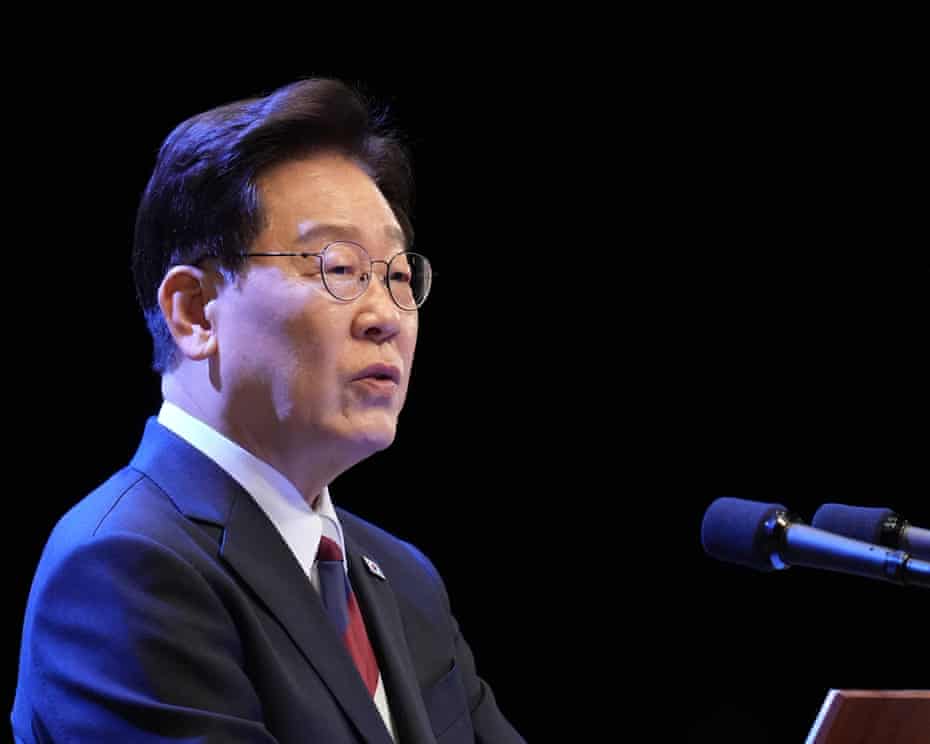
South Korean President Lee Jae Myung has urged North Korea to return to dialogue to establish a permanent peace regime and formally conclude the 1950–53 Korean War. Delivering a speech to mark the anniversary of Korea’s liberation from Japanese colonial rule, Lee emphasised the necessity of peaceful coexistence and proposed diplomatic discussions to address Pyongyang’s nuclear capabilities alongside regional security safeguards.

The Korean War concluded with an armistice agreement rather than a formal peace treaty, leaving the peninsula in a technical state of conflict for decades. Lee affirmed that Seoul is prepared to implement pre-emptive measures to reduce military friction and prevent escalation, building upon earlier pledges to respect North Korea’s governance system.

Diplomatic relations between the two nations remain strictly frozen, with North Korean leader Kim Jong-un officially abandoning reunification goals and designating South Korea as a primary adversary. Pyongyang has repeatedly rejected previous diplomatic overtures from Seoul while criticising joint US–South Korean military exercises. Additionally, Lee addressed regional affairs with Tokyo, advocating for an approach that confronts historical grievances while fostering future cooperation with Japan as a neighbouring state.

Similar Posts

  • |

    Oil prices slide as US-Iran tensions ease

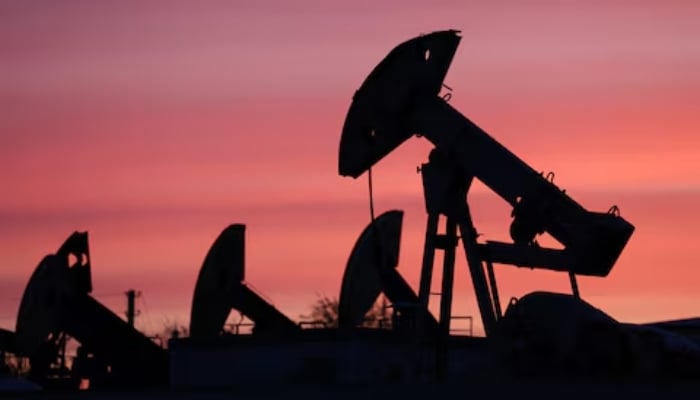
    Global oil prices declined by about 1% on Tuesday as investors assessed the possibility of a diplomatic breakthrough between the United States and Iran. Brent crude futures fell by 54 cents, or 0.6%, to $87.82 a barrel. US West Texas Intermediate crude dropped 66 cents, or 0.8%, to $81.95 a barrel. Both benchmarks had fallen by around 1% earlier in the session. They reached their lowest levels in more than a week. The decline came after US President Donald Trump said Washington was engaged in positive talks with Iran. He also indicated that a settlement could be possible. However, Trump warned that US strikes could resume if negotiations fail. Iran has also indicated that it would respond to further attacks. The possibility of diplomatic progress has reduced some concerns about disruptions to oil supplies from the Middle East. Analysts said the market remained highly uncertain. Any breakdown in negotiations could quickly push oil prices higher. Concerns about attacks by Yemen-based Houthi fighters have also influenced the market. Officials in Yemen have warned that the Houthis could seek to disrupt shipping through the Bab el-Mandeb Strait. The waterway is an important route for international energy shipments. Market analysts remain uncertain about whether the Houthis have the ability to impose a complete blockade. However, shipping activity in the Red Sea and nearby waters has already declined significantly. The Strait of Hormuz is another major concern for energy markets. It is a key route for global oil shipments. Recent data showed that oil and refined product exports through the strait had dropped sharply. Net exports averaged around 2.9 million barrels per day in the week ending July 24. The figure was nearly 5.9 million barrels per day during the previous week. The lower shipping volumes have added to concerns about global energy supplies. However, analysts said weaker demand was also preventing oil prices from rising further. Demand in Asia has been particularly affected. Slower consumption could reduce pressure on the global oil market. Investors are also watching US energy inventory data. A preliminary market survey indicated that US crude oil stocks probably declined last week. Gasoline inventories were also expected to fall. Distillate stocks, which include diesel and heating oil, were estimated to have increased. The market is now closely following developments in US-Iran talks. A successful diplomatic agreement could reduce fears about supply disruptions and support the normal flow of energy shipments. A breakdown in negotiations, however, could revive concerns over attacks and shipping disruptions.

  • |

    Syria rejects Israel’s claim over airbase strike

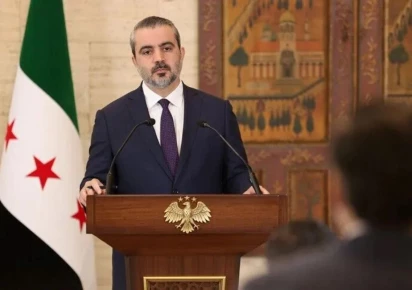
    Syria has rejected Israel’s explanation for an airstrike on a military airbase in northern Syria, saying there were no plans to establish a Turkish military base or permanent Turkish presence at the facility. Syrian Foreign Minister Asaad al-Shaibani said Damascus had informed Israeli officials about the nature of the work being carried out at Abu al-Duhur airbase before the attack. According to Syrian officials, the facility was being repaired and prepared for use by the Syrian Air Force. The work was focused on restoring runways and infrastructure damaged during Syria’s civil war. Israel carried out at least eight strikes on the airbase early Tuesday, hitting runways and hangars. The attacks reportedly damaged recently repaired sections of the facility. No casualties were reported. Israeli officials said the operation was aimed at preventing what they described as a Turkish military buildup at the site. Israeli Prime Minister Benjamin Netanyahu also said Syria had previously been warned against allowing a Turkish military presence at the base. Al-Shaibani strongly disputed that account. He said the airbase was largely empty and had not yet become fully operational. “There was no Turkish military buildup at the base,” the Syrian foreign minister said, arguing that the situation on the ground did not support Israel’s justification for the strike. He acknowledged that Turkish military officers had visited the facility shortly before the attack. However, he described the visit as part of broader military cooperation between Syria and Türkiye, including training and the exchange of expertise. Al-Shaibani said Syria had also developed military cooperation with countries including Saudi Arabia, Jordan, Qatar and Russia as it works to rebuild its institutions. He stressed that Syria is a sovereign country and has the right to establish partnerships with other states. The Syrian minister also said Syrian and Israeli officials had remained in contact before the airstrike. Damascus had reportedly explained that the facility would remain under Syrian control and that no permanent Turkish deployment was planned. Following the attack, Syria contacted the United States and other countries to protest the strike and seek measures to prevent similar incidents. Al-Shaibani said Damascus had warned Washington about what it described as Israel’s increasingly aggressive policies toward Syria. He also called for respect for Syrian sovereignty and warned against turning Syrian territory into a battleground for wider regional disputes. Despite the latest escalation, Damascus said it remained open to negotiations with Israel aimed at reducing tensions along their border. Al-Shaibani said Syria and Israel had previously spent months negotiating a security arrangement through US mediation. According to him, the two sides had made substantial progress and reached an understanding on paper, but Israel later failed to implement the agreed framework. The Syrian foreign minister said future negotiations could resume if there was genuine political will. He maintained that any security arrangement must address the concerns of both sides while respecting Syria’s sovereignty. Meanwhile, Türkiye has strongly backed Syria following the Israeli strike. Turkish Communications Director Burhanettin Duran criticised Netanyahu’s statements about Türkiye and accused the Israeli leadership of using threats against regional countries to divert attention from its own policies. Duran said Türkiye would continue supporting Syria and other countries seeking peaceful solutions to regional conflicts. He argued that Israel’s military actions in Gaza, Syria and Lebanon had contributed to growing instability across the region. He also said Ankara opposed policies that could widen the conflict. Duran stressed that Türkiye’s objective was to reduce bloodshed and promote peace, with the Palestinian issue and the situation in Gaza remaining among its key concerns.

  • | | |

    Iran claims drone strike on US base in Kuwait

    Iran’s Islamic Revolutionary Guard Corps (IRGC) says it will continue military operations aimed at responding to what it describes as acts of aggression against the country. Iranian authorities have also claimed that their forces carried out drone strikes against Camp Doha, a US military facility located in western Kuwait. According to Iran’s Tasnim news agency, the strikes targeted weapons storage facilities and logistical equipment used by US ground forces at the base. The Iranian military said the operation came in response to what it called repeated acts of aggression by the United States. Tehran has maintained that its military actions are intended to deter further attacks and demonstrate its readiness to respond to any threats against Iran. In a statement, Iran’s armed forces said they remain fully coordinated and prepared to confront any new military moves or hostile actions. The statement warned that Iran would deliver what it described as a strong and decisive response to any further aggression. Iranian officials described Camp Doha as an important regional support facility for US military personnel and equipment. The base has historically played a role in supporting American military operations and logistics in the Gulf region. The latest claims come amid heightened tensions in the region, with Iran and the United States continuing to exchange warnings and accusations. Any confirmed attack on a US military facility in Kuwait could further increase security concerns across the Gulf and raise fears of a broader escalation in the region. The claims regarding the reported drone strikes have been attributed to Iranian sources, and independent confirmation of the details was not provided in the original report.

  • | |

    Security measures strengthened ahead of second pha…

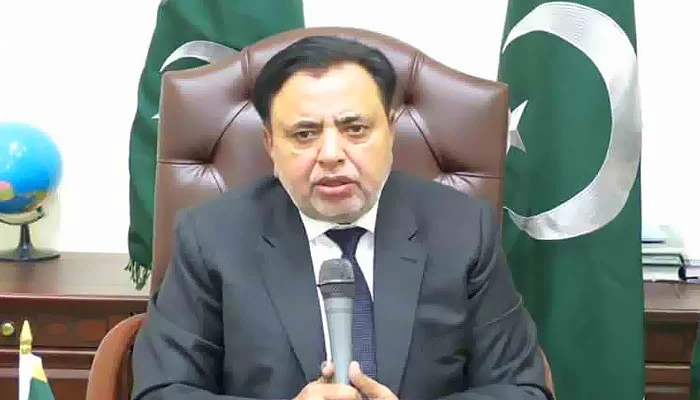
    Chief Election Commissioner of Azad Jammu and Kashmir, retired Justice Ghulam Mustafa Mughal, has said that the law and order situation in Muzaffarabad has improved, following concerns over uncertainty and security challenges in the city. Justice (retd) Ghulam Mustafa Mughal said that while there had been an atmosphere of uncertainty in Muzaffarabad the previous day, the situation had now become more stable and peaceful. He added that additional security personnel had been deployed at the two most sensitive constituencies in the region to ensure peaceful polling. The chief election commissioner said that security arrangements for elections on migrant seats in Pakistan were the responsibility of the relevant provincial governments. He explained that election materials had been dispatched to polling stations and that presiding officers had also left for their assigned areas. “Election equipment has been sent to the polling stations, and presiding officers have moved toward their respective locations,” he said, adding that in some remote areas, the transportation of election materials was continuing gradually due to logistical challenges. Justice Mughal confirmed that polling in Muzaffarabad would take place the following day and identified two constituencies—LA-5 Khawora and LA-3 Lajrat—as highly sensitive areas requiring additional security arrangements. He said extra security forces had been deployed at sensitive polling stations, while Quick Response Force units would also remain available throughout the polling process. In the event of any emergency or disturbance, the quick response teams would immediately intervene to control the situation and maintain peace. The chief election commissioner expressed confidence that the security arrangements would help ensure a smooth and transparent election process. He emphasized that all necessary measures were being taken to protect voters, polling staff, and election officials. Meanwhile, preparations for the second phase of the Azad Jammu and Kashmir elections have been completed. Polling will be held in three districts of the Muzaffarabad division as well as on 12 seats reserved for Kashmiri refugees living in Pakistan. According to the Azad Jammu and Kashmir Election Commission, the Muzaffarabad division consists of three districts: Muzaffarabad, Neelum, and Jhelum Valley. More than 890,000 registered voters are eligible to cast their ballots across these areas. A total of 208 candidates are contesting elections in nine constituencies across the three districts. The voting process will also include refugee seats representing Jammu and Kashmir Valley migrants who are currently residing in Pakistan. The Election Commission stated that six seats representing Jammu and six seats representing the Valley will be contested by Kashmiri refugees living in Pakistan. These seats are part of the legislative structure of Azad Jammu and Kashmir and allow displaced communities to participate in the political process. Authorities have increased security arrangements across polling areas to prevent any disruption and ensure that voters can exercise their right peacefully. Election officials have also directed security agencies and administrative departments to remain alert throughout polling day. The second phase of voting is being closely monitored due to the importance of the constituencies involved and previous concerns regarding security. Officials have assured that all necessary steps have been taken to conduct free, fair, and peaceful elections in the region.

  • | |

    Mild earthquake jolts parts of Karachi

    A mild earthquake was recorded in Karachi on Friday evening, with tremors felt across several parts of the city. The shaking caused brief panic among residents, although no casualties or damage were reported. According to the Pakistan Meteorological Department (PMD), the earthquake measured 2.9 on the Richter scale. The seismic event originated at a depth of 10 kilometres, with its epicentre located within Karachi. The PMD said the earthquake struck at 6:01 pm, and its relatively shallow depth allowed tremors to be felt in different neighbourhoods. Authorities said there were no immediate reports of injuries or damage to buildings or infrastructure. Residents in several areas experienced light shaking, but the situation remained calm after the tremors subsided. Officials continue to monitor seismic activity and have advised the public to remain alert while assuring that no emergency situation has been reported following the low-intensity earthquake.

  • | |

    Imran Khan’s sister secures transit bail in cybe…

    The Peshawar High Court (PHC) on Monday granted transit pre-arrest bail to Noreen Niazi, sister of incarcerated Pakistan Tehreek-e-Insaf (PTI) founder Imran Khan, in a case registered under the Prevention of Electronic Crimes Act (Peca) 2016. The court directed Niazi to approach the relevant Islamabad court by August 20 for further legal proceedings. Her protective relief will remain effective until that date. Justice Arshad Ali heard Niazi’s petition. Her legal team included Ali Zaman, Amir Zeb and Barrister Sarwar Muzaffar Shah. The National Cyber Crime Investigation Agency (NCCIA) registered the case in Islamabad on July 27. Niazi has been accused of making allegedly derogatory and inflammatory remarks about state institutions during a podcast and in video clips later circulated on social media. Her lawyers rejected the allegations and maintained that she had been falsely implicated. They argued that the case was politically motivated and that the authorities had not presented substantial evidence linking her to the alleged offences. The defence further claimed that attempts were being made to arrest and harass Niazi. The lawyers said the statements cited in the case had been taken out of context and wrongly interpreted. In its order, the PHC observed that the request for transit bail deserved consideration. The court subsequently granted interim protection subject to bail bonds of Rs80,000 and two sureties. Niazi later spoke to reporters and said she became aware of the case after arriving in Peshawar. She claimed that remarks she had made privately were allegedly passed on to authorities and subsequently became the basis of the case. She also alleged that several cases had been registered against members of Imran Khan’s family. Niazi questioned the allegations against her, saying she had never visited Peshawar and therefore had no involvement in matters concerning the province. The case emerged after the NCCIA summoned Niazi on July 20 over allegations involving the dissemination of what the agency described as false, offensive and inflammatory content concerning state institutions. The action followed the circulation of a video interview in which Niazi discussed the Pakistan-India military confrontation of last year. She made allegations about the circumstances surrounding the conflict and questioned the motives behind it. She also made claims involving Indian Prime Minister Narendra Modi, Israel and US President Donald Trump.

Leave a Reply

Your email address will not be published. Required fields are marked *