former senator mushtaq
| |

Former senator Mushtaq Ahmed Khan detained in Isla…

Islamabad Police have detained former senator Mushtaq Ahmed Khan over alleged violations of Section 144 and other charges linked to a protest rally in the federal capital.

According to police officials, authorities took Khan into custody after he allegedly participated in a rally without obtaining the required permission. Police also accused him of violating restrictions imposed under Section 144 and causing a disturbance during the gathering.

The authorities said the action followed the enforcement of restrictions on public gatherings and demonstrations in Islamabad. Section 144 allows the administration to impose temporary restrictions on public assemblies and other activities in order to maintain law and order.

Police officials maintained that the former senator had not secured official permission to hold the rally and that his participation in the gathering led to legal action. The exact circumstances surrounding his detention and the nature of the allegations will likely become clearer as the authorities proceed with the case.

Mushtaq Ahmed Khan, who previously served as a senator, has remained active in public and political affairs. His detention comes amid continued scrutiny of public demonstrations and political gatherings in the capital, where authorities often impose restrictions to prevent disruptions and maintain security.

Police have yet to disclose further details about the duration of Khan’s detention, the specific sections of law invoked against him, or whether authorities have formally registered a case. Further developments are expected as the situation unfolds.

Similar Posts

  • | | | |

    Saudi-led coalition hits Houthi military sites nea…

    The Saudi-led military coalition announced on Saturday that it had carried out precision strikes against Houthi military positions in Yemen’s Al Hudaydah governorate, saying the operation was aimed at neutralizing threats to commercial shipping in the Red Sea. In a statement, the coalition said the strikes targeted military sites linked to the Houthi movement and stressed that Al Hudaydah Port was not targeted during the operation. It added that all Yemeni ports remain open to maritime traffic and international shipping. According to the coalition, the destroyed targets were associated with activities that posed a threat to commercial vessels navigating the Red Sea, one of the world’s busiest maritime trade routes. Officials said the operation was part of ongoing efforts to safeguard regional security and ensure the uninterrupted flow of global trade. The coalition warned that it would continue to respond if Houthi forces carried out further hostile actions against shipping or Saudi interests. It also reiterated its commitment to protecting merchant vessels and the Kingdom’s strategic interests, saying military operations would continue whenever necessary to counter security threats. The latest strikes come amid heightened tensions across the Middle East, where attacks on commercial shipping have raised concerns among international maritime operators and governments. The Red Sea remains a vital corridor for global energy supplies and cargo traffic, making any disruption a matter of international concern. There was no immediate response from the Houthi movement regarding the coalition’s claims or the reported strikes. The situation in Yemen continues to be closely monitored, with regional and international observers warning that any escalation around key shipping lanes could have wider implications for global trade and security. Despite the latest military action, the coalition maintained that navigation through Yemeni ports and the Red Sea remains unaffected and commercial vessels can continue operating normally.

  • | |

    Iran summons French ambassador over diplomats accu…

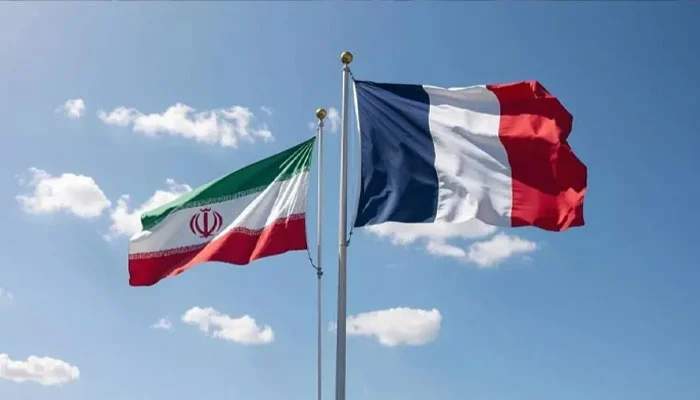
    Iran summoned the French ambassador in Tehran this week over allegations that two French diplomats interfered in the country’s internal affairs. A spokesman for Iran’s Foreign Ministry said the ambassador was called in specifically to address the conduct of the two diplomats stationed in Tehran. Speaking at a weekly press briefing, Esmaeil Baghaei said the meeting emphasized that the French government must halt what he described as interference in Iran’s domestic affairs carried out under misleading pretexts. Baghaei said both diplomats had been using contact with civil society groups as cover for activities that amounted to meddling in Iran’s internal matters, and argued that their conduct had no legal basis under the Vienna Convention on Diplomatic Relations. The dispute stems from an incident on July 20, when Iranian security forces detained the two French diplomats and questioned them for several hours before allowing them to return to the French embassy. One of the diplomats later alleged that he was subjected to physical mistreatment while in custody. French Foreign Minister Jean Noel Barrot condemned the episode, describing it as an extremely serious act of intimidation. The incident adds to a period of heightened friction between Iran and Western governments, as Tehran remains locked in a broader standoff with the United States and its allies over its nuclear program and regional activities, a dynamic that has repeatedly spilled over into diplomatic disputes with European nations in recent months.

  • | | |

    SBP to study daily fuel price impact on inflation

    ISLAMABAD: The federal government has directed the State Bank of Pakistan (SBP) to conduct a comprehensive study on how the daily revision of petroleum prices affects inflation, as authorities seek new measures to protect consumers from rising living costs and volatile global energy markets. The decision was taken during a meeting of the National Price Monitoring Committee (NPMC), which reviewed the country’s inflation outlook and discussed ways to minimise the impact of fluctuating fuel prices on households and businesses. According to officials, the SBP has been asked to prepare a detailed action plan within 15 days to evaluate the inflationary effects of daily adjustments in petrol and high-speed diesel (HSD) prices, following international best practices. The central bank is expected to recommend policy options that could help maintain price stability while supporting economic growth. The committee was informed that the SBP’s primary responsibility is to ensure price stability through effective monetary policy, including the use of interest rates to manage inflation expectations and regulate money supply. Alongside the SBP study, the NPMC instructed provincial governments, Azad Jammu and Kashmir, Gilgit-Baltistan and the Islamabad Capital Territory to strengthen market monitoring and prevent unjustified increases in the prices of essential commodities whenever fuel prices are revised. The committee also expressed concern over excessive pricing of liquefied petroleum gas (LPG), noting that consumers in many areas were paying significantly more than the official rates notified by the Oil and Gas Regulatory Authority (OGRA). Authorities have been directed to intensify monitoring and narrow the gap between notified and market prices. Officials said the recent regional conflict involving Iran had disrupted energy markets, contributing to higher LPG prices despite regulatory efforts. The meeting also focused on the prices of key food items, including tomatoes, chicken, wheat flour and edible oil. Representatives from the Ministry of National Food Security attributed the surge in tomato prices to seasonal shortages, explaining that Pakistan was importing tomatoes from Iran and Afghanistan to meet domestic demand. However, following the closure of the Afghanistan border, officials said additional tomato imports would now be sourced from Romania to prevent supply shortages and stabilise prices. To improve food quality and consumer protection, the Ministry of Science and Technology will work with the Pakistan Bureau of Statistics (PBS) and provincial authorities to develop testing standards for loose milk, dairy products, edible oil and ghee. Accredited laboratories will conduct regular testing, with quarterly reports submitted to the NPMC. The committee also urged authorities to reduce wholesale and retail price disparities across different cities, improve the supply chain for essential goods and work more closely with the private sector to arrange timely imports before seasonal shortages trigger sharp price increases. Officials expressed hope that stronger coordination, tighter market oversight and evidence-based policymaking would help ease inflationary pressures and provide greater stability for consumers in the coming months.

  • | |

    Sindh restores Saturday holiday for schools

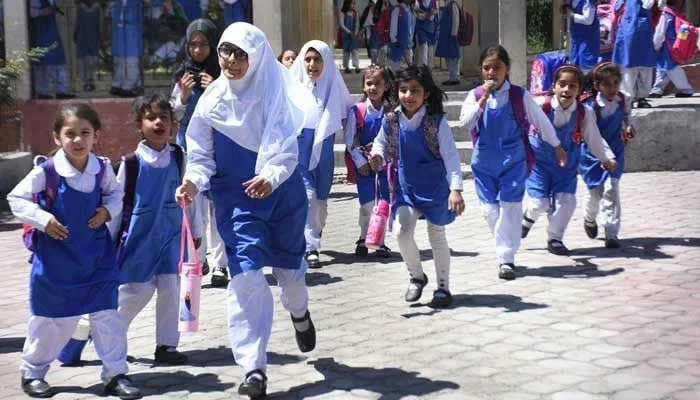
    The Sindh government has revised the weekly schedule for schools, restoring Saturday and Sunday as official weekly holidays for all public and private educational institutions across the province. According to the School Education and Literacy Department, the updated schedule has been approved by the chief secretary and will be implemented in all government and privately managed schools. Under the new arrangement, schools will operate five days a week, from Monday to Friday. To compensate for the reduced number of working days and ensure timely completion of the academic syllabus, daily teaching hours will be extended by one additional hour. Officials said the revised timetable aims to maintain the pace of academic activities while providing students and teachers with a two-day weekend. The latest decision replaces an earlier directive issued last month, under which all public and private schools in Sindh had been instructed to observe a six-day working week from August 1, with classes scheduled from Monday to Saturday. The change comes shortly after educational institutions resumed classes following the two-month summer vacation, which lasted from June 1 to July 31. Education authorities said the revised schedule will apply uniformly across the province and schools have been directed to implement the updated working days and teaching hours accordingly.

  • |

    UK’s new PM Andy Burnham cuts electricity ta…

    British Prime Minister Andy Burnham announced on Tuesday that his government would remove value-added tax from domestic electricity bills from October 1, cutting around £45 from the average annual bill of approximately £1,862 that households pay. The move, announced on his second day in office, is part of a series of early measures aimed at easing cost-of-living pressures and signaling his intent to deliver change after years of political instability. Burnham said the tax cut would be funded by savings from the cancellation of a £1.8 billion digital ID programme, which was announced on Sunday. “We’re taking immediate action to cut taxes on energy bills, put more money in people’s pockets and bring back hope,” he said in a statement, having pledged to give people more money to spend. The 56-year-old former Greater Manchester mayor wants to move quickly to show people he is “serious about helping them out.” He said on Monday that his early policies might not “take all of the pressure off” people struggling with rising prices, and that a longer-term plan would be set out later in the year. However, his calls for the governing Labour Party to get behind his agenda may have fallen on deaf ears. An ally of former prime minister Keir Starmer, Darren Jones, questioned whether the new leader had the money to cover his policy move on energy bills, saying the digital ID scheme was unfunded. Burnham, dubbed the “King of the North” for his dogged defence of Greater Manchester, is currently the most popular leader of Britain’s main political parties. But Britain’s revolving door of prime ministers over the past decade has underlined how quickly parties can move against leaders who are not seen as delivering for voters. In his first speech as prime minister on Monday, Burnham said his ambition was to end rough sleeping in Britain. He is also expected to consider caps on bus fares, something he implemented in Manchester, and other measures to back up his assertion that “I will put the care of people at the heart of everything I do.” The tax cut has drawn criticism from some quarters, with Ruth Curtice, chief executive of the Resolution Foundation, saying the move could benefit higher income families because the cuts were not targeted. “With bills still set to rise over £150 this October, this money would have been better spent on more targeted support,” she said. Despite the criticism, Burnham has said he will unveil more early policies, telling reporters he wanted his new government “to do some things that people will feel and feel quite quickly,” especially those on the lowest incomes. As he navigates the challenges ahead, Burnham’s early moves will be closely watched as a test of his ability to deliver on his promises and restore public confidence in the UK’s political system.

  • Pakistan entering era of national reforms, not systemic failure: Ahsan Iqbal

    Islamabad: Federal Minister for Planning, Development and Special Initiatives Professor Ahsan Iqbal on Monday said Pakistan had not failed as a state but had entered an era of national reforms, urging the country’s youth to lead the transformation with confidence, innovation and hard work. Addressing the launch ceremony of a national anthem marking Pakistan’s 79th Independence Day and the 150th birth anniversary of Quaid-e-Azam Muhammad Ali Jinnah, the minister said the country was standing at the threshold of a new phase driven by hope, national unity and economic revival. Rejecting claims that Pakistan’s institutions had collapsed, Ahsan Iqbal said the country was modernising its governance system and national priorities to meet the demands of the 21st century. “This is not the age of systemic failure; it is the age of national reform,” he said, adding that sustainable progress required continuity of reforms, national consensus and collective responsibility. The minister stressed that the challenges facing a country of more than 250 million people could not be addressed by elected representatives alone. He called for the active participation of youth, the private sector, civil society, experts and state institutions in driving national development. Highlighting the role of young Pakistanis, Ahsan Iqbal described them as the country’s greatest asset. “Our youth are not cockroaches; they are Iqbal’s Shaheens,” he said, urging them to embrace ambition, self-confidence and excellence in shaping Pakistan’s future. Referring to the country’s economic outlook, the minister said predictions made in 2022 about Pakistan defaulting had proved wrong, attributing the recovery to prudent economic policies, public support and collective national resolve. He said overseas Pakistanis were increasingly recognising the country’s improving economic trajectory. The minister said the government’s URAAN Pakistan initiative was a comprehensive national transformation framework aimed at building a one-trillion-dollar economy through export-led growth, technological advancement, energy security, digital transformation, human capital development and sustainable development. He added that significant investments were being made to equip young people with artificial intelligence, digital skills and future-oriented education, saying the youth were not only Pakistan’s future but also its present. Ahsan Iqbal said the newly launched national anthem symbolised national awakening and reflected the vision of Allama Muhammad Iqbal and Quaid-e-Azam Muhammad Ali Jinnah by inspiring young people to pursue knowledge, character, self-reliance and nation-building. He concluded by saying that Pakistan’s strength lay in the talent, resilience and determination of its youth and reaffirmed that URAAN Pakistan was a national mission rather than the agenda of any single political party, aimed at building a strong, prosperous and self-reliant Pakistan.

Leave a Reply

Your email address will not be published. Required fields are marked *