young minds internalize
|

Why young minds internalize being a burden

When a child begins to internalize the belief that their presence is an obstacle, the transformation rarely happens in an explosive moment. Instead, it is a gradual, quiet erosion of their sense of self-worth. Recent reports surrounding youth mental health have drawn urgent attention to how children absorb socio-economic pressure, domestic tension, and emotional distress. The youth has convinced themselves that their families would simply be better off without them.

Psychological research identifies a specific mindset known as perceived burdensomeness. It’s the distorted cognitive belief that one’s existence imposes an unmanageable drain on loved ones.  Adults often process household stress out loud through financial worries or fatigue. However, children are acute observers but poor interpreters of these adult struggles.

When young minds witness prolonged arguments over money, household strain, or family burnout, they frequently externalize the blame onto themselves. Rather than recognizing systemic or situational issues, a child’s natural self-referential worldview leads to a heartbreaking conclusion.

If I weren’t here, my parents wouldn’t be so stressed.

Triggers for Emotional Withdrawal in Children

  •  Hearing constant worry over basic living costs or healthcare expenses.
  • Feeling as though love or acceptance is tied strictly to high achievement or complete emotional compliance.
  • When overwhelmed caregivers unintentionally treat basic parenting duties as exhausting chores.
  • Receiving persistent feedback that their emotional or physical needs are too much to handle.

How Burden Beliefs Manifest in Everyday Behavior

Unlike adults, who might voice feelings of worthlessness directly, children express this weight through shifts in conduct. Identifying these subtle indicators early can make the difference between early intervention and severe psychological crisis.

From Obligation to Belonging

Addressing this internal crisis requires shifting household culture from transactional survival to unconditional emotional safety. Child mental health advocates emphasize that reassurance must go beyond simple verbal praise. It requires active, structural validation within the home.

A child needs to know that their value isn’t dependent on their convenience to adults. Love is not a debt they owe back to the family, but a foundation they stand upon.

Explicitly reassure children that adult challenges such as bills, jobs, or adult relationships are strictly the responsibility of grown-ups. Validate their requests for help, space, or care as healthy and welcome parts of growing up. Spend unhurried, non-evaluative time together where no performance or chore is expected.

Rebuilding a child’s foundational sense of belonging takes consistency, but by recognizing the early signals of perceived burdensomeness, parents and educators can intervene before silence turns into deep-seated trauma.


 

Similar Posts

  • Natural sugar may help cancer spread, study finds

    A new study has revealed that fructose (natural sugar) consumed as part of the daily diet may help certain types of cancer spread throughout the body. According to the study published in the scientific journal Nature Aging, cancer cells that survive chemotherapy do not remain inactive. Instead, they release fructose which activates other cancer cells allowing them to leave their original location and spread to other parts of the body. Experts say that excessive consumption of sugary drinks and beverages containing high levels of fructose may also increase the risk of cancer spreading even in patients who are not undergoing chemotherapy. The study further found that fructose causes changes inside cancer cells that make it easier for them to move from one part of the body to another. The research was conducted on ovarian cancer but experts believe that a similar process could also occur in pancreatic, colorectal and liver cancers.

  • Video games may improve memory

    Video games are often seen as just a form of entertainment but a new scientific review suggests they may also benefit the brain. A research review covering 20 years found that people who play video games may perform better in some mental skills especially memory. Researchers examined the results of many previous studies to understand how video games affect the brain. Their goal was to find out whether gaming can improve thinking and learning abilities. The review found a small but statistically significant link between playing video games and better cognitive performance. The strongest improvement was seen in memory. People who played video games generally scored higher in memory-related tests than those who did not. Experts say this may be because many games require players to remember information follow different events make quick decisions and plan strategies. Repeating these tasks can act as a form of mental exercise that helps strengthen memory. Some games also require players to focus on several things at once keeping the brain active. The research also looked at other mental abilities including spatial skills visual attention cognitive control and intelligence. Gamers showed slightly better performance in these areas as well but the biggest and most consistent benefit was found in memory. Researchers noted that not all video games have the same effects. The studies included different types of games such as action games and brain training games as well as participants of different ages.  These differences may explain why the results were not exactly the same across all studies. The researchers also cautioned that it is still too early to say that video games can greatly improve all mental abilities in daily life. More long term studies are needed to understand how long these benefits last and how useful they are in everyday activities. Health experts say playing video games in moderation may support brain health but it should be combined with a balanced diet regular exercise enough sleep and healthy screen time habits. When enjoyed as part of a balanced lifestyle video games can offer both entertainment and potential mental benefits.

  • How to stay positive during difficult times

    Life is full of both success and failure. Sometimes our hard work brings rewards while at other times we face criticism disappointment or feelings of failure. How we respond to these difficult moments can shape our future. Some people hold on to anger and negative thoughts which only increase their stress. Others choose to learn from their struggles and use them as motivation to grow stronger and achieve their goals. Experts say that turning negative energy into positive energy means using your mental emotional and physical strength in healthy ways. This can help you build a happier calmer and more successful life. Here are some simple ways to develop a more positive mindset. •Recognize your feelings Negative emotions often begin with our thoughts. If you feel sad angry or stressed try to understand what caused those feelings. Remember that difficult emotions are usually temporary and can be managed. •Practice meditation or yoga Meditation and yoga can help calm the mind reduce stress and improve emotional balance.  Even a few minutes of daily practice can make a difference. •Be thankful Gratitude is a simple but powerful habit. Taking time to appreciate the good things in your life can improve your mood and help you focus on the positive. •Stay physically active Regular exercise is good for both your body and your mind. Physical activity releases natural chemicals called endorphins which help reduce stress and improve happiness. •Do things you enjoy Spend time on activities that make you happy such as learning a new skill reading books or enjoying a favorite hobby. These activities can help replace negative thoughts with positive ones. •Use positive self talk The way you speak to yourself matters. Instead of saying, “I can’t do this,” remind yourself, ” I can improve,” or “I will keep trying.” Positive words can build confidence and reduce negative thinking. •Stay away from negative people The people around you can influence your mood and mindset. Try to spend more time with supportive and positive people who encourage you to grow. Building a positive mindset takes time but small daily habits can help you become stronger more confident and better prepared to handle life’s challenges.

  • Are protein supplements safe for teens?

    Fitness and bodybuilding are becoming increasingly popular among young people. Many gym goers and athletes use protein powders and other supplements to build stronger muscles and improve their physical performance. But are these products always safe? A medical study published in the Proceedings journal of Baylor University Medical Center examined the effects of protein supplements. The researchers described protein powder as a “double edged sword” because it can be useful in some situations but may also cause problems when used incorrectly or unnecessarily. Protein is important for growing bodies The teenage years are an important stage of physical growth.  Protein helps the body build and repair muscles strengthen bones produce hormones and enzymes support the immune system and maintain overall growth. Most young people can get enough protein from a balanced diet. Foods such as milk, yogurt eggs, lentils, beans soy, fish, chicken lean meat nuts and seeds are good sources of protein. When are supplements needed? Many young people start drinking protein shakes after joining a gym playing sports or watching fitness videos on social media. Experts advise against using protein powders simply because a friend gym trainer or social media influencer recommends them. However some young people may need extra protein because of intense training dietary restrictions or certain health conditions. In such cases supplements should be used only with advice from a doctor or qualified nutrition professional. More protein does not mean more muscle Taking large amounts of protein does not automatically lead to bigger or stronger muscles.  Muscle growth also depends on regular strength training, enough calories proper sleep, rest and individual factors such as genetics. Taking more protein than the body needs can also add extra calories to the diet and may contribute to weight gain especially when physical activity is low. Some protein powders may contain extra ingredients. Some protein powders available in the market may contain added sugar artificial sweeteners, herbal ingredients extra calories or stimulant substances. The quality of supplements can also vary. Some products may not be tested as carefully as medicines which can create a risk of unwanted or undeclared ingredients. Who should be more careful? Young people with kidney disease or certain metabolic conditions should not take high protein supplements without medical advice. Anyone who is replacing regular meals with several protein shakes every day following an extremely restrictive diet or experiencing stomach problems after using protein powder should stop and seek professional advice. Protein shakes are not a replacement for food. Protein shakes cannot replace a healthy and balanced diet. Regular foods provide much more than protein. They also supply fiber healthy fats, vitamins minerals calcium iron and other nutrients that are important for healthy growth and development. Healthy habits come first for most young people, a balanced diet, regular exercise proper sleep and enough rest are the foundation of good health and fitness. Protein supplements can be helpful in specific situations but they should not be used simply because they are popular. If extra protein is needed it is best to choose the right amount and product with guidance from a qualified health professional.

  • | | |

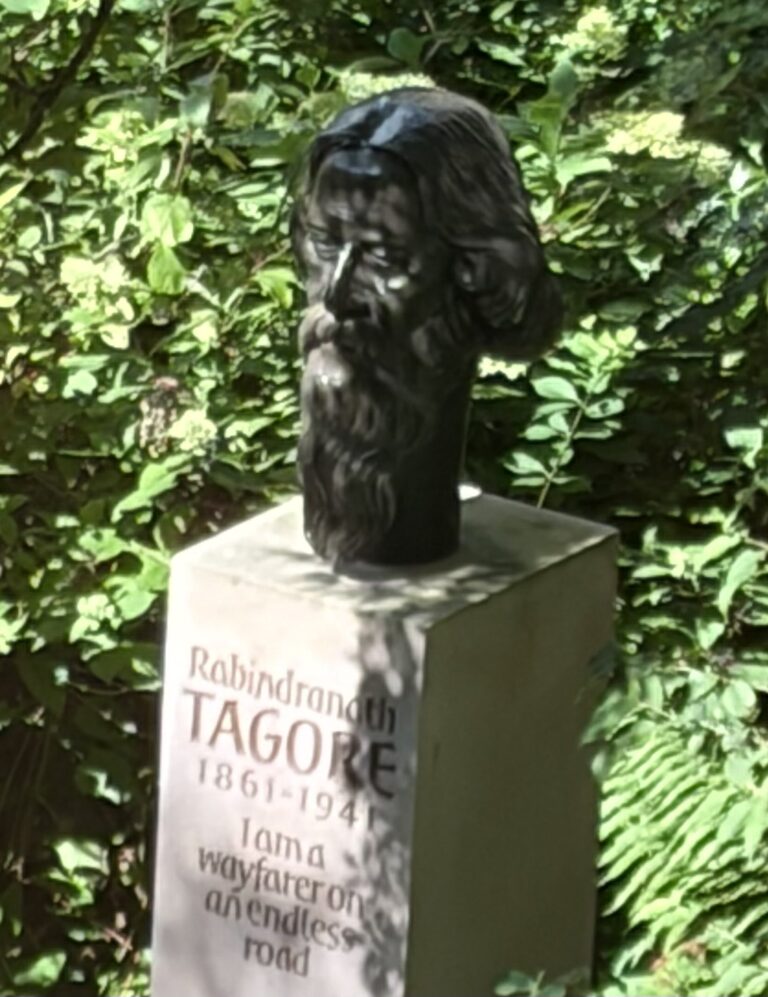
    Rabindranath Tagore’s statue in Edinburgh

    The Sandeman House garden in Edinburgh holds a bronze statue of Asia’s first Nobel laureate in Literature, Rabindranath Tagore. Inscribed upon the pedestal supporting his likeness are his famous words, “I am a wayfarer on an endless road.” A Cross-Cultural Bridge Travelers often seek out Scotland’s capital for its ancient castles, gothic architecture, and literary heritage tied to the likes of Sir Walter Scott or Robert Louis Stevenson. However, discovering Tagore’s presence in this peaceful courtyard offers a cross-cultural bridge. The statue, unveiled to commemorate the deep-seated connections between Scotland and India. It is particularly the intellectual dialogue between Scottish polymath Patrick Geddes and Tagore himself. This monument serves as a physical testament to a global humanism that transcends geographic boundaries. Tagore’s India Tagore was far more than a celebrated poet and author. He was an uncompromising philosopher, musician, visual artist, and social reformer whose thoughts shaped modern South Asia and beyond. At the heart of his vast body of literature lies a profound critique of borders, nationalism, and sectarian division. Tagore envisioned an India, and indeed a world, defined by radical openness. In his mind, India is a sanctuary where diverse faiths, ethnicities, and cultures could coexist in mutual respect. He rejected narrow chauvinism in favor of an inclusive internationalism, advocating for a world where the mind is without fear and the head is held high. Tagore’s Literary Legacy In the contemporary geopolitical landscape, Tagore’s ideals feel relevant. Across the globe, modern youth face a climate marked by rising social polarization, cultural fracturing, and ideological echo chambers. In response, a growing movement of young activists, writers, thinkers, and students are turning back to Tagore’s literary legacy as a blueprint for unity. They are rediscovering his essays and poetry not merely as historical artifacts, but as active tools to reclaim a society rooted in pluralism and dialogue. By reimagining Tagore’s vision for a modern era, today’s generation is fighting to restore an environment where freedom of thought, artistic expression, and inclusivity thrive over division. His stance on education emphasized learning in harmony with nature and breaking down rigid academic and social silos. Young scholars and community organizers are channeling this exact ethos, utilizing art, literature, and grassroots civic engagement to rebuild cross-cultural bridges in an increasingly fragmented world. Message of Universal Brotherhood   Standing before Tagore’s statue in Edinburgh’s quiet garden, one is reminded that his journey as a “wayfarer” was never meant to be walked alone. His message of universal brotherhood, preserved in stone far from his native Bengal, serves as a timeless compass. For the youth striving to cultivate a more empathetic and open world, Tagore’s endless road remains wide open, inviting everyone to walk forward together.

  • |

    Kashmir is beyond a geographic location

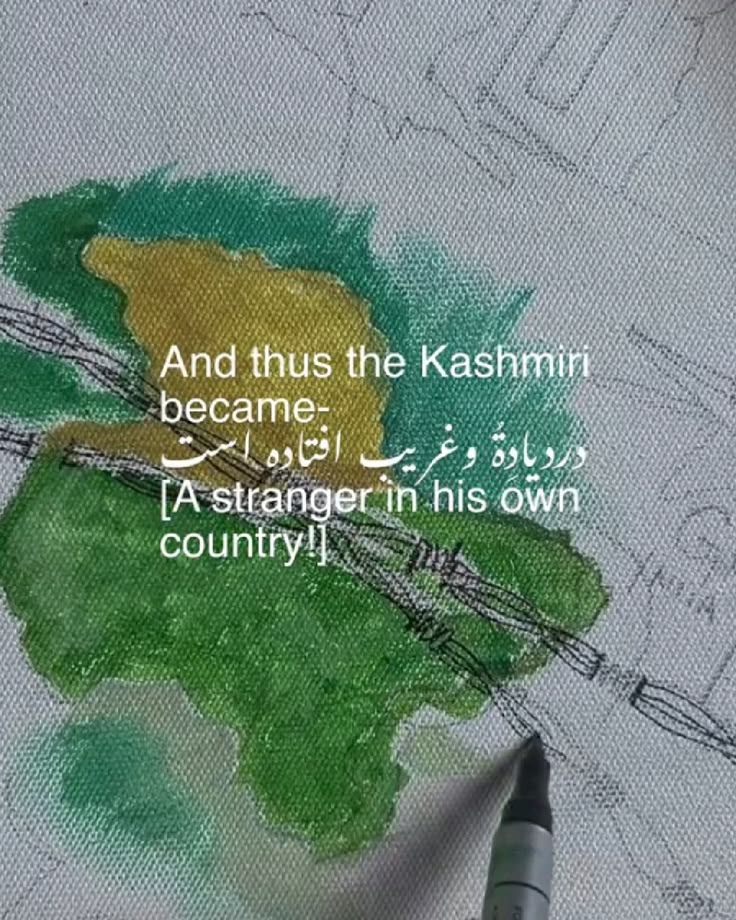
    For centuries, Kashmir has occupied a singular space in the poetic imagination. It is a region defined by a paradox. On one hand, earthly paradise of pristine lakes, towering snow-capped peaks and crimson autumn chinars. On the opposite, centuries of political upheaval, exile and grief. In literature, Kashmir is beyond a geographic location. It is a metaphor for divine beauty, and a testament to human endurance. The poetic tradition of Kashmir took root in spiritual mysticism and poignant lyricism during the medieval period. In the 14th century, the mystic poet Lal Ded pioneered the Vakh: four-line spiritual verse couplets in the Kashmiri vernacular. Her poetry bridged Hinduism and Sufism. It’s essence was inner purity, liberation, and the transcendence of physical suffering. I searched for my Self until I grew weary, No one, I thought, could reach this hidden knowledge. I plunged into it, and there found the jar of nectar. Habba Khatoon was known as the Nightingale of Kashmir. The 16th-century peasant-turned-queen introduced the Lol: a short, melodic form of love lyric. Her husband, King Yousuf Shah Chak, was exiled by the Mughal Emperor Akbar. Then, her poetry transformed into immortal songs of separation and longing. The spring has come, but you have not returned; My heart bleeds like the red bloom of the pomegranate. During the Mughal and Persian era, Kashmir became synonymous with heavenly superiority. The iconic Persian couplet often attributed to Amir Khusrow or Mughal Emperor Jahangir summarized this adoration: Agar firdaus bar roo-e zameen ast, Hamin ast-o hamin ast-o hamin ast. (If there is a paradise on the face of the earth, it is this, it is this, it is this.) In the 20th century, Allama Iqbal, whose ancestors hailed from Kashmir, brought a nuanced perspective to this paradise. In works like Javid Nama, he celebrated Kashmir’s breath-taking landscape while lamenting the subjugation and suffering of its people. He reflected on the region’s immense dormant potential in Payam-e-Mashriq: ​Pani tere chashmon ka hai aab-e-hayat, Aur tere kohsar hain qasran-e-kibriya. ​The water of your natural springs is the elixir of life, And your mountain ranges are towering palaces of divine grandeur. Iqbal’s verse moved beyond aesthetic wonder, using poetry as a call to dignity, resilience, and self-realization for the Kashmiris. In modern poetry, Kashmir’s narrative shifted dramatically toward exile, memory, and war. No poet captured this transition more powerfully than Agha Shahid Ali (1949–2001). He wrote primarily in English while employing traditional Urdu ghazal forms. Ali gave voice to the tragedy of late 20th-century Kashmir. In his seminal collection, The Country Without a Post Office (1997), Kashmir becomes a landscape of ghost letters, curfews, and faded memories. I write on fallen leaves and floating petals, I write to you from a country without a post office. Ali’s verse knits together global literary influences from Mahmoud Darwish to James Merrill. His poetry creates a poignant eulogy for a lost homeland. Their memory is anything but green, an white-hot fire. They burn down Kashmir in my veins. From the ascetic reflections of Lal Ded to the haunting elegies of Agha Shahid Ali, poetry has served as Kashmir’s truest archive. A disputed land of changing maps, borders, and historical conflicts. It’s the poetry that preserves the living soul of the land. The verses anchor its beauty, its heartbreaks, and its unyielding hope. Kashmir remains forever intact. It is an eternal paradise written in ink, surviving through the memory and voices of its poets.  

Leave a Reply

Your email address will not be published. Required fields are marked *