gold rates decline
| | |

Gold rates decline by Rs1,000 per tola

Gold prices continued to fall in bullion markets across Pakistan on Wednesday. The latest decline provided some relief to buyers as local rates moved lower.

According to the All Pakistan Gems and Jewellers Association, the price of gold decreased by Rs1,000 per tola. The new price was recorded at Rs426,436 per tola.

The decline was also seen in the price of 10-gram gold. Its rate fell by Rs857. The price reached Rs365,600.

The latest reduction comes amid continued movement in gold prices in both local and international markets. Gold rates in Pakistan are influenced by global prices, currency movements and trends in the domestic bullion market.

The international market also recorded a decline. The price of gold fell by $10 per ounce and reached $4,040 per ounce.

The fall in international prices has also contributed to the downward movement in domestic gold rates. Local jewellers and traders closely monitor global prices when determining daily gold rates.

Gold remains a popular investment and savings option in Pakistan. Changes in its price can affect both investors and consumers planning to purchase jewellery.

The latest decline may offer some relief to customers who have been facing higher gold prices. However, market rates can change quickly depending on international developments and currency fluctuations.

Jewellers are expected to continue monitoring the international bullion market. Any major movement in global gold prices could have a direct impact on domestic rates in the coming days.

For now, the latest figures show a downward trend in gold prices in Pakistan. The per-tola rate has fallen by Rs1,000, while the price of 10 grams has declined by Rs857.

Similar Posts

  • | |

    MLO removed after lapses in Mir Raza autopsy

    Authorities have removed Medico-Legal Officer Dr Osama from his post following an inquiry into serious shortcomings in the initial post-mortem examination of businessman Mir Raza Ali. Officials said the doctor has been directed to appear before the relevant authorities as part of an inquiry into the alleged procedural lapses. The action comes after questions were raised over the accuracy and completeness of the initial medico-legal examination. The case came under renewed scrutiny after a dispute emerged between police investigators and the Karachi police surgeon over shortcomings in the original medico-legal report. The family subsequently approached a Karachi court, seeking a fresh examination of the body. The court later permitted the exhumation of Mir Raza Ali. A second autopsy conducted after the exhumation reportedly found evidence indicating that the businessman had sustained a gunshot injury to the back. The new medical examination identified two gunshot holes in his clothing, along with several other injuries. Medical findings also reportedly included marks of violence, injuries to the feet, a fracture and a roughly 12-centimetre injury to the right thigh, as well as a deep injury and fracture around the jaw. A separate chemical examination has also added new dimensions to the investigation. According to the report, particles consistent with acid were detected on the victim’s shirt, while material associated with gunshot residue was also found. The report further indicated that efforts may have been made to conceal the victim’s identity and that fingerprints were not detected on his hands. Family lawyer Jibran Nasir has previously raised questions about the initial investigation, including the absence of an X-ray and the failure to establish the cause of death in the first examination. He has also alleged that acid burns may have damaged the victim’s face. The family has urged investigators to examine CCTV footage, digital records and other forensic evidence. Questions have also been raised over the handling of the victim’s mobile phone, smartwatch and surveillance recordings from locations linked to the case. Investigators are now examining additional evidence and locations connected to the death. Authorities have also moved to obtain the victim’s mobile data records and conduct geofencing around the relevant crime scene. The new probe team is also coordinating with the National Cyber Crime Investigation Agency to determine whether Mir Raza had received threats before his death. Mir Raza’s family has said it is cooperating with investigators and has provided information about several suspicious individuals and locations. His father, Mir Hussain, has expressed hope that the newly constituted investigation team will establish the facts and take the case to its logical conclusion.

  • | |

    741 dangerous buildings identified across Sindh

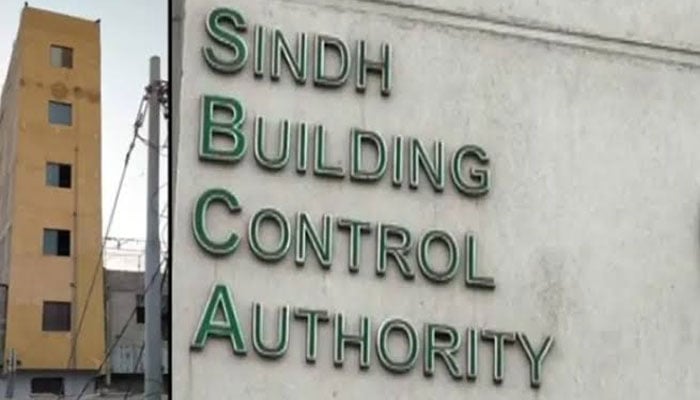
    The Sindh Building Control Authority (SBCA) has identified 741 dilapidated and dangerous buildings across the province. The disclosure was made during a meeting of the Sindh Assembly’s Public Accounts Committee (PAC) in Karachi. The meeting was chaired by PAC Chairman Nisar Khuhro. According to an official statement, the SBCA briefed the committee about the condition of buildings across Sindh. The authority said a large number of unsafe structures were located in Karachi. Of the 741 dangerous buildings identified across the province, 588 are situated in Karachi. The figure includes 444 buildings classified as heritage structures. The SBCA also informed the committee about steps taken to deal with buildings that pose risks to residents and the public. According to the authority, approval has been granted to evacuate 59 dilapidated buildings. Permission has also been given to demolish 39 structures considered dangerous. The issue of heritage buildings also came under discussion during the meeting. The Public Accounts Committee decided to summon the Heritage Committee at its next session. It also sought a detailed report on buildings constructed illegally around the Mazar-i-Quaid. The committee expressed concern over unauthorised construction in important areas of Karachi. It directed the relevant authorities to provide complete details of such structures. The meeting also discussed illegal housing schemes operating in Karachi. The committee was informed about 58 unauthorised housing schemes in the city. The PAC directed authorities to take steps to prevent people from investing in these illegal schemes. It also ordered action against individuals and groups involved in operating them. The committee further directed officials to identify and disclose the names of people involved in the illegal housing projects. The latest disclosure has raised concerns over the safety of residents living in old and structurally weak buildings across Sindh. The authorities are now expected to take further measures to identify unsafe structures, evacuate residents where necessary and remove buildings that pose an immediate threat. The issue is particularly significant in Karachi, where hundreds of old and heritage buildings are located in densely populated areas.

  • |

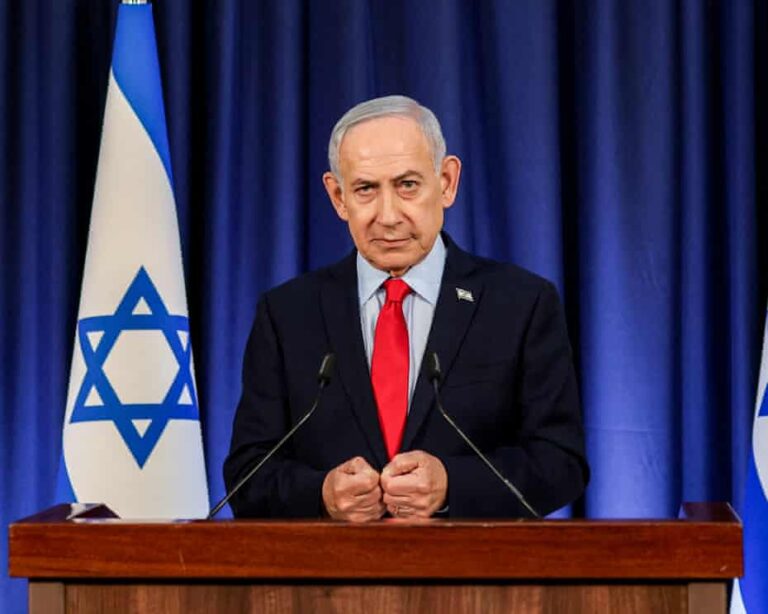
    Benjamin Netanyahu sparks diplomatic backlash after labelling UK an “Islamic republic”

    Israeli Prime Minister Benjamin Netanyahu has drawn widespread criticism following a radio interview in which he referred to the United Kingdom as the “Islamic republic of Britain” and suggested it could become the first Islamic republic with nuclear capabilities. The remarks, delivered during a broadcast on Israel’s Army Radio, have drawn condemnation for echoing far-right Islamophobic rhetoric. During the exchange, Netanyahu contrasted media coverage of the 1967 Arab-Israeli war with modern British politics, questioning whether contemporary UK figures would offer similar support. Pressed by the interviewer on whether such dynamics applied to Europe as a whole, Netanyahu doubled down, repeating the assertion regarding Britain’s nuclear status. His comments notably ignored the fact that Pakistan, officially an Islamic republic, has possessed a nuclear arsenal since the late 1990s. The incident has heightened existing diplomatic tensions between London and Jerusalem. The British Foreign, Commonwealth and Development Office described the statement as completely unacceptable and confirmed the matter had been raised directly with the Israeli government. Domestically, Israeli opposition figures criticized Netanyahu for alienating a strategic international partner amid mounting diplomatic isolation.

  • |

    Afghan fathers struggle as girls remain barred from secondary schools

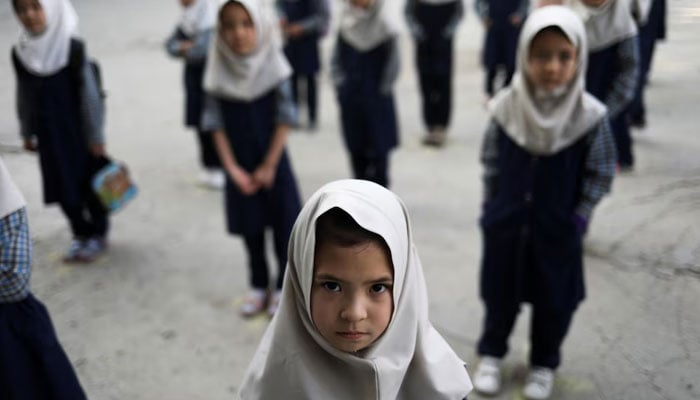
    KABUL: Afghan fathers are facing growing distress as their daughters remain unable to continue their education beyond primary school under restrictions imposed by the Taliban authorities. Families across Afghanistan say the education ban is creating deep emotional and financial pressure. Some fathers are openly questioning the policy, despite their religious beliefs and support for other government measures. The Taliban administration has defended the restrictions as temporary and based on its interpretation of religious principles. However, many Afghan men say they cannot understand why girls should be prevented from receiving secondary education. A United Nations survey conducted last year found that about nine out of 10 Afghan men considered it important for girls to attend secondary school. Nearly two-thirds also viewed supporting a daughter’s education as a religiously commendable act. Girls were barred from secondary schools after the Taliban returned to power in 2021. Women were later also prohibited from attending universities. The restrictions have affected a large number of young Afghan women and girls. For many families, the approaching end of primary education has become a source of fear. Fathers worry that their daughters will lose their chance to pursue higher education and build professional careers. One father, identified as Ahmad, said he had never imagined that his daughters could be forced to stop studying. His wife is a mathematics teacher who is also unable to continue teaching secondary-level students. Ahmad said his eldest daughter is approaching the end of primary school. The family has considered private and underground educational options, but the cost is difficult to manage. Another father, a doctor identified as Mohammad, said he had always wanted his daughters to attend leading universities. He believes women are essential to Afghanistan’s development and should have opportunities beyond household responsibilities. His daughters are approaching the age when they will be forced to leave formal schooling. The family has considered sending them abroad, including to Pakistan, but changing regional circumstances have made that option difficult. Some families have turned to private schools that secretly provide general education alongside religious studies. These institutions often charge high fees and may not provide recognised graduation certificates. Parents also fear that authorities could take action against schools operating outside official restrictions. This leaves families caught between protecting their children and trying to continue their education. Another father from Kandahar said his young daughter has a strong interest in astronomy. She asks questions about the solar system, gravity and science. The girl reportedly asked her father how she could continue learning if she could not study beyond the sixth grade. Her question has become a painful reminder of the limited opportunities available to girls. Some families have moved to Kabul in search of better educational opportunities. Others are relying on online courses, home schooling and secret classes. The restrictions are also affecting children emotionally. Parents say many girls feel frustrated, isolated and uncertain about their future. One father said his teenage daughter often stays at home and becomes deeply upset when she thinks about her education. He said he sometimes leaves the room because he cannot control his emotions and ends up crying privately. Another family has created a home-schooling routine using old secondary-school textbooks. The parents try to maintain a school-like schedule so their daughters can continue learning. However, the parents say home education cannot fully replace a formal school environment. They worry about the lack of recognised qualifications, social interaction and access to trained teachers. Some girls have also begun attending secret classes. Their families remain concerned about possible consequences if the authorities discover them. The prolonged restrictions have created uncertainty for an entire generation of Afghan girls. Parents fear that years without formal education will limit their daughters’ future opportunities

  • | |

    Relative held after toddler dies in alleged assaul…

    Police have arrested a close relative after a one-and-a-half-year-old girl died during treatment following an alleged sexual assault in Karachi’s Qayyumabad area. According to police officials, the incident came to light after an emergency call was received, prompting officers to reach the scene and begin an investigation. Family members told investigators that the suspect, who is a close relative of the child, had taken the toddler outside for a walk. When she was brought home, she was reportedly in critical condition. The child was immediately shifted to a hospital, where she later succumbed to her injuries despite medical efforts to save her. A doctor involved in the case said the initial medical assessment indicated signs consistent with sexual assault. However, authorities said the final cause and nature of the injuries will be determined after the completion of the medico-legal examination and forensic reports. Following the preliminary investigation, police arrested the suspect from his residence in Karachi. The accused remains in custody, and investigators are questioning him as part of the ongoing probe. Law enforcement officials said evidence is being collected and statements from family members and other witnesses are being recorded. Further legal action will depend on the findings of the medical and forensic examinations. The child’s funeral prayers were offered before she was laid to rest at a local cemetery in Karachi. Police said the investigation is continuing and assured that the case will be pursued in accordance with the law. The incident has drawn widespread concern, with calls for a thorough investigation and strict action against anyone found responsible.

  • |

    Coalitional fallout as violence and electoral fraud claims mar Azad Kashmir elections

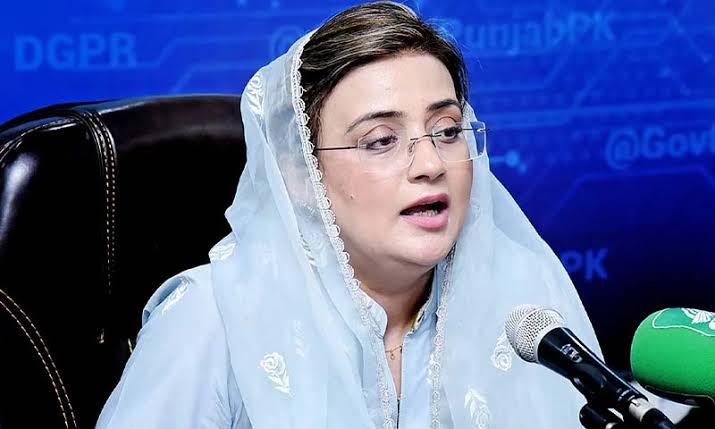
    A bitter clash between federal coalition partners has erupted over the Azad Jammu and Kashmir Legislative Assembly elections, following the death of a political worker and mutual allegations of voter fraud. The Pakistan Peoples Party (PPP) condemned the killing of 35-year-old party worker Mukhtar Younus during polling in Nikyal, Kotli. Addressing a joint press conference, Sindh Local Governments Minister Saeed Ghani directly blamed the Pakistan Muslim League-Nawaz (PML-N) candidate and supporters for the shooting, stating, “The way this election campaign was conducted, the result is that bullets are being fired today… Our workers are dying.” Ghani heavily criticised the Election Commission for failing to enforce code of conduct rules and accused the Punjab government of attempting to influence voters by promising public buses during the campaign. He also took aim at PML-N President Nawaz Sharif’s comparative statements regarding Sindh and Kashmir, asserting: “When you say ‘this is Kashmir, not Kashmore’ or ‘this is Mirpur, not Mirpur Khas’, you hurt the people of Sindh… Perhaps that is why people say the PML-N is not a national party but a Punjabi party.” Rejecting the accusations, Punjab Information Minister Azma Bokhari presented video footage alleging that a PML-N candidate discovered bags of pre-stamped ballot papers at the home of a PPP candidate in Kotli. Pointing out the contradiction, Bokhari remarked, “Yesterday they said they would not let rigging happen. Today they are rigging.” Defending her party’s track record, Bokhari argued that public transit is a basic necessity and noted that the promised buses for AJK had not yet begun operating. She maintained that voters in the Mirpur division were turning out despite boycott calls, seeking Punjab-style developmental projects such as electric buses, housing, and youth scholarships. Addressing queries regarding Nawaz Sharif’s interest in the region, Bokhari clarified that the former prime minister does not seek an official title, but simply wishes to offer development guidance to AJK due to his Kashmiri heritage.

Leave a Reply

Your email address will not be published. Required fields are marked *