childhood divorce linked

Childhood divorce linked to stroke risk

A new study suggests that people whose parents divorced during their childhood may have a higher risk of having a stroke later in life.

The research, published in the journal PLOS One looked at data from more than 13,000 adults aged 65 and older.

Researchers found that people whose parents divorced before they turned 18 were about 60% more likely to have experienced a stroke than those who grew up in families where their parents stayed together.

Lead researcher Dr. Mary Kate Schilke, a psychology lecturer at Tyndale University in Toronto said the increased risk remained even after taking other factors into account including smoking low physical activity lower income and education levels.

She said childhood parental divorce was still linked to a 61% higher risk of stroke in later life.

A stroke happens when blood flow to part of the brain is blocked or when a blood vessel in the brain bursts.  It can cause brain damage long term disability or even death if not treated quickly.

The researchers stressed that this was an observational study meaning it does not prove that parental divorce directly causes strokes.

However childhood family stress may be connected to other health conditions that increase stroke risk such as depression diabetes smoking and obesity.

Doctors say recognizing the warning signs of a stroke can save lives because early treatment is very important.

Common stroke symptoms include.

Sudden weakness or numbness in the face arm or leg especially on one side of the body.

•Trouble speaking or understanding speech.

•Sudden vision problems in one or both eyes.

•Difficulty walking dizziness loss of balance or poor coordination.

Experts say anyone with these symptoms should seek emergency medical care immediately as fast treatment can greatly improve recovery.
Similar Posts

  • |

    America’s premier tourist destination

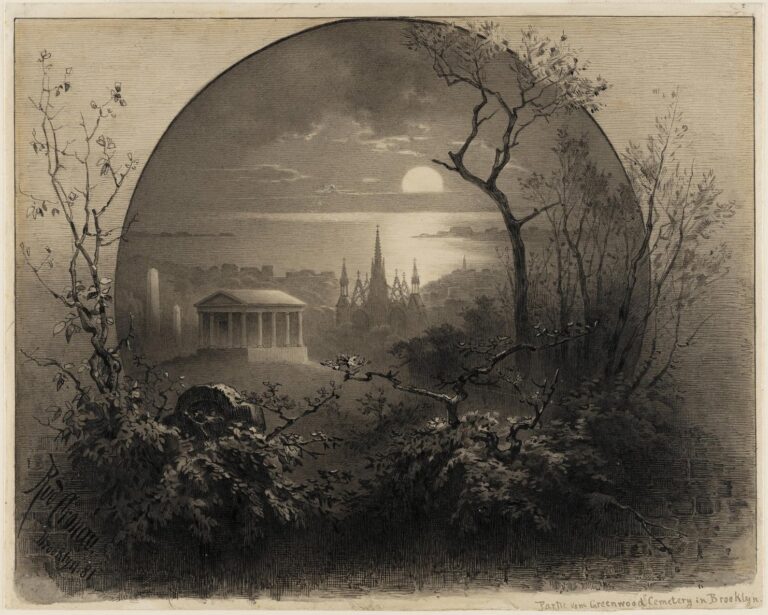
    During the early 1860s, an unexpected location ranked as the second most visited tourist spot in the United States: Green-Wood Cemetery in Brooklyn. Trailing only Niagara Falls in popularity, the vast burial ground welcomed roughly 500,000 visitors every year. Families routinely spent their afternoons strolling through the peaceful grounds. They took horse-drawn carriage rides and admiring the elaborate grand monuments across the landscape. When Green-Wood first opened its gates in 1838, New York City had virtually no public parks, as Central Park had not yet been conceived. By the time the early 1860s arrived, Central Park was only beginning to open its initial sections to the public. As a result, rural cemeteries like Green-Wood filled a massive void for city dwellers seeking fresh air, natural beauty, and a quiet escape from urban density. The unique charm and sweeping vistas of the cemetery caught the attention of Rudolf Cronau, a German-born illustrator and artist. Born in Solingen in 1855, Cronau trained at the prestigious Düsseldorf Art Academy under Andreas Müller before establishing his own studio. In 1881, he ventured across the Atlantic on an assignment for Die Gartenlaube, a popular German illustrated magazine. His mission was to document the landscapes, bustling cities, and diverse people of the United States, bringing the American experience to life for European readers through a mix of written reports and detailed artwork. While visiting Brooklyn in 1881, Cronau captured the cemetery’s famous skyline view in a artwork titled View from Greenwood Cemetery, Brooklyn. Rendered in delicate watercolor and black ink, the piece now resides in the permanent collection of the Brooklyn Museum. Cronau arranged his view in three distinct planes: an elaborate mausoleum anchored the foreground, Green-Wood’s iconic Gothic main entrance gates framed the middle ground, and the vast expanse of New York Harbor and the New Jersey coastline stretched out in the background. The mausoleum highlighted in the foreground of Cronau’s illustration belonged to John Anderson, a prominent NYC figure who amassed a massive fortune in the tobacco trade. Anderson, born in 1812, ran a well-known shop near Manhattan’s City Hall before eventually passing away in Paris in 1881.   Beyond serving as his final resting place, Anderson’s tomb was built as a bold political statement. Commissioned during the heights of the American Civil War, the Greek Revival-style structure was purposefully designed to symbolize a commitment to republican governance over monarchical rule, while serving as an unmistakable declaration of pro-Union support. Through art and architecture, a single cemetery hilltop managed to weave together personal wealth, national ideology, and one of the finest views of 19th-century New York.

  • | | | |

    Pakistani folklore

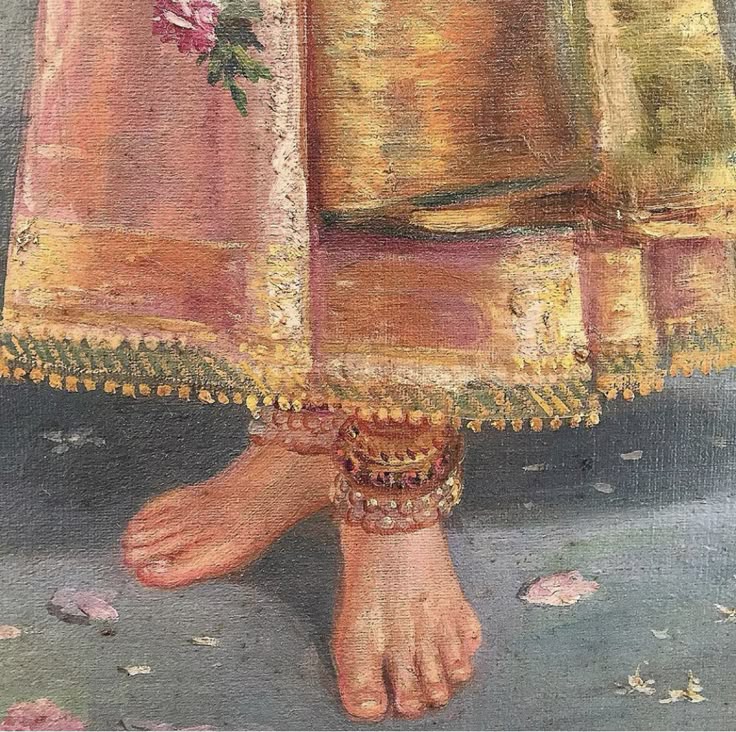
    Pakistani folklore is a vibrant web regional oral traditions, Sufi mystical allegories, and tribal epics across Punjab, Sindh, Balochistan, Khyber Pakhtunkhwa, and the northern mountain valleys. Punjab: Sufi Metaphors & Tragic Romances Punjabi folklore is dominated by tragic love stories (Kissa) that doubled as spiritual allegories for divine love (Ishq-e-Haqiqi). Heer Ranjha is immortalized by the poet Waris Shah. This narrative details the doomed union between Heer, a noblewoman, and Ranjha, an outcast flute player turned jogi. In case of Sohni Mahiwal, Sohni crosses the volatile Chenab River nightly using an baked earthenware pot (gharra) to meet her lover Mahiwal. One night, her sister-in-law replaces the vessel with unbaked clay. This  dissolves mid-stream, leading to Sohni’s tragic drowning. Mirza Sahiban is tale of romance, familial duty, and betrayal. The story culminated in Sahiban breaking Mirza’s arrows to protect her brothers. This act leads to Mirza’s demise. Sindh: The Seven Queens (Satt Surmyun) Sindhi lore centers around seven heroic women celebrated in Shah Abdul Latif Bhittai’s monumental Sufi compendium, the Shah Jo Risalo. Sassi (Sassi Punhun) searches the Makran desert for her abducted lover, Punhun, until the earth swallows her. Marui (Umar Marui) was abducted by King Umar. She refuses wealth and palace luxuries to remain faithful to her desert village. Moomal (Moomal Rano) operates the enchanted palace of Kak Mahal, tests suitors with magical illusions, and loses Rano to misunderstanding. Balochistan: Tribal Epics & Renunciation Baloch folklore prioritizes chivalry, tribal honor, and ascetic devotion. Hani and Sheh Mureed: The legendary hero Mureed sacrifices his marriage to Hani due to a bound oath given to Mir Chakar Rind. Mureed becomes a wandering dervish, becoming an archetype of ultimate devotion. Lulla and Granaz: Tales celebrating battlefield bravery, hospitality, and tribal allegiance. Khyber Pakhtunkhwa & Northern Valleys: Pashtun & Mountain Legends Adam Khan and Durkhanai: A Pashto romance where music plays a central role. Adam Khan’s soulful mastery of the Rabab brings the lovers together against social friction. Prince Saiful Muluk & Badri-ul-Jamal: Set in the high-altitude Kaghan Valley, a Persian prince falls in love with a fairy princess at Lake Saiful Muluk, giving the actual alpine lake its legendary name.

  • |

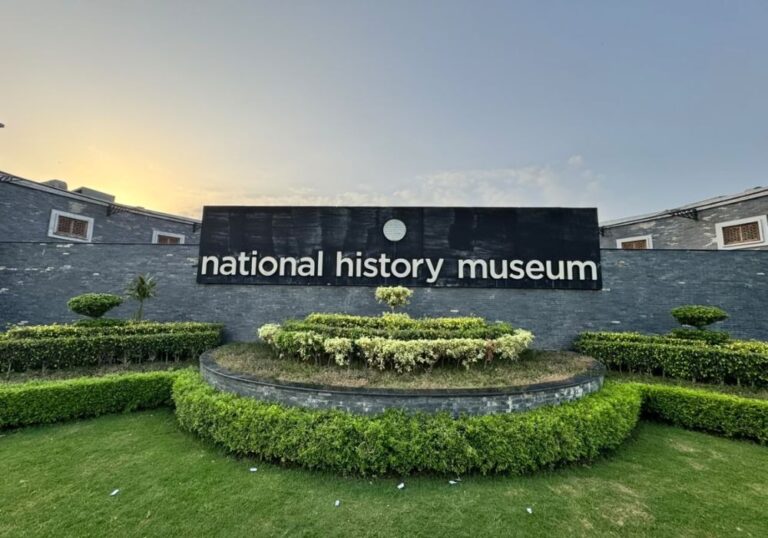
    Walking through time: A personal journey inside Na…

    The rain had just stopped when I reached Lahore’s National History Museum. The roads were quieter than usual, the air felt fresh and, for the first time in weeks, I wasn’t in a hurry. I had postponed this visit for years, ever since a brief stop during my internship at the Lahore Museum left me wishing for more time. This Sunday, I finally had it. I have also realised something over the past few weeks. Waiting for friends before exploring new places often means never going at all. So I decided to spend the afternoon on my own, following nothing except curiosity. As I entered the museum, Floor Supervisor Tabish welcomed me and arranged a guided tour with Muhammad Shamsher, a PhD scholar in History who also serves as one of NHM’s guides. His explanations never sounded like a lecture. Instead, he connected historical events with the people behind them, making every gallery feel like part of one continuing story. Growing up, I believed museums were places where objects sat behind glass while visitors quietly read information panels. That idea came from childhood visits to museums in Islamabad, Taxila and Harappa, and later from my internship at Lahore Museum. The National History Museum challenged that idea completely. Through digital displays, sound, projection and interactive exhibits, history became something to experience rather than simply observe. Every gallery encouraged visitors to slow down and become part of the story unfolding around them. One exhibit that caught my attention focused on the making of Minar-e-Pakistan. Like many Pakistanis, I had always admired the monument without knowing much about the person who designed it. The museum introduced architect Nasreddin Murat-Khan and displayed photographs that offered a glimpse into the creative process behind one of Pakistan’s most recognisable landmarks. It reminded me how often we celebrate monuments while forgetting the people who imagined them. The journey then moved towards Partition, where history became deeply personal. The restored railway carriage, once part of the North Western Railway, stood quietly inside the gallery. Visitors could step inside and experience a virtual reality presentation recreating the migration of 1947. I had watched countless documentaries and films about Partition, but sitting inside that carriage created an entirely different feeling. The sounds, voices and uncertainty surrounding the experience made history feel much closer than any textbook ever could. The museum then shifted from the birth of Pakistan to the challenge of building a new country. One gallery recreated the early government offices established after independence. I found myself studying old files, furniture and official records, imagining the enormous responsibility carried by those tasked with running a newly created nation. Nearby, early Pakistani passports were displayed inside glass cases. Different in design from today’s passports, they represented the same hope of a country beginning to define its identity. Another section I found especially engaging was Camera from the Past. Visitors could stand before a vintage-style camera and have their photograph taken, creating a small connection between the present and the past. The gallery also highlighted photographer Aziz Ahmed Azmi, whose images documented Pakistan’s early years. Looking at his work, I realised that photographs often become history long after the moment they capture has passed. Perhaps the gallery where I spent the most time was Popular Culture. Having studied Mass Communication with a specialisation in Theatre, Film and Television and continuing to work in journalism, I naturally found myself drawn towards the colourful Lollywood posters and displays celebrating Pakistan’s cinematic heritage. Reading about Azra, the country’s first colour film, and Zinda Laash, Pakistan’s first horror film, reminded me how rich our film history is, even if many younger audiences know little about it today. Before leaving, I also explored Husn-e-Hunar, an exhibition celebrating Pakistan’s traditional craftsmanship. Alongside literature, music and cultural displays, it served as a reminder that a nation’s identity is shaped not only by political events but also by its artists, craftsmen and storytellers. When I stepped back outside, I realised I had spent far longer inside the museum than I had planned. I didn’t leave with pages of notes or dozens of photographs. Instead, I left with a greater appreciation for how history can be presented when museums invite visitors to participate rather than simply observe. The National History Museum doesn’t just preserve Pakistan’s past. It encourages visitors to pause, ask questions and discover the stories that continue to shape the country today.

  • How to drink lassi without bloating

    Lassi is a popular summer drink in Pakistan. It feels refreshing and can help add fluids to the body.  However some people notice that drinking very cold lassi makes them feel bloated gassy, or heavy. One possible reason is that very cold drinks may temporarily affect the digestive process.  A sudden change in temperature can make the stomach work more slowly which may cause food to move through the digestive system at a slower pace. Another common reason is lactose a natural sugar found in milk and dairy products. Some people have difficulty digesting lactose.  When they drink lassi, they may develop gas stomach cramps bloating or discomfort. Lassi itself can be a healthy choice because yogurt contains probiotics which are helpful bacteria that support digestion.  The problem may occur when it is consumed in large amounts, made extremely cold or taken at an uncomfortable time. Drinking lassi immediately after a heavy meal may also make some people feel too full.  People who regularly experience bloating or gas after consuming dairy products may have difficulty digesting lactose. If you enjoy lassi but often feel uncomfortable afterward try drinking it at a moderate temperature instead of adding lots of ice. Keep the portion small and avoid adding too much sugar. You can also add mint or roasted cumin for extra flavor. People with sensitive digestion may prefer thin buttermilk which can be a lighter alternative. If dairy products regularly cause severe bloating, cramps or other digestive problems it is better to speak with a doctor to find out whether lactose intolerance or another digestive issue could be the reason.

  • Sitting on floor may support healthy aging

    LAHORE – Health experts say that if you want to live up to 100 years, you should adopt some important habits that most people tend to overlook. A study published last week claimed that the maximum possible human lifespan could reach 194 years. Scientists at the Skolkovo Institute of Science and Technology in Moscow say that if researchers can discover a way to limit cell death associated with aging, the human body may be able to function healthily for a longer period. Lifestyle factors cannot stop the natural biological aging process but they can help protect the body’s cells from premature death. The result may be not only a longer life but also a healthier and more active one. According to Dr. Claire Neyland, a general practitioner associated with the Preventive Healthcare Clinic (HOOQE), the real goal of longevity is not simply to add more years to life but to maintain a healthy and fulfilling life during old age. Dr. Neyland says planning for a long and healthy life should not begin at the age of 50 or 60. It is never too early to prepare for the future. By adopting healthy habits today, people can lay the foundation for a healthier, happier and more fulfilling life as they grow older. She said that eating a balanced diet, getting adequate sleep and exercising regularly are not the only things that matter. There are also some lesser-known but highly important daily habits that adults of all ages should incorporate into their routines. She explained that people generally spend most of their time sitting on chairs rather than on the floor. Sitting on the floor may help strengthen the lower body while also improving flexibility and balance. Moving from a sitting position on the floor to standing is a simple movement but it can quietly indicate whether the body is aging in a healthy way. On average, a person spends around 10 hours sitting each day which can have negative effects on the thigh bones, hip joints and pelvic-floor muscles. Sitting on the floor and getting back up requires leg strength, hip flexibility, balance and physical coordination. If these abilities are not regularly used, they can gradually weaken with age. People who maintain these abilities generally remain more independent and have a lower risk of falling. Falls are among the major causes of hospitalization and even death among older adults. According to Dr. Neyland, this habit can easily be incorporated into everyday life. For example, people can sit on the floor while watching television, play with children on the floor or do stretching exercises while sitting on the floor. If it is safe, they can also practise standing up without using their hands for support. Even performing this exercise a few times a day may help maintain mobility, flexibility and agility as the body ages.

  • Poor road conditions in Ginna

    Meer Baloch The poor condition of roads in Ginna, Kech, has become a serious problem for residents. Large potholes damaged road surfaces and the lack of proper maintenance make daily travel difficult and unsafe.   Students, patients, workers and elderly people suffer the most while motorists risk accidents and costly vehicle damage every day. During the rainy season these roads become even more hazardous, disrupting transportation and delaying emergency services. Good roads are essential for public safety and economic development, yet the people of Ginna continue to face neglect. I urge the concerned authorities to repair the damaged roads without further delay and ensure regular maintenance. The residents of Ginna deserve safe and reliable infrastructure.

Leave a Reply

Your email address will not be published. Required fields are marked *