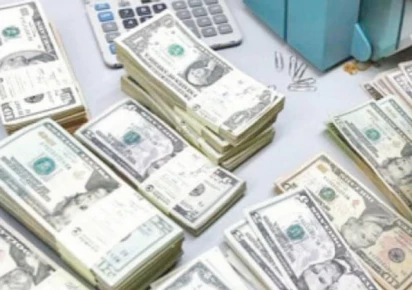
SBP reserves climb to $17.26bn
Pakistan’s foreign exchange reserves held by the State Bank of Pakistan (SBP) posted a slight increase during the week ending July 17. However, the country’s overall liquid reserves recorded a small decline as commercial banks’ holdings decreased.
According to the latest figures released by the central bank, SBP’s foreign exchange reserves increased by $33 million, taking the total to $17.26 billion. The increase reflects a gradual improvement in the country’s external financial position.
Despite the rise in the central bank’s reserves, Pakistan’s total liquid foreign exchange reserves slipped by $5.9 million to $22.67 billion. The decline was caused by a fall in the reserves held by commercial banks.
Commercial banks’ net foreign exchange reserves dropped by $38.7 million, bringing their total holdings to $5.41 billion. As a result, Pakistan’s total foreign reserves now provide import cover for nearly 2.5 months, highlighting the need for further improvement in external inflows.
The Pakistani rupee remained stable in the interbank market. It closed at Rs277.90 against the US dollar, compared with Rs277.91 a day earlier. The slight gain came as the US dollar also remained mostly steady in global markets despite continued geopolitical tensions.
Meanwhile, gold prices in Pakistan declined sharply after international bullion prices fell by more than two percent.
The price of 24-karat gold per tola dropped by Rs1,800 to Rs432,036. The price of 10 grams of gold fell by Rs1,543 to Rs370,401. Silver prices also moved lower, with the per tola rate declining by Rs33 to Rs6,370.
The decline followed a strong rally in the previous trading session when gold prices had increased significantly in the domestic market.
Internationally, gold prices fell after investors shifted their focus to rising oil prices and expectations that the US Federal Reserve may continue raising interest rates to control inflation. Spot gold traded near $4,047 per ounce, while US gold futures also recorded noticeable losses.
Global energy markets remained under pressure as Brent crude oil climbed to around $100 per barrel. Rising tensions in the Middle East and concerns over disruptions to oil supplies supported higher crude prices.
Analysts believe that increasing oil prices could push inflation higher around the world. This may encourage central banks, particularly the US Federal Reserve, to maintain a tighter monetary policy.
Higher interest rates generally reduce the appeal of gold because the precious metal does not provide any interest or fixed return to investors. As borrowing costs increase, investors often shift towards interest-bearing assets.