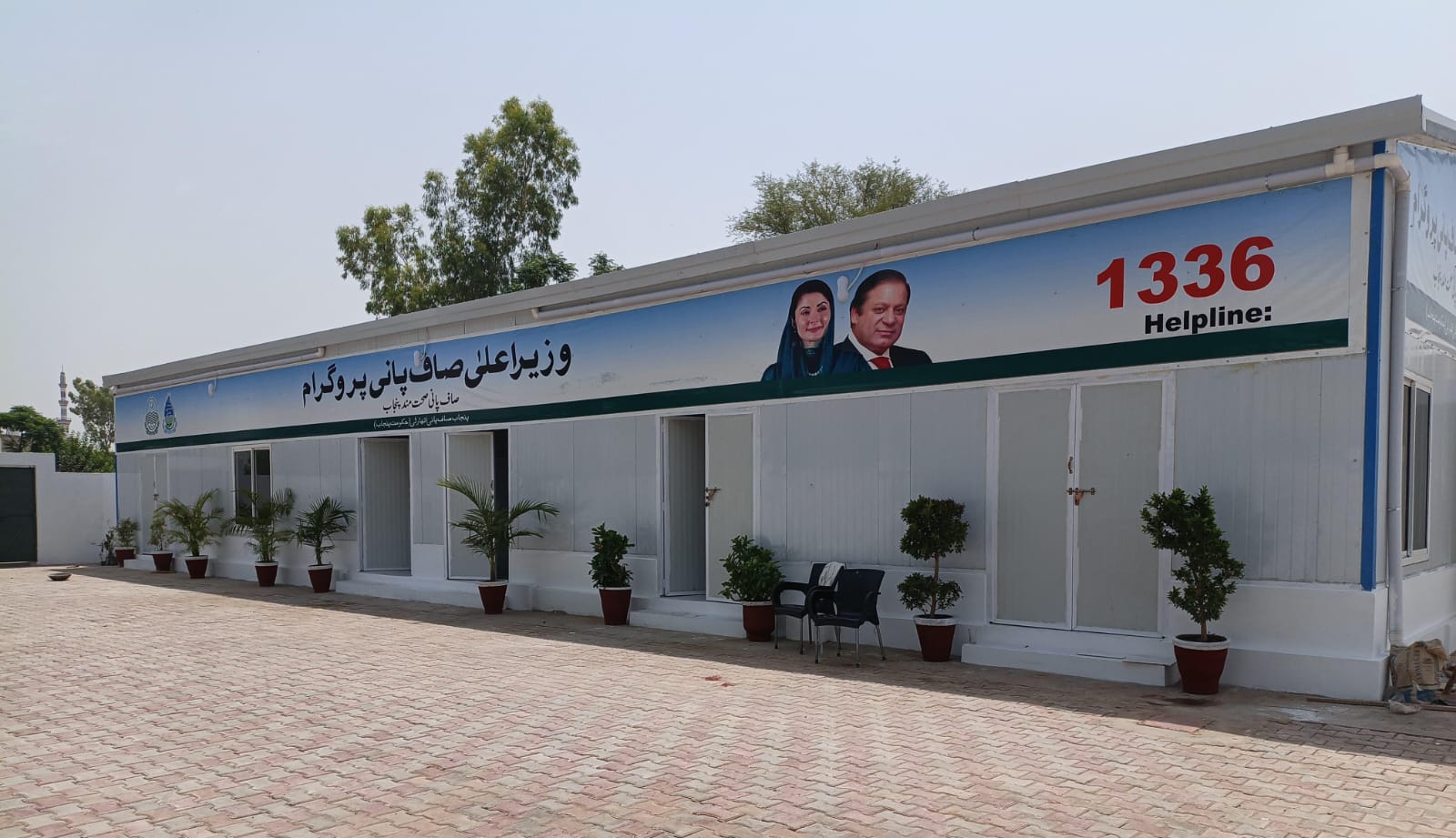
punjab clean water

Punjab Clean Water Program

By Saif Awan


Water is a tremendous blessing—a truth best understood by those for whom it remains a rare commodity even in this modern era. Across Pakistan, including several regions in Punjab, safe drinking water is still inaccessible to many. Local residents are often forced to travel miles just to fulfill their basic water needs. Even in Karachi, the country’s economic hub, clean drinking water remains scarce. Access to clean water is a fundamental necessity, fully appreciated only by those who yearn for it or those who truly grasp its importance.

Among basic amenities, safe drinking water holds the utmost priority. Clean water directly impacts not only human health but also education, the economy, the environment, and the overall quality of life.

In Punjab, several regions still lack access to safe drinking water. Settlement clusters in Southern Punjab, Cholistan, Thal, and the foothills of Koh-e-Suleman have historically faced a severe water crisis. For decades, millions of residents in these areas have been forced to consume groundwater that contains levels of salts, arsenic, fluoride, and other hazardous contaminants far exceeding international safety limits. Consequently, gastrointestinal, liver, kidney, skin, and bone diseases are widespread, while children’s physical development is severely compromised.

To ensure the public has access to safe, high-quality drinking water, Chief Minister of Punjab Maryam Nawaz has launched the **”Chief Minister Clean Water Program.”** The Punjab government has allocated PKR 8 billion for this initiative in the current fiscal year’s budget. Under this program, 5,600 water filtration plants are being installed across various regions of Punjab. All these filtration plants will undergo digital geo-tagging to facilitate continuous performance evaluation and real-time monitoring.

This project is far more than a routine development scheme; it is a vital public health, social welfare, and human dignity initiative aimed at bringing clean water to regions that have lacked this basic facility for years.

In several districts of Punjab, poor groundwater quality has been a critical concern for decades. High levels of Total Dissolved Solids (TDS), arsenic, fluoride, and nitrates not only affect the taste of water but also inflict long-term adverse health effects.

In the first phase of the Chief Minister Clean Water Program, areas facing the most acute water shortages were selected, specifically in Khushab, Dera Ghazi Khan, Rahim Yar Khan, and Bahawalnagar. State-of-the-art water bottling plants have been established in these districts, where water undergoes multi-stage purification in accordance with international standards. This purified water is then filled into 19-liter bottles and distributed to citizens free of cost. This initiative is especially transformative for families who previously had to travel several kilometers daily to fetch water or were forced to consume contaminated water.

The Punjab Saaf Pani Authority has deployed cutting-edge, internationally imported machinery for the project. Each plant features an advanced multi-stage purification system combined with rigorous laboratory testing to ensure that every drop delivered meets World Health Organization (WHO) standards. A single plant has the capacity to fill approximately 150 bottles per hour. Operating for just ten hours a day, one plant can cater to thousands of families daily. Alongside this, an advanced management system has been established to monitor plant efficiency, water quality, and the supply chain to ensure an uninterrupted supply of clean water to citizens.

A standout feature of this program is that the water bottling plants are powered by **Solar Energy**. This initiative will significantly reduce electricity costs while contributing to environmental conservation, carbon footprint reduction, and the realization of global Sustainable Development Goals (SDGs). Consequently, experts regard this project not merely as a water delivery scheme, but as a comprehensive strategy integrating health, environmental protection, and sustainable development.

Another key aspect of the initiative is its tailored design to accommodate elderly citizens, women, and persons with disabilities who cannot carry or fetch water from distant sources. Large water bottles will be delivered to designated distribution points, allowing residents to collect clean water easily. Additional distribution centers will be established in proportion to population density in each district to maximize public benefit.

The selection of the four initial districts—Dera Ghazi Khan, Khushab, Rahim Yar Khan, and Bahawalnagar—was not coincidental, but based on scientific and technical assessments. Groundwater in these regions has long been deemed unfit for human consumption. In many areas, TDS levels far exceed global standards, while the presence of hazardous elements such as arsenic, fluoride, and nitrates remains a constant concern.

The Chief Minister Clean Water Program is projected to benefit over 29 million citizens in the coming years. Initial results have been highly encouraging, and the government plans to phase this model into other districts, ensuring every citizen across the province gains access to safe, quality drinking water.

If the project maintains its current momentum and standard, it will evolve from a government scheme into a benchmark model for public health, social welfare, and sustainable development in Punjab.

Chief Minister Maryam Nawaz’s “Chief Minister Clean Water Program” is a direct effort to translate this vision into reality. By delivering quality drinking water to millions in remote and underdeveloped areas, its impact will extend well beyond healthcare to encompass education, the economy, the environment, and overall living standards.

The true success of any public project lies not in its announcement, but in its long-term outcomes. If the program continues to maintain transparency, quality, and steady expansion, it holds the potential to become a role model for safe water delivery across Punjab and all of Pakistan.

If every drop of clean water protects a family from illness, enables a child to pursue an education in good health, relieves a mother from the grueling task of fetching water from afar, and affords an elderly person a dignified life—then this is not merely a development project, but the beginning of a genuine transformation in human lives.

Similar Posts

  • Short intense exercise may benefit your body

    A new study suggests that you may not need to spend hours exercising every day to support your health.  Even a few minutes of very intense physical activity can cause important changes inside the body. Researchers found that intense exercise can quickly change hundreds of proteins in the blood These proteins are linked to heart health metabolism body fat and other important body functions. What did the study find? The researchers compared short high-intensity cycling with cycling at a normal pace.  Participants completed several 30-second bursts of very fast cycling with about four minutes of rest between each burst. After the intense exercise changes were found in 714 blood proteins. In comparison only 7 proteins showed similar changes after normal paced cycling. This suggests that exercise intensity can strongly affect how the body responds. What happens during intense exercise? During hard exercise the body produces different chemical signals.  One of them is called Lac-Phe, which has been linked to appetite energy use and other body processes. These signals may also affect metabolism and how fat cells work. Some of the protein changes seen in the study were connected to processes related to heart disease type 2 diabetes and obesity. Researchers also examined data from more than 53,000 people. Some of the proteins affected by intense exercise were linked to healthy aging heart health and the risk of metabolic diseases. Is a few minutes of exercise enough? The findings do not mean that three minutes of intense exercise can completely replace a longer workout.  Different types of exercise provide different benefits. Longer moderate exercise can still be important for improving endurance muscle strength and heart and lung health. However the study shows that even short periods of intense activity may have meaningful effects on the body. For people with busy schedules adding brief bursts of physical activity to their daily routine could be a practical option. However high intensity exercise is not suitable for everyone. People who have not exercised for a long time or have a medical condition should speak with a healthcare professional before starting intense workouts.

  • Stay safe from viral fever during monsoon

    When the rainy season begins after the hot summer cases of different illnesses often increase.  Viral fever is one of the common health problems people may experience during changing weather. Many people first develop a sore throat or runny nose followed by fever that may last several days.  It can leave the body feeling weak and may cause headaches body aches, chest discomfort or throat pain. Children older adults and people with weaker immune systems may be more likely to develop complications. A few simple habits can help reduce the risk of infections during the rainy season. Keep your hands clean Germs and viruses can stay on frequently touched surfaces such as door handles mobile phones railings and other objects. Wash your hands with soap and clean water for at least 20 seconds after returning home before eating and after using the bathroom.  If soap and water are not available use an alcohol based hand sanitizer. Try not to touch your eyes nose or mouth with unwashed hands. Eat a healthy diet A healthy diet supports the body’s immune system. During the rainy season include fresh fruits vegetables lentils, milk yogurt and eggs in your meals. Foods containing vitamin C and zinc can also be part of a balanced diet. Try to avoid unhygienic street food and foods that are heavily fried. Drink safe and clean water Rainy weather can increase the risk of infections caused by contaminated water.  Drink properly filtered or boiled water whenever possible. Avoid uncovered drinks and ice from places where water  quality is uncertain. Drinking enough clean water throughout the day also helps prevent dehydration. Take care after getting wet If you get caught in the rain change out of wet clothes as soon as possible and dry  your hair properly. Staying in wet clothes for a long time can make you uncomfortable and may contribute to illness. If needed take a warm shower and change into clean, dry clothes. Get enough sleep and rest Good sleep helps the body maintain a healthy immune system. Poor sleep and constant stress can affect overall health. Try to get around seven to eight hours of sleep each night. Light exercise walking or gentle yoga can also help keep the body active. Avoid close contact with sick people Some viral infections can spread through coughing sneezing and close contact.  Keep some distance from people who are sick and avoid crowded places when possible. Wear a mask when needed and do not share personal items such as towels drinking bottles or utensils with someone who is ill.  Cover your mouth and nose with a tissue or your elbow when coughing or sneezing. Pay attention to early symptoms Do not ignore symptoms such as fever sore throat headache runny nose or body aches. Get enough rest drink warm fluids and monitor your condition. Avoid taking antibiotics without medical advice because antibiotics do not treat most viral infections and unnecessary use can be harmful. Know when to see a doctor Seek medical care if your fever reaches 102°F (38.9°C) or higher lasts for more than three days or is accompanied by breathing difficulty repeated vomiting fainting, or severe weakness. The rainy season can be enjoyable but taking basic health precautions is important. Good hygiene safe food and water enough rest and early attention to symptoms can help reduce the risk of illness during changing weather.

  • Easy ways to reduce belly fat

    A large belly can affect your appearance but extra body fat can also increase the risk of several health problems. Health experts say that reducing belly fat requires healthy eating regular exercise enough sleep and limiting sugary foods and fast food. Making these habits part of your daily routine can support healthy weight management. Exercise regularly Getting at least 30 minutes of physical activity each day may help with weight control and reducing overall body fat. Walking cycling jogging and other forms of exercise can be included in your daily routine. Good quality sleep is also important. Poor or irregular sleep can make it harder to maintain a healthy weight. Why belly fat can be a concern Extra fat around the stomach is not only a cosmetic issue. Some of it can build up around internal organs.  Higher levels of abdominal fat have been linked with an increased risk of health problems such as heart disease and  type 2 diabetes. A traditional herbal mix Some people also try traditional home remedies when they want to lose weight.  One commonly used mixture contains several herbs and spices including: •Dry ginger •Mint •Black seed •Ajwain •Black cumin •Fennel seeds •Small cardamom How it prepared The ingredients are usually ground into a powder and stored in a clean dry jar.  A small amount is traditionally taken after meals sometimes with a warm herbal drink. However there is not enough scientific evidence to consider this mixture a proven treatment for belly fat or weight loss.  Herbal ingredients can also affect some people differently or interact with medicines. It is better to speak with a doctor or qualified health professional before using such remedies regularly. Healthy habits matter most There is no magic drink or home remedy that can specifically burn belly fat.  The most reliable approach is to maintain a healthy calorie balance eat nutritious foods stay physically active get enough sleep and follow these habits consistently. Remember reducing overall body fat takes time so focus on healthy and steady progress rather than quick results.

  • |

    China’s Chang’e-7 Moon mission to launch on August 24

    China is preparing to launch a complex, multi-spacecraft mission to the Moon. The mission will land near the Moon’s south pole and search for evidence of water and ice. The mission is scheduled to launch on August 24 from the Wenchang Satellite Launch Center on China’s Hainan Island. According to a statement issued by the China Manned Space Agency, the Chang’e-7 mission will be launched aboard a Long March 5 rocket. The mission will focus on the Moon’s south pole and attempt to determine whether water and ice are present inside the craters as well as their quantity and other related details. Water vapour has previously been detected in this region of the Moon through remote sensing but scientists have not yet been able to measure it directly or obtain samples. Chang’e-7 will also help lay the technological groundwork for China’s crewed lunar mission planned for 2030. The mission will consist of an orbiter, lander, rover and hopper spacecraft. Five days after launch, the spacecraft is expected to enter lunar orbit. The orbiter will then identify and determine the target landing area. Chinese authorities have not yet announced the exact landing date and the landing is expected to take place several months after launch. The hopper spacecraft will make multiple flights over the permanently dark craters near the Moon’s south pole. It will also be equipped with landing legs to allow it to land and analyze the surface of the selected locations. The mission will also carry scientific payloads from several countries. China’s Chang’e-5 mission in 2020 and Chang’e-6 mission in 2024 successfully collected lunar samples and returned them to Earth.

  • | |

    DI Khan church still guards colonial memories

    There are some places we pass every day without realising how much history they hold. They remain untapped until some visitors put their eyes on them. During summer vacations, I travelled to Dera Ismail Khan, a district situated in southern Khyber Pakhtunkhwa. It takes six hours from Lahore to arrive in this historic city. During my stay there, I came across one such place that immediately captured my attention, and I thought to write about it. It was St Thomas Church, sacred place of worship for Christian community. A large cross standing at the entrance, old rusty walls, and an ambience of spiritualism. But the Church showcased more than that. Its walls contain historical accounts of colonial past, the military campaigns led by British soldiers in this area and a grave of one Lieutenant Governor of Punjab.   St Thomas Church was built in 1856 during British rule in the Indian subcontinent. It is one of the oldest churches in present-day Pakistan. It has survived political changes, the Partition of 1947, and the passing of time. Even today it stands as a symbol of the rich and diverse heritage of Dera Ismail Khan. The church is not only a place of worship but also a reminder that different faiths and communities have long been part of the history of this region. As we walked inside, we met the old priest and caretaker of the church named Chand. He welcomed us warmly and narrated the remarkable history of this place. There are memorials of British soldiers who lost their lives in this region during military campaigns. The priest stood in front of each tablet inscribed on the church wall and briefed about it. One memorial narrates the names, ranks and units of one hundred and 69 British military officers and other ranks who were killed or died due to injuries or disease in Waziristan military campaigns launched between 1919 to 1921.     Another memorial lists details of sixty-eight officers and other ranks who met a similar fate during the 1936-1938 Waziristan military campaigns. Similarly, one tablet erected by friends and fellow officers mourns the death of Herbert Walter Gee, ICS, deputy commissioner of Dera Ismail Khan, who died in 1901. There are other memorials as well, erected by colleagues in memory of the fallen officers. I thought that these names contain historical accounts year by year about what happened in this part of the world at that time. Every sentence of the Priest carried a new story, such as how the church has witnessed a lot of happenings through generations and that it still serves the small Christian community living in Dera Ismail Khan. As we stepped outside, believing our visit had come to an end, the priest said, “Wait. I have to show you one more thing.” He took me to the back of the building, where I saw a large white grave standing quietly among the dusty bushes. Here rests Lieutenant General Sir Henry Marion Durand (1812-1871). Durdand – a quite familiar name for the people of Pakistan and Afghanistan. Sir Durand was a career British military officer, diplomat, and administrator. He served in the East India Company Army, took part in several military campaigns, and later became the Lieutenant Governor of Punjab from 1870 to 1871. His son Sir Mortimer Durand is the one who drew the contours of the border between British India and Afghanistan in 1893. A man who once held such an important position now lies in silence behind an old church, while many people living nearby are unaware that his grave even exists. Henry Marion Durand died in 1871 at the age of 58 from a tragic accident. He was visiting Nawab of Tank Shahnawaz Khan along with his daughter when he fell from an elephant. The elephant was passing through the gateway by the town of Tank with the Nawab on the same elephant and an official (Chaprassy). The gate was too low to cross an elephant with howdah. The howdah struck the walls of crossing and the elephant got frightened resulting in the fall of Durand. He remained unconscious for a few days and never recovered. He was buried beside St. Thomas’ Church in Dera Ismail Khan. The British suspected some conspiracy into this incident. One of descendent of Nawab Shahnawaz Khan says that The British launched an enquiry into it. But the daughter of Durand gave testimony in favour of the Nawab that it was just an accident and there was no fault on his part. However, as a punishment, the British authorities stripped the powers of Nawab Shahnawaz Khan in 1875 and sent him to Lahore under strict watch. He passed away in 1881 while under surveillance. Standing beside the grave of Sir Henry Durand, I felt as if I had stepped into a forgotten chapter of history. The name engraved on the stone reminded me that many important events and personalities of the past remain connected to places that we often overlook. How easily history can fade from people’s memories, even when it is standing right in front of us. As I left St Thomas Church, I felt that I had walked through a chapter of history that few people ever get to read. Sir Henry Durand ruled Punjab from this soil, and his son later sat across a table in Kabul and drew the line that still separates Afghanistan and Pakistan today. That line appears in newspapers and political debates all the time. Yet the grave of the man whose name it carries lies quietly behind a church in Dera Ismail Khan.

  • Emotional Dolphin moment

    A touching video from Australia has left many people emotional after showing a mother dolphin swimming with her dead baby. The viral footage shows the female dolphin gently carrying her calf while other dolphins stay close appearing to support her during the difficult moment. According to the marine conservation group Geographe Marine Research the mother dolphin named Friggle gave birth to the calf about two weeks before the video was recorded. The organization said the video was filmed last month. Friggle had reportedly lost four calves in the past and this calf was also born during winter a season when young dolphins have a lower chance of survival. Experts say it is not unusual for mother dolphins to carry their dead calves for several days after they die. This behavior is believed to be part of their grieving process. Eventually the mother must let go of the calf so she can find food and continue to survive.

Leave a Reply

Your email address will not be published. Required fields are marked *