disappearance balochi language

The disappearance of Balochi Language

Written by Abdul QadirAbabakar

The disappearance of the Balochi language is a pressing concern that warrants immediate attention. Languages play a pivotal role in shaping a nation’s identity, culture, and heritage. Without languages, nations cannot be considered developed, as they lack a fundamental aspect of their existence.

Balochi, the mother language of the Baloch people, is an integral part of their identity and a vital component of their cultural heritage. It’s disheartening to note that Balochi is among the 81% of the world’s 7,000 languages that are at risk of extinction. The main reason behind this alarming trend is that native individuals aren’t prioritizing learning, writing, and reading in Balochi, leading to its decline.

The onus is on the new generation and institutions to promote and preserve the Balochi language. Without it, the Baloch people will be left without a distinct identity, culture, and heritage. It’s imperative that institutions take concrete steps to support the Balochi language, such as opening classes and offering courses to boost its usage.

Unfortunately, some clubs and bookshops are making resources expensive, hindering efforts to preserve the language. This is a significant obstacle, as it limits access to resources and creates a barrier for those who want to learn and promote Balochi.

I urge authorities to take immediate action to address this issue. Making resources accessible and affordable is crucial to promoting the Balochi language. Institutions should prioritize opening Balochi classes, offering courses, and providing resources to support language learners. This will not only help preserve the language but also promote cultural heritage and identity. Institutions offering Balochi language courses and degree programs. Government support for Balochi language development and promotion.c ommunity-led initiatives to promote Balochi language and culture and affordable resources and materials for language learners. Encouraging native speakers to use Balochi in daily life and pass it on to future generations

The preservation of the Balochi language requires a collective effort. It’s time for institutions, authorities, and the community to come together to promote and preserve this vital aspect of Baloch culture and identity.


Shared using https://www.writediary.com/getapp

Similar Posts

  • Poor condition of roads in Dasht

    I want to draw the attention of the concerned authorities to the poor condition of roads in Dasht. Many roads are broken and full of potholes. During the rainy season, they become muddy and difficult to use. The damaged roads cause traffic problems and accidents. Students, patients, farmers, and other people face great difficulties while travelling. Sometimes vehicles are also damaged because of the bad roads. I request the concerned authorities to take immediate action and repair the roads in Dasht. Good roads are necessary for the safety and development of the area. I hope that the authorities will pay attention to this serious problem.

  • Treasure hunt at Mayo landa in old Lahore

    Behind the 19th-century Victorian red-brick arches of Mayo Hospital exists one of Lahore’s most vibrant bazaars: Mayo Landa. First-time visitors might expect a simple fleece and jacket bazaar through the narrow lanes behind Mayo Hospital. However, it reveals something far richer. Mayo Landa has transformed into a bustling open-air ecosystem where global fashion, imported household goods, rare oddities, and genuine historic antiques intersect at prices that defy modern inflation. The word landa originates from the Punjabi term for roofless or uncovered. It usually refers to the early informal stalls that traders set up along open alleys without permanent shopfronts. The origins of Lahore’s landa market trace back to the pre-partition British colonial era. It is located strategically between the Lahore Railway Station and bustling medical hub of Mayo Hospital (established in 1871). The area naturally became a high-traffic junction for travelers, laborers, and rural migrants. Vendors began setting up wooden crates and blankets to sell low-cost textiles and goods to working-class families who could not afford stuff otherwise. Following the partition in 1947, the market expanded rapidly to accommodate millions of resettling families seeking affordable essentials. Over the decades, small family-run stalls grew into an organized nationwide wholesale network. Today, Mayo Landa operates as a major locality for imported pre-owned items. These are sourced globally from North America, Europe, Japan, South Korea, and Australia. While everyday apparel from heavy winter coats to designer sneakers remains a staple, the modern Mayo Landa experience goes far beyond clothing. Collectors regularly scour the market for genuine heavy-leather jackets, vintage denim, and retro sports gear that would cost hundreds of dollars internationally. Stalls feature everything from Japanese porcelain and European glassware to high-end kitchenware and functional electronics. Antique items are hidden within subtle corner stalls and old storerooms. Victorian brass lamps, mid-century mechanical clocks, classic cameras, old vinyl records, and hand-carved wooden artifacts. Prices are mostly negotiated through traditional haggling. Shoppers can frequently pick up valuable, high-grade collectibles at a fraction of their market value. What makes the backside of Mayo Hospital particularly captivating is its extraordinary cultural overlap and unique spatial atmosphere. Mayo landa alleyways & antique stalls. There roaming doctors & med students in scrubs. Then NCA art students searching for props across the area. Amongst, pashtun traders sorting bales. Hidden under the shade of century-old banyan trees behind the hospital compounds are secretive, multi-room vintage stores disguised as crumbling brick structures. Step inside, and you might find an operational 1920s gramophone playing vintage orchestra records right next to a pile of modern winter coats. Mayo Landa is more than just a flea market to the frequent visitors. It is a living archive of economic resilience, sustainable reuse, and cultural heritage. In a world dominated by fast fashion and mass-produced plastic, this historic corner of Old Lahore offers something rare. It’s the thrill of real discovery backed by over a century of history.  

  • World’s tallest bridge has a giant waterfall

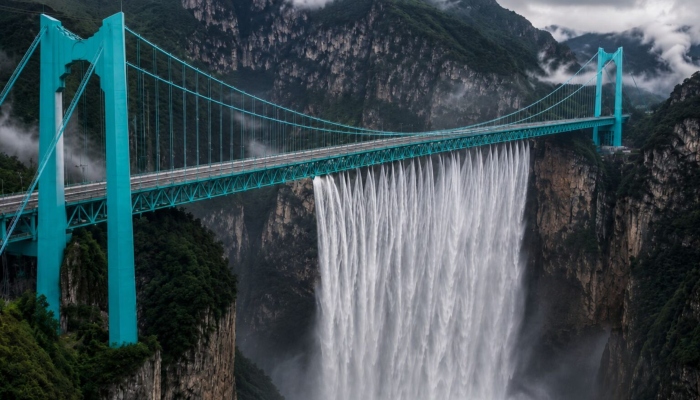
    China has completed many incredible engineering projects in recent years but the Huajiang Grand Canyon Bridge stands out as one of its most amazing achievements. If you’re afraid of heights crossing this bridge might not be easy. It is built 625 meters (2,051 feet) above the ground making it the tallest bridge in the world. It opened to the public in September 2025. However its height is not the only reason it attracts attention. The bridge also features a 300 meter long artificial waterfall creating a spectacular view for visitors. At night a laser lighting system makes the waterfall even more impressive. Chinese officials designed the bridge as more than just a road. It is also a tourist attraction with glass walkways cafes inside the bridge towers and adventure activities such as bungee jumping. According to local authorities thousands of tourists visit the bridge every day. The bridge was also recognized by Time which ranked it as the No. 1 place to visit in 2026. Located in Guizhou the bridge was built to make travel faster in the province’s mountainous landscape. Trips that once took about two hours can now be completed in just one minute.  The steel bridge is 9,482 feet long. Construction began in January 2022 and it was completed and opened in September 2025. Around 20,000 tons of steel were used to build it roughly the same amount of steel found in three Eiffel Towers.

  • Indonesia’s youth are reviving leaf weaving art

    Across the tropical islands of Java and Bali, coconut and palm leaves have bound together daily life and spiritual practice for centuries. They include janur (young, pale yellow coconut fronds) and slepan (mature green fronds). These pliable natural fibers have traditionally been folded, sliced, and pinned into delicate ritual offerings. They are a part of canang sari, ornate wedding arches, and festive penjor poles that line village streets. For decades, this intricate craft was widely viewed as a transient household chore or a necessity of ceremonial duty. It was something crafted quickly, admired briefly, and discarded once dried. As younger generations moved toward urban centers and sought modern corporate or tech jobs, the deep knowledge of palm foliage design faced the quiet threat of stagnation. Today, a vibrant revival is underway. A new generation of Indonesian artisans, designers, and environmentalists is taking up leaf weaving. These crafties are reimagining this ancestral skill not merely as a folk tradition, but as a medium for sustainable architecture. The shift began when forward-thinking young crafters began asking a simple question. What if the humble palm leaf could transcend its flat, two-dimensional boundaries? Artisans such as Balinese weaver Ida Bagus Gede Ari Artana (famously known as Gus Ari) began pushing the physical limits of palm leaves. He experimented with twisting, interlacing, and tension-weaving techniques. Crafters transformed flat sheets (klangsah) into expansive 3D installations. As a result, collaborations like Make a Scene Bali, co-founded by Gus Ari and British stage designer Chloe Quinn happened. They brought international theatrical design principles into harmony with native Javanese and Balinese weaving traditions. Instead of tiny ritual baskets, young weavers are now constructing colossal mythological creatures, archways, floating pavilion interiors, stage backdrops, and even high-fashion wearable art and jewelry crafted from dried lontar leaves. These breathtaking installations have graced international platforms. For instance, the G20 Summit held in Bali, where sustainable leaf sculptures of native sea turtles and dragons greeted world leaders. Beyond aesthetic innovation, the youth-driven resurgence of leaf weaving is rooted in environmental activism. Over recent decades, the event and hospitality industries in Southeast Asia grew increasingly dependent on single-use plastics, styrofoam, and non-recyclable synthetic decorations. The movement to revive leaf weaving offers a completely biodegradable, zero-waste alternative. Young coconut fronds are harvested sustainably from local trees without harming the palm. The raw material is renewable, abundant, and locally sourced. Once an event or exhibition concludes, the entire installation can be composted back into the soil. The activism embodies a circular design ethos that resonates with modern eco-conscious consumers and international art curators alike. Perhaps the most significant impact of this movement is economic and cultural. Historically, local crafters have struggled to command fair compensation for traditional foliage work because the raw material was viewed as inexpensive. Now, there’s a promotion of leaf weaving to structural art and luxury event design. Young creative studios are proving that the value resides in the artisan’s vision, precision, and hours of practiced labor. This shift has boosted local earning potential and inspired young men and women across rural communities to remain in their homelands. They are earning sustainable livings while keeping their heritage alive. The palm frond art captures global attention. Alongside, Indonesia’s younger generation is demonstrating that tradition does not have to be frozen in a museum. Rather, it can grow, adapt, and weave a sustainable future for art and community.      

  • Better Facilities in Turbat’s Hospitals

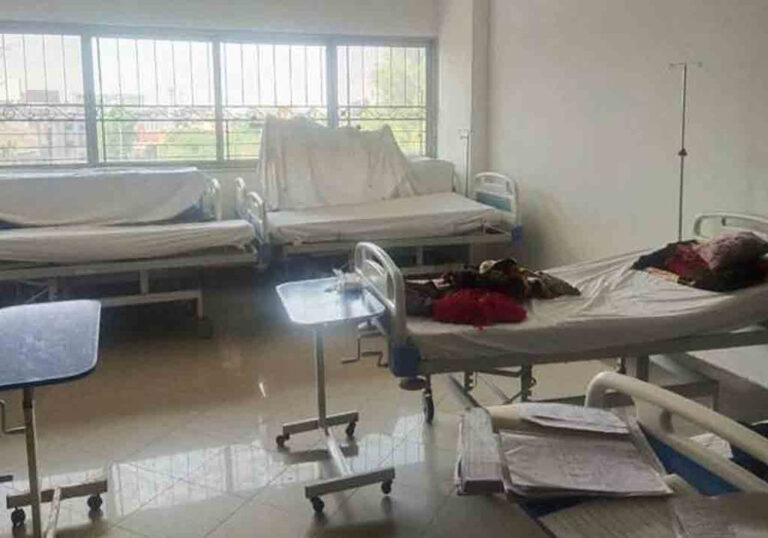
    Hani Rasheed  Turbat urgently needs better healthcare facilities. Although some improvements have been made, many patients still face shortages of medicines, medical equipment, and specialist doctors. Poor families often have to travel to other cities for treatment which is costly and difficult. Access to quality healthcare is a basic right and should be available to everyone. The authorities should ensure that hospitals are fully equipped, essential medicines are available, and qualified doctors and staff are appointed. Better healthcare services will reduce the suffering of patients and improve the well-being of the people of Turbat.

  • Study links fructose to Cancer spread

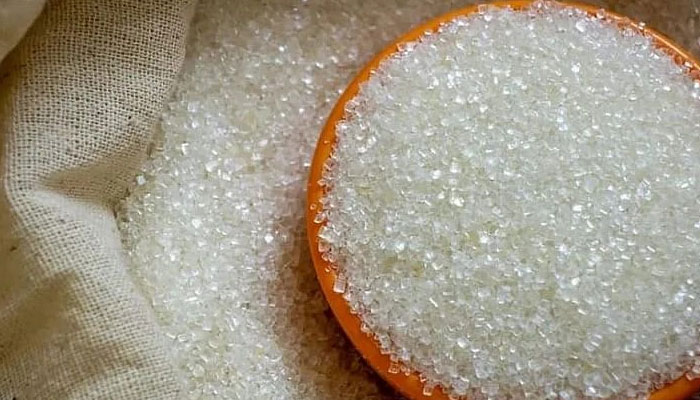
    A new scientific study has found that fructose a simple type of sugar may help cancer cells that survive chemotherapy send signals that encourage the disease to spread. Researchers at the Wistar Institute in the United States explained that some cancer cells are not completely destroyed by chemotherapy. These surviving cells stop dividing but remain active. They continue to send chemical signals to nearby cancer cells which may influence how the disease behaves. The study published in the journal Nature Aging suggests that fructose could be one of the substances involved in this signaling process. According to the researchers it may help surviving cancer cells stay active and communicate with other cancer cells. Co-author Aidan Cole said this is one of the first studies to show that a nutrient found in food such as fructose may act as a signaling molecule between cancer cells. Experts say the findings could improve understanding of how cancer returns or spreads after chemotherapy and may help guide future treatments. However they stressed that more research is needed. The study does not prove that eating fructose directly causes cancer to grow or spread.

Leave a Reply

Your email address will not be published. Required fields are marked *