petrol diesel prices
| |

Petrol and diesel prices increased again in Pakist…

The government has increased the prices of petroleum products once again announcing new rates for petrol and high-speed diesel. The revised prices will remain effective for two days.

According to a notification issued by the Petroleum Division the Oil and Gas Regulatory Authority (OGRA) revised petroleum prices under the pricing mechanism approved by the federal government.

The price of high-speed diesel has increased by Rs1.11 per litre taking its new price to Rs371.80 per litre. Diesel was previously priced at Rs370.69 per litre.

Meanwhile, the price of petrol has risen by Rs1.12 per litre. Following the latest increase petrol will now cost Rs343.10 per litre compared with the previous rate of Rs341.98 per litre.

The latest increase comes as petroleum prices continue to put pressure on household budgets and transportation costs. Higher petrol and diesel prices can also affect the cost of transporting goods and may contribute to increases in the prices of essential commodities.

The government has issued the latest notification for only two days. Petroleum prices could therefore be reviewed again after the current period depending on international oil prices and other factors used in the pricing formula.

The repeated changes in fuel prices are being closely watched by consumers transport operators and businesses because of their potential impact on inflation and the overall cost of living.

For motorists, the latest increase means another rise in the cost of filling their vehicles. Transport and logistics businesses may also face higher operating expenses if fuel prices remain elevated.


Similar Posts

  • | |

    Permit documents reveal fresh details about Taylor…

    Newly surfaced permit documents have offered fans a closer look at how Taylor Swift and Travis Kelce planned one of the most talked-about celebrity weddings of the year. The superstar couple exchanged vows earlier this month during a lavish yet highly private ceremony at Madison Square Garden in New York City. While they have largely kept details of the celebration out of the public eye, official event permits have now revealed how carefully every aspect of the wedding was organized. According to documents obtained by the Associated Press, the main wedding celebration began at 5 p.m. and continued until 4 a.m. the following morning. The permits also outlined a multi-day schedule, with an intimate rehearsal dinner for approximately 100 guests taking place the evening before the ceremony, followed by the larger wedding celebration attended by around 1,000 guests.  The paperwork also confirmed that extensive road closures were approved around Madison Square Garden to accommodate guest arrivals, security operations and event logistics. Several nearby streets were temporarily closed, while police officers and traffic personnel were deployed throughout the area to manage crowds and ensure the safety of attendees. The large-scale security operation reflected the extraordinary level of public interest surrounding the wedding.  The newly revealed documents also highlight just how much planning went into maintaining the couple’s privacy. Reports indicated that the event featured a strict no-phone policy, while guests and staff were asked to follow confidentiality measures designed to prevent photos or videos from leaking online. Those efforts appear to have been successful, as very few authentic images from the ceremony have surfaced since the celebration.  Preparations inside Madison Square Garden were equally impressive. Sources previously revealed that the iconic venue was transformed into an elegant wedding setting featuring custom décor, greenery, canopies and a specially designed reception space while preserving the arena’s unique character.  The wedding reportedly brought together family members, close friends and a long list of celebrity guests from the worlds of music, sports and entertainment. Despite its grand scale, those in attendance have largely respected the couple’s wishes for privacy, allowing Taylor and Travis to celebrate away from constant public attention.  The permit documents provide the clearest picture yet of how the high-profile celebration was executed. From carefully timed arrivals and extensive security measures to a multi-day schedule, every detail reflected meticulous planning. While fans remain eager to learn more about the wedding, the newly released documents show that Taylor Swift and Travis Kelce prioritized one thing above all else: creating a memorable celebration that remained intimate despite the world’s attention.

  • | |

    Atif Aslam reveals why he misses his Indian fans

    Pakistani singer Atif Aslam has said that he misses his Indian fans and appreciates the support they have continued to show him despite restrictions affecting his work in India. The internationally popular singer shared his thoughts while speaking during a podcast in Dubai, where he is currently involved in various music-related activities and media appearances. Atif Aslam recently appeared on Chris Fed’s podcast, One on One with Chris Fed, where he discussed his career, his Indian audience and his upcoming musical plans. Addressing his Indian fans, Atif said they should not feel sad or disappointed because of the restrictions. He clarified that what he misses is not simply working in India but, more importantly, the fans he has built there over the years. The singer expressed gratitude to his Indian audience for continuing to support him during a difficult period. He acknowledged that their loyalty and encouragement remain important to him. Atif Aslam also reflected on his experience of working in the Indian music industry. He said his time as a playback singer in India taught him a great deal and contributed significantly to his development as an artist. According to the singer, if the restrictions had not been imposed, he might not have moved toward producing his own music in the same way. The experience ultimately encouraged him to explore new creative directions and become more involved in creating music independently. Atif is now working on a new musical project titled “Borderless Music.” The project is expected to bring together artists from different areas of the music industry, including emerging musicians, established singers, legendary performers, composers and lyricists. The project reflects Atif’s continued interest in creating music that can reach audiences beyond geographical boundaries. Known for songs such as “Aadat,” “Kuch Is Tarah,” “Bakhuda” and “Dil Diyan Gallan,” Atif Aslam has developed a large international following over the years. His popularity extends across South Asia and beyond, making him one of Pakistan’s most recognizable contemporary singers. His latest comments have once again highlighted the strong connection between the singer and his Indian audience. While he did not focus on returning to work in India, his message made it clear that the bond with his fans remains significant. Atif also hinted that fans can expect more music under the “Borderless Music” project in the coming days, potentially giving listeners a new chapter in his evolving musical journey.

  • | | |

    PML-N leads as second phase of AJK elections concl…

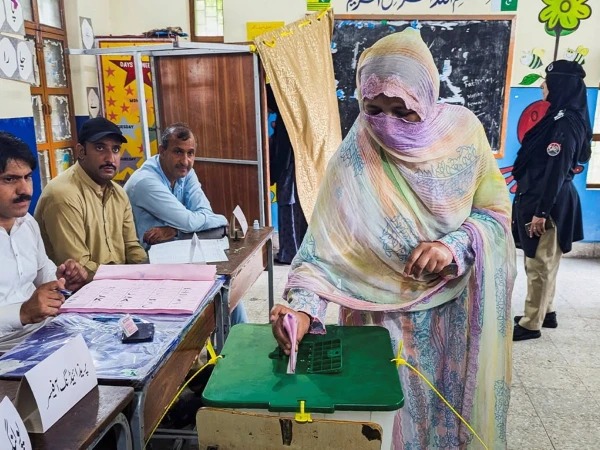
    The second phase of the 2026 Azad Jammu and Kashmir (AJK) Assembly elections concluded with voters casting their ballots across multiple constituencies under heightened security. Preliminary and unofficial results indicated that the Pakistan Muslim League-Nawaz (PML-N) secured victories in several constituencies, while the Pakistan Peoples Party (PPP) also registered wins in selected seats. Election authorities continued the counting process as additional results were awaited. More than one million registered voters were eligible to participate in the second phase of the elections. Polling stations were established across the region and in designated constituencies for Kashmiri refugees residing in different parts of Pakistan. In some areas, polling hours were extended to facilitate voters and improve participation. According to preliminary results, PML-N emerged as the leading party in the declared constituencies, strengthening its position in the AJK Assembly. PPP candidates also secured victories in several constituencies, while independent candidates and representatives of other political parties remained competitive in a number of closely contested seats. Final official results are expected after the Election Commission completes the consolidation process. Election day remained largely peaceful, although reports of isolated clashes were received from a few constituencies. Media reports stated that one political worker lost his life during an incident, while several others, including a member of Pakistan’s National Assembly, were reportedly injured in separate firing incidents. Authorities are expected to investigate these events, while political parties have urged supporters to remain calm. Security arrangements remained a key feature of the electoral process, with thousands of police personnel deployed at polling stations. Sensitive locations received additional security to ensure the smooth conduct of voting. In one constituency, polling was postponed because of adverse weather conditions and landslides, with the Election Commission announcing a revised polling date. The AJK elections are considered an important indicator of the political landscape in the region. As official results continue to emerge, attention will remain focused on the final distribution of seats and the formation of the next government. Political analysts believe the outcome could influence future policy discussions and shape the region’s governance in the coming years.

  • |

    Babar Azam returns to ICC Test top 10 after West Indies series

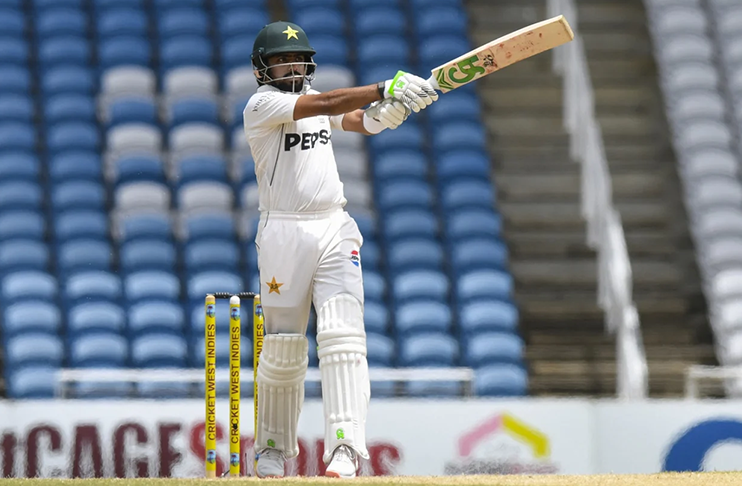
    DUBAI: Pakistan Test captain Babar Azam has climbed back into the ICC’s top 10 Test batting rankings after producing a series of important performances against the West Indies. Babar moved up five places to 10th in the latest rankings released on Wednesday, marking his first return to the elite group since September 2024. The rise comes as the Pakistan captain looks to rebuild his standing in Test cricket following a prolonged period outside the top 10. The 31-year-old played an important role in Pakistan’s campaign in the Caribbean, particularly during the second Test at Queen’s Park Oval. Pakistan won the match by eight wickets, securing an away Test victory after a wait of more than three years and levelling the two-match series 1-1. Babar made a significant contribution in the decisive match, scoring 88 runs in Pakistan’s first innings before finishing unbeaten on 24 during the successful chase. He had also made 23 and an unbeaten 58 in the opening Test, although Pakistan eventually suffered a 90-run defeat. His consistent performances have now been reflected in the latest rankings, providing another boost to the Pakistan captain as the team prepares for its upcoming Test assignments. Babar was not the only Pakistan batter to make substantial progress. Abdullah Shafique made one of the biggest jumps in the rankings after an outstanding return to the Test side. Playing his first Test since October 2025, Shafique struck an unbeaten 160 in the second Test. His innings helped Pakistan secure a 43-run first-innings lead and played a key role in setting up the victory. Shafique climbed an impressive 25 places to 32nd in the Test batting rankings. Pakistan also saw movement in the bowling and all-rounder rankings. Off-spinner Sajid Khan rose five places to 30th among Test bowlers after his performances in the Caribbean. He also climbed five spots to 32nd in the Test all-rounders’ rankings. At the top of the batting chart, Australia’s Travis Head retained the No. 1 position, while India’s Jasprit Bumrah remained the leading Test bowler. India’s Ravindra Jadeja continued to dominate the Test all-rounders’ rankings. Babar’s return to the top 10 gives Pakistan another reason for optimism, while Shafique’s rapid rise underlines the growing depth of the team’s batting options.

  • | | |

    Iran says US military weaker as Hormuz crisis deep…

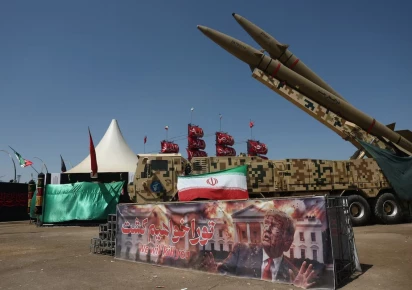
    TEHRAN: Iran has intensified its rhetoric against the United States as attacks on commercial shipping and stalled peace efforts deepen uncertainty over the future of the war, with Tehran warning that the strategically vital Strait of Hormuz will remain closed unless Washington accepts its conditions. Mohammad Reza Naqdi, an adviser to the commander of Iran’s Islamic Revolutionary Guard Corps, said in an interview with PBS that the US military had proved “weaker than what we perceived” during the five-month conflict. Naqdi said Iran had gained valuable battlefield experience during the war and claimed Tehran would continue to emerge victorious. “The longer this war lasts, the more experience we gain,” he said, arguing that Iranian forces had learned how to confront the US military through direct experience. His comments came as maritime traffic through the Strait of Hormuz dropped sharply. Shipping data showed only eight vessels were tracked through the waterway on Tuesday, below a 10-day average of about 12 and the lowest daily figure since August 5. Before the conflict, the strait typically handled around 130 to 140 vessels a day. The slowdown has heightened fears over global energy supplies because Hormuz is a crucial route for oil and liquefied natural gas shipments. The International Maritime Organization has previously warned of serious risks to vessels and seafarers operating in the area. Shipping attacks raise fresh alarm Tensions also spread to other maritime chokepoints. Four crew members were reportedly killed in a suspected Houthi attack on a cargo vessel in the Bab el-Mandeb Strait, while two Yemeni rescuers were also killed, according to reports cited in the source material. The US military separately said an MH-60 helicopter fired two Hellfire missiles at a Panama-flagged cargo ship after the vessel allegedly ignored warnings linked to a blockade of Iranian ports. Maritime sources said the incident occurred off Pakistan in the Gulf of Oman. The attacks have added to concerns that the conflict could disrupt shipping routes connecting the Gulf with the Red Sea and beyond. Iran sets conditions for reopening Hormuz Iranian security official Mohsen Rezaei said the Strait of Hormuz would not reopen unless Washington agreed to Tehran’s demands, including the release of frozen Iranian assets and an end to conflicts across the region. Iran’s parliament is also preparing legislation that would restrict military and commercial vessels from countries Tehran considers hostile from entering the Gulf without Iranian authorisation. The proposed law is intended to strengthen Iran’s control over the strategically important waterway. US President Donald Trump, meanwhile, has continued to combine threats with suggestions that negotiations could eventually produce a settlement. He has claimed the United States has control over the Strait and warned Iran against further escalation. Oil markets have already reacted to the uncertainty. Brent crude rose 1.4 per cent to $88.91 a barrel, while US crude gained 1.3pc to $83.20. Pakistan seeks diplomatic space Amid the worsening security situation, Pakistan has continued diplomatic engagement with Tehran. Interior Minister Mohsin Naqvi visited Iran and met President Masoud Pezeshkian, with both sides stressing the importance of strengthening bilateral political, economic, trade, cultural and security ties. Pezeshkian praised Pakistan’s commitment to closer relations and said Tehran was ready to expand cooperation with Islamabad. Naqvi said his visit was aimed at following up on understandings reached between the two countries and accelerating implementation of existing agreements. With military rhetoric rising, shipping routes under pressure and negotiations at an apparent impasse, the Strait of Hormuz remains at the centre of a crisis whose consequences could extend far beyond the Middle East.

  • |

    PTA cuts eSIM fee to Rs1,500, allows 10 free transfers

    ISLAMABAD – The Pakistan Telecommunication Authority (PTA) has reduced the charges for eSIM services. The PTA has set the initial eSIM fee at Rs. 1,500 and allowed users to transfer an eSIM from one phone to another up to 10 times free of charge. The new policy will come into effect on August 17, 2026. The decision was taken following directions from a parliamentary committee which had asked the PTA to make eSIM services more user-friendly. The committee also sought to reduce the need for subscribers to visit customer service centres for eSIM-related services. According to the PTA, the existing system already allows users to transfer an eSIM between phones multiple times by using the same QR code provided during the original purchase and activation. As a result, no additional charges are applied for these transfers. However, following consultations with cellular operators, the regulator has now formally revised the charging structure. The maximum initial eSIM fee has been reduced to Rs. 1,500 while subscribers will be allowed up to 10 free eSIM transfers between compatible devices. In addition, the PTA is working with the National Database and Registration Authority (NADRA) and cellular operators to improve SIM security. The regulator plans to introduce a new multi-factor subscriber verification system to strengthen the verification process for SIM issuance and ownership.

Leave a Reply

Your email address will not be published. Required fields are marked *