iran says response
|

Iran says US response to its proposal to reopen Hormuz ‘insufficient’

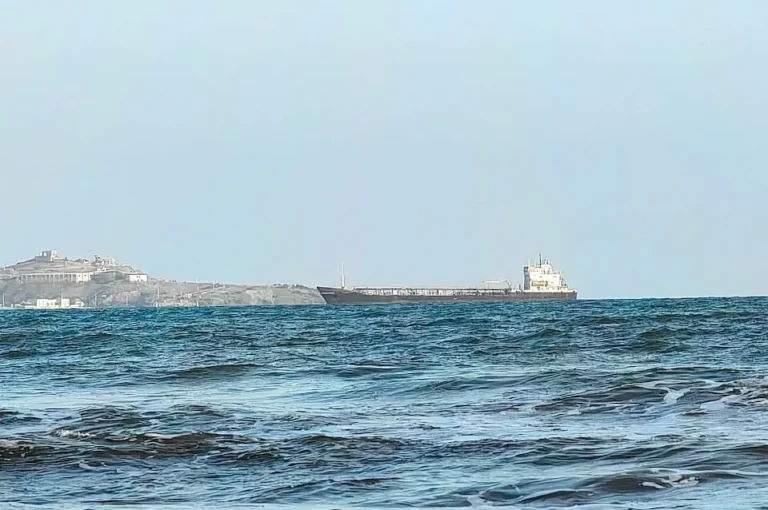
DUBAI, UAE – The United States’ response to Iran’s seven conditions in a proposal to reopen the strategic Strait of Hormuz was “insufficient,” Iran’s security chief, Mohsen Rezaei, was quoted by state media on Sunday, October 11, as saying.

Iran presented a proposal during the UN General Assembly under which the Strait of Hormuz waterway could be reopened and normal maritime passage restored within seven days if the conditions were met, to which the US later replied via Qatari intermediaries.

Washington needs to clarify the issues that remain unclear to Tehran, Rezaei, secretary of the Supreme National Security Council, said, adding “we presented seven conditions to the Americans and clearly stated that the Strait of Hormuz would not be opened to them, and no negotiations would take place, until these conditions are met.”

The White House did not immediately respond to a Reuters request for comment.

Rezaei said Iran is “no longer in the process of responding to the Americans.”

“In their response, they have accepted some of our conditions, while others remain unclear,” he added.

Tehran said late in September that it had received a US response to its latest proposal to resurrect the collapsed ceasefire in the Gulf, days after US President Donald Trump said he had rejected it.

Qatar and other mediators have transmitted messages between Washington and Tehran in an effort to end the conflict and reopen the Strait of Hormuz, the conduit for a fifth of the world’s oil and liquefied natural gas before the war that began at the end of February with US and Israeli attacks on Iran. – Rappler.com
Similar Posts

  • |

    US Forest Service chief reportedly pressed staff to deploy extra aircraft for fire near his Idaho ranch

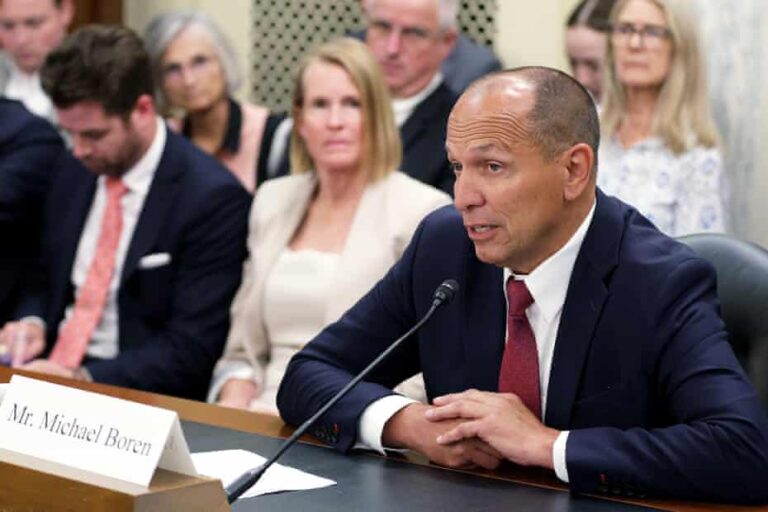
    Michael Boren, the US Undersecretary of Agriculture for Natural Resources and Environment who oversees the US Forest Service, reportedly pressured agency staff to deploy additional aircraft to a small 7-acre wildfire burning near his private property in Idaho. According to agency communications and current and former Forest Service officials, the Cabin Creek fire began on 12 July 2026 in the Sawtooth National Forest due to an unattended campfire. Boren, who owns a 480-acre ranch in the nearby Sawtooth National Recreation Area, repeatedly contacted regional and national operations leadership to question why more aircraft were not assigned to the blaze. Flight data reveals that approximately nine aircraft—including air tankers, tactical planes, and helicopters—were dispatched to the small fire, with some assets diverted from other active wildfires in Idaho. Insiders noted that the emergency response was unusually heavy for a minor outbreak that ground crews could easily access and which posed no immediate threat to life or major infrastructure. In response, a spokesperson for the Department of Agriculture maintained that Boren merely reported the fire as any local landowner would and denied that he ordered or pressured staff to shift resources. The fire was fully contained by 15 July.

  • |

    25 US states challenge Trump’s new tariffs in court

    NEW YORK: A coalition of 25 US states has filed a lawsuit against the administration of President Donald Trump, seeking to block a new round of tariffs imposed on imports from dozens of countries. The legal challenge was submitted to the US Court of International Trade in New York, where the states asked the court to suspend the tariffs, declare them unlawful and order the federal government to refund businesses that have already paid the import duties. The coalition argued that the administration exceeded its legal authority by introducing sweeping tariffs under Section 301 of the Trade Act of 1974. According to the lawsuit, the investigations cited by the administration as justification for the tariffs were used as a pretext to impose broad trade restrictions. The disputed tariffs, ranging from 10% to 12.5%, were introduced last month and apply to imports from 60 trading partners, covering a significant share of goods entering the United States. The Trump administration has defended the measures, saying they are intended to address concerns related to forced labour in international supply chains and to protect American trade interests. The White House maintains that the tariffs were imposed within the government’s legal authority and remain an important tool for securing fair trade practices. A White House spokesperson said the administration is using powers granted under US trade law to respond to what it considers unfair policies and practices affecting American commerce. Officials also argued that Section 301 tariffs have previously withstood legal scrutiny and continue to be a lawful instrument of trade policy. The lawsuit follows earlier legal disputes over President Trump’s tariff policies. Previous tariffs introduced under emergency economic powers were struck down by the US Supreme Court earlier this year, prompting the administration to replace them with the current Section 301 measures after a temporary global tariff expired in July. The states involved in the case contend that the latest tariffs are arbitrary and unlawful, arguing that while they support efforts to combat forced labour worldwide, such concerns cannot be used to justify what they describe as an illegal expansion of presidential tariff powers.

  • | | | |

    Iran’s supreme leader Mojtaba Khamenei names Bag…

    TEHRAN: Iran’s Supreme Leader Ayatollah Mojtaba Khamenei has reshuffled two key positions in the country’s security and political establishment, appointing Mohammad Bagher Zolghadr as his political adviser and former Islamic Revolutionary Guard Corps (IRGC) commander Mohsen Rezaei as his representative on the Supreme National Security Council (SNSC). The appointments were announced through messages attributed to Khamenei on social media on Sunday, according to reports, placing two veteran figures with extensive military and political experience in prominent roles at a sensitive moment for Tehran. In his message to Zolghadr, Khamenei cited his “valuable experience” while appointing him as a political adviser. Zolghadr has held several senior positions in Iran’s security establishment and previously served as secretary of the SNSC. The move follows Zolghadr’s departure from the council’s top administrative position. Reports said Rezaei has been appointed to replace him as secretary of the powerful security body, while also serving as Khamenei’s representative on the council. Rezaei is a veteran figure in Iran’s political and military establishment. He served as commander of the IRGC for much of the Iran-Iraq war era and has held a range of senior political positions. He has also previously run for Iran’s presidency. The latest appointments are drawing attention because the SNSC plays a central role in coordinating Iran’s defence, security and foreign-policy decisions. Although the council is formally chaired by President Masoud Pezeshkian, its work brings together senior political, military and security institutions. The timing of the reshuffle is particularly significant as Iran faces continuing pressure over regional security and negotiations surrounding the Strait of Hormuz. Recent diplomatic efforts have focused on arrangements for shipping through the strategically important waterway, making changes within Tehran’s security leadership especially closely watched. Both Zolghadr and Rezaei are associated with Iran’s security establishment and have extensive experience in military affairs. Analysts are therefore likely to watch closely for any indication that the appointments could affect Tehran’s approach to negotiations, regional security or relations with the United States. The reshuffle also strengthens the role of figures with longstanding links to the IRGC within the leadership structure. Rezaei had already served as a military adviser to Mojtaba Khamenei before taking on the latest assignment. For Zolghadr, the new position keeps him within the senior leadership circle despite his exit from the SNSC secretaryship. His experience in security and political affairs could allow him to continue playing a role in shaping policy from the Supreme Leader’s office. The appointments come at a critical time for Iran, with international attention focused on Tehran’s security posture and the future of the Strait of Hormuz. Whether the changes represent a broader adjustment in Iran’s negotiating strategy remains to be seen, but the elevation of two experienced security figures is likely to keep Tehran’s next moves under close scrutiny.

  • | | | |

    Field Marshal Asim conveys US offer to Iran for Hormuz reopening

    TEHRAN: The United States has reportedly conveyed a proposal to Iran under which Washington would ease its economic pressure and blockade measures in exchange for the reopening of the Strait of Hormuz and an end to attacks by Iran-linked groups. According to a report by Al Arabiya English, the proposal was conveyed to Iranian officials during Field Marshal Syed Asim Munir’s recent visit to Tehran. The report attributed the details to a senior source and said the message was delivered as Pakistan continued its diplomatic efforts to help end the conflict. The source said Munir held a meeting with Mohsen Rezaei, secretary of Iran’s Supreme National Security Council and a representative of Supreme Leader Ayatollah Ali Khamenei. The meeting was described as “clear and decisive”. During the discussions, Munir reportedly called on Iran to stop attacks carried out by groups linked to Tehran. The Pakistani military chief also conveyed the US position on the need to restore conditions that could allow broader diplomatic engagement. According to the report, Munir also urged Tehran to resume implementation of a Memorandum of Understanding reached between Iran and the United States in June. He reportedly told the Iranian side that both Washington and Tehran had played a role in disrupting the implementation of the understandings reached under the agreement. The reported US proposal comes as the Strait of Hormuz remains at the centre of the confrontation. The strategically important waterway is a major route for global energy shipments, and disruptions to maritime traffic have already contributed to higher oil prices and increased concerns about energy supplies. Washington’s reported offer links the reopening of the waterway with broader steps aimed at reducing military escalation. The proposal would also involve easing the economic restrictions and blockade measures imposed on Iran. Iran has repeatedly rejected demands that it reopen the strait without corresponding commitments from the United States. Tehran has maintained that sanctions and restrictions must be addressed as part of any sustainable settlement. The June understanding also became a key element in subsequent diplomatic efforts. However, disagreements over its implementation reportedly prevented the arrangement from developing into a lasting agreement. Iranian officials have accused Washington of failing to fulfil its commitments, while the United States has continued to pressure Tehran over regional security and maritime access. Munir’s visit to Tehran therefore comes against the backdrop of a difficult diplomatic environment. Pakistan has sought to use its relations with both Iran and the United States to encourage dialogue and push for a peaceful resolution to the wider regional crisis. The reported meeting with Rezaei could be significant because of his position within Iran’s national security structure and his links to the country’s senior leadership. The discussions also highlight Pakistan’s growing diplomatic role in attempts to reduce tensions between Washington and Tehran. Islamabad has consistently called for a peaceful, sustainable and comprehensive settlement rather than prolonged military confrontation. The reported US offer has not, however, been publicly confirmed in full by Washington or Tehran. The details were attributed to a senior source by Al Arabiya English, and the next steps will depend on whether the two sides can agree on reciprocal measures. With the Strait of Hormuz, sanctions and attacks by Iran-linked groups remaining major points of contention, the reported proposal could provide a framework for renewed negotiations if both sides are prepared to make reciprocal concessions.

  • |

    5.8-magnitude earthquake hits Japan

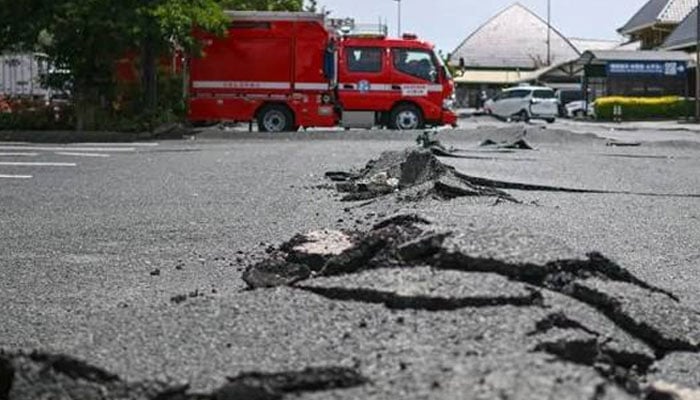
    A 5.8-magnitude earthquake struck Japan’s main island of Honshu, sending tremors through parts of the eastern coastal region and causing minor injuries and temporary disruptions to train services. According to the German Research Centre for Geosciences (GFZ), the earthquake occurred at a depth of around 78 kilometres near the eastern coast of Honshu. The relatively deep location of the quake helped limit the severity of its impact, although residents in several areas reported feeling strong shaking. Japanese authorities said several people suffered minor injuries following the tremors. Some railway services were also temporarily suspended as officials carried out safety checks on tracks and infrastructure. Authorities continued to assess whether the earthquake caused any structural damage or other disruptions. The Japan Meteorological Agency urged residents to remain cautious and stay alert for further seismic activity. The agency said another earthquake measuring below magnitude 5 could occur in the region during the following week. Japan lies along the Pacific Ring of Fire, one of the world’s most seismically active zones, and experiences frequent earthquakes of varying intensity. Authorities regularly advise residents to keep emergency supplies ready and follow official instructions during and after seismic events. Officials have not reported any major damage from the latest earthquake, but monitoring of the affected areas remains underway.

  • | |

    Iran war spreads beyond Gulf, raising regional ten…

    WASHINGTON: The conflict involving Iran widened significantly over the weekend, spilling into the Red Sea and the Caspian Sea despite a temporary halt in direct US military strikes, raising fresh concerns over regional stability and global energy security. The United States military confirmed that its naval blockade against Iran remains in place but offered no explanation for suspending a series of nightly airstrikes that had continued for nearly two weeks. A senior official in President Donald Trump’s administration said Washington still preferred a diplomatic solution, while warning that Iran would face serious consequences if negotiations failed. According to US media reports, President Trump has decided to pause plans for intensified military action after advisers expressed concerns about the risks of expanding the conflict, including pressure on US weapons stockpiles, potential strain on relations with Gulf allies and disruptions to global energy markets. While the Gulf region remained relatively calm, tensions escalated elsewhere. Yemen’s Iran-backed Houthi movement claimed responsibility for missile and drone attacks targeting Saudi Aramco oil facilities in Jizan and Yanbu along the Red Sea coast. Videos circulating online showed smoke rising near the Jizan refinery, one of Saudi Arabia’s major oil-processing sites, while Saudi air defences reportedly intercepted additional missiles aimed at Yanbu. The attacks have heightened fears that the conflict could spread further across key international shipping routes, particularly after earlier disruptions in the Strait of Hormuz. Despite the escalation, Houthi officials said they were not seeking to block the Bab al-Mandeb Strait, another vital maritime corridor for global trade. Meanwhile, Iran accused Ukraine of attacking one of its commercial vessels in the Caspian Sea, claiming the strike killed one sailor and injured another. Tehran summoned Ukraine’s senior diplomat to lodge a formal protest, describing the alleged attack as a hostile act. The accusation came shortly after Ukrainian President Volodymyr Zelensky said Russia had been providing Iran with satellite intelligence to assist its military operations in the region. In Yemen, fighting also intensified as forces aligned with the internationally recognised government launched airstrikes on Houthi positions in Marib and Al-Jawf provinces. Military officials reported troop movements on both sides, raising concerns that the country’s fragile ceasefire has effectively collapsed after years of relative calm. Analysts warn that the expanding conflict now threatens to destabilise multiple regions simultaneously, with growing risks to international shipping, oil supplies and broader Middle East security.

Leave a Reply

Your email address will not be published. Required fields are marked *