oncewary hollywood slowly
| |

A once-wary Hollywood slowly warms to AI

Once fiercely resistant to artificial intelligence, Hollywood is increasingly embracing the technology through major studio deals, strategic investments, and streamlined production workflows—all while insisting that core human storytelling remains at the heart of filmmaking.
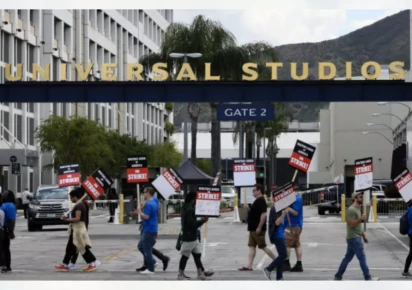
The shift marks a noticeable departure from early industry hostility, which peaked during the 2023 labor strikes when actors and writers rallied against algorithmic displacement, copyright infringement, and digital likeness exploitation. Early generative AI tools also suffered from obvious visual glitches, such as distorted hands and unnatural lip movements, reinforcing widespread skepticism among creative professionals.
​However, recent technological leaps and major corporate investments have rapidly normalized AI integration. A major catalyst occurred in March when Netflix acquired Ben Affleck’s AI startup, InterPositive, for $587 million to enhance production workflows. Soon after, Lionsgate acquired a stake in AI video generator Runway, and Google invested in independent powerhouse A24. Executives note that AI has now been utilized across approximately 300 Netflix titles—primarily during post-production and for complex visual effects sequences—allowing creative teams to work faster and more efficiently.
​Rather than replacing human performers, filmmakers are pivoting toward “hybrid” and non-linear production techniques. Director Jon Erwin’s production company, The Wonder Project, partnered with AI platform Luma to create hyper-realistic, real-time background environments without traditional green screens or motion-capture suits, leaving actors free to perform naturally. Their recent release Young Washington, starring Oscar winner Ben Kingsley, successfully demonstrated the commercial viability of this approach by grossing over $40 million against a $20 million budget.
​While major legacy studios remain cautious, industry experts suggest that broader adoption is inevitable. Visual effects creators and directors emphasize that while AI serves as an amplifying tool for scope, scale, and pre-visualization, the essential emotional connection between actor, director, and camera remains irreplaceable.
Similar Posts

  • |

    Pakistan refineries ready to sign long-delayed upgrade agreements 

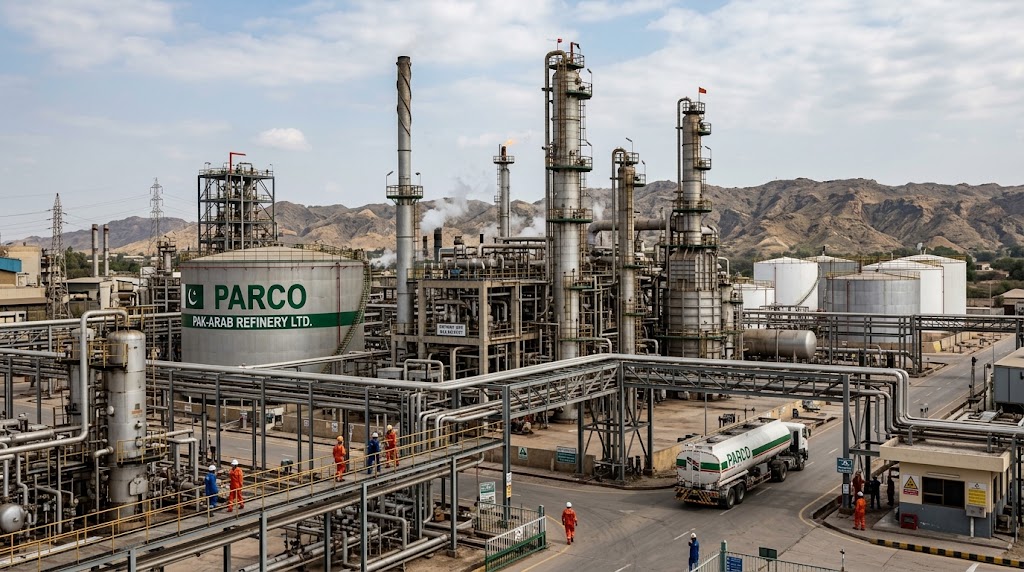
    Pakistan’s oil refineries have agreed to move ahead with long-delayed agreements for upgrading their ageing plants, even as they continue to raise objections over a new financial penalty linked to the petroleum policy. Under the revised arrangement, refineries will be required to surrender 2.5 percent of the deemed duty retained on diesel for the period of delay. Industry representatives have termed the condition unfair, arguing that the delays were largely beyond their control and should not result in a financial burden on the refineries. Despite the disagreement over the penalty, refinery companies have indicated that they do not intend to hold up the signing of the agreements and are prepared to proceed with the modernization programme. The government’s Brownfield Refinery Policy, originally approved in August 2023, was introduced to encourage investment in the modernization and expansion of Pakistan’s existing refining capacity. The policy has subsequently been amended twice in an effort to address implementation issues and facilitate investment in the sector. Petroleum Minister Ali Pervaiz Malik has indicated that the long-pending agreements will be finalized shortly, while officials in the Petroleum Division are expecting the documents to be signed by the end of August. Agreements to Be Signed With ISGS A key change under the revised mechanism is that the upgrade agreements will now be executed with Interstate Gas Systems (ISGS), which operates under the Petroleum Division. Previously, the agreements were expected to be concluded through the Oil and Gas Regulatory Authority (Ogra). The change in the implementing entity is part of the government’s efforts to move the refinery-upgrade programme forward after delays in finalizing the contractual framework. Industry representatives, however, have maintained that refinery companies had already taken substantial steps to comply with the earlier arrangements and should not be penalized for delays that occurred afterward. Refineries Object to 2.5% Penalty Adil Khattak, Chief Executive Officer of Attock Refinery Limited and Chairperson of the Energy Committee of the Overseas Investors Chamber of Commerce and Industry, said Attock Refinery and National Refinery had completed several important formalities ahead of the previous deadline of October 22, 2024. According to Khattak, the companies had initialed agreements with Ogra, secured approval from their respective boards and arranged Rs1 billion bank guarantees each as part of the requirements. He said the companies were nevertheless being asked under the revised arrangement to surrender 2.5 percent of the deemed duty retained on diesel for the period between the previous deadline and the signing of the new agreements. The financial implications could be substantial. Khattak said Attock Refinery alone could face a penalty of around Rs7.5 million for every day of delay, increasing the industry’s concerns over the cost of the prolonged implementation process. Refineries argue that imposing the financial charge is inappropriate because they had already completed the required formalities within the earlier timeframe and were not responsible for subsequent delays in finalizing the agreements. Draft Agreements Circulated The Petroleum Division has now circulated draft upgrade agreements among the refineries, marking another step towards implementation of the long-delayed modernization programme. Officials are expected to hold further consultations with the Ministry of Finance, Controller of Accounts and ISGS before the agreements are finalized. Although refinery companies have reservations about the penalty clause, industry representatives have indicated that the disagreement will not prevent them from signing the agreements. The refineries are instead seeking a resolution of the financial issue separately while allowing the broader modernization programme to proceed. Upgrade Seen as Critical for Energy Security The modernization of Pakistan’s refining sector has gained greater importance as the country remains heavily dependent on imported petroleum products to meet domestic demand. Khattak estimated that delays in upgrading local refineries are costing Pakistan approximately $1.5 billion annually through additional fuel imports and the resulting foreign exchange outflows. Industry officials argue that upgrading domestic plants would allow refineries to produce a greater proportion of higher-value petroleum products while reducing dependence on imports. The issue has also acquired greater significance amid repeated disruptions and uncertainty in international energy markets. Greater domestic refining capacity and improved processing technology could provide Pakistan with an additional buffer against external supply shocks and volatile global fuel prices. Attock Refinery Moves Toward Financing Attock Refinery has already made considerable progress on the technical side of its proposed modernization project. The company has largely completed its front-end engineering and design work and has begun discussions with banks to arrange financing for the planned investment. The next stage will depend on the finalization of the government agreement and the completion of financing arrangements. For Pakistan, the successful implementation of the brownfield refinery upgrade programme could help improve domestic fuel production, reduce import dependence and ease pressure on foreign exchange reserves. However, industry stakeholders say timely decisions on the remaining contractual and financial issues will be essential if the government wants to avoid further delays in a programme that was originally launched several years ago.

  • | |

    Ex-army chief Qamar Bajwa undergoes Dubai check-up

    Former Chief of Army Staff General (retd) Qamar Javed Bajwa has been shifted to the United Arab Emirates for further medical examination and treatment. Family sources said Bajwa is currently in the UAE. He travelled abroad after completing his initial treatment in Pakistan. The former army chief was examined by a team of specialist doctors in Dubai. The doctors carried out a detailed medical check-up. According to family sources, Bajwa’s condition has improved considerably after the medical examination. However, the results of some important medical tests are still awaited. Doctors will review the remaining reports before giving their final recommendations. His further treatment and return to Pakistan will depend on the doctors’ advice. Family sources said Bajwa will stay in the UAE for a few days. He will remain with his son during his stay in the country. A final decision about his return to Pakistan will be taken after the doctors review all his medical reports. His family is also awaiting the doctors’ further instructions. Bajwa had suffered serious injuries around four and a half months ago. He reportedly slipped and fell at his residence. The accident caused injuries to his head and back. He was immediately shifted to Combined Military Hospital (CMH) Rawalpindi for treatment. The former army chief remained admitted to the hospital for around three weeks. He received treatment under the supervision of military doctors. At the time, the Inter-Services Public Relations (ISPR) officially confirmed that Bajwa had been injured after falling at his residence. The military’s media wing said he was receiving treatment at CMH Rawalpindi. His condition was monitored by doctors during his stay at the hospital. After completing his initial treatment in Pakistan, Bajwa later travelled to the UAE for further medical assessment. His current stay in the UAE is expected to continue until doctors complete their assessment. The results of the pending tests will help determine the next course of treatment. Family sources have not provided a specific date for his return to Pakistan. They said the decision will be made after consultation with doctors. General (retd) Qamar Javed Bajwa served as Pakistan’s Chief of Army Staff from November 2016 to November 2022. He retired from the position after completing his tenure in November 2022.

  • | |

    PMDC warns doctors over expired medical licences

    The Pakistan Medical and Dental Council (PMDC) has issued an important warning to doctors whose professional licences have expired. The council has decided to take action against doctors who fail to renew their licences within the required period. Under the new decision, doctors will be given six months to complete the renewal process. Licences that are not renewed within this period may be cancelled. The PMDC has also stressed that doctors involved in clinical practice must have a valid and active licence. Doctors with expired or inactive licences could face restrictions on their professional practice. The council has advised such doctors to complete the renewal process without delay. The move is aimed at ensuring that only properly registered and authorised doctors continue to provide medical services. The PMDC maintains the registration and licensing system for medical and dental practitioners in Pakistan. Keeping licences active is an important requirement for doctors who are practising professionally. The latest warning is expected to push doctors with expired licences to complete their renewals within the specified six-month period. Doctors have been advised to remain compliant with the council’s licensing requirements to avoid possible cancellation of their licences and disruption to their clinical practice.

  • |

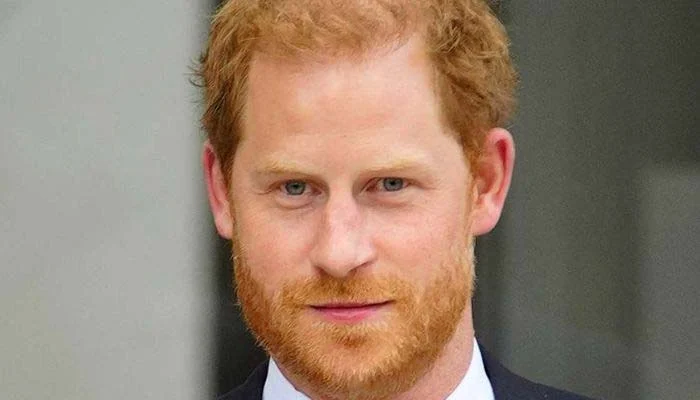
    Prince Harry faces financial ‘Armageddon’ after court defeat

    Prince Harry is once again facing sharp criticism from royal commentators. The backlash follows his defeat in a High Court privacy case against Associated Newspapers on July 7. Royal broadcaster Neil Sean weighed in on the mounting pressure surrounding the Duke of Sussex. He suggested much of the current turmoil is self-inflicted, pointing out that Harry has effectively made his struggles public for the world to see. Sean went further, describing Harry as someone visibly on edge right now. He questioned whether the prince’s current mindset appeared healthy given everything unfolding around him. According to Sean, the court defeat has left Harry navigating a genuinely difficult situation largely on his own. He suggested the fallout from the case has affected Harry far more deeply than he’d likely admit publicly. Sean noted that this marks unfamiliar territory for Harry, who has typically had support systems, like a private secretary, to help manage this kind of crisis. He said the experience of realising not everything he touches turns out successfully has clearly been difficult for him to process. Beyond the reputational damage, financial concerns are also mounting. Commentator Mark Dolan did not hold back, describing the situation as a full-blown financial disaster for the prince. Dolan estimated Harry could be facing costs anywhere between $10 million and $20 million as a result of the case. He said even a conservative estimate of $10 million would essentially wipe out all the money Harry earned from his memoir, “Spare.” Dolan raised pointed questions about whether Harry actually has the funds to cover those costs. He also wondered how Meghan Markle might be reacting to the situation, and what Harry’s next move could realistically look like. According to Dolan, the scale of the financial fallout makes this a defining moment for Harry, describing it as an existential crisis for the prince. With both reputational and financial pressures mounting simultaneously, commentators suggest this latest setback could prove especially difficult for Harry to recover from.

  • |

    ‘Jana Nayagan’ roars past Rs 200 crore worldwide in just four days

    Vijay’s latest release, “Jana Nayagan”, is gaining serious momentum at the box office. The film has already crossed Rs 200 crore globally within its first four days, boosted by a strong surge in earnings on its opening Sunday. According to trade tracker Sacnilk, the movie earned approximately Rs 32 crore net in India on Day 4 alone. That marks a 10.7% increase compared to Saturday’s Rs 28.90 crore haul. With this latest jump, the film’s total domestic net now stands at Rs 124.75 crore, while its gross collection has reached Rs 145.98 crore. This achievement makes “Jana Nayagan” only the second Tamil film this year to cross the Rs 100 crore mark within India. Suriya’s “Karuppu” still holds the lead among Tamil releases in 2026, with a lifetime total of Rs 198 crore. However, “Jana Nayagan” appears to be closing in fast. It has already surpassed several other releases this year, including “Parasakthi” at Rs 53 crore and “Love Insurance Kompany” at Rs 43 crore, while also overtaking “Dragon” (Rs 102 crore) and “Sikandar” (Rs 104 crore). Internationally, the film added another Rs 10 crore in gross earnings on Sunday, bringing its overseas total to Rs 71.50 crore. Combined with domestic numbers, the worldwide tally now sits at Rs 217.48 crore after just four days in theaters. Breaking down Sunday’s collections by language, the Tamil version contributed Rs 27.30 crore net, followed by Hindi at Rs 3.35 crore and Telugu at Rs 1.35 crore. Theater occupancy remained robust in Tamil Nadu, averaging 69% overall and climbing to nearly 78% during evening screenings. Meanwhile, Hindi and Telugu versions saw comparatively modest occupancy, hovering between 21% and 24%. Regionally, Tamil Nadu continued to lead ticket sales, generating Rs 22.50 crore in gross revenue on Day 4. Karnataka followed with Rs 4.75 crore, then Kerala at Rs 2.85 crore, and Andhra Pradesh-Telangana combined for Rs 2.05 crore. The remaining regions across India contributed Rs 5.02 crore, pushing the total Day 4 domestic gross to Rs 37.17 crore. Directed by H Vinoth, “Jana Nayagan” features a notable ensemble cast alongside Vijay, including Pooja Hegde, Bobby Deol, and Mamitha Baiju rounding out the lead roles.

  • | |

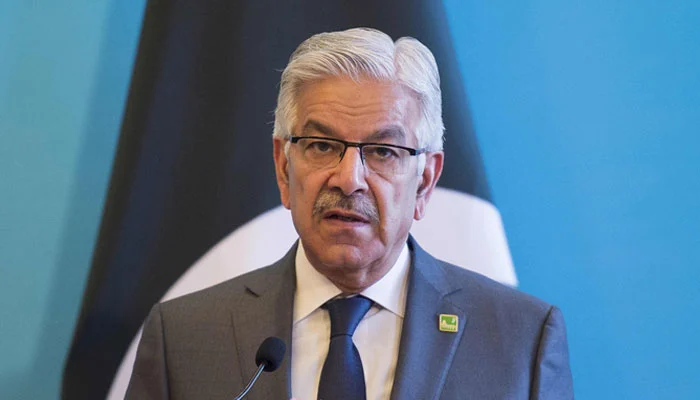
    Khawaja Asif accuses PTI of supporting PPP candida…

    Pakistan’s Defence Minister Khawaja Asif has claimed that the Pakistan Tehreek-e-Insaf (PTI) supported candidates of the Pakistan Peoples Party (PPP) during the recent elections. He alleged that in several constituencies, it appeared that both political parties had made joint efforts to influence the electoral outcome. Khawaja Asif stated that there were visible signs of cooperation between PTI and PPP in certain areas. According to him, the political activities and election strategies of both parties suggested that they were working together against other candidates. However, he did not provide specific evidence to support his claim. The Defence Minister said that he had been observing elections in Azad Kashmir for the past 55 years and had witnessed many political developments over different periods. He described the current election as significant, particularly because voter participation in urban areas was higher compared to previous elections. Khawaja Asif praised the efforts of his party’s workers, saying that they had worked hard during the election campaign. He claimed that the increased voter turnout in cities reflected greater public engagement and interest in the electoral process. He stated that urban areas recorded a turnout of more than 45 percent, describing it as an important achievement. According to Asif, the higher participation rate demonstrated that voters had actively participated in the democratic process and responded positively to his party’s campaign efforts. While discussing the performance of the Pakistan Peoples Party, Khawaja Asif claimed that the party’s popularity had declined among voters. He pointed out that the PPP had last won an election from the city in 1970, suggesting that the party had lost much of its previous political influence in the region. Asif argued that the current political landscape in Azad Kashmir was different from previous decades. He suggested that changing voter preferences and recent electoral trends indicated that political support for traditional parties had shifted over time. The Defence Minister’s remarks came amid political debate following the Azad Kashmir elections, where opposition parties raised concerns about the fairness of the electoral process. The PPP and other opposition groups have alleged irregularities, while government representatives have defended the transparency of the elections. Khawaja Asif maintained that his party’s success was the result of extensive political efforts and public support. He credited party workers for their dedication and said that the election outcome reflected the changing political dynamics of the region. The allegations regarding PTI’s support for PPP candidates have added another layer to the ongoing political discussions. Both PTI and PPP have their own positions regarding the election process, and any claims of coordination between them remain a subject of political debate. As the political situation develops, statements from different parties are expected to continue shaping discussions about the election results, voter trends, and the future direction of politics in Azad Kashmir.

Leave a Reply

Your email address will not be published. Required fields are marked *