aiman khan muneeb
|

Aiman Khan and Muneeb Butt enjoy family vacation in Baku

Aiman Khan and Muneeb Butt are among the most popular celebrity couples in Pakistan. Both stars have built successful careers in the entertainment industry and have remained in the public spotlight for years.

Aiman Khan began her career as a child artist before establishing herself as a leading actress through popular dramas such as Baandi, Ishq Tamasha and Mere Humnasheen. Muneeb Butt, who entered the acting industry in 2012, has also appeared in several successful projects, including Koi Chand Rakh, Baandi and Qismat.

The couple tied the knot in November 2018 and have since become one of the most followed celebrity families in the country. They are parents to three daughters, Amal, Miral and Naimal, and often share glimpses of their family life with their fans on social media. Together, Aiman and Muneeb have attracted a huge following across different social media platforms, with their combined audience exceeding 15 million.

Recently, the couple travelled abroad with their daughters for a family vacation. The family first spent some quality time in Dubai before making their way to Baku, Azerbaijan. The trip has given them an opportunity to enjoy some memorable moments together while exploring the scenic city.

Aiman and Muneeb have been regularly sharing pictures and videos from their holiday, giving fans a glimpse into their family getaway. The family has visited several popular and picturesque locations in Baku, capturing moments from their sightseeing and time spent together.

The celebrity couple also marked Pakistan’s Independence Day on August 14 while they were in Baku. Aiman and Muneeb celebrated the occasion by wearing matching white T-shirts, while their daughters wore shirts featuring Pakistani flag prints. Their coordinated outfits added a festive touch to the family photographs.

The pictures quickly attracted attention from fans, who praised the family’s adorable appearance and their decision to celebrate Independence Day while travelling abroad. Their vacation posts have also offered followers a closer look at their family bond and the fun moments they are enjoying together.

With Aiman, Muneeb and their daughters continuing to explore Baku, fans are eagerly following their latest updates and waiting to see more pictures from the family’s memorable trip.

Similar Posts

  • |

    US delegation walks out of UN Security Council after dispute with France

    The United States walked out of a United Nations Security Council meeting on Monday during remarks by France’s ambassador, escalating a diplomatic dispute between the two allies over human rights and the leadership of the UN’s top human rights office. The disagreement began after a recent vote on extending the term of Volker Turk as the United Nations High Commissioner for Human Rights. The United States joined Russia and North Korea in opposing his reappointment, placing Washington on the same side as two countries it has frequently criticized over human rights issues. Following the vote, France’s mission to the United Nations strongly criticized the US position on social media, saying Washington had once been a global symbol of human rights but no longer deserved that reputation. The statement drew a sharp response from American officials and set the stage for the diplomatic confrontation that followed. The latest tension unfolded during an emergency Security Council meeting on Russia’s war in Ukraine. As France’s UN Ambassador Jerome Bonnafont began speaking, members of the US delegation left the chamber in protest. US Ambassador Dan Negrea later said the walkout was a direct response to what he described as France’s disrespectful and condescending language toward the United States. He warned that similar protests would continue unless France changed its approach and withdrew its criticism. Earlier, US Ambassador Mike Waltz defended Washington’s opposition to Turk’s second term. He argued that the human rights chief had unfairly criticized democratic countries while failing to take a strong enough stance against governments with poor human rights records. Waltz did not identify specific examples to support his criticism. During his time in office, Turk has repeatedly condemned Russia’s invasion of Ukraine and has also raised concerns about Israel’s military operations in Gaza. Despite US objections, his second term was approved by a large majority of UN member states, with 144 countries voting in favor, 10 voting against and 13 abstaining. The dispute reflects broader tensions between the United States and the United Nations under President Donald Trump’s administration. In recent years, Washington has reduced financial support for several UN agencies and withdrawn from a number of UN bodies as part of a wider review of its international commitments. After the vote on Turk’s reappointment, US Ambassador Jeff Bartos warned that the United States would reconsider its participation, engagement and funding for UN institutions. He accused the organization of allowing procedural abuses and political deals to influence key appointments. France, however, strongly defended Turk’s leadership. Ambassador Bonnafont described him as a principled and impartial official who had carried out his responsibilities with integrity during his first term. France argued that his reappointment reflected the confidence of the overwhelming majority of UN member states. A spokesperson for the United Nations declined to comment directly on the American walkout but said the organization expects all member countries to respect decisions made through its established voting process. The incident has added to growing friction between Washington and the UN at a time when international cooperation is already under pressure from several global conflicts.

  • | |

    Rising heat pushes even Africa’s resilient c…

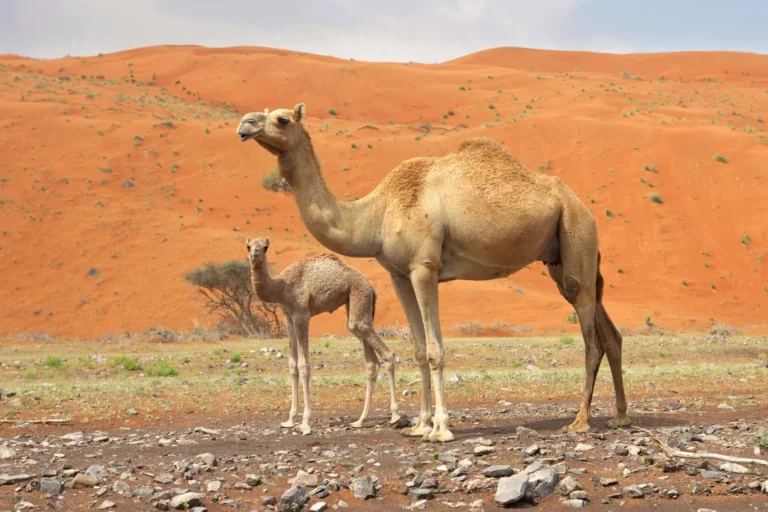
    Camel herders and scientists across Africa say that rising temperatures are now overwhelming animals long regarded as uniquely suited to desert extremes, with herds facing rising death tolls, illness, and shrinking grazing lands. In the Afar region of northeastern Ethiopia, among the hottest and driest places on the planet, nomadic herders traditionally lead camel caravans loaded with salt across the desert. Ali Umer, a 40 year old herder from Semera who owns around 500 camels, said he watches his animals struggle under conditions he has never seen before. He described blistered feet, watery eyes, and burned skin among his herd, and said the sand itself now scorches the animals as they rest. Umer said he lost eight camel calves in a single month due to extreme heat, and added that even the wind no longer brings relief. He said the changes have become noticeably worse in recent years. Umer’s account matches what researchers and veterinarians are documenting across the continent. Scientists and animal welfare specialists point to stress, fatigue, dehydration, and rising disease rates as direct consequences of extreme heat, while indirect effects such as water shortages, vegetation loss, and disappearing shade compound the damage. North Africa and the Horn of Africa are home to roughly 80 percent of the world’s dromedary camel population, the single humped variety that farmers across the region have increasingly relied on because of its reputation for withstanding drought and heat. A 2025 study examining herder perceptions in southern Ethiopia found that climate variability had measurably harmed camel health, productivity, and reproduction. The crisis appears especially acute in Somalia. Research published in June found that drought linked camel deaths have affected nearly 46 percent of camel owning households, based on a survey of almost 6,000 pastoral families. The mortality was heavily concentrated in northern areas, with the Sool region recording a death rate of nearly 73 percent. Experts say extreme heat is the central driver behind the region’s drought conditions, though poor veterinary access and weak herd management make outcomes worse. Atmospheric scientists have linked the severe 2021 to 2022 drought to sustained high temperatures, which accelerate evaporation from soil and water sources and increase the rate at which plants release moisture into the air. Veterinarians on the ground report a growing caseload tied to heat. Hassan Nuya Guyo, a veterinary officer in Marsabit county in northeastern Kenya near the Ethiopian border, said his clinic is seeing a sharp rise in hyperthermia cases that leave camels vulnerable to secondary infections. He said camel deaths in the county have risen more than 15 percent over the past two years due to heat and drought. Separate research from the Horn of Africa links heat stress to higher disease rates and falling milk yields among camel herds. A similar pattern is emerging in North Africa. A study conducted in Algeria and published this year documented a marked rise in camel deaths during summer heatwaves, with researchers noting clear seasonal mortality spikes that they say call for targeted responses such as emergency water supplies, supplemental feeding, and closer disease monitoring during peak summer months. The World Meteorological Organization says extreme heat events have become routine across North Africa, with heatwaves trending upward since 1981. Several countries in the region and the wider Middle East recorded temperatures above 50 degrees Celsius in 2024. The organization’s most recent State of the Climate in Africa report found that North Africa warmed faster than any other subregion on the continent between 1991 and 2025, at a rate of 0.43 degrees Celsius per decade. Camels are naturally equipped to handle heat up to about 40 degrees Celsius. Their bodies allow internal temperature to fluctuate throughout the day, reducing the need to sweat, while concentrated urine, dry waste, and a thick protective coat help limit water loss and block solar radiation. But researchers say those adaptations are no longer enough. Mohammed Bengoumi, a camel health specialist with the United Nations Food and Agriculture Organization who works across North Africa, said summer temperatures in large parts of the Sahara now regularly exceed 50 degrees Celsius, raising the risk of severe heat stress, especially where vegetation, water, and shade are already scarce. Abdelmadjid Chehma, a professor at the University of Ghardaia in Algeria who has conducted experimental research on desert camels, said sustained heat above 41 to 45 degrees Celsius damages the animals at a cellular level, weakening their immune systems and preventing white blood cells from repairing themselves. He said the resulting stress slows the animals’ metabolism as their bodies try to limit internal heat production, which in turn reduces appetite and causes lethargy, lower milk output, and reproductive problems. Mohammed el Khasmi, an animal hydrobiology expert at the University of Casablanca in Morocco, said his team has documented a wide range of heat related harm in camels, including weight loss, inflammation, muscle and bone damage, kidney related chemical imbalances, and parasite driven infections. The combined pressures are forcing some herding communities to abandon land they have used for generations. Daniel Gelan, a pastoralist development researcher at Vision University in Ethiopia, said herders in the country’s north are relocating permanently to southern areas with more reliable water and vegetation, rather than following the seasonal migration patterns of the past, because the northern region can no longer sustain camel herding. The Horn of Africa is still recovering from a severe drought that lasted from 2020 to 2023 and is now facing another period of harsh conditions, according to the charity Oxfam, which reported that water prices in parts of Somalia have jumped by more than 2,000 percent. Back in Afar, Umer said he fears disease could soon begin killing his adult camels as well. Chehma said that concern reflects a broader shift underway across the region, where an animal once seen as the ultimate survivor of desert life is now being pushed toward its own breaking point by the pace and severity of current heatwaves.


  • |

    ITF Masters World Championship, Aisam-ul-Haq and Aqeel Khan reach semifinals

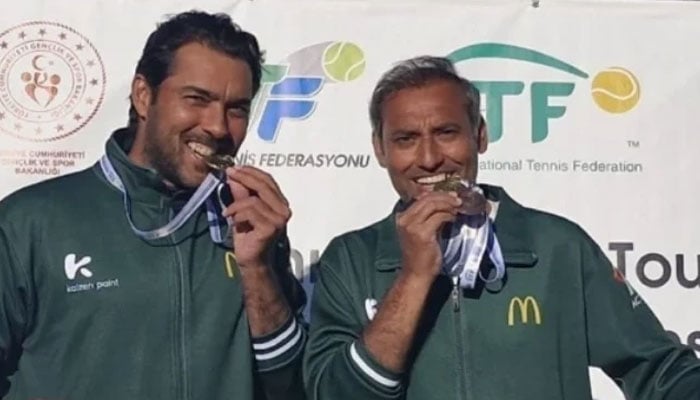
    Pakistan’s veteran tennis stars Aisam-ul-Haq Qureshi and Aqeel Khan produced a dramatic comeback to reach the men’s 45+ doubles semifinals at the ITF Masters World Championship. The Pakistani pair defeated Spain’s Francisco Xavier Martinez Vina and Pedro Nieto Oriana in a thrilling quarterfinal that went down to a deciding match tiebreak. After losing the opening set 6-7, Aisam and Aqeel refused to let the match slip away. They raised their intensity in the second set, saving two match points before forcing the contest into a tiebreak. The Pakistanis held their nerve when it mattered most, winning the second-set tiebreak 7-6 to level the contest and set up a decisive match tiebreak. They then produced their best tennis of the match, racing to a commanding 10-2 victory in the deciding breaker to complete an impressive turnaround. The result sends the experienced Pakistani duo into the semifinals, where they will face a Ukrainian pair for a place in the final. The success also adds to an already impressive campaign for both players. Aisam and Aqeel have reached the semifinals in mixed doubles as well, although they are competing with different partners. Aqeel has advanced alongside Germany’s Eline Aranas Roth, while Aisam has reached the mixed doubles semifinals with Austria’s Nina Hermann. For Aisam, the tournament continues to underline his remarkable longevity in international tennis. The former Pakistan Davis Cup star remains a major presence in the Masters circuit, while Aqeel’s performances have further strengthened Pakistan’s challenge in Lisbon. Their latest comeback will give the pair considerable confidence heading into the semifinals. After surviving two match points and overturning a first-set defeat, Aisam and Aqeel now stand just one victory away from reaching the championship final. Pakistan will be hoping the experienced duo can carry their momentum into the next round and add another major achievement to their impressive Masters campaign.

  • |

    Spirit controversy deepens over Deepika Padukone’s exit

    The controversy surrounding Spirit has gained fresh attention following new claims made by Pranay Reddy Vanga, brother of filmmaker Sandeep Reddy Vanga, regarding the discussions that took place before Deepika Padukone’s departure from the Prabhas-led film. Pranay recently addressed the matter in an interview, offering his version of the events surrounding Deepika’s exit. According to him, the disagreement was not limited to one issue but involved several factors, including remuneration, scheduling and other matters that emerged during discussions between the actress and the production team. He claimed that Sandeep Reddy Vanga had been in talks with Deepika for nearly 18 months and had strongly wanted her to be part of the project. However, after discussions between both sides, the filmmakers eventually decided to move forward with another actress. Pranay also alleged that remuneration became an important part of the negotiations. He claimed that Deepika had sought a percentage of the film’s profits as part of her deal, saying that she had demanded a 10 percent share in the movie’s profits. According to him, the financial implications of the request were considered before the team decided to explore other casting options. The filmmaker’s brother also spoke about the issue of confidentiality surrounding the project. He claimed that the story and character had been discussed with Deepika during the development stage but alleged that details from those private conversations later became public. His remarks added another dimension to the controversy, particularly because the film’s casting discussions had already attracted considerable attention. Another major point linked to Deepika’s departure was reportedly her working schedule. Earlier reports suggested that the actress had requested an eight-hour working shift for the project. The issue became part of the wider discussion surrounding working conditions and schedules in the Indian film industry. Deepika had previously defended her position on professional working hours, making it clear that she did not believe her expectations were unreasonable. Her comments further fueled conversations about the demands placed on actors and the importance of maintaining healthy working conditions during film productions. The controversy intensified further after Sandeep Reddy Vanga appeared to respond to the situation through a social media post. Although he did not directly name Deepika, the filmmaker expressed disappointment over confidential conversations between filmmakers and actors being made public. Sandeep emphasized the trust involved when he narrates a story to an actor and referred to an “unsaid NDA” between them. His comments were widely interpreted as a reference to the discussions surrounding Spirit and the information that had emerged following Deepika’s exit. Following her departure, Triptii Dimri was brought on board as the female lead opposite Prabhas. Her inclusion officially marked a major change in the film’s casting and shifted attention toward the new pairing. Directed by Sandeep Reddy Vanga, Spirit remains one of the most anticipated upcoming Indian films, with Prabhas in the lead role and Triptii Dimri as the female protagonist. The film is currently scheduled for release in March 2027. The developments surrounding Deepika’s exit have continued to generate discussion among cinema audiences, with the reported disagreements over remuneration, scheduling and confidentiality adding further interest to the project even before its release.

  • |

    BJP lawmaker alleges son-in-law married 25 women

    An Indian politician has accused his son-in-law of fraud after allegedly discovering that the man had married around 25 women using different identities. Bharatiya Janata Party (BJP) lawmaker Gyan Tiwari, who represents the Sevata constituency in Uttar Pradesh, filed a complaint against his son-in-law’s family. He alleged that his daughter was deceived into marrying a man who had concealed his alleged criminal background and previous relationships. According to the complaint, Tiwari’s daughter Pragya married Prakhar Trivedi in 2024. Prakhar is the son of Anuj Trivedi, a resident of Chandrawal. Tiwari alleged that Anuj presented himself during the marriage arrangements as a well-known real estate businessman based in Mumbai. He claimed that the family had also received positive information about the prospective groom from local sources and influential people before approving the marriage. However, the lawmaker said his family later learned about Prakhar’s alleged activities through social media and other sources. Tiwari alleged that Prakhar had used fake identities to establish relationships with women in different Indian states, particularly Maharashtra. He further accused him of allegedly obtaining large sums of money from several women. The politician claimed that Prakhar had entered into around 25 marriages. The allegations have not been independently established. Tiwari said the revelations caused severe emotional distress to his family. He also said that the incident affected his reputation as a public representative. Following the allegations, Tiwari said he had severed social and personal ties with the accused family and brought his daughter back home. Police said a case had been registered following Tiwari’s complaint at the Reusa police station. Anuj Trivedi and his son Prakhar Trivedi have reportedly been arrested as the investigation continues. Authorities are now investigating the allegations of fraud, the alleged use of multiple identities and the claims involving several marriages.

  • | |

    Governor signals PPP’s shift to opposition polit…

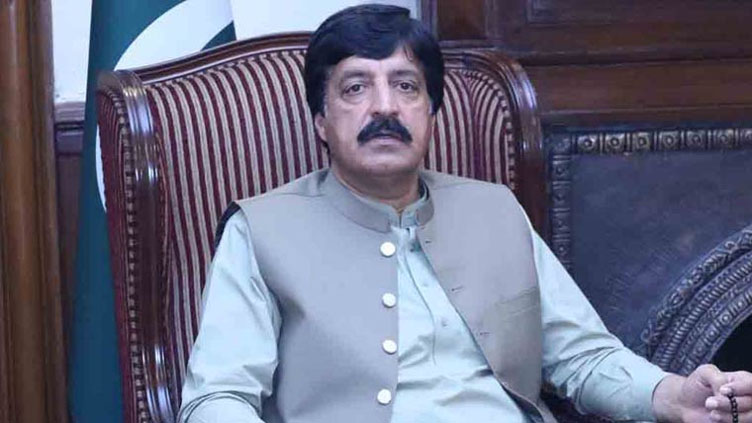
    Governor of Punjab Sardar Saleem Haider Khan has said that those who had been supporting the Pakistan Muslim League-Nawaz (PML-N) government in implementing its policies and defending its decisions had reached the limits of their endurance. Speaking to a delegation of the Pakistan English Media Association (PEMA) at the Governor’s House on Monday, he said the Pakistan Peoples Party (PPP) had now assumed the role of an opposition party and would continue to function as a genuine opposition until the next general elections, scheduled for 2029. PEMA Chairman Zulqernain Tahir and President Rameez Khan led the delegation, which also included Secretary General Ali Raza and members Mubashir Bokhari, Babar Dogar, Shahar Bano, Mubashar Hassan, Faisal Ali Ghumman and Samiullah Randhwa. He made it clear that the PPP would not return to the present coalition arrangement following the Azad Jammu and Kashmir (AJK) elections and would instead play the role of an effective opposition, particularly in Punjab. Mr Khan said the PPP had never favoured coalition governments as a means of running the country, even during the previous parliamentary term. Although the party was widely regarded as an ally of the PML-N-led government, he said it was, in practice, steadily moving into opposition. He maintained that those backing the present government appeared increasingly powerless in the face of poor governance and allegations of corruption. Responding to a question, the PPP leader said internal differences within the party had been resolved to enable it to function as a more effective opposition. Mr Khan also dismissed speculation over a power-sharing arrangement at the federal level, saying there was no written agreement under which Prime Minister Shehbaz Sharif would serve for two and a half years before handing over office to Bilawal Bhutto Zardari for the remainder of the term. He said there could be no disagreement that the people of Pakistan were grappling with rising unemployment and persistent inflation. The PPP, he added, would continue to raise these issues publicly to mobilise support while also exerting political pressure on the PML-N government to improve its performance and deliver meaningful relief to the public.

Leave a Reply

Your email address will not be published. Required fields are marked *