atc extends mushtaq
| |

ATC extends Mushtaq Ahmad’s remand by four d…

An Anti-Terrorism Court (ATC) in Islamabad has extended the physical remand of former Jamaat-e-Islami senator Mushtaq Ahmad and his co-accused, Daniyal, by four more days in connection with a case linked to a protest over the situation in Azad Jammu and Kashmir (AJK).

The two accused were produced before the court after completing an earlier three-day physical remand. During the hearing, the prosecution sought a 30-day remand, arguing that investigators still needed additional time to recover a vehicle and weapons allegedly connected to the case.

According to prosecutors, the investigation remains incomplete because the alleged recoveries have not yet been made. They requested extended custody to continue the inquiry.

After hearing arguments from both sides, the court rejected the request for a 30-day remand and instead approved a four-day extension in police custody.

The case was registered at Islamabad’s Shalimar Police Station under charges related to a protest concerning recent unrest in Azad Jammu and Kashmir.

Mushtaq Ahmad’s legal team has previously claimed that he was detained after attempting to enter AJK to express solidarity with people affected by recent violence in the region. They alleged he was stopped by security personnel at Azad Pattan Bridge, denied entry into AJK and later taken into custody by Punjab Police while returning to Islamabad.

Following his release from the earlier detention, Mushtaq Ahmad announced plans to organise a peaceful gathering in Islamabad to express solidarity with the people of Kashmir. He invited political activists, students, journalists and members of the Kashmiri community to participate in the event.

The case comes amid heightened political tensions following recent protests in Azad Jammu and Kashmir, where clashes reportedly resulted in casualties and injuries, drawing criticism from several political parties and human rights groups.

Similar Posts

  • | |

    Rising heat pushes even Africa’s resilient c…

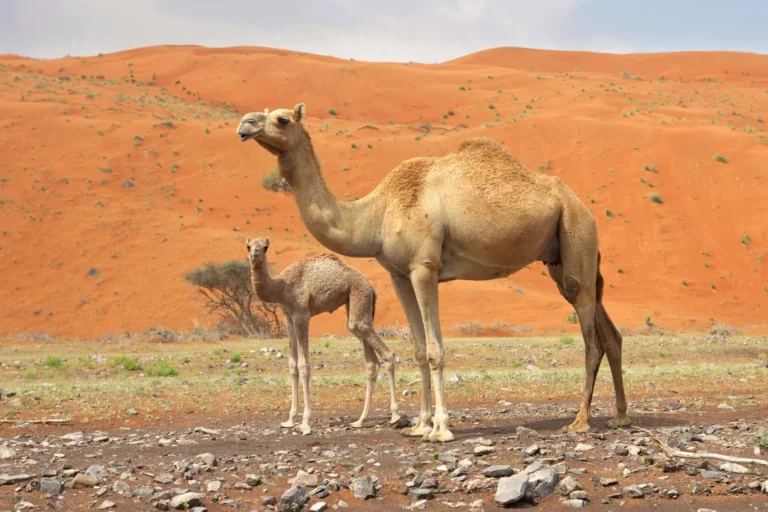
    Camel herders and scientists across Africa say that rising temperatures are now overwhelming animals long regarded as uniquely suited to desert extremes, with herds facing rising death tolls, illness, and shrinking grazing lands. In the Afar region of northeastern Ethiopia, among the hottest and driest places on the planet, nomadic herders traditionally lead camel caravans loaded with salt across the desert. Ali Umer, a 40 year old herder from Semera who owns around 500 camels, said he watches his animals struggle under conditions he has never seen before. He described blistered feet, watery eyes, and burned skin among his herd, and said the sand itself now scorches the animals as they rest. Umer said he lost eight camel calves in a single month due to extreme heat, and added that even the wind no longer brings relief. He said the changes have become noticeably worse in recent years. Umer’s account matches what researchers and veterinarians are documenting across the continent. Scientists and animal welfare specialists point to stress, fatigue, dehydration, and rising disease rates as direct consequences of extreme heat, while indirect effects such as water shortages, vegetation loss, and disappearing shade compound the damage. North Africa and the Horn of Africa are home to roughly 80 percent of the world’s dromedary camel population, the single humped variety that farmers across the region have increasingly relied on because of its reputation for withstanding drought and heat. A 2025 study examining herder perceptions in southern Ethiopia found that climate variability had measurably harmed camel health, productivity, and reproduction. The crisis appears especially acute in Somalia. Research published in June found that drought linked camel deaths have affected nearly 46 percent of camel owning households, based on a survey of almost 6,000 pastoral families. The mortality was heavily concentrated in northern areas, with the Sool region recording a death rate of nearly 73 percent. Experts say extreme heat is the central driver behind the region’s drought conditions, though poor veterinary access and weak herd management make outcomes worse. Atmospheric scientists have linked the severe 2021 to 2022 drought to sustained high temperatures, which accelerate evaporation from soil and water sources and increase the rate at which plants release moisture into the air. Veterinarians on the ground report a growing caseload tied to heat. Hassan Nuya Guyo, a veterinary officer in Marsabit county in northeastern Kenya near the Ethiopian border, said his clinic is seeing a sharp rise in hyperthermia cases that leave camels vulnerable to secondary infections. He said camel deaths in the county have risen more than 15 percent over the past two years due to heat and drought. Separate research from the Horn of Africa links heat stress to higher disease rates and falling milk yields among camel herds. A similar pattern is emerging in North Africa. A study conducted in Algeria and published this year documented a marked rise in camel deaths during summer heatwaves, with researchers noting clear seasonal mortality spikes that they say call for targeted responses such as emergency water supplies, supplemental feeding, and closer disease monitoring during peak summer months. The World Meteorological Organization says extreme heat events have become routine across North Africa, with heatwaves trending upward since 1981. Several countries in the region and the wider Middle East recorded temperatures above 50 degrees Celsius in 2024. The organization’s most recent State of the Climate in Africa report found that North Africa warmed faster than any other subregion on the continent between 1991 and 2025, at a rate of 0.43 degrees Celsius per decade. Camels are naturally equipped to handle heat up to about 40 degrees Celsius. Their bodies allow internal temperature to fluctuate throughout the day, reducing the need to sweat, while concentrated urine, dry waste, and a thick protective coat help limit water loss and block solar radiation. But researchers say those adaptations are no longer enough. Mohammed Bengoumi, a camel health specialist with the United Nations Food and Agriculture Organization who works across North Africa, said summer temperatures in large parts of the Sahara now regularly exceed 50 degrees Celsius, raising the risk of severe heat stress, especially where vegetation, water, and shade are already scarce. Abdelmadjid Chehma, a professor at the University of Ghardaia in Algeria who has conducted experimental research on desert camels, said sustained heat above 41 to 45 degrees Celsius damages the animals at a cellular level, weakening their immune systems and preventing white blood cells from repairing themselves. He said the resulting stress slows the animals’ metabolism as their bodies try to limit internal heat production, which in turn reduces appetite and causes lethargy, lower milk output, and reproductive problems. Mohammed el Khasmi, an animal hydrobiology expert at the University of Casablanca in Morocco, said his team has documented a wide range of heat related harm in camels, including weight loss, inflammation, muscle and bone damage, kidney related chemical imbalances, and parasite driven infections. The combined pressures are forcing some herding communities to abandon land they have used for generations. Daniel Gelan, a pastoralist development researcher at Vision University in Ethiopia, said herders in the country’s north are relocating permanently to southern areas with more reliable water and vegetation, rather than following the seasonal migration patterns of the past, because the northern region can no longer sustain camel herding. The Horn of Africa is still recovering from a severe drought that lasted from 2020 to 2023 and is now facing another period of harsh conditions, according to the charity Oxfam, which reported that water prices in parts of Somalia have jumped by more than 2,000 percent. Back in Afar, Umer said he fears disease could soon begin killing his adult camels as well. Chehma said that concern reflects a broader shift underway across the region, where an animal once seen as the ultimate survivor of desert life is now being pushed toward its own breaking point by the pace and severity of current heatwaves.

  • | | |

    Rana slams Naqvi’s ‘confusing’ provinces rem…

    Prime Minister Shehbaz Sharif’s Adviser on Political Affairs, Rana Sanaullah, said it was true that former prime minister Nawaz Sharif had instructed party leaders not to respond to Interior Minister Mohsin Naqvi’s recent statements. He added that the Pakistan Muslim League-Nawaz (PML-N) strongly disagreed with both the content and tone of Naqvi’s remarks. Speaking on a television programme, Rana Sanaullah described Mohsin Naqvi’s comments as “meaningless” and lacking context. He said he had listened to Naqvi’s speech but could not understand what message he was trying to convey. “It appeared that he wanted to make a significant point but failed to explain it properly. Once he made the statement, his subsequent remarks contradicted one another. I simply could not understand what he was saying or why he was saying it,” Rana Sanaullah said. He stressed that whenever a person makes a public statement, it reflects their personal opinion, adding that it was up to Mohsin Naqvi to clarify the intent behind his remarks and take responsibility for their interpretation. Responding to Naqvi’s proposal regarding the creation of new administrative units or provinces, Rana Sanaullah said such matters could not be decided merely through public statements. “You cannot simply talk about new provinces and expect them to come into existence. The Constitution clearly defines the procedure for creating new provinces or administrative units,” he said. He maintained that the issue should first be debated in Parliament, while the final decision would rest with the leadership of the political parties. Rana Sanaullah recalled that during the PML-N government in Punjab from 2013 to 2018, the party had formally proposed the creation of new provinces. He said he had personally presented both the resolution and the proposal for establishing a commission to examine the matter. He explained that a national commission would have to be formed to review all aspects of creating new provinces, including financial resources, administrative arrangements and constitutional requirements. “The commission would also need to consult on representation in the National Assembly, provincial assemblies and the Senate. This is a highly complex issue that requires serious deliberation by experienced policymakers,” he said. Rana Sanaullah added that Pakistan could adopt smaller provinces, a stronger local government system, or even both, but such decisions should be made collectively by political parties after thorough consultation

  • | |

    ‘I will not apologize’: Maulana Fazlur…

    A political controversy surrounding Jamiat Ulema-e-Islam (F) chief Maulana Fazlur Rehman has intensified after the veteran politician refused to apologize for remarks he made earlier this month regarding security issues and the role of state institutions. The comments have drawn criticism from government officials and prompted legal proceedings. Addressing lawyers affiliated with his party on Sunday, Maulana Fazlur Rehman stated that he would not withdraw or apologize for his remarks. Instead, he argued that those who, in his view, launched a propaganda campaign against him should offer an apology. The controversy stems from a speech delivered during a party rally in Kasur, where the JUI-F leader spoke about the deteriorating security situation in Khyber Pakhtunkhwa and Balochistan. During the address, he questioned calls for political workers to take up arms against militant groups, saying he would not form a private force or militia. In the same speech, Maulana Fazlur Rehman also criticized the involvement of individuals in politics while serving in uniform, suggesting that anyone wishing to participate in politics should first leave official service and contest elections as civilians. The remarks quickly became the subject of nationwide political debate. The speech also led to legal action. On July 15, a local court in Gujranwala issued a notice to the National Cyber Crime Investigation Agency (NCCIA) in response to a petition filed over the remarks. The court has sought a reply from the agency by August 17 as the matter proceeds through legal channels. Senior members of the federal government strongly criticized the JUI-F chief’s comments. Defence Minister Khawaja Asif said linking the sacrifices of Pakistan’s armed forces to their salaries was unfair and disrespectful to military personnel, particularly the families of fallen soldiers. He maintained that while political leaders have the right to criticize policies or procedures, they should avoid statements that undermine the sacrifices of security forces. The controversy has sparked wider debate across Pakistan’s political landscape, with supporters arguing that Maulana Fazlur Rehman was expressing a political opinion on national security, while critics believe his remarks crossed acceptable boundaries. As political reactions continue, the legal process is expected to determine whether any further action will be taken. The issue remains a prominent topic in national politics, highlighting ongoing tensions between opposition leaders and the government over security, governance, and political accountability.

  • | | |

    UK border crisis: new record as 230 migrants cross…

    The UK’s ongoing small boat crisis has come under renewed scrutiny after around 230 migrants crossed the English Channel and arrived in Britain, raising fresh questions about the government’s efforts to tackle irregular migration. The latest arrival comes just 17 days after 165 people crossed the Channel in a single day, according to reports. The new figure has added to growing political pressure on the UK government as ministers face continued challenges in preventing dangerous journeys across one of the world’s busiest shipping routes. Hundreds of people are believed to have reached the UK by small boats during the current week, with reports putting the number at more than 900. The continued crossings have become a major political issue, with the government under pressure to demonstrate that its border policies can reduce the number of people making the journey. People-smuggling networks are believed to charge migrants thousands of pounds for the dangerous passage. Critics say the criminal gangs running these operations make substantial profits while placing migrants’ lives at serious risk by using overcrowded and often unsuitable boats. The latest development follows an incident last week in which a small boat caught fire while attempting to cross the Channel. A total of 173 people were reportedly rescued following the incident, highlighting the dangers faced by those attempting the journey. Shadow Home Secretary Chris Philp criticized the French authorities over the continued crossings. He argued that French officials could have prevented boats of this size from entering deeper waters but failed to do so. The issue has also drawn strong criticism from Reform UK leader Nigel Farage. He has called for small boat crossings to be treated as a national security emergency, reflecting the increasingly prominent role of immigration in Britain’s political debate. The UK government has repeatedly pledged to tackle illegal immigration and disrupt the criminal networks responsible for organizing Channel crossings. However, the continued arrival of boats demonstrates the difficulty of stopping the journeys despite increased enforcement measures and cooperation with French authorities. The small boat crisis has become one of the most contentious issues in British politics, with politicians divided over how best to address irregular migration. While supporters of tougher policies argue that stronger border controls are urgently needed, others have stressed the need to address the criminal smuggling networks and the wider factors driving people to attempt dangerous crossings. With hundreds more people arriving in Britain, pressure on the government is likely to remain intense as it seeks to reduce Channel crossings and restore public confidence in its immigration strategy.

  • | |

    Bilawal Bhutto welcomes positive response to recon…

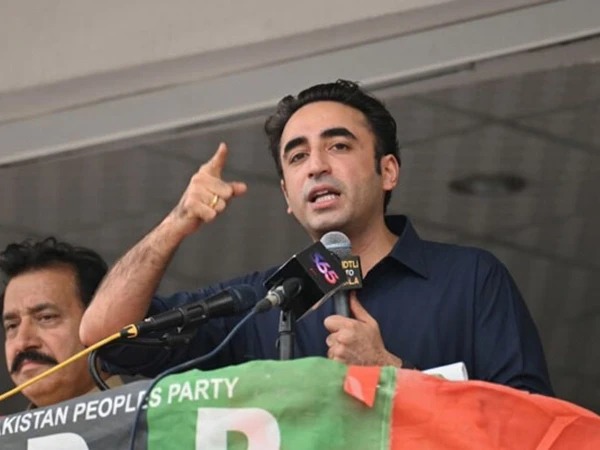
    Pakistan Peoples Party (PPP) Chairman Bilawal Bhutto Zardari has announced that the Joint Public Action Committee has responded positively to his proposal for establishing a Reconciliation Commission to help resolve the ongoing crisis in Azad Jammu and Kashmir (AJK). He said the committee’s response included several recommendations that would be carefully reviewed as part of the consultation process. In a statement shared on the social media platform X, Bilawal said he had received the committee’s formal reply regarding the proposed commission. According to him, the response reflects a willingness to consider an institutional mechanism that could help address the current situation through dialogue and consensus. Bilawal emphasized that his immediate priority is to help bring the ongoing crisis to an end, provide urgent relief to affected citizens, and restore normal life across Azad Jammu and Kashmir. He described every loss of life as a national tragedy and stressed the importance of finding a peaceful and sustainable solution through constructive engagement. The PPP chairman welcomed the committee’s readiness to move forward with the proposed Reconciliation Commission, saying it represents a positive step toward resolving outstanding issues. He added that the Azad Jammu and Kashmir Legislative Assembly has also endorsed the proposal, which he intends to examine in detail before further consultations. Bilawal said the next phase of the process would involve discussions with the Prime Minister of Azad Jammu and Kashmir. Following these consultations, the AJK leadership is expected to seek initial feedback from the federal government and other relevant stakeholders to determine whether there is sufficient common ground to advance a mutually agreed framework. According to Bilawal, broad-based consultation among all stakeholders is essential to ensure that any solution enjoys public confidence and contributes to lasting stability. He expressed hope that the proposed commission could provide a structured platform for dialogue while addressing the concerns of all parties involved. The development comes at a time when efforts are underway to reduce tensions in Azad Jammu and Kashmir and restore normal public life. Bilawal reiterated that meaningful dialogue, cooperation, and timely relief for affected communities remain central to his approach. He expressed optimism that continued engagement between the committee, the AJK government, and federal authorities could pave the way for a consensus-based resolution to the crisis.

  • |

    US car leasing declines as higher costs hit buyers

    Car leasing in the United States has dropped significantly in recent years as automakers reduce incentives and consumers struggle with rising monthly payments. Before the COVID-19 pandemic, leasing accounted for nearly 30% of new vehicle deals in the US. However, the share fell sharply during the post-pandemic vehicle shortage and has not fully recovered. In the first half of 2026, leasing represented around 23% of new car transactions. Industry experts say one of the biggest reasons behind the decline is the end of attractive lease offers that previously encouraged customers to choose leasing over buying. Automakers have become less willing to provide low-cost lease deals as they focus on maintaining tighter vehicle inventories and reducing discounts. As a result, many customers returning after the end of their lease terms are facing significantly higher monthly payments. Dealers say some customers are surprised to find their next lease costing hundreds of dollars more than their previous agreement, causing many to reconsider leasing altogether. The decline in leasing has added pressure to vehicle affordability in the US market. Some buyers are now choosing longer financing plans, including loans lasting up to seven years, to manage higher vehicle prices. Leasing usually allows customers to drive newer vehicles with lower monthly payments compared with traditional financing. The average lease payment remains lower than loan payments, but industry analysts say the gap has narrowed significantly. Experts believe automakers changed their approach after the 2021–2023 vehicle shortage caused by semiconductor supply disruptions. Limited inventories helped companies reduce incentives and maintain stronger pricing power. The decline in leasing is also affecting the used-car market. Vehicles returned after three-year leases have traditionally provided dealerships with a steady supply of affordable pre-owned cars. With fewer leased vehicles coming back to the market, used-car supplies have tightened and prices have increased. Data from industry analysts shows that average prices for three-year-old used vehicles have risen substantially compared with pre-pandemic levels. Dealers warn that fewer lease customers could also weaken long-term customer loyalty, as leasing often brings buyers back to showrooms every few years for new vehicles

Leave a Reply

Your email address will not be published. Required fields are marked *