booker calls diplomacy
|

Booker calls for diplomacy, says Pakistan can help promote Middle East peace

Democratic US Senator Cory Booker has called for diplomacy and dialogue instead of military action, saying the United States needs diplomacy, not bombs, to address conflicts in the Middle East.

Speaking at a Pakistan Independence Day event in New York, Booker said Pakistan was in a strong position to play a constructive role in promoting peace across the Middle East. He stressed that dialogue should take precedence over war and urged greater diplomatic efforts to resolve ongoing conflicts.

Booker also highlighted the humanitarian consequences of conflicts in the region, saying every human being deserves dignity and respect. He said children in Palestine and Iran deserve the same consideration and protection as American children.

“When a humanitarian tragedy is unfolding, none of us should remain silent,” Booker said, emphasizing the need to continue raising voices for a just and lasting peace in Palestine and Iran.

The senator also praised the role of Pakistani Americans in strengthening ties between the United States and Pakistan. Referring to the efforts of the American Pakistani Public Affairs Committee (APPAC), he said the organization had worked to bridge communities and ensure that Pakistani Americans receive their rightful place and representation at the local level.

Discussing bilateral relations, Booker said the friendship between the United States and Pakistan began soon after Pakistan’s independence and has continued to develop over the decades. He noted that Pakistani Americans have made significant contributions in a wide range of fields, including medicine, engineering, public service and business.

He said the success of Pakistani Americans also contributes to the strength and prosperity of the United States, stressing the importance of ensuring that the community has a strong and influential voice in American society.

Booker further spoke out against discrimination and Islamophobia, saying that when a Muslim faces prejudice in the United States, it is not only a problem for the individual or the Muslim community but a problem for the entire country.

He recalled his efforts to combat anti-Muslim hatred and said he had introduced legislation aimed at addressing Islamophobia and protecting Muslims from discrimination.

The senator’s remarks came as Pakistani Americans gathered in New York to mark Pakistan’s Independence Day and celebrate the community’s contributions to American society. The event, organized by APPAC, brought together senior officials, community leaders and prominent Pakistani Americans.

APPAC Chairman Dr. Ijaz Ahmad and other speakers also addressed the gathering, highlighting the role of the Pakistani-American community in strengthening people-to-people ties and promoting closer relations between Pakistan and the United States.

The event also underscored the growing role of Pakistani Americans in civic and public affairs, with speakers calling for greater representation and continued engagement between the two countries.
Similar Posts

  • |

    Coal drops below half of China’s power mix for first time ever

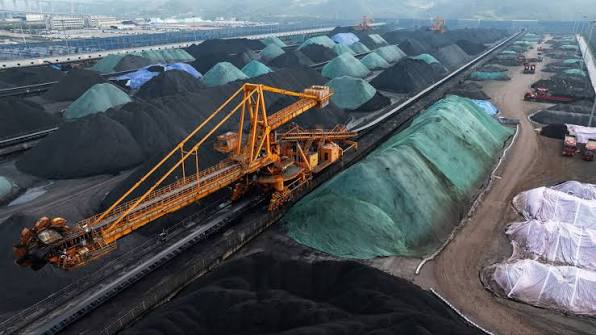
    China has reached a turning point in its energy story. For the very first time, coal supplied less than half the country’s electricity over a six-month stretch, according to officials who spoke on Thursday. Between January and June, coal made up 49.7 percent of total power generation. That figure came from Xing Yiteng, a senior official at the energy administration’s planning office. It marks a steep fall from 65.5 percent back in 2016, based on earlier government data. Clean energy sources picked up the slack. Renewables reached 41.2 percent of the total mix, crossing the 40 percent line for the first time ever. Wind and solar alone made up nearly a quarter of all power generated, a huge leap from just under 10 percent in 2020. The remaining share came from natural gas and nuclear plants. Despite this progress, experts warn that coal use in raw terms might actually increase this year. Electricity demand across China is rising quickly, driven by more electric vehicles on the road, a boom in AI-related data centers, and steady growth in exports. Beijing has pledged that coal use will peak no later than 2030, with wind and solar expected to reach 30 percent of the power mix by then. Gao Yuhe, who works as a project manager at Greenpeace East Asia, thinks that milestone might actually arrive two years early, by 2028. She credited this to the rapid spread of home solar systems paired with battery storage, along with more flexible electricity markets that make better use of renewable supply. China still burns far more coal than most major economies, mainly because it has large domestic reserves and limited natural gas access. For comparison, coal accounted for just 17 percent of America’s utility-scale power output last year, with natural gas covering 41 percent. China’s coal reliance, though, remains lower than India’s, where coal and lignite made up 69 percent of electricity generation last year. Interestingly, China still imported close to 500 million metric tons of coal last year, even with domestic output reaching 4.83 billion tons, mostly to supply power plants along the coast. If coal consumption keeps falling, major exporters like Indonesia, Mongolia, Australia, and Russia could feel the impact, depending on global price trends. Meanwhile, coal remains central to China’s coal-to-chemicals industry, where many facilities continue relying on cheap, locally produced coal to stay competitive.

  • |

    Germany weighs tougher rules on sick leave

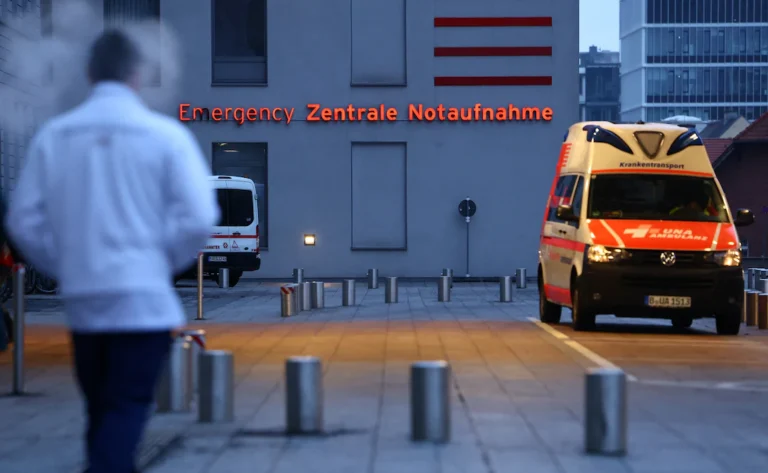
    BERLIN: Germany is considering tougher rules for workers taking sick leave, but researchers warn that stricter requirements may not address the deeper reasons behind the country’s high absenteeism. German employees took an average of around 22 sick days in 2024. The figure is among the highest reported internationally. The government’s proposed changes are part of a wider effort to improve productivity. Germany is dealing with an ageing population and years of weak economic growth. Under the proposed changes, employers could require workers to provide a medical certificate from the first day of absence. Telephone-based sick notes could also be scrapped. However, researchers say the debate should focus on why workers are becoming ill rather than simply making it harder to take sick leave. Healthcare, education and social services are among the sectors reporting the highest levels of absenteeism. Workers in these fields often face heavy workloads. They also deal with staff shortages, emotional pressure and difficult working conditions. BKK data shows that women working in healthcare and social work took an average of 27 sick days in 2024. Teachers recorded around 24 days. The figures were lower in several other sectors. Workers in finance averaged about 18 days, while employees in communications recorded around 16 days. Researchers say mental health is an important part of the problem. Mental health-related cases represent a relatively small share of total sickness cases. However, they often result in much longer absences. Data from AOK shows that sick-leave days linked to mental health problems have increased by 47% since 2014. Mental health conditions are now one of the biggest causes of prolonged absence after respiratory illnesses. Experts say burnout and exhaustion can develop without reaching the level of a diagnosed mental disorder. Healthcare workers and teachers are particularly exposed to these pressures. They carry significant responsibilities while dealing with emotional and sometimes physical challenges. Teachers have reported violence and aggressive behaviour in schools. A 2024 survey found that almost half had experienced psychological or physical violence among pupils at their schools. More than one-third also reported feeling emotionally exhausted several times a week. Nursing faces similar difficulties. Germany has a shortage of healthcare workers, but studies indicate that wage growth has remained limited in some hospitals and public institutions. Researchers describe the situation as an imbalance between effort and reward. Workers face high demands but may receive relatively low pay, limited career opportunities and insufficient recognition. Studies have linked such conditions to mental health problems and long-term sickness absence. However, experts caution against blaming Germany’s absenteeism solely on workplace stress. Sick leave is affected by many factors. These include the age of the workforce, working conditions, social attitudes and differences in healthcare systems. Germany also has generous sick-pay provisions. Workers can generally receive full wages during the initial period of illness. Several other European countries, however, report even higher levels of sick leave among full-time employees. Researchers have also found little evidence of widespread abuse of sick-note rules. A study by DAK and the IGES Institute found that the sharp rise in recorded absences in 2022 was largely linked to improved electronic reporting and unusually high levels of respiratory infections and Covid-19. Sick-leave levels have since stabilised. Researchers also found no clear evidence that telephone sick notes introduced during the pandemic caused the increase. The government’s proposal has faced opposition from labour representatives. The Verdi services union has described the plan as creating a culture of distrust towards employees. Doctors have also warned that tougher certification requirements could put additional pressure on already busy medical practices. The government has defended its approach. It says employers would have the option of requiring certificates from the first day of illness while allowing companies to retain existing arrangements. The debate is therefore moving beyond the question of whether German workers take too many sick days. Researchers argue that reducing absenteeism in the long term may require better staffing, improved working conditions, stronger career prospects and greater support for workers facing emotional pressure.

  • |

    Romanian forces execute controlled detonation on Danube to safeguard nuclear energy supply

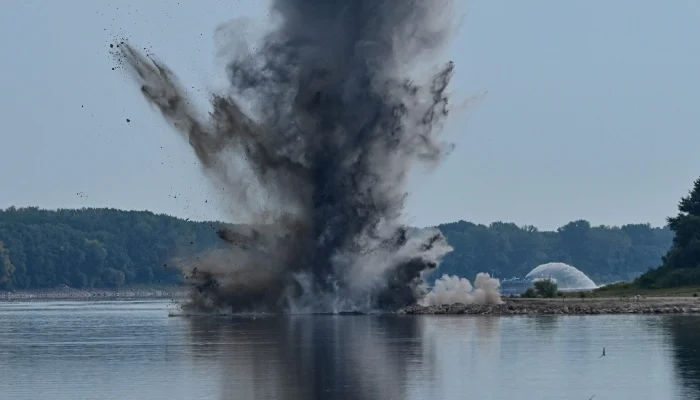
    Romanian naval forces detonated 180 kilogrammes of explosives to clear a massive rock obstruction in the drought-stricken Danube River, attempting to channel essential cooling water towards the country’s sole remaining functional nuclear reactor at Cernavoda. The blast was designed to clear the riverbed and facilitate the construction of a temporary dam to boost water volume heading to the facility. The intervention follows Romania’s declaration of a nationwide state of emergency for August after record-low water levels forced one reactor to shut down entirely. Romanian Defence Minister Radu Miruta defended the costs of the operation, emphasising that maintaining operational capacity at the facility even for a few additional days far outweighs the financial expenditure. Regional energy strains are mounting simultaneously in neighbouring Hungary, where severe water depletion at the Paks nuclear power station has drastically cut output. Prime Minister Peter Magyar warned that a complete plant shutdown could occur next week without weather relief, urging regional coordination and energy restraint to avoid a wider crisis as low rainfall continues across Eastern Europe.

  • |

    Arab and Palestinian groups urge global action to protect Jerusalem and Al Aqsa Mosque

    Fourteen Arab and Palestinian organisations have issued an urgent appeal calling for immediate international action to protect occupied East Jerusalem and the Al Aqsa Mosque, warning that recent Israeli measures are threatening the city’s religious heritage and historic identity. The groups said the situation has reached a critical stage and argued that stronger global intervention is needed to prevent further escalation. In a joint statement released on Wednesday, the organisations expressed concern over what they described as increasing Israeli actions aimed at changing the existing status of Jerusalem and its holy sites. They said recent developments have targeted not only Al Aqsa Mosque but also the Palestinian residents of Jerusalem and the city’s Arab, Islamic, and Christian character. Al Aqsa Mosque is considered Islam’s third holiest site. The same area is also revered by Jews as the Temple Mount, believed to be the location of two ancient Jewish temples. Israel captured East Jerusalem during the 1967 Arab Israeli war and later declared the entire city its capital in 1980, a move that has not been recognised by most of the international community. According to the appeal, Israeli authorities have allowed an increase in visits to the Al Aqsa compound by Jewish groups under police protection. The organisations claimed these actions, along with restrictions placed on Muslim worshippers, are attempts to alter the long standing arrangements governing access to the holy site. The statement also raised concerns about attacks on worshippers, restrictions placed on religious leaders, and measures targeting guards responsible for protecting the mosque. The groups argued that these actions undermine freedom of worship and threaten the historical and legal status of one of Islam’s most important religious landmarks. Beyond the mosque itself, the organisations accused Israel of expanding settlements, demolishing Palestinian homes, revoking residency rights, carrying out excavations around the Old City, and increasing pressure on both Islamic and Christian religious sites. They warned that these policies are changing the city’s demographic and cultural landscape while placing Jerusalem’s diverse religious heritage at risk. The appeal also highlighted concerns over the city’s Christian community. It said restrictions affecting churches, religious institutions, and Christian leaders threaten the long established Christian presence in Jerusalem and weaken the city’s multicultural identity. The organisations argued that international statements of concern are no longer enough to address the situation. They called for coordinated political, legal, and human rights efforts to stop actions they consider violations of international law. They also urged governments and international institutions to ensure accountability and prevent further changes to the city’s status. The statement specifically called on Jordan, which holds custodial responsibilities for Jerusalem’s Islamic and Christian holy sites, to intensify diplomatic efforts and encourage stronger international engagement. The groups said Jordan’s role remains essential in defending the religious and historical significance of the city’s sacred places. Describing Jerusalem as a shared historical, cultural, and religious responsibility, the organisations stressed that protecting the city requires practical measures rather than symbolic declarations. They said preserving the rights of its residents and safeguarding its holy sites should remain an international priority. The appeal was signed by several organisations, including the Popular Conference for Palestinians Abroad, the Al Quds International Institution, the Arab National Congress, the European Palestinian Conference, and the Islamic National Conference. The statement comes as tensions continue to rise across the occupied West Bank, where Israeli military raids and settler related violence have increased since the start of the Gaza conflict in October 2023. Palestinian officials say thousands of people have been injured or arrested during this period, while violence has intensified further following recent deadly clashes near Nablus involving Palestinians, Israeli settlers, and Israeli forces.

  • | |

    Could Lionel Messi be Argentina’s next President…

    BUENOS AIRES: Football icon Lionel Messi has become the subject of an unexpected political prediction after a Chinese academic claimed the Argentine superstar could become the country’s president within the next five years, a suggestion that has quickly gone viral across social media. The prediction was made by Chinese analyst and academic Jiang Xueqin during an interview on controversial online content creator Sneako’s Kick streaming platform. During the discussion, Jiang argued that Messi’s immense popularity could propel him into Argentina’s highest political office if he ever decided to enter public life. According to Jiang, the eight-time Ballon d’Or winner would not only win a presidential election comfortably but could also remain in office for as long as two decades because of the extraordinary public affection he enjoys. “He is so admired that people would continue to support him even if he made mistakes,” Jiang suggested during the interview, a remark that quickly drew mixed reactions from football fans and political observers alike. The prediction comes at a time when Messi continues to cement his legendary status in world football. At the age of 39, he recently captained Argentina to a second consecutive FIFA World Cup final, extending one of the most remarkable international careers in football history. Although Argentina fell to Spain in the 2026 World Cup final, Messi’s performances throughout the tournament once again earned widespread praise. Many supporters believe his influence on Argentine football remains unmatched, despite the disappointing result in the championship match. The speculation has fueled lively discussions online, with some fans embracing the idea as an interesting possibility while others dismissed it as little more than a fanciful prediction. Social media platforms have been flooded with humorous posts imagining Messi exchanging football boots for political office. However, there is currently no indication that Messi intends to enter politics. The football legend has never announced plans to run for public office or participate in Argentina’s presidential elections. Political analysts also caution against treating the prediction as anything more than personal opinion. Jiang’s remarks have not been independently verified and do not reflect any official political development involving the Argentine captain. Messi has largely kept his public image focused on football, charity work and family life throughout his career, rarely commenting on domestic politics. While the idea of the World Cup-winning captain one day leading Argentina has captured public imagination, it remains entirely speculative. For now, Messi’s future continues to be linked with football rather than politics, leaving fans to debate whether the viral prediction is pure fantasy or an intriguing “what if” scenario.

  • |

    Ukrainian drone strike on Nizhnekamsk oil refinery kills 13 and injures dozens

    A devastating Ukrainian drone attack on the industrial city of Nizhnekamsk in Russia’s Tatarstan region has killed at least 13 people, including a child and several foreign nationals, and left dozens injured. The strike targeted Tatneft’s TANECO oil refinery, located approximately 1,200 kilometres east of the Ukrainian border, marking one of the heaviest civilian death tolls inside Russian territory in months. Footage verified on social media showed thick plumes of smoke rising over the refinery complex, which processed 17 million metric tonnes of crude oil in 2024. Ukrainian military officials confirmed targeting the facility as part of an ongoing strategy to dismantle key Russian fuel infrastructure and reduce the Kremlin’s economic capability to sustain its war effort. Russian authorities launched a formal criminal investigation into the incident, qualifying the strike as a terrorist attack. Officials stated that residential structures were hit in addition to industrial sites, with nine of the fatal casualties occurring inside a local worker hostel. Diplomatic officials confirmed that the dead included seven citizens of Uzbekistan and one national from Tajikistan. The attack reflects Kyiv’s intensified campaign of long-range strikes targeting major fuel and energy hubs deep within Russia, which has created localized supply disruptions across several Russian regions. Local authorities in Tatarstan have declared an official period of mourning following the incident.

Leave a Reply

Your email address will not be published. Required fields are marked *