بلاگز

  • Donated skin for younger looks

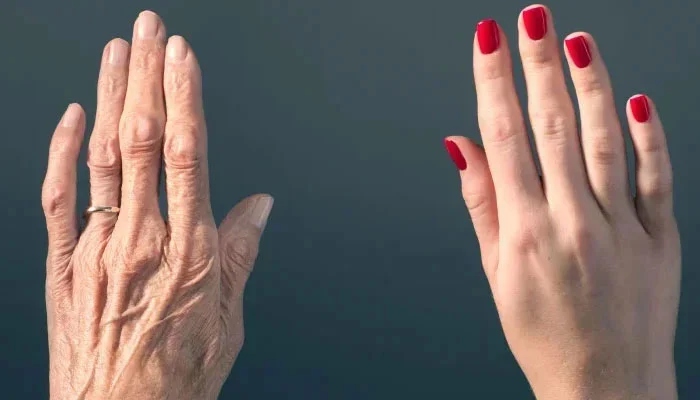
    Everyone ages and growing older is a natural part of life. While many people wish they could stay young forever a unique anti aging treatment in South Korea is attracting attention for its unusual approach. The treatment called RE20 (Return to Your Twenties) uses donated human skin from deceased donors. The skin is processed in a laboratory where all living cells are removed.  This leaves behind a clean tissue structure that can be safely used in cosmetic treatments. The final product contains collagen elastin hyaluronic acid and other ingredients. It is also combined with the patient’s own skin cells to help the body accept the treatment more easily. According to Dr. Kim Han Saem of DOD Dermatology Clinic removing the cells reduces the risk of the body rejecting the tissue or causing an allergic reaction. The treatment is injected into the face and neck. The company says it can reduce fine lines improve skin texture tighten pores and encourage the skin to produce more collagen and elastin making it look  younger. Many people who have tried the treatment have shared positive experiences. One Reddit user said their skin looked smoother and healthier just two weeks after the procedure. However the treatment has also raised ethical concerns.  Some critics question whether using donated human tissue for cosmetic purposes is appropriate. Experts also say more long term research is needed to confirm its safety. Besides South Korea the treatment is also available in Singapore and Japan.

  • | |

    What happens to your body if you drink soft drinks…

    Soft drinks have become a regular part of modern lifestyles, with many people enjoying them during meals, celebrations, and social gatherings. While these sugary beverages are refreshing and widely available, health experts warn that drinking them every day can have serious consequences for overall well-being. Regular consumption of soft drinks has been linked to several health problems, making it important to understand the risks and choose healthier alternatives whenever possible. One of the biggest concerns is the high sugar content found in most carbonated beverages. A single can of soft drink often contains a significant amount of added sugar and calories, which can contribute to weight gain over time. Consuming excess sugar regularly increases the risk of obesity, a condition that is closely associated with type 2 diabetes, high blood pressure, and heart disease. Soft drinks may also contribute to dehydration. Although they are liquids, many contain caffeine, which can have a mild diuretic effect in some individuals. Combined with high sugar levels, these beverages may not hydrate the body as effectively as water. As a result, people who rely heavily on soft drinks instead of water may experience headaches, fatigue, constipation, and reduced energy levels. Another area of concern is digestive health. Nutrition experts suggest that excessive intake of sugary and artificially sweetened drinks may affect the balance of beneficial bacteria in the gut. A disrupted gut microbiome can lead to digestive discomfort, increased appetite, changes in metabolism, and difficulty maintaining a healthy weight. Dental health is also at risk. The acids used in carbonated drinks can gradually wear away tooth enamel, making teeth more vulnerable to decay. At the same time, the high sugar content feeds harmful bacteria in the mouth, increasing the likelihood of cavities and gum problems. Drinking these beverages frequently throughout the day can significantly raise the risk of long-term dental damage. Research has also explored possible links between frequent consumption of sugary beverages and chronic illnesses. Studies suggest that high intake of sugar-sweetened drinks is associated with an increased risk of cardiovascular disease and type 2 diabetes. Some research has examined potential connections with certain types of cancer, but scientists continue to investigate these relationships, and more evidence is needed before firm conclusions can be drawn. Health professionals recommend limiting soft drink consumption and choosing healthier options such as water, fresh fruit-infused water, milk, buttermilk, or unsweetened natural juices. Making small dietary changes today can reduce long-term health risks and support a healthier lifestyle for years to come.

  • Ecolinguistics and the Role of Media

    The role of media should not be confined to disseminating news and information but must also highlight public awareness regarding climate change. The media, in its reporting, is required to use appropriate terminology and diction to raise awareness, highlight the causes, and provide a way forward. The media, in its reporting, is expected to project the environment not as a resource to be used by humans but as a living environmental and ecological process that must not be disturbed by humans. For example, while writing such reports, if the media says that natural resources are diminishing or facing extinction, it must similarly highlight that the environmental system is being affected or impacted negatively . Recent studies have also reinforced this perspective. Penz and Fill (2022) observe that ecolinguistics promotes and fosters environmental awareness while supporting and strengthening the connection between humans and nature for sustainable development. In this context, Alexander and Stibbe (2014) argue that ecolinguistics plays a key role in highlighting the relationship between humans and the environment, as well as its impact on addressing environmental challenges and shaping a sustainable future. It is pertinent to highlight that while reporting any incident about environmental degradation or natural disasters, the media, apart from reporting, is also expected to provide solutions and a way forward to help face such incidents in the future. In reports about floods, wildfires, and rising temperatures, the media is also required to provide guidance and suggestions on how to combat or lessen the impacts of such environmental changes. The reporting must not be based only on presenting news and subsequently creating fear or chaos but must also give a sense of hope among people that through various techniques and the use of technology, such natural disasters can be managed effectively. The media must not consider floods, droughts, fires, or other environmental disasters merely as natural disasters but should link such impacts with environmental changes, industrial pollution, deforestation, human intervention with nature, and so on. Fairclough (1995), in his study, states that media should cover and highlight the areas that , on the other hand, are ignored and not given consideration by the masses. Therefore, the media is expected to sensitize the masses regarding such disasters and create a way forward to combat or tackle such environmental change disasters and their impacts on people and society as a whole. On the other hand, equally important is environmental equity or justice in society. It has been widely observed and noted that in floods, droughts, disasters, and environmental changes, the major impacts are faced by the underprivileged in society. It is the role and responsibility of the media to highlight and become a voice for such voiceless people, representing them and creating a sense of ownership among the poor and marginalized sections of society. The media is also required to highlight and create awareness among people about science and technology related to the environment and provide them with knowledge that through the use of such technology, they can tackle the horrors of disasters. The study of ecolinguistics reminds the media that humans are, in no way, different from society and can never be detached from society and vice versa. Hence, media reports are also expected to discuss humans, rivers, oceans, flora, fauna, biodiversity, and the ecosystem as a whole to give them significance and bring them into the limelight of the coverage. Media reporting is also required to use environment related terminology and diction, such as environmental war, ecological emergency, and other relevant terms, in its reports to highlight environment related information. Recent studies highlight that similes and metaphors have a significant impact on human thinking. Hence, the media is encouraged to resort to this method to mould public opinion towards environmental conservation and protection. Moreover, media personnel are required to engage in investigative journalism and cover incidents and events from different angles , examining their pros and cons deeply. If there are frequent flash floods in any area, the media is expected to discuss the causes and the role of concerned authorities in handling the incidents . Media houses, along with environmental protection organizations and other stakeholders, are required to impart knowledge and training to journalists. There is also a significant role for environmental funding organizations in sensitizing media personnel. In training sessions, they are expected to invite environmental experts, scientists, and scholars who have made significant contributions in this area. Media reports and the diction used therein have great significance. They must highlight a green and stable future through sustainable development initiatives and become partners in facing the challenges and effects of environmental degradation. They must give hope to people that the media stands with them and will continue contributing its responsible and positive role. This is the major objective of ecolinguistics. Societies such as ours widely need the use of ecolinguistics in the media.

  • Our Women Communicators of Tomorrow

    By: Mehreen Imambaksh  Empowering Voices for Global Change Throughout history, women have possessed powerful thoughts, deep emotions, and creative voices; yet, many of these voices have gone unnoticed. Their experiences were frequently limited to their homes, their abilities were questioned, and their intellectual development was neglected. However, literature, history, and social thought expose that women were capable of uttering knowledge, shaping culture, and influencing society, but patriarchal systems often restricted their visibility. For centuries, women were expected to remain silent in public intellectual areas. Their role was widely limited to household responsibilities, whereas education, authorship, and public speaking were dominated by men. Yet despite these barriers, many women endured to write, think, and challenge the systems that tried to silence them. One beautiful example can be found in the nineteenth century with the eminent novel *Wuthering Heights*, written by Emily Brontë (1847). Today the novel is considered one of the masterpieces in English literature. Moreover, Emily Brontë did not publish it under her original name; rather, she used the pen name Ellis Bell. Similarly, her sisters also adopted the same approaches. Charlotte Brontë published *Jane Eyre* under the name of Currer Bell, and Anne Brontë published *The Tenant of Wildfell Hall* under the name of Acton Bell. The reason behind these pen names was simple but widely revealing: society frequently refused to take women writers seriously. The Brontë sisters were highly imaginative and intellectually able, yet they felt pressured to hide their identities to ensure their work could be approved. Their circumstances examine the huge restrictions placed upon women’s voices during that time. Long before the Brontë sisters, early feminist thinkers had raised concerns about women’s lack of education and freedom. In 1792, Mary Wollstonecraft wrote *A Vindication of the Rights of Woman*, challenging that women should have equal access to education and intellectual opportunities. She said that women were treated as inferior in society not because they lacked capability, but because they were refused the chance to advance their minds. More than a century later, this problem was discussed again by Virginia Woolf in her masterpiece work *A Room of One’s Own* (1929). She famously argued that women in the past were refused both financial independence and private space, which restricted them from freely uttering knowledge. Therefore, she said a woman needs not merely talent but also freedom and equality to express her feelings and thoughts. Modern scholars have further examined how systems of knowledge can silence subaltern voices. In her essay “Can the Subaltern Speak?” (1988), Gayatri Chakravorty Spivak introduced the idea of epistemic violence, which means how dominant systems of knowledge remove or suppress the voices of certain groups, especially women and colonized communities. When women’s ideas are ignored or removed, their experiences are excluded from the production of knowledge, creating a form of intellectual oppression. These rooted examples depict that women’s silence was never because of a lack of intelligence or creativity. Instead, it was the result of social systems that demotivated or limited their role in participation in intellectual and public life. Even today, this evidence remains visible in many societies. In many cultures, women still hesitate to talk openly, particularly on public platforms or digital spaces. Furthermore, social expectations and fear of judgment frequently create unseen obstacles that prevent women from sharing their thoughts and feelings. This hesitation is not always enforced directly; sometimes it evolves internally due to long-standing social pressures. Moreover, I personally experienced this hesitation in my own life. For many years, I believed in the significance of women’s ability, yet I was not actively immersed in initiatives related to it. One cause for this was my anxiety about visibility on social media platforms to reveal my feelings and ideas because I feared how society, especially as a Baloch student, might react to a woman openly sharing her ideas. This anxiety is not unfamiliar. Many women feel unsure about expressing themselves publicly because they expect critique or misunderstanding. However, personal growth frequently begins with a small step. For me, that step was creating my social media platforms such as Medium, a LinkedIn profile, and starting to share my writings, including poems and reflections based on my experiences. At the start, this act felt common, yet slowly opened new chances. Through this visibility, I became connected with extensive intellectual and professional networks, which ultimately led me to become immersed in women’s ascension. Being involved in this initiative has allowed me to interact with women from various cultures, backgrounds, and perspectives. These interactions have been widely improving. They have shown me that when women communicate and share experiences across cultures, they create unique forms of understanding and collective growth. This experience shows that women’s empowerment does not always happen through major changes, but it begins slowly when women start to express themselves, engage in conversations, and share knowledge with others. Communication is one of the influential tools that helps women to connect their personal experiences with global discussions about equality and justice. However, change needs cooperation. Women’s power should not be seen as an effort between men and women. Instead, it should be perceived as a collaborative struggle to create a fair and inclusive society. Both men and women play a major role in supporting and motivating women’s voices. Traditionally, patriarchal societies frequently reduced women to limited roles, especially examining their function as a child-bearing machine. Whereas motherhood is an essential and valuable role, it should never define the entirety of a woman’s identity. Women have intellectual capabilities, creative skills, and leadership qualities that can contribute importantly to society. Education plays an essential role in changing these circumstances. When women receive education, they gain the confidence and knowledge necessary to contribute actively in social, economic, and intellectual life. Educated women are more capable of expressing their thoughts, challenging injustice, and participating in the development of their communities. Furthermore, the impact of women’s education extends beyond the individual. When women are educated, they can brighten their children’s lives and motivate the next generations

  • |

    The aftermath of Free (Azad) Kashmir

    For centuries, poets have romanticized Kashmir. The famous Persian couplet claimed: “Agar firdaus bar roo-e-zameen ast, hameen ast-o, hameen ast-o, hameen ast” If there is a paradise on earth, it is this, it is this, it is this. Our national rhetoric held this idea and declared Azad Jammu and Kashmir (AJK) as an Eden of resilient souls. We were taught to view the region through a single prism from our classrooms to our living rooms. Kashmir is a land of dignity waiting for liberation. We rightly raised our voices in moral outrage against Indian state violence.  We condemned the pellet guns in Srinagar. We  called out internet blackouts as crimes against basic humanity. Yet today, as the late Kashmiri poet Agha Shahid Ali lamented: “Kashmiri people are being rowed through Paradise in a river of Hell.” When the same heavy boots, digital blockades, and live gunfire echo through Rawalakot, Kotli, and Mirpur, our collective morality falls into a deafening silence. Finally, the elections have settled down with Pakistan Muslim League-Nawaz (PML-N) securing its lead amid heavy security deployments. Still, the official state narrative speaks of democratic continuity and institutional order.  Beyond the victory speeches lies a darker reality. Elections held under the shadow of civil crackdowns are not a triumph of democracy. In fact, they are an exercise in management. The citizens of Azad Kashmir have not taken to the streets over abstract political games. Their demands were fundamental, human, and modest organized under grassroots movements like the Jammu Kashmir Joint Awami Action Committee (JAAC). They protested peacefully for affordable flour, fair electricity tariffs, local economic dignity, and genuine political representation. Instead of earnest dialogue, the state answered by banning civil rights, mobile internet access, and deploying paramilitary forces. The cost of this refusal to listen is written in blood. Over months of recurring unrest, clashes between security forces and civilian demonstrators have left dozens dead. The deaths consumed local traders, young protesters, and security personnel alongside over 100 people wounded across the region. Reports of continuous firing near Rawalakot confirm a tragic pattern. Whenever citizens ask for basic constitutional rights, they are met with gunshots.  It is painful to admit this hypocrisy, but honesty demands it. As ordinary citizens living in Punjab, we cannot spend our lives idealizing human rights movements across the border while remaining selectively blind to Kashmir. When Delhi cut the internet in the Kashmir Valley, we rightfully called it authoritarian. What name do we give to the blackouts imposed on Muzaffarabad and Poonch? When Indian police opened fire on demonstrators, we called it state violence. How do we rationalize our forces opening fire on citizens asking for fair economic treatment? We must acknowledge that living outside the valley does not grant us the privilege of silence. True solidarity cannot be a convenient geopolitical slogan. Azad (Free) Kashmir must’ve to be anything more than an empty prefix. Its people must possess the freedom to speak, to dissent, to connect, and to live without fear of a bullet. There mustn’t be such an electoral victory that carries legitimacy at the expense of Kashmiri lives. These political wins will remain hollow until the blockades are lifted and the state listens with humility rather than force.  

  • My traumatic transformation into a Lassi (butter milk) hydration unit

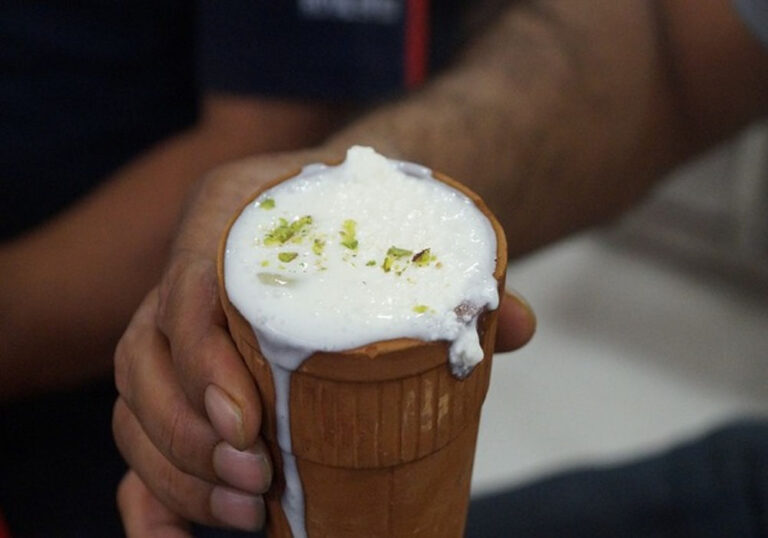
    So, once I tagged along with a buddy to his sister’s place in this super rural village. Lovely folks, honestly—total heart-eyes. My buddy’s brother-in-law? Instant BFF. We vibe) We arrive at the house … “Lassi lao!” We chill for a bit… Lassi lao!” Evening rolls in. My new friend goes, “Yo, let’s hit up the dera (aka Cow Central).” We get to the dera… “Lassi lao!” We wander around, side-eyeing cows and buffaloes like city tourists. Sit back down… “Lassi lao!” Dinner time? “Lassi lao!” Morning alarm: sunrise. Breakfast spread: butter, desi ghee (clarified butter) — fried parathas, eggs, village chicken — the whole “we’ll clog your arteries” buffet. Finish eating … “Lassi lao!” Me, finally snapping: “BRUH. TURN OFF THE LASSI TAP. I BEG YOU.” “Fine. Chai lao!” I bark. Brother-in-law, grinning: “Shah Ji, why you mad, bro? Lassi lao’s our Shah ji ritual!” (Shah ji = imaginary VIP? Idk. Village things.) Friend suddenly remembers I’m a city slicker. Whispers to his sister: “Y’all got… tea leaves?” Sister, deadpan: “We don’t ‘do’ tea leaves here. It’s never on the ration list.” They somehow scrape up tea leaves. I sip the chai… and immediately slam the cup down: “LASSI LAO!” The breakfast table ERUPTS. Everyone’s howling, chanting: “Lassi lao, oye! Lassi lao!”

  • World’s tallest bridge has a giant waterfall

    China has completed many incredible engineering projects in recent years but the Huajiang Grand Canyon Bridge stands out as one of its most amazing achievements. If you’re afraid of heights crossing this bridge might not be easy. It is built 625 meters (2,051 feet) above the ground making it the tallest bridge in the world. It opened to the public in September 2025. However its height is not the only reason it attracts attention. The bridge also features a 300 meter long artificial waterfall creating a spectacular view for visitors. At night a laser lighting system makes the waterfall even more impressive. Chinese officials designed the bridge as more than just a road. It is also a tourist attraction with glass walkways cafes inside the bridge towers and adventure activities such as bungee jumping. According to local authorities thousands of tourists visit the bridge every day. The bridge was also recognized by Time which ranked it as the No. 1 place to visit in 2026. Located in Guizhou the bridge was built to make travel faster in the province’s mountainous landscape. Trips that once took about two hours can now be completed in just one minute.  The steel bridge is 9,482 feet long. Construction began in January 2022 and it was completed and opened in September 2025. Around 20,000 tons of steel were used to build it roughly the same amount of steel found in three Eiffel Towers.

  • Hala fruit explained

    Have you ever seen a fruit that looks like a brain when it’s whole and a bursting planet when it’s opened? That’s the Hala fruit one of the world’s most unusual fruits. The Hala fruit grows in Southeast Asia eastern Australia the Pacific Islands and Hawaii. It is made up of many separate sections called keys or cones giving it a very unique appearance. The fruit comes from the Pandanus tree which includes more than 750 species. A Hala tree can grow up to 14 meters (46 feet) tall. Hala fruit has a sweet and pleasant taste. It can be eaten fresh added to different dishes for extra flavor and is also used in traditional medicine. People have traditionally used the fruit to help relieve headaches and constipation and it is believed to support a healthy immune system. It is also rich in vitamin C making it a nutritious tropical fruit. Growing Hala fruit is not easy. The tree is very sensitive to cold weather and thrives only in warm humid climates where temperatures stay above 18°C (64°F) throughout the year.

  • Daily multivitamins may boost heart health in older adults

    A new medical study suggests that taking multivitamins every day may help older adults maintain better health as they age. As people grow older their physical and mental abilities naturally begin to decline. Researchers from Augusta University in the United States studied how daily multivitamin use affects the health of older people. The study analyzed data from more than 16,000 adults aged 60 and above. At the start of the research all participants were free from heart disease. They were divided into groups. one group received daily multivitamin supplements another received cocoa extract supplements a third used both and the fourth group received a placebo. The study continued for three years. During this time researchers regularly checked participants daily activities health conditions and signs of heart problems. After three years researchers found that people taking multivitamins showed better heart related health and had a lower risk of some serious health issues. The supplements were also linked with a reduced risk of narrowing in a major artery that carries blood from the neck to the brain. Scientists believe multivitamins may help by filling small gaps in essential minerals supporting cell functions and improving blood vessel health. Researchers said the findings suggest that daily multivitamin use may help older adults maintain heart health and improve their quality of life. However they also noted that more research is needed to understand the exact reasons behind these benefits. Multivitamins are widely used around the world especially by people who want to support fitness overall health and reduce the risk of long term diseases.

  • Kids and healthy eating

    Fast food sugary drinks and packaged snacks have become a regular part of many children’s diets. As a result experts say more children are facing problems such as obesity poor nutrition weaker immunity and other  health issues. Health experts believe that instead of completely banning junk food parents should slowly encourage children to make healthier food choices. One of the best ways to do this is by setting a good example.  Children often copy their parents’ habits. When parents eat balanced meals choose fresh fruits and vegetables and enjoy homemade food instead of fast food children are more likely to do the same. Nutrition experts also suggest explaining why healthy food is important. Instead of simply saying “no” to junk food parents should help children understand that healthy meals support growth give them energy improve focus at school and help them stay active. Parents can also involve children in grocery shopping by letting them pick fruits and vegetables or help prepare simple meals. This makes healthy eating more fun and encourages better food choices. Keeping healthy snacks at home is another simple but effective step. Fresh fruit yogurt milk nuts salads boiled corn and healthy sandwiches are much better options than chips cookies or soft drinks. When healthy snacks are easy to find children are more likely to choose them. Experts also recommend limiting junk food instead of banning it completely. If fast food chocolate and sugary drinks are always available at home children will naturally want them more. Saving these treats for special occasions and serving them in small amounts can help create healthier eating habits. Physical activity is just as important as a healthy diet.  Parents should reduce children’s screen time and encourage them to play outside ride bicycles go for walks or take part in sports. Regular exercise improves overall health and can also reduce unhealthy snacking. Experts say that with patience consistency and a positive attitude parents can help children develop healthy eating habits that will benefit their health now and in the future.