بلاگز

  • The law’s own labor problem

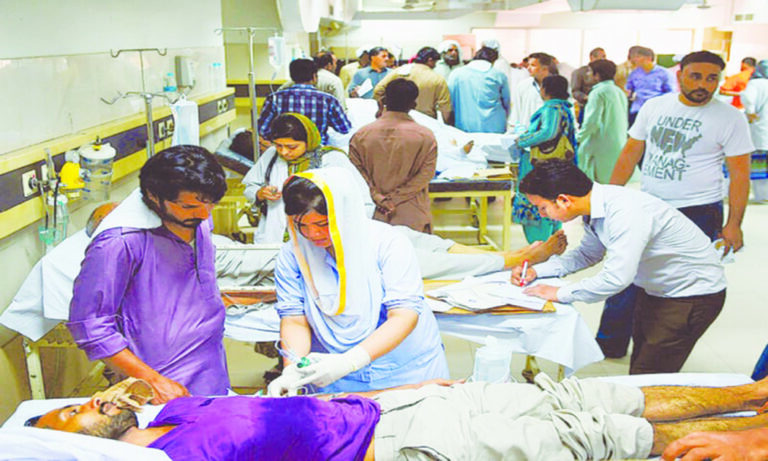
    EVERY year, hundreds of fresh law graduates walk into Pakistan’s leading chambers and firms for what is euphemistically called an “internship” or “pupillage.” Most will not be paid a rupee for months, sometimes years, of full-time work drafting pleadings, researching case law and sitting in on client meetings. Some will eventually be “made permanent” on a modest salary; many others will simply be replaced by the next batch of eager graduates willing to work for free. This arrangement is so normalized within the legal fraternity that it is rarely discussed as a labor rights issue at all. It is treated, instead, as an inevitable rite of passage the price of admission into a prestigious profession. Yet a closer look suggests that Pakistan’s legal industry may be one of the starkest examples of unregulated, exploitative internship practice in the country, and one uniquely ill-placed to defend it, given that the profession exists to interpret and enforce the very laws it is quietly sidestepping. The scale of the problem has been documented, if informally. Lawyers who have surveyed the profession describe junior associates at reputed firms completing unpaid stints stretching from three months to two years, often working full days while technically still “training.” The practice persists despite Pakistan’s Apprenticeship Ordinance, 1962, which was designed precisely to regulate structured on-the-job training and guarantee apprentices certain minimum protections. Law firms and chambers, however, rarely register their interns as apprentices under this law, leaving them in a legal no-man’s-land: neither students, nor employees, nor apprentices in the statutory sense. This gap is compounded by the profession’s own regulator. The Pakistan Bar Council and provincial bar councils set the rules for enrolment, requiring aspiring advocates to complete a period of pupillage under a senior lawyer before they can be licensed. But neither the Legal Practitioners and Bar Councils Act, 1973, nor the rules made under it, mandate that this pupillage be paid. In effect, the very body responsible for admitting new lawyers to practice has built an unpaid apprenticeship requirement into the licensing process itself a far cry from professions such as medicine, where house officers, despite their own well-documented grievances, at least draw a government stipend during mandatory training. The consequences fall unevenly. A law graduate from a well-off Lahore or Karachi household, who can rely on family support for rent and daily expenses, can afford to spend two years being trained for free at a top-tier firm. A graduate from Multan or Turbat, or from a household with no such cushion, effectively cannot. Since access to the most prestigious firms is widely understood to run through personal connections and informal referrals rather than open, merit-based recruitment, the unpaid pupillage system quietly filters out precisely those graduates for whom a legal career could be most transformative. What is marketed as a meritocratic apprenticeship is, in practice, a wealth test dressed up as professional training. Female interns face a related but distinct set of risks. The relative informality of chamber culture, combined with the absence of any real institutional oversight of unpaid interns’ working conditions, leaves young women particularly exposed to harassment with limited recourse. The Protection against Harassment of Women at the Workplace Act, 2010, and its 2022 amendment, extended coverage to a wider range of workplace relationships, but enforcement inside small chambers as opposed to large corporate firms with formal HR departments remains largely theoretical. An unpaid intern hoping for a reference or a permanent position has every incentive to stay silent. None of this is to say every senior lawyer who takes on unpaid interns is acting in bad faith; many genuinely believe, as the profession has long insisted, that pupillage is an investment in the intern’s own future. But belief is not evidence, and there is little data testing whether unpaid pupillage produces better lawyers than a modestly paid one would, or whether firms would truly stop training juniors if a stipend were required. Given how heavily law firms already rely on interns for substantive work, it seems more likely that a minimum stipend requirement would simply formalize the value interns already provide. The fix does not require reinventing the wheel. The Pakistan Bar Council could amend its enrolment rules to require a minimum stipend during pupillage, as some foreign bar associations already do. Firms above a certain size could be required to register interns under the Apprenticeship Ordinance, bringing them within existing protections. And bar councils could extend meaningful, monitored harassment complaint mechanisms to chambers of every size, not just the handful of firms large enough to run their own HR departments. A profession built on the promise of equal treatment before the law owes its own newest entrants rather more consistency between what it argues in court and how it treats them at their desks.
  • Political Crisis in Pakistan

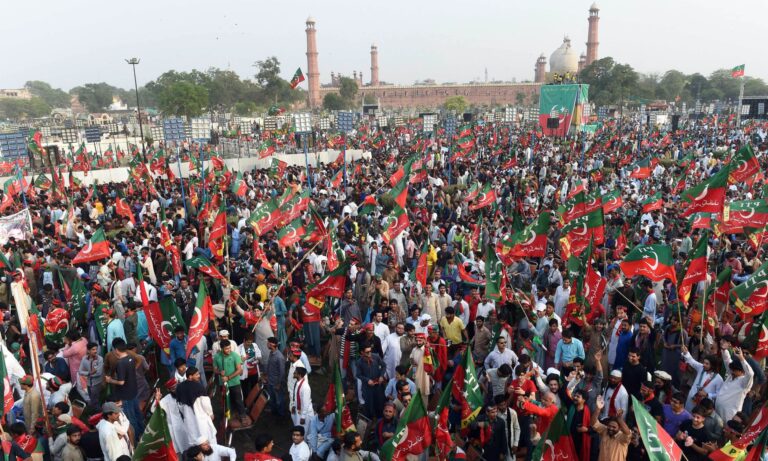
    By Granaz Assa A nation cannot move forward when its leaders are divided. Political stability is the backbone of every successful country, but when conflict, corruption, and power struggles become more important than public welfare, a nation begins to suffer. Unfortunately, Pakistan has faced a political crisis for many years. A political crisis is a situation in which a country’s political system becomes unstable, making it difficult for the government to run the country properly. It is mainly caused by conflicts between the government and the military, political disagreements, corruption, and weak leadership, which lead to instability, loss of public trust, and slow development in the country. Pakistan’s future depends on strong and fair leadership, but the ongoing political crisis is slowing the country down. Moreover, the people are facing hardships because of this. As a result, Pakistan is experiencing an economic slowdown, a poor international image, and low development. When leaders fight for power and control, it divides the country and creates confusion. Corruption also makes the situation worse because some leaders misuse public money for their own benefit instead of serving the citizens. If the government is weak, it cannot make good decisions or effectively help the people. A political crisis has many negative impacts on the country. It creates instability, weakens the economy, increases prices, and raises unemployment. Development projects such as schools, hospitals, and roads may be delayed. Public services can also be affected. As a result, the country’s overall progress becomes slow, and the daily lives of citizens become more difficult. In this way, a country cannot move forward. To solve the political crisis in Pakistan, some important steps are needed. First, corruption must be reduced, and leaders should work honestly for the people. Moreover, the country needs strong and fair leadership to make good decisions and guide the nation. Political parties should work peacefully and respect one another instead of engaging in conflicts. These steps can bring stability, improve the country’s economy, and build a better future for Pakistan. The political crisis is a serious problem that affects the country in many ways. The country needs to promote peace and unity among its people. Pakistan can overcome this crisis if all political parties and their leaders work together for the country instead of pursuing their personal interests. Free and fair elections, respect for the Constitution, and peaceful dialogue can help resolve political disagreements. The government must focus on the needs of the people. Citizens should also vote responsibly and support peace, unity, and democracy. By working together, the country can achieve political stability, economic growth, and a brighter future.

  • |

    The art of the open ending

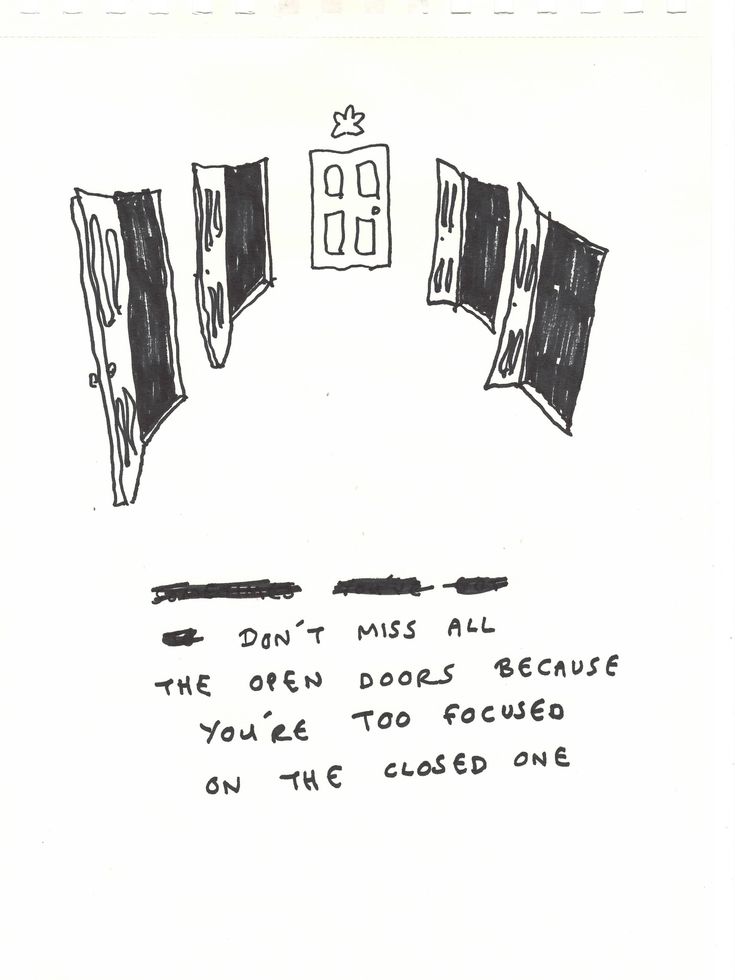
    For centuries, traditional storytelling operated under a strict covenant of closure. Fables, romantic comedies, and classic mysteries were built upon a reassuring promise. And by the final chapter, every thread would be neatly tied, justice served, lovers united, and monsters vanquished. This desire for definitive resolutizon is deeply human. Our brains naturally crave order and certainty. Yet, as modern literature evolved alongside an increasingly complex world, a different artistic philosophy took the spot. The open ending is not a failure of craft; it is a sophisticated act of storytelling that treats the reader as an active partner. When an author refuses to deliver a resolution, they fundamentally alter the dynamic between text and reader. In a traditional closed narrative, the reader is a passive recipient, sitting back while the writer decides the fate of every character. An open ending, by contrast, throws open the door to collaboration. As the final sentence lingers without a definitive resolution, the narrative burden shifts. The reader must step into the silence. They must analyse character motivations, thematic clues, and emotional trajectories to construct their own sense of meaning. The story stops being merely something you consumed; it becomes an intellectual puzzle you participated in completing. Psychologically, ambiguous endings linger in the memory far longer than wrapped-up conclusions. Behavioral scientists refer to this as the Zeigarnik effect: the cognitive tendency for human minds to remember uncompleted or interrupted tasks better than completed ones. A novel that ends with a smooth resolution is easily categorized and set aside. But a book that closes on a question mark or a character standing at a metaphorical crossroads, uncertain of their next step continues to resonate in the subconscious. Long after the book is closed, you find yourself pondering what happened next while doing dishes, walking to work, or staring out a window. Furthermore, the open ending reflects a deeper fidelity to real life. Human existence rarely delivers clean, cinematic resolutions. Our relationships, griefs, ambitions, and self-discoveries are ongoing processes rather than neatly closed chapters. By leaving a story partially unresolved, an author honors the messy reality of human experience. It acknowledges that living with unanswered questions is often far more authentic than forcing an artificial sense of certainty. When executed with skill, an open ending is never lazy or evasive. It is not an abrupt cutoff, but a carefully calibrated launching pad. The author leaves behind enough emotional breadcrumbs and thematic architecture for the conclusion to feel earned, even if the explicit plot points remain unwritten. It transforms the final page inviting us to look beyond the boundaries of the page and recognize that the best stories are the ones that keep living inside us.  

  • The Triangle of Trust and Tension: Pakistan, Afghanistan, and India

    By Engr. Saqlain Abid Geography is destiny. A nation cannot choose its neighbours, but it can choose how to live with them. The strongest defence in any democracy is not perpetual conflict but sustained diplomacy, confidence-building measures, and peaceful negotiations. Pakistan and Afghanistan are two countries bound by centuries of shared history, religion, culture, and ethnic ties. Yet, what was once described as a brotherly relationship has gradually transformed into one defined by mistrust, accusations, and strategic competition. Today, India has emerged as the third player in this evolving regional triangle.   What exactly went wrong? How did decades of goodwill give way to blame games and border tensions? And why is India now finding greater strategic space in Afghanistan? These questions have become even more relevant following Amnesty International’s allegations regarding Pakistan’s reported airstrikes on the Omeed Rehabilitation Centre near Kabul on 14 March. The organisation questioned Pakistan’s justification for the operation, while Islamabad firmly rejected the allegations and maintained that its forces targeted legitimate security threats. The competing narratives deserve careful examination.   The first perspective is that of Afghanistan. Following the withdrawal of US forces in 2021, Pakistan welcomed the Taliban’s return to power. General Faiz Hameed, then ISI chief, was closely associated with the Doha process, while the government of Imran Khan projected Pakistan as a key mediator in Afghanistan’s political transition. Relations initially appeared warmer than they had been for years.   However, the atmosphere soon changed. One of the major turning points was the case of Sharifullah, an alleged ISIS-K commander. Pakistan argued that his arrest strengthened its claims regarding cross-border terrorism and militant networks operating from Afghan territory. The Taliban leadership rejected these accusations, insisting that Afghanistan should not be blamed for Pakistan’s internal security challenges.   Instead of responding through military escalation, Kabul gradually diversified its diplomatic and economic partnerships. Trade with India expanded while commerce with Pakistan declined. Afghanistan increasingly relied on Iran’s Chabahar Port and the India-built Zaranj–Delaram Highway to reduce dependence on Pakistani transit routes. Although these alternatives are longer and more expensive, Kabul appears willing to pay that price in pursuit of greater strategic autonomy. For the Taliban government, sovereignty has become closely linked with economic independence.   The controversy surrounding the reported strike on the Omeed Rehabilitation Centre further widened the trust deficit. Human rights organisations questioned Pakistan’s account of the operation, while Islamabad maintained that the target was linked to militant activity and defended its actions as part of its counterterrorism campaign. The differing claims remain disputed and continue to shape international perceptions.   Pakistan’s narrative is considerably different. Islamabad maintains that the resurgence of Tehreek-e-Taliban Pakistan (TTP) attacks represents one of its greatest national security challenges. Successive governments have argued that militant groups continue to exploit Afghan territory to launch attacks inside Pakistan. From Islamabad’s perspective, stronger military action became unavoidable because diplomatic engagement failed to produce sufficient cooperation.   The arrest of Sharifullah also carried broader geopolitical significance. Pakistan’s intelligence cooperation with the United States strengthened Islamabad’s engagement with Washington. At the same time, the government accelerated the repatriation of undocumented Afghan migrants, arguing that national security required stricter border management. Critics viewed these measures as increasing pressure on the Taliban government, while Pakistan defended them as sovereign decisions taken in the national interest.   Perhaps the greatest strategic miscalculation, however, was underestimating how quickly a trusted partner could seek new alliances. History shows that when friends become rivals, they often understand each other’s vulnerabilities better than long-standing adversaries.   India forms the third side of this regional triangle. Over the past two decades, New Delhi has invested billions of dollars in Afghanistan through reconstruction projects, infrastructure, education, and trade. As relations between Islamabad and Kabul have deteriorated, India has found greater diplomatic space to strengthen its presence. Development assistance, expanding trade, and improved connectivity have gradually transformed India into an increasingly influential partner for Afghanistan.   The result is a new regional reality. Pakistan views Afghanistan primarily through the lens of security. Afghanistan seeks strategic independence and diversified economic partnerships. India has capitalised on the growing mistrust by expanding its diplomatic and commercial footprint.   Geography cannot be changed, but policies can. Pakistan and Afghanistan will remain neighbours regardless of political differences. Continued confrontation will benefit neither country, while diplomacy, intelligence cooperation, and mutual respect remain the only sustainable path forward. The future of South Asia will depend not on military victories but on whether Islamabad, Kabul, and New Delhi choose cooperation over confrontation.

  • Breakfast leads to better food choices

    Breakfast is often called the most important meal of the day and a new study supports that idea. Researchers at the University of Texas found that eating breakfast can help people make healthier food choices for the rest of the day. The study included 128 young adults who usually skipped breakfast. They were divided into three groups. One group continued to skip breakfast the second group ate breakfast with 15 grams of protein and the third group had breakfast with 30 grams of protein. After breakfast all participants were free to eat whatever they wanted throughout the day. The researchers found that all three groups consumed about the same number of calories around 2,300 calories per day. However there was one important difference. People who ate breakfast consumed more healthy nutrients including fiber, iron zinc and choline. Those who skipped breakfast were more likely to choose unhealthy foods and got lower amounts of these important nutrients. The study also found that people who ate a high-protein breakfast consumed more protein iron and choline throughout the day than those who had only 15 grams of protein. In addition both breakfast groups ate fewer sugary foods than those who skipped breakfast. Researchers said that eating less sugary and high fat food may help lower the risk of several long term health problems.

  • Why you crave fried foods

    Have you ever finished a full meal but still wanted to eat fries samosas fried chicken, or pakoras? Many people think it is simply a lack of self control but scientists say there is much more to it. Research suggests that our brain taste buds and eating habits all work together to make fried foods hard to resist. When food is fried its texture smell and flavor change.  According to research from the University of São Paulo in Brazil, frying removes water from food making the outside crispy and crunchy. At the same time proteins and starches change through a process called the Maillard reaction which gives fried foods their golden color rich aroma and delicious taste. Scientists say the brain also plays an important role.  A study published in Nature Reviews Neuroscience found that eating favorite foods activates the brain’s dopamine system. Dopamine is not just linked to pleasure it also helps the brain remember enjoyable experiences and encourages us to repeat them. This is why the smell or sight of French fries samosas or fried chicken can make you want to eat them even if you are not hungry. Experts also say that craving fried foods does not usually mean your body is missing a specific nutrient. These cravings are more often influenced by habits tempting smells emotions memories and the foods around you. Does this mean fried food is bad for your health? •Not necessarily Eating fried foods occasionally is generally not a problem.  However making them a regular part of your diet may increase health risks. In a large study by researchers at the Harvard T.H. Chan School of Public Health more than 110,000 adults were followed for over 20 years. People who ate fried foods seven or more times a week had a higher risk of developing type 2 diabetes and a slightly higher risk of heart disease than those who ate fried foods less than once a week. Researchers believe that weight gain high blood pressure, and unhealthy cholesterol levels may partly explain this increased risk. Experts do not recommend giving up fried foods completely. Instead they suggest eating balanced meals avoiding skipping meals and enjoying fried foods only in moderation. This approach may help reduce cravings while supporting better overall health. Scientists say the attraction of fried food comes from a powerful combination of crispy texture rich flavor tempting smell and the brain’s memory of enjoyable eating experiences. That’s why even after a full meal one hot and crispy bite can still be hard to resist.

  • Sindh lab flags faulty syringes

    Sindh Drug Testing Laboratory (SDTL) has declared two samples of auto disable syringes as substandard after they failed quality testing. According to media reports the tested 5 ml and 3 ml auto disable syringes did not meet the required standards.  During testing the auto disable safety feature failed to work properly meaning the syringes did not lock after use as expected. Because of this both samples were declared substandard under the Medical Devices Rules 2017. SDTL Director General Adnan Rizvi said the syringes were manufactured by a pharmaceutical company in Khyber Pakhtunkhwa. He added that both the auto disable and reuse prevention features failed during testing. The laboratory also found that the syringes automatic safety system was not effective. The test reports have been sent to the Drug Inspector Karachi East and the Secretary of the Quality Control Board for further action. Health experts warn that substandard auto disable syringes can increase the risk of unsafe injections and may put patients safety at risk.

  • KFC launches fried chicken flavored toothpaste

    KFC has introduced a surprising new product fried chicken flavored toothpaste. The toothpaste is inspired by the brand’s famous 11 Herbs and Spices giving users a taste and smell similar to KFC’s Original Recipe chicken. According to the company the toothpaste is designed to make brushing feel like enjoying a hot juicy piece of KFC chicken while still leaving the mouth feeling fresh. The limited edition product was created in partnership with Hismile a well known Australian oral care company. Hismile’s Marketing Manager, Koban Jones, said the company enjoys creating fun and unexpected products. He added that turning KFC’s famous flavor into an everyday item like toothpaste was a bold and exciting idea. Although the fried chicken flavored toothpaste is currently unavailable customers can still buy the KFC Electric Toothbrush from the company’s website. The toothbrush features three cleaning modes soft bristles and a built in timer for a better brushing experience.

  • |

    Pakistan’s health system requires lasting reform

    By Raja Ashraf A country’s healthcare system is judged not only by the number of hospitals it has but also by whether people can access timely, affordable, and quality medical care. In Pakistan, public confidence in the health sector has weakened due to persistent challenges, including shortages of healthcare professionals, rising medicine prices, under-resourced hospitals, and the continued presence of unqualified medical practitioners. These issues require comprehensive and long-term reforms rather than short-term policy responses Healthcare is a fundamental right closely linked to Article 9 of Pakistan’s Constitution, which guarantees the right to life. The Supreme Court has interpreted this provision to include access to essential healthcare services. Pakistan is also a signatory to the International Covenant on Economic, Social and Cultural Rights, which commits the country to progressively ensuring the highest attainable standard of physical and mental health for its citizens. One of the most pressing concerns is the shortage of qualified doctors in rural and underserved regions. Although medical institutions produce thousands of graduates every year, many public health facilities outside major cities continue to face vacant positions. As a result, many communities struggle to obtain even basic healthcare services and are often forced to travel long distances for treatment. The migration of doctors, nurses, and other healthcare professionals to foreign countries has further weakened the healthcare system. Better salaries, improved working conditions, career opportunities, and greater security abroad encourage many skilled professionals to leave Pakistan, creating significant gaps in public hospitals and specialized medical services. The pharmaceutical sector also faces increasing challenges. Some multinational pharmaceutical companies have reduced their presence in Pakistan, raising concerns about future medicine availability and investor confidence. While local pharmaceutical manufacturers continue to meet much of the country’s demand, policymakers must create a stable regulatory and economic environment that supports both domestic production and responsible international investment. The rising cost of medicines has become another major burden for families already affected by inflation. Patients suffering from chronic illnesses such as diabetes, hypertension, and cardiovascular diseases often require lifelong treatment, making affordability a growing concern. At the same time, the continued circulation of counterfeit and substandard medicines highlights weaknesses in regulation and quality control, despite improvements in oversight by regulatory authorities. Public hospitals also frequently experience shortages of essential medicines and emergency supplies, forcing patients to purchase drugs from private pharmacies. This increases treatment costs and can delay critical medical care during emergencies. Ensuring uninterrupted medicine supplies in government hospitals should remain a national priority. Another persistent issue is the presence of unqualified medical practitioners, commonly known as quacks, particularly in areas where licensed healthcare providers are scarce. Tackling this problem requires stronger enforcement of existing laws alongside improved access to qualified medical professionals. Pakistan’s healthcare challenges extend beyond these issues to include inadequate public health funding, ageing hospital infrastructure, weak primary healthcare services, limited mental health facilities, and uneven implementation of health policies across provinces. Addressing these problems requires a comprehensive national strategy focused on increasing healthcare investment, improving working conditions for medical professionals, strengthening medicine regulation, modernizing pharmaceutical oversight, expanding preventive care, and reinforcing primary healthcare services. Investing in healthcare is not merely a public expense—it is an investment in human capital, economic growth, and national development. Pakistan possesses skilled healthcare professionals, reputable medical institutions, and a capable pharmaceutical industry. With sound policymaking, stronger governance, and sustained investment, these strengths can be transformed into a healthcare system that guarantees every citizen safe, affordable, and quality healthcare. The need for reform is no longer in question; the real challenge is ensuring that action is not delayed any further.

  • 9-Hour eating window may protect brain health

    A new early study suggests that limiting all meals and snacks to a 9-hour eating window each day and avoiding food for at least four hours before bedtime may help reduce the risk of memory and thinking problems in older age. The study looked at older women who were overweight or obese. Researchers found that women who ate within the set time window showed better mental performance than those who spread their meals over a longer period during the day. Experts say this was a small pilot study so more research is needed to confirm the findings.  However if future studies show similar results time restricted eating could become a simple way to support brain health as people age. Professor Sue Shapses a nutrition expert at Rutgers University in the United States said that weight loss alone may help slow age related decline in brain function. She added that eating only within an 8- to 9-hour period and stopping food intake at least four hours before sleep may provide extra benefits. Dementia is one of the leading causes of death worldwide with around 2 million people dying from the disease each year. While age and genetics cannot be changed experts say that a healthy lifestyle could help prevent or delay nearly half of dementia cases. They also note that obesity in middle age may increase the risk of developing dementia later in life by about 30%.