بلاگز

  • Electricity problems in kolaho

    Haleema Abdul Rauf I am writing to inform you that, due to the lack of electricity, we are facing many problems in our area. Without electricity, we cannot use fans, lights, the internet, or many other essential facilities. Nowadays, almost everything depends on electricity. Many poor families cannot afford solar panels because they do not have enough money or stable jobs. They also cannot afford appliances such as refrigerators. As a result, many people suffer from extreme heat, and some even become unconscious because of the high temperatures. We are facing many difficulties due to the electricity shortage. Refrigerators, lights, fans, and many modern devices all depend on electricity. Therefore, I request the government and WAPDA to ensure a proper and regular supply of electricity. Reliable electricity is very important for people’s daily lives, education, health, and work. I hope my request will be considered, and the electricity problem in our area will be resolved as soon as possible.

  • Don’t throw away coriander stems

    Many people use only the leaves of fresh coriander (cilantro) while cooking and throw away the stems. However food and nutrition experts say the stems are packed with flavor and nutrients and can be a valuable part of many meals. Coriander stems contain vitamins A, C and K along with fiber which helps support healthy digestion. They also contain natural plant compounds that may support heart health and help the body function properly as part of a balanced diet. Instead of throwing them away here are some easy ways to use coriander stems in your kitchen. Add them to curries. Finely chop the stems and cook them with onions garlic and spices. As they soften they blend into the gravy and give the dish a richer flavor and fresh aroma. •Use them in soups and broths Wash the stems well and add them to vegetable or chicken soup while it cooks. They add extra flavor and nutrients to the broth. •Mix them into lentils and vegetables Add chopped coriander stems to the tempering with cumin garlic and other spices. This simple step can make lentils and vegetable dishes taste even better. Use them in marinades Blend the stems with ginger, garlic yogurt and spices to make a marinade for chicken fish meat or paneer. They help add a fresh herbal taste to the food. •Add them to chutneys and yogurt dips Blend coriander stems with mint garlic yogurt or roasted chickpeas to make a thick and flavorful chutney or dip that goes well with snacks and meals. If you have extra coriander stems wash and dry them then chop and store them in an airtight container or freezer bag. They can stay fresh in the freezer for several weeks and can be added directly to cooked dishes whenever needed. Experts say using coriander stems is a simple way to reduce food waste save money and add more flavor and nutrients to everyday meals.

  • Favoritism in Schools

    Hani Rasheed Through the pages of your esteemed newspaper, I wish to draw attention to the growing problem of favoritism in schools. Education is meant to provide equal opportunities to every student, but favoritism is destroying the spirit of fairness and merit. In many schools, some students receive special attention and better opportunities because of their personal connections or background. Meanwhile, hardworking and deserving students are often ignored. This creates disappointment among students and damages their confidence. Favoritism also teaches young people a dangerous lesson: that success depends on connections rather than hard work and talent. If this issue is not addressed, it will negatively affect the future of our education system. The authorities must take strict action against favoritism and ensure equal treatment for every student. Teachers and school administrations should promote merit, justice and fairness. I hope your newspaper will highlight this important issue and urge the authorities to take immediate steps to end favoritism in schools

  • Freedom: The Right We Must Protect

    Hani Rasheed Through the pages of your esteemed newspaper, I wish to highlight the importance of freedom in our society. Freedom is not a luxury or a favour; it is a basic right of every human being. People deserve the freedom to express their opinions, choose their future and live with dignity. Unfortunately, many people still face restrictions, fear and injustice when they raise their voices. When freedom is suppressed, society loses hope and progress comes to a standstill. A nation cannot truly develop if its people are afraid to speak the truth. The government and society must protect the rights and freedom of citizens. Freedom should be used responsibly, but no one should be silenced through injustice or fear. It is time to understand that protecting freedom means protecting the future of our nation. I hope your newspaper will highlight this important issue and encourage the authorities to protect the fundamental rights of the people

  • Don’t let art die in Turbat

    Written by Muhammad Naseer It is deeply disappointing that in a big, developed and educated city like Turbat, there is not a single drawing academy. Art is no longer just a hobby. In today’s generation, it is a great field and a promising career option. Students can make a future in graphic design, animation, architecture, fashion designing, and fine arts. However, young people in Turbat have no platform, no teacher, and no institution to learn and improve their skills. I myself am practicing for a college-level art competition and I am planning to pursue this field after completing my FSc. But due to the absence of any academy in our city, students like me are forced to learn alone without proper guidance. The government, education department, and local organizations should take serious steps to establish a drawing and art academy in Turbat. This will help our talented youth explore their creativity and build a secure future in the field of art.

  • Best fruits for children’s health and growth

    Every parent wants their child to grow up healthy active and protected from illness. However modern lifestyles and the growing popularity of fast food have changed many children’s eating habits. Many kids now prefer burgers, pizza and other junk food instead of fresh fruits. Nutrition experts say introducing children to a variety of fruits from an early age can help strengthen their immune system support healthy growth improve brain function and keep their bones strong. Apples are one of the healthiest fruits for children. They are rich in fiber vitamin C and other important nutrients that support growth and overall health. Eating an apple regularly may also help keep teeth and bones strong. Bananas are a great source of energy because they are rich in healthy carbohydrates.  They also contain vitamin B, vitamin C fiber and potassium which support the heart nerves and skin. Bananas can be eaten on their own or added to smoothies and other healthy snacks. Grapes are naturally sweet making them a favorite among children. They provide vitamin C, potassium fiber and antioxidants which help protect the body from infections and support a healthy immune system. Oranges are well known for their high vitamin C content. They also contain fiber and natural plant compounds that help the body fight common illnesses such as colds and flu. Experts recommend serving fresh oranges or fresh orange juice to children. Pineapple is packed with vitamin C, fiber manganese and a natural enzyme called bromelain. These nutrients support healthy bones brain development and a strong immune system. Pears provide fiber vitamins C and E and natural carbohydrates that give children energy. They are also considered a good fruit choice for supporting healthy digestion. Experts say fruits are an important part of a balanced diet and can help children stay healthy. However fruits should not replace medical care. If a child is sick or has ongoing health problems parents should seek advice from a qualified doctor to ensure proper treatment and nutrition.

  • Poor diet harms liver and stomach

    Poor eating habits are becoming a major health concern in Pakistan with health experts warning that unhealthy food is contributing to a growing number of illnesses. According to a global survey around 2 billion people worldwide become sick each year because of poor quality or unhealthy food. Experts say countries in South Asia, Eastern Europe and parts of Africa are among the most affected. In Pakistan doctors say unhealthy diets are increasing the risk of several health problems including liver disease stomach disorders and heart disease. They estimate that about one in five people suffers from liver or stomach related illnesses linked to poor nutrition and unhealthy eating habits. Health experts also say that many young people are facing health issues at an early age. Around 70% of young adults reportedly experience back pain or joint pain which may be linked to poor nutrition unhealthy lifestyles lack of physical activity and long hours of sitting. Dr. Shiraz Malik said the human body needs a balanced supply of nutrients every day to stay healthy. He explained that natural and fresh foods provide the vitamins minerals proteins and energy the body needs to function properly. Regularly eating highly processed foods sugary drinks and meals high in unhealthy fats may increase the risk of long term health problems. Experts recommend including more fruits vegetables whole grains lean proteins and clean drinking water in daily meals. They also advise reducing the intake of fast food packaged snacks and sugary beverages. Along with a healthy diet doctors encourage people to stay physically active maintain a healthy weight and get regular medical checkups. These simple lifestyle changes can help lower the risk of many chronic diseases and improve overall health. Health specialists stress that while poor diet is an important risk factor many diseases are also influenced by genetics physical activity smoking alcohol use infections and environmental factors. They say improving food quality and adopting healthier daily habits can play an important role in protecting public health and reducing the burden of preventable diseases in Pakistan.

  • Microplastics linked to heart risk

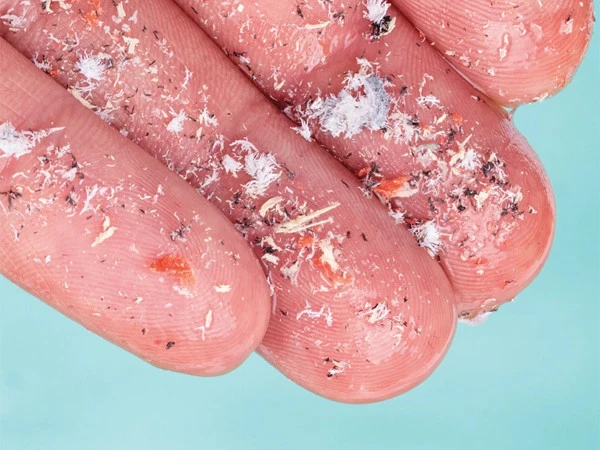
    A new study has found that people who survived a heart attack had higher levels of tiny plastic particles known as microplastics and nanoplastics in their blood. The findings suggest that plastic pollution could be an overlooked risk factor for heart disease. Researchers from the University of Campania in Italy also discovered that smokers and people who are regularly exposed to air pollution had higher amounts of these plastic particles in their blood. The study published in the European Heart Journal found that 84% of heart attack patients had microplastics and nanoplastics in the arteries that supply blood to the heart. In comparison these particles were found in 40% of people with chronic ischemic heart disease and 32% of people with healthy coronary arteries. Experts explained that microplastics and nanoplastics are extremely small plastic particles released from everyday items such as plastic packaging clothing and other plastic products. Researchers said the study does not prove that these plastic particles directly cause heart attacks.  However the findings add to growing evidence that they may affect heart health and more research is needed to better understand their impact.

  • Human fridge cools in minutes

    As temperatures in Japan climb to 38°C and the government issues heatstroke warnings two Japanese companies have introduced an unusual solution to help people stay cool a personal “human fridge.” The device is a portable cooling box made of stainless steel. A person sits inside on a built in chair while powerful cold air is blown around the head neck shoulders and back. According to the companies this can lower the body’s temperature by up to 5°C helping users cool down quickly. The cooling box keeps the inside temperature at 15°C and automatically turns off after 20 minutes For safety. The unit measures 84 inches tall and 47 inches wide. It uses less electricity than a traditional air conditioner with an estimated operating cost of 16 yen per hour. The companies say the device cools the entire body faster than a regular AC and is easy to move from one place to another. It is designed for locations where people work outdoors or in very hot conditions. According to the manufacturers users begin to feel noticeably cooler within five minutes and spending around 10 minutes inside may help reduce the effects of extreme heat and heatwave symptoms.

  • AC mistake to avoid after heat

    After spending time outside in extreme heat switching on the air conditioner as soon as you get home may feel refreshing. However health experts say this habit can sometimes be harmful. According to doctors the body works continuously to keep its temperature balanced. In hot weather it cools itself by producing sweat and widening blood vessels. If you suddenly move from intense heat into a very cold room your body experiences a rapid temperature change. This is known as thermal shock. Experts say this sudden change may cause headaches sore throat coughing dizziness tiredness breathing problems or a feeling of discomfort. People with asthma allergies or other breathing conditions may be affected more seriously. Health specialists recommend resting for a few minutes in a shaded or normally cooled area after coming home instead of sitting directly in front of the AC. This gives your body time to adjust gradually. They also advise drinking enough water before entering a very cold room. Hot weather can lead to dehydration and staying hydrated helps reduce stress on the body. Another concern is that air conditioners can dry out the air which may dry the nose and throat. This can lead to throat irritation dryness or coughing especially if the AC is set to a very low temperature or the cold air blows directly on the body. Doctors say there is no need to avoid using an air conditioner during summer. Instead keep the temperature at a comfortable level drink plenty of water and avoid moving straight from extreme heat into a very cold environment. These simple steps can help protect your health and reduce the risk of heat related problems.