بلاگز

  • Can you solve this weight puzzle?

    This fun brain teaser is designed to test your observation skills and logical thinking. It also helps improve problem solving and creative thinking. In the picture three people are carrying a large tree log. At first glance it looks like all three are carrying the same amount of weight. But if you look more carefully you’ll realize that the weight is not shared equally. Take a close look at the image before answering. The question is trickier than it seems. Based on how weight is distributed the person standing in the middle is carrying the heaviest load. In fact the middle person is supporting more than 25% extra weight compared to the two people on either side.

  • Does phone charging waste power?

    Mobile phones have become an important part of daily life. Many people charge their phones every morning every night or even several times a day. This often raises a common question •Does charging a phone every day add a lot to your electricity bill? The simple answer is no. Charging a smartphone uses very little electricity compared to household appliances such as refrigerators fans irons or air conditioners. The amount of electricity used depends on the phone’s battery size the charger’s power and how long the phone takes to charge. Even if a phone needs around three hours to fully charge it still uses only a small amount of electricity. Over the course of a year charging a phone every day usually consumes only a few units of electricity. Fast chargers may use slightly more power but the difference is very small and is unlikely to make a noticeable impact on your electricity bill. Experts also recommend following safe charging habits. Always use the original or a certified charger avoid charging your phone under a pillow or blanket and replace damaged chargers immediately. These simple steps can help prevent overheating and protect your phone’s battery. •Tips keeping your phone charged every day costs very little and is one of the least expensive ways to use electricity at home.

  • |

    China introduces brain-controlled robot technology

    Several countries are actively developing Brain-Computer Interface (BCI) technology which enables people to interact with devices using only their thoughts without the need for physical movement. Now, a Chinese company is working to integrate this technology into robots. According to BrainCo, the company has developed the world’s first brain-to-robot interface system allowing robots to be controlled directly through human thought. The company said the system works using EEG headsets which are worn by human operators. These headsets monitor brain activity and translate it into commands that are sent to the robot. Like other BCI technologies, the system relies on extensive training data that maps specific patterns of brain activity to corresponding actions. Artificial intelligence (AI) algorithms are then used to accurately interpret a person’s intended action and convert it into the correct robotic response. The technology called the Brain-Controlled Robot AI Platform was unveiled at the World Artificial Intelligence Conference in Shanghai. BrainCo said the system can be used not only to control robots but also to operate robotic arms and other connected devices. The platform continuously collects data which is used to further improve its AI algorithms and enhance performance over time. According to the company, rapid advances in AI have enabled robots to perform many tasks independently. However, it believes the next major challenge is ensuring that robots can effectively understand and collaborate with the humans working alongside them.

  • Grapes could be good for your joints

    Joint pain affects millions of people around the world and becomes more common as people get older. A new study from China suggests that eating grapes regularly may help support joint health. Researchers reviewed previous studies to understand how a natural plant compound called resveratrol affects the joints. This compound is found in grapes and berries. For many years scientists have studied resveratrol because of its strong antioxidant and anti-inflammatory properties. It is also believed to help protect cells and slow down the aging process. The researchers found that resveratrol may help reduce long term inflammation which is one of the main causes of joint problems such as arthritis. Although the body does not absorb resveratrol easily and most of it is processed by the liver earlier studies suggest it may still help protect joints from damage and reduce pain. The researchers said more studies are needed before medicines or supplements based on resveratrol can be developed. However adding grapes and berries to your diet may be a simple way to support healthier joints as part of a balanced lifestyle.

  • | |

    Rare star explosion creates mysterious gas bullets…

    Astronomers have made a remarkable discovery in the Milky Way after observing a rare exploding star releasing extremely fast-moving streams of gas. Scientists have described these unusual formations as cosmic “bullets” because of their incredible speed and shape. According to a new study, the gas material is being expelled from the star system at speeds of nearly 20 million miles per hour, creating a phenomenon that has never been observed in this way before, either in our galaxy or in other known stellar explosions. The discovery involves a rare helium nova known asV445 Puppis, which has been under observation for more than two decades. Scientists were able to study the star in greater detail after the surrounding cloud of dust became less dense, revealing new information about the unusual explosion taking place around it. Researchers from the University of Warwick confirmed that V445 Puppis is the only known helium nova of its kind in the Milky Way. The system consists of a white dwarf star that is collecting helium fuel from a rare companion star, eventually triggering an extraordinary stellar eruption. Unlike typical stellar explosions, this event involves the release of helium-rich material, creating powerful and unusual gas streams that have surprised researchers. The exact nature of these mysterious “bullets” and the process responsible for producing them are still not fully understood. Scientists believe that studying this rare phenomenon could provide valuable insights into how unusual stellar explosions occur and how stars evolve under extreme conditions. Understanding these events may also help researchers learn more about the behavior of white dwarfs and their role in shaping the evolution of galaxies. The discovery of V445 Puppis represents a significant step forward in astronomy, as it offers scientists a rare opportunity to examine a type of cosmic event that has never been observed in such detail before. Further observations will be needed to determine how these high-speed gas formations are created and what their long-term impact may be on the surrounding space environment. For astronomers, the mysterious “bullets” from this exploding star remain one of the most fascinating discoveries in recent cosmic research.

  • Beyond Caravaggio’s shadow lies Gentileschi’s masterpiece

    In the history of European art, few paintings contain the impact of Artemisia Gentileschi’s Judith Slaying Holofernes (1612–1613), housed in the Museo di Capodimonte in Naples. This masterpiece was painted when Gentileschi was only in her late teens. The canvas captures the climatic biblical moment of the Israelite heroine Judith, assisted by her maidservant Abra, beheads the invading Assyrian general Holofernes. Later, the decapitated head was delivered to her besieged city of Bethulia. Baroque art frequently revisited the deuterocanonical story of Judith. Gentileschi’s depiction shattered the established artistic conventions of her era. Her canvas showed a powerful portrayal of female agency, solidarity, and uncompromising physical force. In earlier Renaissance and Baroque interpretations of the story, Judith was often rendered as hesitant, emotionally detached, or visibly repulsed by the act of violence. Maidservants were typically portrayed as passive observers or elderly bystanders waiting in the background. Gentileschi discarded this detached framing. And transformed the scene into a collaborative and grueling physical struggle. Abra is not merely a witness; she actively pins down Holofernes’ arms, applying her body weight to suppress his desperate struggles. Judith holds the general firmly by his hair. Her muscles taut and face composed in resolute determination as she drives the sword through his neck. The composition relies heavily on contrasting, thrusting arms that radiate outward from the central act of decapitation, pinning the viewer’s gaze directly onto the fatal fate.  Traditional/Male Views: Judith hesitant, maid as onlooker. Gentileschi’s Vision: Physical force, sisterly ccollaboration. Gentileschi created this initial version in Rome. It was shortly after enduring a highly public and harrowing trial against painter Agostino Tassi, who had raped her in 1611. During the proceedings, Artemisia was subjected to physical torture to verify her testimony. “Early feminist art historians have frequently read the canvas as a powerful statement of visual retribution and catharsis, pointing out that Gentileschi painted Judith with her own facial features while bestowing Tassi’s likeness upon Holofernes.” Stylistically, the work demonstrates Artemisia’s absorption of Caravaggio’s tenebrism. The dramatic contrast between theatrical light and suffocating shadows. However, unlike Caravaggio’s dark theatricality, Artemisia’s focus remains emotional and human. Gentileschi returned to this subject around 1620, producing a second famous version currently preserved at the Uffizi Gallery in Florence. The later Uffizi iteration features richer textiles, refined anatomical precision, and spurting arterial blood. However, the original Naples canvas retains a distinct emotional raw power. Naples Version (1612–13): Raw immediacy, dark emotional weight. Uffizi Version (1620): Refined detail, spurting blood. Today, major international retrospective exhibitions such as showcases at Paris’s Musée Jacquemart-André and special loans across European institutions continue to highlight Artemisia Gentileschi’s triumphs. She became the first woman admitted to Florence’s prestigious Accademia delle Arti del Disegno. She proved that her mastery went far beyond novelty.  

  • Digital depression and human interactions

    By Asma Qayyum Digital depression refers to the negative impact of excessive screen time, information overload, and unhealthy social media use on mental health. In today’s digital age, smartphones, social media platforms, and the internet have become an essential part of everyday life. While these technologies help people communicate, learn, and work more efficiently, their excessive use can have serious consequences for mental well-being. Digital depression is a condition in which prolonged use of digital devices and online platforms contributes to feelings of sadness, anxiety, loneliness, emotional exhaustion, and low self-esteem. It is becoming increasingly common, particularly among teenagers and young adults, who spend a significant portion of their day online. According to the World Health Organization (WHO), depression affects approximately 280 million people worldwide, making it one of the leading causes of disability. Although digital technology is not the sole cause of depression, research shows that excessive screen time and unhealthy social media habits can significantly increase the risk of mental health problems. A 2023 advisory by the U.S. Surgeon General reported that adolescents who spend more than three hours a day on social media are at a greater risk of developing anxiety, depression, and other mental health issues. Similarly, DataReportal’s 2024 Global Digital Report found that the average internet user spends approximately 6 hours and 38 minutes online each day, highlighting how deeply digital technology has become integrated into modern life. Several factors contribute to digital depression, including excessive use of social media, constantly comparing one’s life with idealized online images, cyberbullying, online harassment, poor sleep caused by late-night screen use, smartphone and internet addiction, and reduced face-to-face interaction with family and friends. The effects of digital depression can be both psychological and physical. People may experience persistent sadness, anxiety, loneliness, low self-esteem, difficulty concentrating, sleep disturbances, headaches, eye strain, fatigue, and reduced productivity. If left unaddressed, these problems can negatively affect academic performance, professional life, and personal relationships. Fortunately, digital depression can be prevented by adopting healthy digital habits. People should limit their daily screen time, avoid using electronic devices before bedtime, take regular breaks from social media, engage in physical exercise, spend more quality time with family and friends, and seek professional help if symptoms persist. Schools and parents should also educate young people about responsible technology use and the importance of maintaining a healthy balance between online and offline life. In conclusion, digital technology has transformed modern life by creating countless opportunities for education, communication, business, and innovation. However, when used excessively or without balance, it can seriously affect mental health. By promoting digital awareness, developing healthier online habits, and supporting those experiencing emotional difficulties, society can reduce the impact of digital depression and encourage a healthier relationship with technology.

  • Azad Kashmir Elections: A Pilot Project or a Model for Pakistan’s Next General Elections?

    By Engr. Saqlain Abid Political Commentator and NFPA-Certified Electrical Engineer   Elections are the vital organ of a living democracy. If they are conducted according to the people’s choice, without interference, on equal grounds, and with the consensus of all democratic participants, then the state not only remains in good health but also flourishes with the hope and commitment promised before the elections.   For the first time in the history of Pakistan, the Azad Jammu and Kashmir (AJK) elections are not being held on a single polling day. Instead, the electoral process has been divided into three different phases—27 July, 8 August, and 20 August 2026. This unusual arrangement raises several important questions. Why is the state preparing this electoral model? What are the conditions on the ground that necessitated such a strategy? More importantly, how could this experiment influence Pakistan’s national elections next year?   The political environment surrounding these elections has already become highly contested. The major political force JAAC has been banned by the government, and several of its leaders have been detained. The party has consequently boycotted the elections. PTI, another major opposition force, has also chosen to boycott the electoral process. According to its leadership, the party has been forced to contest only through independent candidates rather than under its official party platform. PTI argues that the government has failed to provide the safety, guarantees, and political environment necessary for free and fair elections. Under such circumstances, the party believes participation would merely legitimize a process it does not trust.   On the other hand, the ruling coalition, led by PML-N and PPP, has entered the campaign with promises of development projects, including new motorways and business initiatives aimed at attracting voters. While development remains an important component of any election campaign, questions regarding electoral credibility continue to overshadow these promises.   In principle, elections should be transparent, efficient, and completed within the shortest possible time. If technological solutions such as secure online systems become feasible in the future, they may further reduce the chances of manipulation. However, extending the polling process over three different days also creates a debate. While supporters argue that it makes election management easier, critics believe that a prolonged process increases opportunities for allegations of interference and weakens public confidence.   The government should have taken all political parties on board before announcing such an unprecedented electoral model. A genuinely inclusive process requires the participation of every major democratic stakeholder. JAAC, which commands significant public support in parts of Azad Kashmir, should have been engaged through political dialogue rather than exclusion. The credibility of elections depends not only on voting day but also on the perception that every political voice has been given an equal opportunity to participate.   Pakistan has previously criticized India for conducting elections in Jammu and Kashmir while sections of the local political leadership remained outside the process. At the time, Islamabad argued that elections held without broad political participation reflected only a procedural exercise rather than the genuine will of the people. The obvious question now is what circumstances have led Pakistan toward a model that some critics argue resembles the same approach.   Some political analysts believe that the AJK elections may serve as a pilot project to test a phased electoral model before its possible application across Pakistan during future general elections. Whether this perception is accurate or not, the debate itself demonstrates the level of public skepticism surrounding the process.   Another factor attracting attention is the role of the Chief Election Commissioner, whose tenure continues to face criticism following the February 2024 general elections. Allegations raised by former Rawalpindi Commissioner Liaquat Ali Chattha regarding manipulation of election results remain part of Pakistan’s political discourse, despite subsequent developments in the case. These controversies have inevitably shaped public perceptions regarding electoral transparency.   If voter turnout remains significantly low because of political boycotts and public distrust, the legitimacy of the exercise may come under further scrutiny. It is therefore the moral responsibility of the government and the Election Commission to create an environment where every democratic force feels secure enough to participate and where no stakeholder can reasonably question the fairness of the process.   The electoral process ultimately determines the political shelf life of a state. When governments emerge through elections widely accepted by the public, trust between the people and the state grows stronger. When that trust weakens, political polarization deepens, frustration increases, and hostile external actors find greater opportunities to exploit internal divisions. With Balochistan already facing serious security challenges and Khyber Pakhtunkhwa confronting persistent instability, any controversy surrounding the AJK electoral process may further strengthen perceptions that democratic space is shrinking rather than expanding.   Ultimately, the success of these elections will not be measured solely by administrative efficiency but by whether the people of Azad Kashmir believe that their voices were freely heard and genuinely counted. A credible electoral process strengthens democracy; a disputed one risks weakening the very foundations upon which democratic legitimacy depends.

  • The tragic fate of Aurangzeb’s rebellious daughter

    In the residential quarters of Nawan Kot in Lahore stands a crumbling Mughal monument. To a casual bystander, it appears as little more than a neglected relic surrounded by modern brick houses and the distant roar of traffic from Multan Road. Yet, local legend fiercely protects this spot as the resting place of Princess Zeb-un-Nissa, the eldest daughter of the orthodox Mughal Emperor Aurangzeb. Historians, however, tell a very different story. Official records indicate that Zeb-un-Nissa died in Delhi at the Salimgarh Fort after two decades of imprisonment and was buried outside the Kashmiri Gate at the Tees Hazari gardens. Her original tomb was later dismantled during the British era to make way for a railway line. So how did a city hundreds of miles away come to claim this defiant, romantic princess as its own? The answer lies not in verified architectural blueprints, but in the psychological and political pulse of 17th-century Lahore. Zeb-un-Nissa was an anomaly in the puritanical Mughal court of her father. She was highly educated, exceptionally wealthy, a scholar of theology, and a devout patron of the arts. Under the secret pen name Makhfi (The Hidden One), she wrote expressive, Sufi-inspired poetry that directly challenged the orthodox ethos. Her political inclinations further alienated her from her father. Zeb-un-Nissa had strong affinities for her uncle, Prince Dara Shikoh: Aurangzeb’s primary rival for the throne. It was originally betrothed to his son, Prince Suleiman Shikoh. After Aurangzeb executed both Dara and Suleiman during the violent war of succession, Zeb-un-Nissa reportedly vowed never to marry. Later in life, her secret correspondence supporting her rebellious younger brother, Prince Muhammad Akbar, ultimately led to her downfall and life imprisonment. Lahore’s local folklore transformed her political tragedy into a narrative of star-crossed love. Popular stories in the city recount a passionate, poetic romance between Zeb-un-Nissa and Akil Khan Razi, the Governor of Lahore. According to local legend, after Emperor Aurangzeb forbade their union, the heartbroken princess renounced her royal luxury and retreated to a self-imposed prison in her private estate near Chauburji. In this garden sanctuary, she allegedly ran a massive public kitchen (langar) to feed dervishes, beggars, and travelers, using poetic riddles on slips of paper to communicate with the needy and eventually, to secretly reconnect with her disgraced lover. When Aurangzeb discovered their continued meetings, legends claim he ordered Akil Khan’s brutal execution and permanently confined his daughter within the garden walls. While these romantic tales lack strict historical evidence, they reflect a deeper cultural reality. Lahore had been the favorite city of Dara Shikoh, who poured immense imperial funds into its cultural and architectural enrichment. When Aurangzeb seized power, executed Dara, and shifted the imperial capital away from the city, Lahore was left politically marginalized and financially neglected. In an age where open political dissent against an absolute monarch was impossible, the citizens of Lahore used rumors, myths, and urban legends as their primary medium of protest. Zeb-un-Nissa: a brilliant woman who shared Dara Shikoh’s inclination toward Sufism, loved the city of Lahore. She publicly defied her father’s authority became the ultimate symbol of the city’s lost artistic spirit. By adopting her memory, attributing the Chauburji gardens to her patronage, and declaring the tomb in Nawan Kot as her final resting place, Lahore claimed the rebellious princess as its own. In doing so, the city permanently etched her spirit of resistance into its own historical identity.  

  • Vaping may be as harmful as smoking

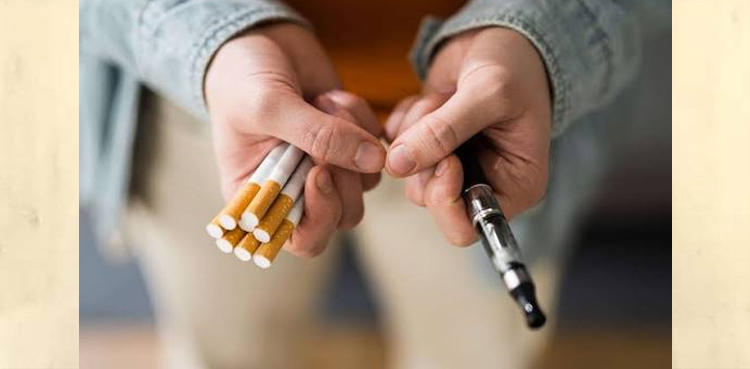
    Smoking is well known to cause lung cancer heart disease and breathing problems.  However many people believe that vaping is a safer alternative. New scientific research suggests this belief may be misleading. Studies show that using e-cigarettes can also harm the body and may cause damage similar to that seen in cigarette smokers. Experts say switching from cigarettes to vaping should not be considered completely safe. Although e-cigarettes do not contain traditional tobacco they still expose the body to harmful substances. Research published in 2026 by the University of New South Wales along with findings from scientists at the University of Southern California found that vaping can damage the DNA in cells of the mouth and lungs. DNA is the body’s genetic blueprint. It controls how cells grow and function. When DNA is damaged the risk of serious diseases including cancer can increase. Researchers also found that sweet and fruit flavored vape products may contribute to DNA damage. People who use pod based vaping devices showed even higher levels of cell damage in the study. According to the scientists vaping may increase the risk of cancers of the mouth and lungs.  The research also found that DNA damage in people who vape was almost as severe as the damage seen in cigarette smokers. Although vaping and smoking work differently both can seriously affect health. Health experts advise people not to think of vaping as a harmless option. Every vaping session may damage important cells in the body. They recommend avoiding vaping altogether and raising awareness about its possible health risks.