vaping may harmful

Vaping may be as harmful as smoking

Smoking is well known to cause lung cancer heart disease and breathing problems.  However many people believe that vaping is a safer alternative.

New scientific research suggests this belief may be misleading. Studies show that using e-cigarettes can also harm the body and may cause damage similar to that seen in cigarette smokers.

Experts say switching from cigarettes to vaping should not be considered completely safe.

Although e-cigarettes do not contain traditional tobacco they still expose the body to harmful substances.

Research published in 2026 by the University of New South Wales along with findings from scientists at the University of Southern California found that vaping can damage the DNA in cells of the mouth and lungs.

DNA is the body’s genetic blueprint. It controls how cells grow and function. When DNA is damaged the risk of serious diseases including cancer can increase.

Researchers also found that sweet and fruit flavored vape products may contribute to DNA damage.

People who use pod based vaping devices showed even higher levels of cell damage in the study.

According to the scientists vaping may increase the risk of cancers of the mouth and lungs.  The research also found that DNA damage in people who vape was almost as severe as the damage seen in cigarette smokers.

Although vaping and smoking work differently both can seriously affect health. Health experts advise people not to think of vaping as a harmless option.

Every vaping session may damage important cells in the body. They recommend avoiding vaping altogether and raising awareness about its possible health risks.

Similar Posts

  • | |

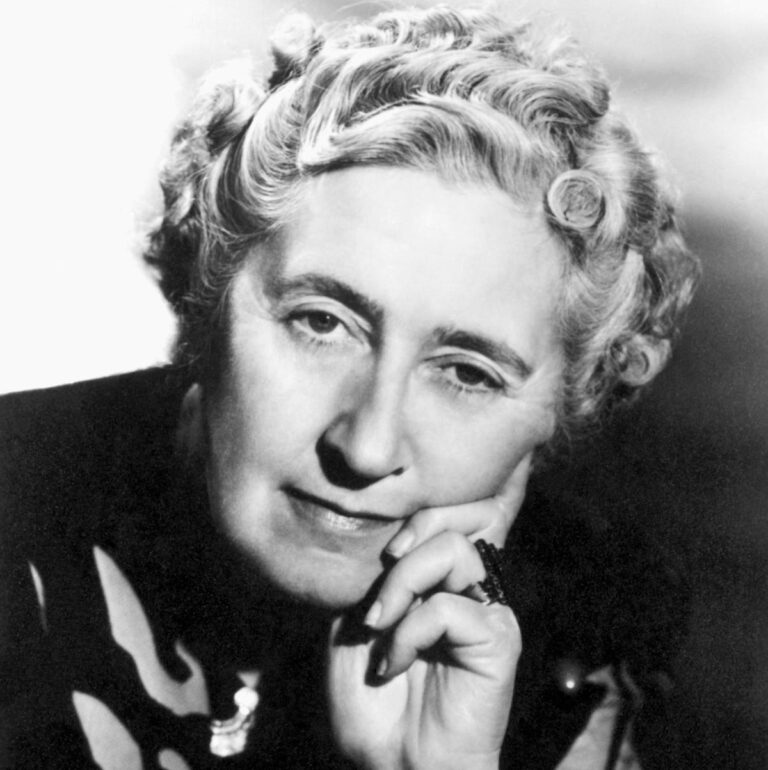
    Decoding the genius of Agatha Christie

    When readers open a detective novel by Agatha Christie, they often expect hidden motives and a dramatic reveal. Yet, behind the elaborate plots and suspenseful twists lies something far deeper. It is a masterclass in human psychology. Christie is celebrated globally as the Queen of Crime. However, her legacy rests on her profound grasp of human nature, emotion, and behavior. Beyond “Who [has] done it?” At first glance, a classic crime novel centers on a simple formula: a crime is committed, evidence is gathered, and a perpetrator is exposed. However, Christie’s narratives stand apart because she recognized that every criminal act is fundamentally driven by internal human conditions. It can be jealousy, greed, fear, desperate love, betrayal or pride. Her stories serve as an investigation into what happens when everyday human emotions turn into extraordinary actions. Christie demonstrated that a person’s surface appearance rarely tells the whole story. In her fictional world, a polite neighbor or a charming gentleman could conceal dark secrets. Christie challenged her readers to look beneath pleasant facades and observe the subtle tension between public personas and private motives. A Tale of Two Detectives Nothing illustrates Christie’s psychological acuity better than her two iconic sleuths. The meticulous Belgian detective Hercule Poirot and the observant villager Miss Jane Marple. Their methods and personal backgrounds could not be more distinct.  Yet, both figures share an uncanny reliance on psychological insight rather than physical evidence alone. Poirot prioritizes method, order, and intellectual analysis. He famously encourages paying attention to the little grey cells of the brain. Poirot understands that people inevitably reveal their true character through body language and small inconsistencies. Poirot allows suspects to expose themselves by asking precise questions and observing subtle emotional shifts. In contrast, Miss Marple operates from the quiet routine of the small English village of St. Mary Mead. Despite her gentle demeanor and knitted shawls, Miss Marple possesses a sharp mind shaped by decades of watching human behavior in a small community. She operates on the principle that human nature is universal. People react to passion, greed, and fear in remarkably similar ways. Her ability to draw parallels between a suspect’s behavior and local village gossip allows her to solve complex murder cases. The Art of Patience In a fast-paced world where hasty judgments and decisions are common, Christie’s stories offer a lesson in the value of patience, active listening, and careful observation. Her detectives succeed precisely because they resist early conclusions. They listen to what is said and  what is left unsaid. This approach reflects many real-world disciplines, including psychotherapy, journalism, and conflict resolution. So, understanding another person requires suspending immediate judgment and noticing subtle nuances. Christie turns her audience into active participants in a process of empathetic inquiry. For generations of fans, revisiting Christie’s novels or watching cinematic adaptations is more than an intellectual exercise. It is a warm, comforting ritual. Many readers recall discovering her books during youth or sharing screen adaptations with family members. The nostalgic atmosphere of early 20th-century trains, country manors, and seaside resorts provides a captivating backdrop for timeless human dramas. Decades after her death, Agatha Christie remains one of the most widely read authors in human history. Her popularity persists not because audiences simply enjoy detective stories, but because the complexity of human nature never grows old. Her work continues to remind us that behind every smile, silence, or stray comment lies a story waiting to be understood.  

  • Enjoy simple activities

    Every new year brings fresh hope and a chance to make life better. But happiness does not always come from big achievements. Small daily habits can also bring more peace joy, and satisfaction to our lives. Remember happy moments Make a habit of remembering the good things that happen in your life.  You can write down three things each day that made you happy. It could be success in an exam a kind message from someone or a pleasant moment with family. Keeping a record of positive moments can help improve your mood and encourage you to focus on the good things in life. Communicate better with your partner Good communication can make married life more peaceful and enjoyable.  Instead of turning every disagreement into a serious argument try to listen carefully and speak calmly. Even people who are not naturally cheerful can develop better habits and improve their relationships. Give importance to friendship Good friends can bring happiness and emotional support at every stage of life. As people grow older close and trustworthy friendships can become even more valuable. Make time for the people who care about you listen to you, and make you feel comfortable. Celebrate other people’s happiness Be happy for other people when they achieve something or experience a special moment.  Celebrating their success can make relationships stronger and create a warmer connection. Helping others feel appreciated can also give you a sense of happiness and satisfaction. Enjoy fun activities Make time for activities that you genuinely enjoy. Listening to your favourite music taking a long drive spending time outdoors reading, or trying something different can help refresh your mind. You do not always need an expensive trip or a major event to feel happy.  Simple activities can also bring peace. Learn to stay calm Constantly chasing happiness can sometimes create stress and disappointment.  Keep your expectations realistic and learn to appreciate what you already have. Accepting that life has both good and difficult moments can help you remain calm and emotionally balanced. Stay connected with older family members Talking to parents grandparents and other older family members can help you understand your family history and appreciate your life more. Their experiences and stories can offer valuable lessons and may also help you feel more connected and confident. Help others Volunteering and helping people can bring a strong sense of purpose and satisfaction.  You can help others by supporting someone in need, caring for animals gardening or taking part in community activities. Helping others can improve your sense of connection and make everyday life more meaningful. Find happiness in small things A happier life does not require everything to be perfect. Start noticing the small moments that bring peace and joy. Spend time with loved ones appreciate what you have take care of yourself and make room for activities you enjoy. Small positive habits can gradually make life more peaceful and fulfilling.

  • How Indian mughal art inspired Rembrandt’s forgotten miniatures

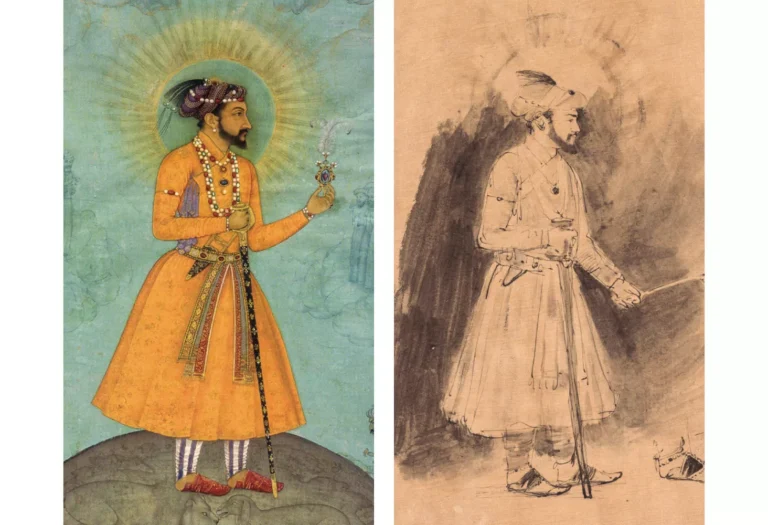
    Art lovers typically look upon dramatic chiaroscuro oil paintings, European portraiture, or biblical scenes while thinking about Rembrandt. Yet, buried within historical records and private collections lies a lesser-known chapter of the legendary master’s life. A profound fascination with South Asian art that inspired a unique series of fine Indian-style portraits. Rembrandt produced 25 delicate drawings depicting Mughal emperors and religious scholars Between 1656 and 1661. These works reveal an artist expanding his creativity through an encounter with Islamic and Indian aesthetic traditions half a world away. During the 17th century, Amsterdam was a booming node in global trade. The locality was largely powered by the Dutch East India Company (VOC). Ships arriving at Dutch ports carried exotic commodities such as raw silk, muslin, spices, and fine craftsmanship straight from Surat in western India. There were original miniature paintings and sketches produced by imperial Mughal ateliers among these goods. Rembrandt was an avid collector who frequently spent beyond his means on art and curiosities from abroad. He acquired dozens of foreign items. An official inventory compiled by municipal authorities during his 18th-century bankruptcy proceedings recorded a slim book labeled item No. 203. The scholars believe that the book contained Mughal miniatures that captured his imagination. Rembrandt’s Mughal series represented a striking departure from his thick, layered oil technique. Instead of broad canvas strokes, he utilized fine brown ink, delicate wash, and subtle chalk accents to carefully document the distinctive attire and posture of Mughal royalty. He repeatedly portrayed Emperor Shah Jahan, builder of the Taj Mahal. That too alongside his sons and predecessor Emperor Jahangir. Every sketch rendered precise details of traditional jamas (stitched coats), elaborate patkas (sashes), turbans, and sarpech ornamentations with remarkable fidelity. Rembrandt drew exclusively on imported Torinoko paper. This paper was seemingly a smooth Japanese paper sourced through East Asian maritime networks. “Copying was his way of learning about another style of making portraits… show[ing] him working in a much more refined manner than he is known for.”   Stephanie Schrader, Curator of Drawings at the J. Paul Getty Museum. Rembrandt didn’t copy images mechanically. He adapted Mughal compositions into his own artistic vision. For instance, in his study titled Four Mullahs Seated Under a Tree, he altered the background and surroundings from the original Indian painting. This exercise directly influenced his later print Abraham Entertaining the Angels (1656). In the latter, he repurposed the relaxed seating arrangements of Mughal scholars to illustrate an important biblical motif. The subtle colors and calm poses he absorbed during this phase continued to echo in his late-career oil paintings. Rembrandt never set foot outside Europe. However, his engagement with Mughal miniatures demonstrates a spirit of cross-cultural curiosity during the Dutch Golden Age. He studied them diligently as an intellectual equal. He discovered new ways to capture human expression and line.  

  • |

    Post-graduate depression

    No one talks about the depression, hopelessness, and anxiety that fresh university graduates face. They suffer silently, wondering what to do next and how to find opportunities. Even their families often don’t understand what they are going through. Many graduates slowly fade away. They stop talking to friends, lose contact with classmates, and avoid social gatherings. At family functions, relatives ask questions like, “Beta, what are you doing now?”, “How long are you going to stay at your parents’ home?” If it’s a girl, people ask, “When are you getting married?” or “What have you achieved after getting your degree? Have you earned any money? Look at our daughters—they’re married, have two kids, and are happy. Meanwhile, your poor parents are still taking care of you.” When it comes to boys, they face endless questions from uncles and relatives. Many become demotivated. Some dream of moving abroad but don’t have the money to do so. Others try trading after taking advice from friends and sometimes fail. Some start giving home tuition while constantly thinking about how to settle in life and repay their parents, who are getting older every day. This is the reality of our society. Those who can afford it pursue a master’s degree or go abroad for higher studies. Many work overtime just to prove that they are capable of achieving something in life. Otherwise, people label them as a burden on their parents. Many daughters are pressured into marriage instead of being allowed to pursue private jobs. If they want to build a career, they are expected to prepare for competitive government exams. Even after 14 or 16 years of education, they still have to study further to clear exams like CSS or PPSC. Only then do parents and society begin to appreciate them, and their names are respected. Otherwise, to society, you are just another university graduate—and that’s all.

  • Stray dogs in Turbat raise public safety concerns

    From Muzzamil Karim To, The editorial team Stary Dogs in Turbat Respected Sir, Through the columns of your esteemed newspaper, I wish to highlight the serious issue of stary dogs in Turbat. There are many dogs on the street. Recently, a boy in my street was bitten on his leg. Now parents are afraid to send their children to outside. According to a health officials, report, six people died of rabies. Mostly, they attacks on children and old people. When they bites, they can spared deadly rabies without quick medical care. Even people feel scared to walk outside early in the morning or late at night. Stary dogs roam the streets and enters home whenever they can. The government must take serious action to address this issue.

  • Why Safe Migration Begins with Information 

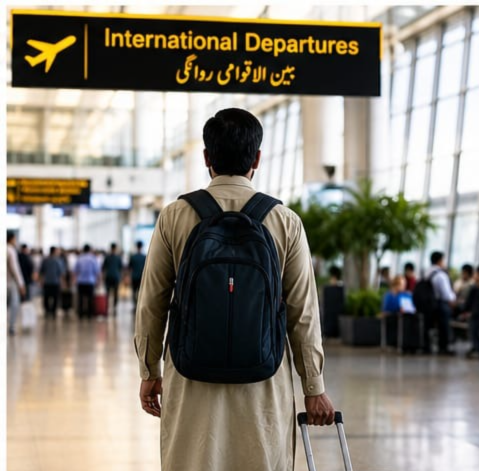
    By Tahseen Ullah  Imagine a young Pakistani sitting in a village in Punjab, Khyber Pakhtunkhwa or Sindh, scrolling through his phone. He sees an attractive job offer for Germany, Italy, Saudi Arabia, the UAE—or even an IT position in Southeast Asia. The salary is impressive, accommodation is promised and the visa will supposedly be arranged within weeks. A WhatsApp number is provided, and someone in his community has already shared the opportunity. He has ambition, perhaps a degree or technical skills. What he may not have is reliable information. This information gap can turn an aspiration for overseas employment into financial loss, irregular migration, exploitation, human smuggling or even trafficking. For Pakistan, this is an increasingly important challenge. Overseas employment is a lifeline for millions of Pakistani families, supporting children’s education, access to healthcare, improved living standards and household economic security, while remittances make a vital contribution to the national economy. At the same time, rapidly changing global labour markets are creating new opportunities beyond traditional destinations. Yet, as these opportunities grow, so do the risks of fraudulent recruitment, misinformation, disinformation, human smuggling and trafficking. Ensuring that Pakistanis can access authentic and accurate information, guidance, verify employment opportunities and make informed decisions is therefore essential to turning migration aspirations into safe and dignified and productive employment opportunities. A fake job advertisement, misleading social media post or fraudulent agent can create a false impression of employment and migration opportunities. Misinformation may be shared unknowingly, while disinformation is deliberately designed to deceive. For prospective migrants, however, the consequences can be equally serious. The risks are particularly concerning for young, educated, and IT skilled Pakistanis. In parts of Southeast Asia, deceptive job advertisements and promises of visit visas that are later claimed to be convertible into work visas have reportedly been used to lure individuals into situations involving human trafficking for forced criminality, where victims may be coerced into participating in online scams and other criminal activities. What initially appears to be a lucrative employment opportunity can therefore become a pathway to exploitation, coercion and serious harm. In the migration journey, information is not just knowledge, it is protection. Before accepting any overseas opportunity, prospective migrants should ask: Is the employer genuine? Is the recruiter authorised? Is the visa appropriate for the job? Is there a written employment contract? Are the salary and working conditions clear? What are the actual costs? Most importantly, where can this information be verified? The principle should be simple: check before you trust, verify before you pay and consult before you travel. To make an informed decision, prospective and intending migrants should first verify job offers and recruitment arrangements from the Bureau of Emigration & Overseas Employment and its field offices, the Protectorates of Emigrants, while seeking information, guidance and referral from Government departments, Migrant Resource Centres (MRCs) Pakistan and other recognised migration information and counselling services before paying, signing or travelling. These sources can help migrants understand legal/ regular migration pathways, recruitment procedures, employment contracts, workers’ rights and available complaint mechanisms. Before making a migration decision, understand the process and seek guidance. Consult relevant sources before paying an agent, signing documents or travelling—a few minutes of verification can prevent years of financial and personal consequences. However, information alone is not enough. Safe migration also requires quality skills, reskilling and upskilling. International labour markets increasingly demand technical competencies, language skills, digital literacy and recognised qualifications. TVET institutions and universities should therefore align training with genuine labour-market demand and equip young people with both occupational and migration-related knowledge. A skilled worker who cannot identify a fraudulent opportunity remains vulnerable. Conversely, reliable information without relevant skills can leave genuine opportunities beyond reach. Skills and information must therefore go together. A comprehensive approach to migration must move beyond simply facilitating departure. Safe migration requires informed preparation before departure, protection during employment and support upon return, supported by strong coordination among government institutions, international organization, civil society organizations, Pakistani missions abroad, bilateral agreements with destination countries, training providers, employers, recruiters, universities, and migration information and counselling services. The message to young Pakistanis should be clear: Do not migrate on the basis of a social media post, WhatsApp message or an agent’s promise. Seek information, consult the relevant authorities, verify the opportunity, acquire the required skills and follow the legal and regular migration pathway. Migration should be a pathway to opportunity—not a pathway to exploitation. In today’s information environment, knowing where to seek information, whom to consult and what to verify before migration may be as important as the skills required for the job itself. Safe migration begins long before the airport. It begins with an informed decision. Tahseen Ullah is a development and migration sector practitioner specialising in migration management, education and child protection. He can be reached at tahseenanthro@gmail.com.   LinkedIn: Tahseen Ullah  The views expressed are his own and do not reflect the views of his employer or any affiliated organisation.


Leave a Reply

Your email address will not be published. Required fields are marked *