कारोबार

  • |

    Bank of Punjab Board approves Up to Rs30bn equity injection by Punjab government

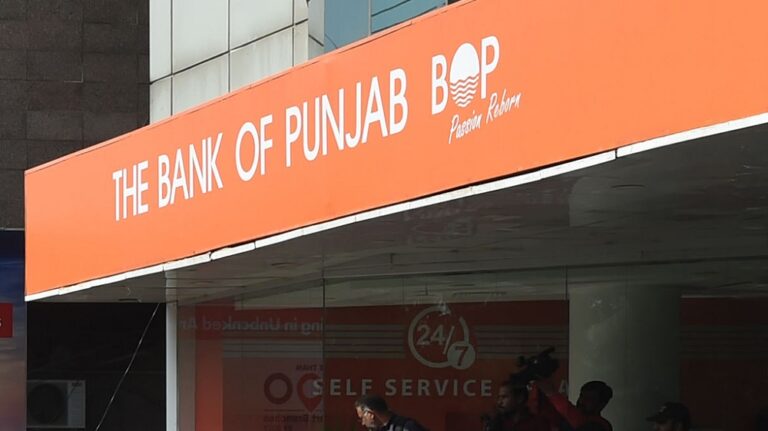
    LAHORE: The Board of Directors of The Bank of Punjab (BOP) has approved a proposal for an equity injection of up to Rs30 billion by the Government of Punjab, a move aimed at strengthening the bank’s capital position and supporting its next phase of expansion. The decision was taken at a board meeting held on August 7, 2026. Under the proposal, the Punjab government will subscribe to ordinary shares to be issued by the bank through a mechanism other than a rights issue. The proposed transaction will not take effect immediately and remains conditional on obtaining all required statutory, corporate, shareholder and regulatory approvals. According to the bank, the planned capital injection is an important step in its broader transformation strategy and will provide additional financial capacity to support sustainable growth across its key business segments. Share issuance price The ordinary shares will initially be issued at Rs38.20 per share. However, if the market price of BOP shares is higher than this amount at the time of issuance, the shares will be issued at the prevailing market price plus a premium of 5 percent. As a result, Rs38.20 will serve as the minimum or floor price for the proposed share issuance. The transaction is expected to reinforce the bank’s capital base and provide greater flexibility to manage balance-sheet expansion while maintaining prudent financial and risk-management standards. BOP expands its market presence The Bank of Punjab has undergone significant changes in recent years, with the institution expanding its balance sheet, improving financial performance and strengthening its position across several sectors of Pakistan’s economy. The bank has developed a strong presence in areas including small and medium-sized enterprise (SME) financing, agricultural lending, affordable housing, digital banking and credit cards. It has also increased its focus on women’s participation and leadership in banking and financial services. BOP is further expanding its activities in commercial and corporate banking, particularly in areas linked to export-oriented businesses. The bank said these business segments have positioned it as an important participant in supporting economic activity, employment creation and financial inclusion across the country. Capital requirements rise with expansion Despite the bank’s growth, the rapid expansion of its operations has increased pressure on its existing capital base. BOP said its capital position has historically remained relatively limited compared with the size of its operations and the growth opportunities available to the institution. The proposed Rs30 billion injection is therefore expected to provide the bank with additional capacity to expand its core businesses while maintaining financial resilience. The additional capital could also enable BOP to increase its low-cost deposit base and grow lending operations without facing the same level of capital constraints. The bank said strengthening its capital position would allow it to pursue growth while maintaining a balanced and prudent approach to balance-sheet management. Strong financial performance The proposed capital injection comes as BOP continues to report strong underlying financial performance. During 2025, the bank recorded revenue growth of around 29 percent, while its earnings increased by more than 40 percent year on year. The bank also witnessed significant appreciation in the value of its shares during the period. According to the bank, the proposed capital raise should therefore be viewed primarily as growth capital rather than a measure aimed at addressing immediate financial weakness. The additional equity is expected to provide the financial foundation required for BOP to continue expanding its operations and investing in new business opportunities. International expansion in focus Another important component of the bank’s future strategy is its international expansion. The capital injection is expected to support the next phase of BOP’s growth, including an international venture that has recently received approval from the State Bank of Pakistan. The move could provide the bank with an opportunity to broaden its geographical footprint and develop new sources of business and revenue. With the proposed equity injection, BOP aims to strengthen its financial position, support expansion in priority sectors and improve its ability to serve businesses, consumers and other customers as demand for banking and financial services continues to grow.


  • | | | | |

    New US opportunities emerge for Pakistani nurses

    Pakistani nurses and other healthcare professionals could soon have better access to professional opportunities in the United States. A new initiative is being developed to strengthen medical education and workforce development in Pakistan. It also aims to help meet the growing demand for trained healthcare professionals in the US. The American Pakistan Education Foundation and the Pakistan Education Foundation are set to sign a memorandum of understanding in New York. The agreement will establish a framework for cooperation between the two organizations. It will focus on education, professional preparation, training, certification and qualification requirements. The initiative will also explore suitable pathways for qualified Pakistani healthcare professionals to access professional opportunities in the United States. The organizations plan to build stronger links with hospitals, healthcare systems, educational institutions and professional organizations in the US. The American Pakistan Education Foundation is a US-based nonprofit organization. It works on education, healthcare workforce development, professional training and community-focused initiatives in both countries. The project to create professional opportunities for Pakistani nurses was launched with support from New York State Assembly Deputy Speaker Phil Ramos. Members of the foundation’s board have already visited Pakistan twice. During the visits, they met relevant stakeholders and discussed ways to strengthen nursing education and the wider healthcare workforce. The discussions also focused on professional training and the development of medical skills. The delegation examined opportunities to expand institutional cooperation between Pakistan and the United States. Meanwhile, the Pakistan Education Foundation has launched an NCLEX nurse placement programme. The initiative is aimed at helping Pakistani registered nurses prepare for international licensing. A nationwide registration campaign was conducted under the programme. A total of 2,759 candidates registered. After a detailed screening and selection process, 300 eligible nurses were selected for training. More than 80 nurses have so far obtained NCLEX-related licensing credentials. They are now prepared to pursue international professional opportunities. More than 220 additional nurses are currently progressing through the examination process. The programme has also helped candidates who face financial difficulties. They have been able to prepare for the costly licensing examination without travelling abroad. The new memorandum is expected to provide a stronger basis for connecting qualified Pakistani healthcare professionals with potential employers in the US. The American Pakistan Education Foundation plans to establish links with hospitals, healthcare networks, nursing facilities, universities and professional organizations. These institutions could provide employment, training and partnership opportunities for qualified professionals. The two organizations also intend to strengthen nursing and medical education. They will explore professional development programmes for teachers and healthcare workers. Professional exchange programmes could also be developed. Scholarships and educational assistance may be considered as part of future cooperation. The Pakistan Education Foundation will identify nurses and other healthcare professionals with suitable educational and professional backgrounds. It will also assist candidates interested in further education, professional development and potential employment opportunities in the United States. Support could include exam preparation, professional training and assistance with certification and documentation. The proposed cooperation may also involve universities, nursing schools, hospitals, training institutions and professional organizations. Joint educational programmes could be developed for nurses and other healthcare professionals. Existing programmes could also receive additional support. A joint working group may be established to oversee implementation of the memorandum and develop further cooperation between the two organizations. Officials involved in the initiative have welcomed the development. They said the project could create stronger institutional links between Pakistan and the United States. The initiative is also being viewed as a step towards expanding international career opportunities for Pakistani healthcare workers.

  • |

    PSX faces heavy selling as KSE-100 index drops over 1,300 points

    KARACHI: Selling pressure intensified at the Pakistan Stock Exchange (PSX) on Tuesday as investor sentiment weakened amid growing uncertainty over the prospects of a peace agreement between the United States and Iran and the reopening of the strategically important Strait of Hormuz. The benchmark KSE-100 Index came under pressure during the trading session, losing more than 1,300 points as investors remained cautious and reduced exposure to major stocks across several sectors. At around 2pm, the KSE-100 Index stood at 179,996.62 points, showing a decline of 1,313.66 points, or 0.72%, from the previous close. The market witnessed broad-based selling, with several major sectors contributing to the decline. Automobile assemblers, cement companies, commercial banks, fertiliser manufacturers, oil and gas exploration firms and oil marketing companies (OMCs) remained under pressure. Several index-heavy stocks also traded in negative territory. Prominent companies including HUBCO, Mari Petroleum (MARI), Oil and Gas Development Company (OGDC), Fauji Fertilizer Company (FFC), Habib Bank Limited (HBL), MCB Bank, Meezan Bank (MEBL) and United Bank Limited (UBL) were among the stocks weighing on the benchmark index. Previous session also ends lower The latest decline follows a weak close in the previous trading session. On Monday, the PSX initially moved higher but lost momentum during the second half of the session as investors opted to book profits in heavyweight shares. The KSE-100 Index eventually closed at 181,310.28 points, down 119.74 points, or 0.07%. The continued weakness suggests that investors are closely monitoring developments in international markets, particularly the situation surrounding oil supplies and the Strait of Hormuz. US-Iran tensions keep markets on edge Global financial markets remained unsettled on Tuesday as hopes for an agreement between Washington and Tehran appeared to fade. Negotiations aimed at ending the conflict and restoring normal shipping through the Strait of Hormuz have encountered fresh difficulties. US President Donald Trump on Monday responded to Iran’s conditions for a possible peace agreement by putting forward his own demands, including calls for compensation related to deaths and losses associated with wars, attacks and protests. The tougher rhetoric has raised concerns that diplomatic efforts could take longer, potentially prolonging disruptions around the crucial maritime route. The Strait of Hormuz is one of the world’s most important energy corridors, and prolonged disruption to shipping through the waterway could have significant consequences for crude oil supplies and global energy prices. Oil prices climb to highest level since July 31 The uncertainty surrounding the situation was reflected in international oil markets. Brent crude futures climbed to around $88 per barrel, while US West Texas Intermediate crude futures rose to approximately $82.45 per barrel. Both benchmarks reached their highest levels since July 31 after recording gains of roughly 5% during Monday’s trading session. Higher oil prices are a major concern for economies that depend heavily on imported energy. For Pakistan, sustained increases in global crude prices could increase the country’s import bill and place additional pressure on external accounts, inflation and domestic fuel prices. The rise in energy prices is also being closely watched by investors because higher input costs can affect corporate profitability and influence monetary policy expectations. Asian markets remain cautious The uncertainty was not limited to Pakistan. Asian equity markets moved within a narrow range as investors assessed the potential impact of rising energy prices on inflation and economic growth. MSCI’s broadest index of Asia-Pacific shares outside Japan moved between gains and losses before trading modestly higher. South Korea’s Kospi also recorded a slight increase. However, the escalation in tensions around the Gulf kept overall market sentiment fragile, with investors remaining wary of further developments that could affect energy supplies and global trade. US stock futures were also slightly positive on Tuesday. Nasdaq futures rose around 0.28%, while S&P 500 futures gained approximately 0.1%, following a weaker session on Wall Street on Monday. Inflation data in focus Investors are also awaiting the latest US consumer price data, which could provide further clues about the direction of interest rates and inflationary pressures in the world’s largest economy. The increase in crude oil prices has added another element of uncertainty ahead of the inflation report. A sustained rise in fuel and energy costs could complicate efforts to bring inflation closer to central-bank targets. For Pakistani investors, the combination of geopolitical uncertainty, higher global oil prices and pressure on heavyweight shares is likely to remain a key factor influencing trading sentiment in the near term.

  • | |

    US appeals court allows thousands of social media …

    SAN FRANCISCO: A US appeals court has cleared the way for thousands of lawsuits against major social media companies, including Meta Platforms, Google parent Alphabet, TikTok owner ByteDance and Snap, rejecting an attempt by the technology firms to use federal online protections to halt litigation over allegations that their platforms are deliberately designed to keep young users hooked. The ruling was issued Monday by the 9th US Circuit Court of Appeals, which declined to immediately consider an appeal filed by Meta and TikTok challenging a lower court decision that had allowed more than 3,000 lawsuits to continue in federal court. The lawsuits, brought by parents, children, school districts, local governments and state authorities, accuse social media companies of designing products and features that encourage excessive use among children and teenagers. Plaintiffs argue that the companies were aware of potential risks associated with prolonged social media use but failed to adequately protect young users or warn families about those risks. At the center of the companies’ legal argument is Section 230 of the Communications Decency Act of 1996. The law generally protects online platforms from being held liable for content created and posted by their users. Meta and TikTok argued that the protection should also prevent lawsuits alleging that the companies failed to warn users about the allegedly addictive characteristics of their platforms. However, the appeals court determined that the companies had sought appellate review too soon. The court said Section 230 provides a defense against liability but does not give companies immunity from having to defend themselves in litigation. As a result, the companies cannot use the current appeal to stop the cases from proceeding through the lower courts. Meta’s attempt to delay multistate trial rejected The appeals court also rejected Meta’s request to postpone a major trial involving 29 US states. The case, brought by state attorneys general, accuses Meta of unlawfully collecting and using information relating to children, designing its platforms to encourage young users to remain engaged for extended periods and making misleading statements concerning the safety of its services. Meta had sought to delay the trial while its appeal concerning Section 230 was pending. The court rejected that request, meaning the proceedings can move forward as scheduled. The development represents another significant legal challenge for Meta, which has faced growing scrutiny from regulators, lawmakers and families over the impact of its platforms on children and teenagers. A Meta spokesperson declined to comment on the appeals court’s decision. TikTok representatives did not immediately respond to requests for comment. Lawyers say trials could reveal what companies knew Attorneys representing thousands of individuals and school districts involved in the federal litigation welcomed the ruling. Lawyers Lexi Hazam and Previn Warren said the decision would allow the multistate case to proceed and would also clear the path for a separate trial involving school districts that is scheduled for February. The attorneys said court proceedings could provide the public with evidence about what social media companies knew regarding the potential effects of their products on children, when they became aware of those concerns and how they responded. The lawsuits have become part of a much broader legal battle in the United States over the responsibilities of technology companies toward minors. Plaintiffs contend that social media platforms can contribute to serious problems among young people, including anxiety, depression, eating disorders and concerns about body image. They argue that companies intentionally use features such as recommendation algorithms, notifications and engagement mechanisms to encourage repeated and prolonged use. The technology companies have generally denied allegations that they deliberately designed their platforms to harm children. Thousands of cases consolidated The federal lawsuits have been centralized before US District Judge Yvonne Gonzalez Rogers in Oakland, California. The cases involve claims brought by a wide range of plaintiffs, including families, school districts, municipalities and state governments. They seek financial damages, penalties and other forms of relief from the technology companies. Meta and TikTok previously appealed rulings issued by Judge Rogers in 2023 and 2024 that largely permitted the litigation to continue. The companies also face hundreds of similar cases in state courts. Around 3,300 related cases have been consolidated in California state court, underscoring the scale of the legal challenge confronting the social media industry. Jury verdict adds pressure on technology companies The latest appeals court decision comes after several significant courtroom developments involving the alleged impact of social media on young users. In March, a Los Angeles jury found Meta and Google negligent in connection with claims that their social media products were designed in ways that could harm young people. The jury awarded $6 million to a young woman who said she became addicted to Instagram and YouTube after using the services as a child. The verdict was closely watched because it represented an early test of how juries may respond to similar allegations against major technology companies. Meta and Google have denied wrongdoing in the case and said they intend to appeal. New Mexico ruling increases scrutiny Meta has also suffered a major legal setback in New Mexico. A judge in the state recently ruled that the company had created a public nuisance and ordered it to pay $567 million into a fund intended to support teen mental-health initiatives, while also requiring the company to implement additional measures aimed at protecting young users. The New Mexico proceedings followed an earlier stage of litigation in which a jury found that Meta had misled consumers about the safety of its platforms and ordered the company to pay $375 million. Meta has rejected the allegations and indicated that it will challenge the findings through the appeals process. The growing number of lawsuits reflects increasing pressure on social media companies in the United States to explain how their platforms are developed, marketed and operated for younger audiences. The latest 9th Circuit decision does not resolve whether Meta, Google, TikTok or Snap will ultimately be held liable. Instead, it allows the underlying lawsuits to continue, potentially setting the

  • |

    Gold prices rise for third straight session, hit two-month high

    Gold prices extended their upward momentum on Tuesday, climbing for a third consecutive session as investors turned their attention to key US inflation figures that could influence expectations for the Federal Reserve’s next interest-rate decision. The precious metal continued to attract buying interest amid renewed safe-haven demand and growing expectations that US monetary policy could become less restrictive if economic data point to a cooling economy. Spot gold gained around 1% to reach $4,432.74 per ounce by 0217 GMT, its highest level since June 5. US gold futures also advanced, rising 1.7% to $4,492.60 per ounce. Market analysts said several factors were contributing to the latest rally, including investors who had stayed on the sidelines during gold’s earlier decline and are now returning to the market as prices recover. IG market analyst Tony Sycamore said the move was partly being driven by a fear of missing out among investors who had failed to take advantage of the previous decline toward the $4,000 level. He also pointed to short-covering by speculative traders and renewed demand for gold as a safe-haven asset. Sycamore added that gold could have further room to advance over the medium term, potentially opening the way for a stronger recovery toward the $5,000-per-ounce mark. US inflation data in focus Investors are now closely watching the latest US inflation figures, with the consumer price index (CPI) scheduled for release on Wednesday and producer price data due on Thursday. The reports are expected to provide important clues about the future direction of US interest rates. Markets have already reduced expectations for further monetary tightening following weaker-than-expected US employment data released last week. The latest jobs figures raised concerns about the strength of the US economy and encouraged traders to reassess expectations for the Federal Reserve’s policy path. At its July meeting, the Federal Reserve left interest rates unchanged, although three policymakers dissented and supported an increase. The split among officials highlighted uncertainty over the appropriate direction of monetary policy as the central bank continues to balance inflation risks against signs of economic weakness. Gold generally benefits from a lower-interest-rate environment because the metal does not provide interest or other regular income. When bond yields and interest rates decline, the opportunity cost of holding non-yielding bullion becomes less significant, potentially increasing its appeal among investors. Fawad Razaqzada said that if incoming economic data continue to indicate a slowing US economy without a significant acceleration in inflation, financial markets could further reduce expectations for tighter monetary policy. Such a development could weigh on the US dollar while creating a more supportive environment for gold, he said. Geopolitical tensions add to safe-haven demand Geopolitical developments also remained an important factor in precious-metals markets. US President Donald Trump responded to Iran’s conditions for a potential peace agreement with demands of his own, including calls for compensation over people killed during wars, attacks and protests. The exchange has added uncertainty to diplomatic efforts aimed at resolving the conflict and reopening the Strait of Hormuz, a strategically important waterway for global energy shipments. Any prolonged disruption or renewed tensions around the Strait could increase concerns over global energy supplies and economic stability. Such uncertainty often encourages investors to seek traditional safe-haven assets, including gold. Analysts are therefore watching both economic indicators and geopolitical developments for signs that could influence bullion prices in the coming sessions. Other precious metals also gain Gold was not the only precious metal to advance during Tuesday’s trading. Spot silver increased by 0.9% to $66.30 per ounce, maintaining its recent strength. Platinum also moved higher, gaining 0.7% to $1,765.26 per ounce. Meanwhile, palladium rose 0.8% to $1,394.00 per ounce. With US inflation figures due later in the week, traders are expected to remain cautious while assessing whether the latest economic data will reinforce expectations for a shift toward easier monetary policy. For gold, a combination of softer US economic indicators, a potentially weaker dollar, lower interest-rate expectations and continued geopolitical uncertainty could provide additional support to prices in the near term.

  • |

    Pakistan, Japan sign $2.2 million grant agreement for civil servants’ scholarships

    ISLAMABAD: The governments of Pakistan and Japan have signed a grant agreement worth JPY 350 million, equivalent to around $2.2 million, to support the Human Resource Development Scholarship Programme (JDS) for 2026. The agreement was signed during a ceremony held at the Ministry of Economic Affairs on Tuesday, August 11, as both countries reaffirmed their commitment to strengthening cooperation in human resource development and institutional capacity building. Secretary of the Ministry of Economic Affairs Muhammad Humair Karim and Japanese Ambassador to Pakistan Akamatsu Shuichi signed the Record of Discussions and Exchange of Notes during the ceremony. The grant agreement was separately signed by Miran Mohiyuddin Soomro, Senior Joint Secretary at the Ministry of Economic Affairs, and Yusuke Shinozaki, Chief Representative of the Japan International Cooperation Agency (JICA) in Pakistan. Senior representatives from the Embassy of Japan, JICA and Pakistan’s Ministry of Economic Affairs also attended the signing ceremony. 17 scholarships to be offered Under the latest phase of the JDS programme, 17 Pakistani government officials will receive scholarships to pursue higher education at leading Japanese universities. The 2026 programme will offer 16 scholarships for master’s degree programmes and one scholarship for a doctoral programme. The initiative is primarily aimed at young officers serving in Pakistan’s Federal Civil Service and Ex-Cadre services. The scholarship programme is designed to enhance the professional expertise of government officials by providing them with opportunities to acquire advanced academic knowledge and specialized skills in Japan. Officials who benefit from the programme are expected to contribute to policymaking, public administration and Pakistan’s broader socio-economic development after completing their studies. Ninth phase since 2018 The latest grant marks the ninth instalment of Japan’s JDS programme in Pakistan since its launch in 2018. Over the past eight batches, approximately 17 to 18 Pakistani officials per batch have benefited from the scholarship initiative. The programme has consequently created a growing network of Pakistani officials with exposure to Japanese academic institutions, public-sector practices and professional training. The JDS initiative is part of Japan’s broader development cooperation with Pakistan, with a particular focus on strengthening human resources and improving the capacity of government institutions. In addition to the long-term JDS scholarships, Japan also facilitates short-term training opportunities for Pakistani government officials in various fields. These programmes provide participants with exposure to international practices and technical expertise that can be applied to their respective departments in Pakistan. Focus on bilateral cooperation Speaking at the ceremony, Japanese Ambassador Akamatsu Shuichi reiterated Japan’s commitment to working with Pakistan on human resource development and other areas of mutual interest. JICA Chief Representative Yusuke Shinozaki also expressed the agency’s willingness to continue cooperating with the Government of Pakistan to strengthen institutional capacity and promote sustainable development. The Japanese side said such initiatives also contribute to closer people-to-people links and reinforce the longstanding friendly relations between Pakistan and Japan. The two countries have maintained development and economic cooperation for decades, with Japan supporting Pakistan through grants, technical assistance, training programmes and other capacity-building initiatives. The continuation of the JDS programme is expected to further deepen bilateral cooperation while equipping Pakistani public-sector officials with knowledge and skills that can support more effective governance and economic development.

  • | | | | |

    [Puso at Diwa] Foreign currency deposit secrecy: Time for a constitutional rethink

    The uncertainty surrounding the interaction between constitutional impeachment powers and statutory bank secrecy is itself a weakness in the country’s accountability framework

  • | | | |

    Yuchengco tells SEC’s Lim: Fresh PSE blood is shareholders’ call

    (1st UPDATE) As Francis Lim pushes out the PSE board’s old guard with his new term limit rules, Vivian Yuchengco, the long-serving broker-director insists that ‘if shareholders want new directors, they can elect new directors’