कारोबार

  • | | |

    Pakistan’s solar capacity reaches 38,000MW: …

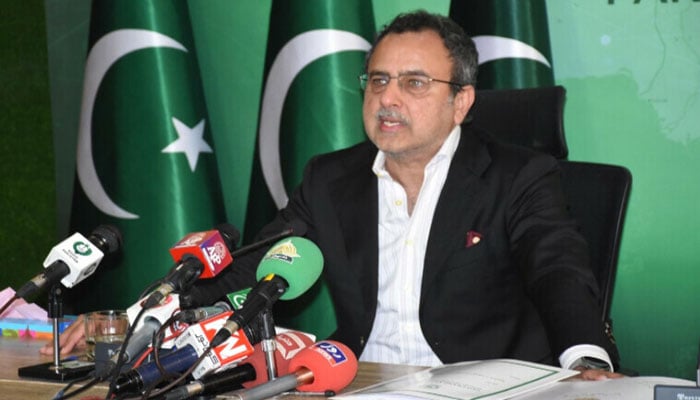
    ISLAMABAD: Federal Minister for Power Awais Leghari has said Pakistan’s solar energy capacity has reached 38,000 megawatts (MW), highlighting the country’s growing shift toward renewable energy and its commitment to reducing dependence on imported fuels. Speaking at the Battery Storage Flexibility 2026 Conference, the minister said the government aims to increase the share of clean energy in Pakistan’s electricity mix to 90% by 2035. He said expanding renewable energy and developing battery storage solutions are key to strengthening the country’s energy security and lowering the import bill for conventional fuels. Leghari said the government is promoting the development of a local battery energy storage industry, encouraging domestic engineering, system integration and battery management software. He added that the Ministry of Industries is finalizing a national policy to support local battery manufacturing. The minister announced that the government is also preparing a National Battery Energy Storage Framework, which will include safety standards, grid connection guidelines and investment regulations to support the growth of the sector. According to Leghari, clean energy now accounts for 55% of Pakistan’s total electricity generation, reflecting significant progress in the country’s transition toward sustainable energy sources. He said a National Steering Committee for Battery Energy Storage Systems has already been established, while technical and regulatory working groups have also been formed to guide policy development and implementation. Leghari further revealed that pilot battery energy storage projects have been approved for electricity distribution companies. The data collected from these projects will help shape future regulatory policies and improve the country’s energy planning. The minister said Pakistan has emerged as one of the world’s fastest-growing distributed energy markets and assured investors that the government will provide a clear, transparent and long-term regulatory framework to encourage investment.

  • | |

    PSX closes higher despite volatile trading

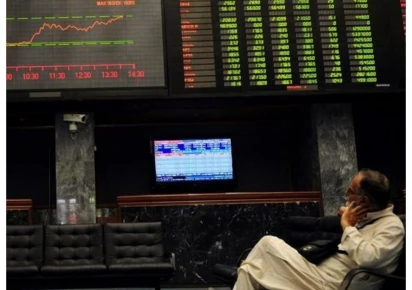
      The Pakistan Stock Exchange (PSX) witnessed a positive trading session on Tuesday, with the benchmark KSE-100 Index gaining 1,116 points to close at 177,083 points. The index remained volatile throughout the trading session and moved within a range of 1,755 points. It reached an intraday high of 178,768 points before easing from its peak as investors adjusted their positions. Trading activity remained strong, with approximately 710 million shares changing hands in 25 billion rupees worth of transactions. The high trading volume reflected continued investor participation and active buying and selling across various sectors. Despite the rise in the benchmark index, the overall market capitalisation declined by around 120 billion rupees, falling to 19,833 billion rupees by the end of the session. The market’s performance reflected a mixed trend, as investors continued to monitor economic developments and market conditions while actively repositioning their portfolios.

  • |

    Karachi flour price fixed at Rs. 130 per kilogram

    The Commissioner of Karachi has taken notice of a sharp increase in flour prices in the city. A meeting was held between the Commissioner of Karachi and the Flour Mills Association where it was agreed to ensure the supply of wheat at lower prices and without interruption. Following the meeting, flour mills reduced the ex-mill price of No. 2.5 flour by Rs. 3 per kilogram fixing it at Rs. 130 per kilogram. Flour mills across the city will sell No. 2.5 flour at an ex-mill price of Rs. 130 per kilogram from today. The price of wheat has also fallen to Rs. 121 per kilogram resulting in a reduction in flour prices. It is worth mentioning that the Flour Mills Association had previously increased flour prices arbitrarily. The price of No. 2.5 flour had been raised to Rs. 133 per kilogram while fine flour was priced at Rs. 149 per kilogram. During the past three months, the price of No. 2.5 flour increased by Rs. 24 per kilogram while the price of fine flour rose by Rs. 31 per kilogram. The price of mill-ground flour (chakki atta) has also increased by Rs. 20 to Rs. 25 per kilogram over the past three months. Wheat is currently being supplied to chakki owners at Rs. 130 per kilogram. However, if wheat prices rise further, there is a possibility that flour prices could increase again.

  • | | |

    Gold prices rise in Pakistan

      KARACHI: Gold prices climbed in Pakistan on Monday, even though international gold rates experienced a slight decline. The increase in local prices was mainly attributed to continued uncertainty surrounding the Middle East conflict, concerns over rising inflation, and investor caution ahead of key US economic data expected later this week. According to the All-Pakistan Gems and Jewellers Sarafa Association, the price of 24-karat gold increased by Rs1,700 per tola, taking it to Rs428,436. Similarly, the price of 10 grams of goldrose by Rs1,457, reaching Rs367,314. The latest increase came after a significant decline on Saturday, when gold prices had fallen by Rs3,700 per tola to settle at Rs426,736. In contrast, the international gold market remained under slight pressure. Spot gold slipped by 0.1% to $4,037.01 per ounce, while US gold futures for August delivery declined by 0.3% to $4,035.80 per ounce during trading. Despite the minor drop, analysts believe global investors remain cautious because of ongoing geopolitical tensions and expectations of fresh economic developments in the United States. Silver prices in Pakistan also moved higher. The price of silver gained Rs54 per tola, taking it to Rs6,291, reflecting continued demand for precious metals in the local market. Adnan Agar, Director at Interactive Commodities, said that international gold prices had eased slightly after fluctuating throughout the trading session. According to him, gold touched a high of $4,080 per ounce before falling to a low of$4,019, eventually stabilising near $4,038. He noted that gold remains under pressure and the market is closely monitoring upcoming US economic indicators, particularly employment data, which could influence the Federal Reserve’s future monetary policy decisions. Agar added that gold has remained within a broad trading range of approximately $3,950 to $4,250 per ounce since June. However, he expects this range to break within the next one or two weeks, potentially leading to a stronger upward or downward price movement depending on market conditions. Market participants are now awaiting a series of important US labour market reports, as these will provide further insight into the Federal Reserve’s interest rate outlook. Higher interest rates generally reduce the appeal of non-yielding assets like gold, while expectations of rate cuts tend to support bullion prices. Another factor attracting attention in the global market is reports that South Korea’s central bank intends to purchase gold from domestic producers, a move that could provide additional support to demand in the coming months. Meanwhile, oil markets have also remained highly volatile. Brent crude futures surged by more than 20% last month, driven largely by geopolitical tensions in the Middle East, raising concerns that higher energy prices could fuel inflation worldwide. Edward Meir, an analyst at Marex, said gold has traded within a narrow range of $4,000 to $4,200 per ounce for over a month. He explained that the possibility of inflation picking up again, particularly after July’s economic data, is helping support gold prices despite the recent weakness. Separately, the Pakistani rupee posted another modest gain against the US dollar. The local currency appreciated by 0.01%, closing at Rs277.77 per dollar, compared with Rs277.80 at the end of the previous trading session, reflecting continued stability in the foreign exchange market.

  • | | |

    Pakistan stock exchange slides over 1,100 points 

      KARACHI: The Pakistan Stock Exchange (PSX) experienced a volatile trading session on Tuesday as strong gains recorded in early trading quickly disappeared, with the benchmark KSE-100 Index ending the day more than 1,100 points lower. Widespread profit-taking in major sectors, combined with cautious investor sentiment influenced by global market uncertainty, weighed heavily on the market. The benchmark KSE-100 Index initially climbed to an intraday high of 178,768.83 points, reflecting optimism among investors during the opening hours. However, the momentum proved short-lived as selling pressure gradually intensified across the market. By the close of trading, the index had fallen to 177,083.22 points, registering a decline of 1,116.80 points, or 0.63%, after touching an intraday low of 177,043.10 points. Market participants attributed the sharp reversal to extensive profit-booking in several heavyweight sectors. Commercial banks, oil and gas exploration companies, cement manufacturers, investment firms, and fertiliser stocks all came under significant selling pressure, dragging the benchmark index into negative territory despite its promising start. Investor confidence also remained subdued due to mixed developments in international financial markets. Asian stock markets traded without a clear direction as investors balanced encouraging corporate earnings from the United States against continuing geopolitical tensions. At the same time, international oil prices climbed by more than two percent as uncertainty surrounding diplomatic efforts to ease tensions between the United States and Iran persisted. Concerns over potential disruptions to global oil supplies through major shipping routes also contributed to market caution. Commenting on the day’s performance, Ahmed Sheraz, an equity trader at KTrade Securities, said the KSE-100 Index remained under pressure throughout the session because the market lacked fresh positive catalysts capable of sustaining its recent upward momentum. According to him, the absence of encouraging economic or corporate developments prompted investors to lock in profits after recent gains. Sheraz noted that selling activity was widespread across key sectors, particularly banking, oil and gas, cement, investment companies, and fertilisers. He added that despite Brent crude oil trading between $84 and $86 per barrel, investors largely preferred to stay on the sidelines while waiting for stronger economic indicators and corporate earnings announcements before making new investment decisions. Looking ahead, Sheraz believes the stock market is likely to remain highly sensitive to news flow. Upcoming corporate earnings reports, macroeconomic indicators, and foreign investment activity are expected to play a decisive role in shaping market sentiment over the coming weeks. He also identified the 176,500 to 177,000-point range as an important technical support level for the benchmark index, suggesting that maintaining this level could help stabilise the market. Trading activity slowed compared with the previous session. Total market volume declined to 711.2 million shares, down from 785.3 million shares recorded on Monday. Meanwhile, the total value of traded shares stood at Rs25.8 billion. A total of 495 companiesparticipated in trading during the session. Among them, 161 stocks closed higher, 295 stocks ended in negative territory, while 39 stocks remained unchanged. Pakistan International Bulk Terminal emerged as the session’s most actively traded stock, with approximately 89.8 million shares changing hands. The company’s share price declined by Rs0.34, closing the session at Rs16.74.

  • | | | |

    Petrol down Rs3.39, diesel Rs4.07

    The federal government has announced another reduction in petroleum prices, lowering the rates of both petrol and high-speed diesel (HSD) effective August 5 under the recently introduced daily fuel pricing mechanism. According to a notification issued by the Ministry of Petroleum, the price of petrol has been reduced by Rs3.39 per litre, bringing the new rate to Rs328.56 per litre. The price of high-speed diesel has also been cut by Rs4.07 per litre, with the revised rate set at Rs385.86 per litre. The latest reduction follows a similar decrease announced a day earlier, reflecting continued adjustments under the government’s daily fuel price review system. The new pricing mechanism, introduced on July 17, determines fuel prices using a seven-day average of international oil market rates. The policy aims to align domestic petroleum prices more closely with global market trends and allow quicker adjustments in response to fluctuations in crude oil prices. Pakistan remains heavily dependent on imported crude oil and refined petroleum products, making local fuel prices highly sensitive to movements in international energy markets. Changes in global oil prices directly affect the country’s import bill, foreign exchange reserves and inflation. Energy analysts say international petroleum prices continue to be influenced by geopolitical developments, including tensions in the Middle East, decisions by OPEC+ countries, sanctions on major oil producers and disruptions in key global shipping routes. These factors can significantly impact crude oil prices and transportation costs, ultimately affecting domestic fuel prices in Pakistan.

  • |

    PSX jumps 2,100 points on global optimism

    The Pakistan Stock Exchange (PSX) witnessed a strong rally at the start of trading on Wednesday, with investors returning to the market after signs of easing geopolitical tensions in the Middle East lifted global sentiment. The benchmark KSE-100 Index climbed by more than 2,100 points during the opening session, reflecting renewed optimism among market participants. By around 9:30am, the KSE-100 Index was trading at 179,216.20 points, registering a gain of 2,132.98 points, or 1.20 percent, compared with the previous close. Market analysts attributed the sharp recovery to encouraging remarks from officials in Qatar and the United States, which strengthened expectations that diplomatic efforts could help prevent further escalation of the Iran conflict. The improved global outlook encouraged investors to increase buying in key sectors of the local market. The rally was broad-based, with significant buying interest recorded in automobile assemblers, cement manufacturers, commercial banks, fertiliser companies, oil marketing firms, power generation companies and refineries. Among the major gainers were heavyweight stocks such as Attock Refinery Limited (ARL), Mari Energies (MARI), Oil and Gas Development Company (OGDC), Pakistan Petroleum Limited (PPL), Pakistan Oilfields Limited (POL), Pakistan State Oil (PSO), Habib Bank Limited (HBL), MCB Bank, Meezan Bank (MEBL) and United Bank Limited (UBL), all of which traded in positive territory during the early session. Investor confidence also received support from reports that Pakistan has approached China to refinance a $1.3 billion commercial loan. According to reports, the financing is expected to be finalised later this month after both sides complete negotiations on the terms and conditions. Market participants believe the move could help strengthen Pakistan’s external financing position and provide support to the country’s foreign exchange reserves. The strong opening followed a volatile trading session on Tuesday, when the stock market closed significantly lower after investors engaged in widespread profit-taking. Although the KSE-100 Index had reached an intraday high of 178,768.83 points, selling pressure emerged later in the session as traders locked in gains following Monday’s impressive rally. Global financial markets also contributed to the positive sentiment. Asian equities advanced sharply after strong corporate earnings in the United States and continued enthusiasm for technology stocks pushed Wall Street to fresh record highs. Investors were further encouraged by hopes that diplomatic efforts would help keep the Strait of Hormuz open, easing concerns over disruptions to global energy supplies and putting downward pressure on oil prices and bond yields. Japan’s Nikkei index surged around 3 percent, while South Korea’s benchmark gained more than 4 percent. The broader MSCI Asia-Pacific Index outside Japan also posted strong gains, with Chinese blue-chip shares moving higher as investors welcomed improving market sentiment across the region. In the United States, stock futures remained stable after the S&P 500 reached another record high. However, trading in some technology stocks remained mixed. Chipmaker AMD declined in after-hours trading despite reporting earnings that exceeded analysts’ estimates, as investors had anticipated even stronger results. Concerns also persisted over the heavy capital spending required to support artificial intelligence infrastructure, with rising borrowing costs continuing to weigh on parts of the technology sector.

  • |

    Pakistan, US move closer to finalising reciprocal trade framework

    Pakistan and the United States have reaffirmed their commitment to finalising a reciprocal trade framework at the earliest, signalling significant progress in negotiations aimed at strengthening bilateral trade, investment, and long-term economic cooperation. The renewed commitment was expressed during a virtual meeting held on Wednesday between Pakistan’s Finance Minister Muhammad Aurangzeb and United States Trade Representative (USTR) Ambassador Jamieson Greer. The two sides reviewed the progress made by their negotiating teams and discussed the remaining steps required to conclude the proposed agreement. According to an official statement, both countries acknowledged that negotiations have advanced substantially in recent months and reiterated their shared determination to complete the reciprocal trade framework as soon as possible. During the meeting, Finance Minister Muhammad Aurangzeb referred to the recent discussions held in Washington, D.C., and appreciated the constructive approach adopted by both negotiating teams. He said the steady progress reflects the mutual commitment of Pakistan and the United States to deepen economic ties and expand commercial cooperation. The finance minister stressed that maintaining the current momentum in negotiations is crucial for Pakistan’s broader economic agenda. He noted that a stronger trade and investment partnership with the United States would support Pakistan’s export-led growth strategy, improve economic resilience, attract foreign investment, and create new business opportunities for companies in both countries. Aurangzeb also highlighted the importance of continued collaboration with the US Export-Import Bank (EXIM Bank), saying enhanced financial cooperation could facilitate trade, encourage investment, and strengthen business-to-business engagement between the two countries. On the US side, Ambassador Jamieson Greer acknowledged Pakistan’s consistent engagement throughout the negotiation process and appreciated the progress achieved on key labour and regulatory reforms. He particularly welcomed Pakistan’s efforts to strengthen compliance with international labour standards, including measures related to preventing forced labour. The US trade representative reaffirmed Washington’s commitment to advancing bilateral trade discussions and expressed confidence that the remaining issues could be resolved through continued technical-level consultations between the two sides. Finance Minister Aurangzeb emphasised the need for close coordination between officials from both countries and called for accelerated technical discussions to build on the progress already achieved. He said timely completion of the agreement would open new avenues for economic cooperation and strengthen long-term bilateral relations. Both delegations expressed satisfaction over the pace of negotiations and agreed to continue regular engagement to finalise the outstanding elements of the reciprocal trade framework. The officials reaffirmed their shared objective of concluding the agreement in the near future, paving the way for stronger trade, investment, and economic collaboration between Pakistan and the United States.

  • |

    Pakistan seeks $1.3 billion Chinese loan refinancing to strengthen forex reserves

    Pakistan has formally approached China to refinance a $1.3 billion commercial loan, as the government continues efforts to strengthen the country’s foreign exchange reserves and meet its external financing obligations. According to officials familiar with the matter, negotiations between Pakistani and Chinese authorities are currently in progress to finalise the terms and conditions of the refinancing arrangement. Once the discussions are completed, the funds are expected to be disbursed later this month. The anticipated inflow is expected to provide much-needed support to Pakistan’s foreign exchange reserves, which remain under pressure due to significant external debt repayments and ongoing financing requirements. The refinancing would also help ease short-term liquidity pressures while supporting the country’s broader macroeconomic stability. Sources revealed that Pakistan repaid approximately $2.2 billion in external debt during July, including the settlement of the $1.3 billion Chinese commercial loan. The government’s request for refinancing is aimed at replacing the repaid amount, ensuring that reserve levels remain stable without placing additional strain on the country’s external account. The move comes as Islamabad continues to pursue a strategy of securing rollover agreements and refinancing facilities from friendly countries and international partners to meet its debt servicing commitments. Maintaining adequate foreign exchange reserves has remained a key priority for economic managers as Pakistan seeks to strengthen investor confidence and sustain financial stability. Economic experts believe that successful refinancing of the Chinese loan would provide temporary relief to the country’s external financing position while allowing policymakers greater flexibility in managing upcoming debt obligations. Officials said talks with Chinese financial institutions are progressing positively, although the final timeline will depend on the completion of documentation and agreement on financing terms. The refinancing request also reflects Pakistan’s ongoing efforts to manage its external debt profile prudently amid global economic uncertainties and higher financing costs in international markets.

  • |

    Khairpur Lithium discovery boosts industry plans

    Pakistan has taken a significant step towards developing its first indigenous lithium industry after the discovery of high-quality lithium reserves in Sindh’s Khairpur districtPakistan has taken a significant step towards developing its first indigenous lithium industry after the discovery of high-quality lithium reserves in Sindh’s Khairpur district, opening new opportunities for the country’s mineral and industrial sectors. In a major development, the Oil and Gas Development Company Limited (OGDCL) has entered into a strategic agreement with the Pakistan Institute of Nuclear Science and Technology (PINSTECH) to jointly develop technology for the commercial-scale extraction of lithium from geothermal brine. The collaboration follows the successful identification of high-grade lithium in samples collected from a well located in Khairpur. The discovery is being viewed as a breakthrough that could reduce Pakistan’s dependence on imported lithium while creating new investment and industrial opportunities. Under the agreement, OGDCL and PINSTECH will work together to design and develop advanced extraction technologies capable of recovering lithium efficiently from geothermal brine. The initiative is expected to pave the way for the establishment of a domestic lithium processing industry, supporting the growing global demand for the critical mineral. Lithium is considered one of the world’s most valuable strategic minerals due to its extensive use in rechargeable batteries for electric vehicles, mobile phones, laptops, renewable energy storage systems, and other advanced technologies. As global demand continues to rise, countries with commercially viable lithium resources are increasingly focusing on developing local production capabilities. Officials believe the partnership will strengthen Pakistan’s mineral exploration efforts, promote scientific research, and encourage technology-driven industrial development. The project is also expected to contribute to economic growth by attracting investment, generating employment opportunities, and enhancing the country’s position in the global critical minerals market.