فیچرڈ

  • | |

    Waqar Zaka clinches global trading crown, wins top…

    LAHORE: Pakistani technology entrepreneur and cryptocurrency advocate Waqar Zaka has won the international WEEX TradFi Masters trading championship, outperforming more than 3,000 participants from across the globe in a solo multi-asset trading competition. The tournament challenged traders to compete independently using their own capital, without team support or referral incentives. Participants traded across stocks, commodities, precious metals and cryptocurrencies on a single platform, with performance measured on profitability and risk management. Zaka emerged as the overall winner after posting a 74 per cent return in just 20 days. Starting with an account of $100,000, he generated a profit of $74,000, increasing his portfolio value to $174,000. His performance placed him ahead of competitors from South Korea and China, who finished second and third with returns of 57 per cent and 35 per cent, respectively. As the champion, Zaka was awarded a brand-new 2026 Mercedes-Benz G-Wagon during a ceremony in Dubai. The organisers also acknowledged his achievement on their official social media platforms. The victory marks a significant milestone, making Zaka the first Pakistani trader to secure the top position in an international competition of this scale focused on both traditional financial markets and digital assets. His latest success also represents a remarkable improvement from the previous edition, where he finished among the top ten competitors. Organisers described the championship as a rigorous test of strategy, adaptability and disciplined decision-making in rapidly changing financial markets. The event reflects the growing popularity of competitive trading, where participants are increasingly recognised for their analytical skills and market expertise. Zaka has been a prominent advocate of cryptocurrency and blockchain technology in Pakistan for several years. He has consistently promoted wider adoption of digital assets and has previously urged policymakers to consider establishing a national Bitcoin reserve as part of the country’s long-term financial strategy. His latest international triumph has once again drawn attention to Pakistan’s growing presence in global financial and digital trading markets, highlighting the increasing integration of traditional finance with the cryptocurrency sector.

  • | |

    PMDC approves seat increase for 19 Private College…

    Islamabad: A major debate has erupted over medical college seat expansion in Pakistan after the Pakistan Medical and Dental Council (PMDC) announced new seat enhancements for private medical colleges, while hundreds of existing private sector seats remain vacant due to the high cost of medical education. During a meeting of the Sub Committee of the Senate Standing Committee on National Health Services, Regulations and Coordination, the PMDC President informed lawmakers that seat enhancement approval has so far been granted to 19 private medical colleges. However, the exact number of additional seats approved for these 19 private medical colleges has not yet been disclosed. The announcement came as the committee was already discussing the serious shortage of affordable medical education opportunities for students who want to become doctors. PMDC officials also informed the committee that the government has increased public sector medical college seats by 780 additional seats, creating more opportunities for students seeking admission in public institutions. The committee was told that the increase in seats was part of efforts to expand medical education opportunities and address the growing student demand. At the same time, officials highlighted a major contradiction in the current system. While authorities are increasing the number of medical seats, hundreds of private medical college seats remain empty because many students cannot afford the fees. PMDC officials also informed the committee that hundreds of private medical college seats remained vacant this year because many students were unable to afford the high fee structure of private institutions. They stated the main reason was the high fee structure of private medical colleges, where many students could not afford fees ranging from Rs18 lakh to Rs25 lakh annually. Senator Anusha Rahman questioned why qualified students were unable to enter medical colleges when seats were available. She asked officials whether any seats in public medical colleges were vacant. PMDC officials replied that public medical college seats were completely filled. The senator questioned the situation, saying that thousands of students who had successfully passed MDCAT were still unable to become doctors because of limited seats and financial problems. She pointed out that around 70,000 to 75,000 students who cleared the admission test were left without medical college opportunities. The committee questioned whether enough steps were being taken to protect these students’ futures. During the discussion, Officials suggested a large scale expansion plan and proposed adding 10,000 more medical seats in the Medical sector through government supported loans and scholarship programmes. Senator Shahzaib Durrani said such an initiative could help thousands of students and would require around Rs15 billion annually, which he described as a manageable amount for the government. The committee also discussed whether increasing seats could affect the quality of medical education. PMDC officials explained that medical education requires proper clinical training facilities, including hospitals and patient exposure. Officials said there are specific requirements for increasing medical seats because colleges must have enough hospital beds for students. According to PMDC standards, colleges with 100 students require around 500 hospital beds, while institutions with 200 students need around 750 beds and colleges with 300 students require around 1,000 beds. A PMDC member said medical education cannot be expanded without improving clinical facilities because doctors need practical training, not only classroom education. However, Senator Anusha Rahman argued that increasing seats could encourage institutions to expand their healthcare facilities. She said medical graduates are also a national resource and many Pakistani doctors contribute internationally. The senator directed PMDC to prepare recommendations explaining why private medical college seats remained vacant and what should be done for thousands of qualified students who are unable to secure admission.

  • | |

    Pakistan faces population planning crisis, Senate …

    Islamabad: Pakistan’s population planning system has come under serious criticism after a Senate committee expressed concern over the absence of updated population data, warning that outdated information could damage government planning and decision making. The Senate Standing Committee on Planning, Development and Special Initiatives questioned why the country’s latest population and health information was still based on the Pakistan Demographic and Health Survey conducted in 2017 and 2018, despite the survey being planned every five years. The committee said that without fresh population data, it becomes difficult for the government to properly plan healthcare services, allocate resources and create policies according to people’s needs. The issue was discussed during a meeting chaired by Senator Quratulain Marri at Parliament House, Islamabad, where the committee reviewed the implementation of the National Action Plan on Population 2021 to 2026. Officials from the Ministry of National Health Services informed the committee that the population action plan was approved in May 2021 with a total cost of Rs1,996.683 million. The project covers areas including Azad Jammu and Kashmir, Gilgit Baltistan, and the Islamabad Capital Territory. The committee was informed that a major portion of the project budget, around Rs1,679.6 million, has been allocated for purchasing contraceptives. Officials said these contraceptives are being imported for population welfare programmes. For the financial year 2026 and 2027, Rs250 million has been allocated mainly for awareness campaigns and procurement of contraceptives. However, the committee questioned the effectiveness of these efforts and demanded complete details on resource allocation and the number of beneficiaries. Senator Quratulain Marri expressed concern that the Ministry’s briefing did not fully answer the questions raised by the committee. She directed the ministry to provide a detailed presentation in the next meeting covering the purchase, distribution, usage and challenges related to contraceptives. The chairperson said that population planning decisions must be based on accurate and updated information. She questioned why the Pakistan Bureau of Statistics had not completed the population and health survey within the expected timeframe. Officials informed the committee that the Pakistan Bureau of Statistics is currently conducting the next survey to update population and health indicators for the period up to 2025 and 2026. The committee said delays in collecting population data create serious problems because the government cannot accurately estimate the needs of hospitals, schools, employment opportunities and public services. Members stressed that a growing population requires proper planning to ensure that citizens receive enough healthcare, education and basic facilities. The committee reviewed the National Action Plan on Population as part of wider discussions about Pakistan’s future development challenges. Lawmakers said population growth is directly connected with economic pressure, healthcare demand and availability of public resources. The committee directed officials to improve monitoring and provide clearer information about the progress of population related programmes. Senator Quratulain Marri emphasized that government projects must deliver real results and that public money should be used effectively. The committee decided to continue reviewing the population action plan in future meetings and seek further details from relevant departments.

  • | |

    Water level rises in the Chenab river, flooding se…

      The Irrigation Department has reported a significant increase in the water flow of the Chenab River, raising concerns about flooding in nearby riverine areas. According to officials, the rising water level has already affected several low-lying settlements, forcing floodwater into residential and agricultural areas and creating difficulties for local communities. The department stated that the increase in the river’s discharge has caused water to spread into nearby villages located along the banks of the Chenab River. As a result, a protective embankment known as the Zamindara Bund in Jalalpur Pirwala Tehsil has been breached. The collapse of the embankment has allowed floodwater to move more rapidly into surrounding areas, increasing the risk to people, homes, livestock, and crops. According to the Irrigation Department, at least five villages have been submerged due to the rising floodwaters. Among the affected settlements are Basti Khuda Bakhsh, Basti Allah Rakha, and Basti Bakhsha, along with two other nearby villages. Residents in these areas are facing severe challenges as water continues to enter homes, farmland, and local roads. Many families are concerned about the safety of their property and the possibility of further flooding if water levels continue to rise. Officials have also reported that water levels have increased in the surroundings of Head Muhammad Wala Road and near Qasim Bela. These areas are being closely monitored as authorities assess the situation and evaluate the potential for additional flooding. The rise in water has affected transportation routes, making travel difficult for residents and increasing the need for precautionary measures. The Irrigation Department is keeping a close watch on the river’s flow and is expected to continue monitoring the situation in coordination with local administration and disaster management authorities. Residents living in vulnerable riverine areas have been advised to remain alert and follow official instructions. If water levels continue to increase, further evacuations and emergency measures may become necessary to ensure public safety. Flooding in the Chenab River region is a recurring challenge during the monsoon season, particularly when heavy rainfall upstream leads to a sudden increase in river discharge. Breaches in protective embankments can significantly worsen the situation by allowing water to spread rapidly into populated areas. Such incidents often result in damage to homes, agricultural land, and infrastructure, while also disrupting daily life and economic activities. Local authorities are expected to assess the extent of the damage once water levels stabilize. Relief efforts may include providing temporary shelter, food, clean drinking water, and medical assistance to affected families. The government and emergency response agencies are likely to continue monitoring weather conditions and river flows to reduce further risks. The situation remains under observation, and officials have urged residents in flood-prone areas to stay informed through official updates and cooperate with emergency responders. Authorities are working to minimize the impact of the flooding and ensure the safety of communities living along the Chenab River.

  • | |

    Homenet Pakistan urges protection of democratic ma…

      Lahore, July 2026: HomeNet Pakistan, in partnership with AwazCDS/PDA, organized a high-level policy dialogue with Members of the Provincial Assembly (MPAs), including members of the Standing Committee on Local Government, to discuss legislative reforms aimed at promoting a stronger, more inclusive, and constitutionally compliant local government system in Punjab. The dialogue brought together parliamentarians, civil society representatives, and governance experts to exchange views on the future of local governance and explore ways to strengthen democratic institutions at the grassroots level. The session focused on ensuring political continuity, enhancing public participation, and improving the effectiveness of elected local governments.   Opening the event, Mr. Zia ur Rehman, Chief Executive of AwazCDS-Pakistan, highlighted the constitutional importance of Article 140A, which requires the devolution of political, administrative, and financial authority to elected local governments. He stressed that an effective local government system is essential for democratic governance and improved public service delivery. He urged the Punjab Assembly to introduce legal and institutional reforms that would safeguard democratic continuity, ensure the timely conduct of local government elections, and strengthen the autonomy of elected local bodies.   During the session, Ms. Ume Laila Azhar, Executive Director of HomeNet Pakistan, presented a set of policy recommendations designed to reinforce democratic governance at the local level. She emphasized the need for a stable and party-based electoral framework for local governments, noting that frequent legislative changes have weakened institutional continuity. She referred to the replacement of the Punjab Local Government Act 2022 with the Punjab Local Government Act 2025 as an example of policy shifts that have contributed to delays in restoring elected local governments across the province. She called for legal safeguards to prevent repeated delimitations and unnecessary postponements of local government elections. HomeNet Pakistan also recommended a transparent and representative mechanism for filling reserved seats allocated to women, youth, minorities, workers, persons with disabilities, and other marginalized groups. According to the organization, such measures would promote broader democratic participation and ensure that local governments better reflect the diversity of society.   In addition, the organization emphasized the importance of returning key municipal responsibilities—including water supply, sanitation, solid waste management, and local infrastructure development—to elected local governments. It proposed that provincial and district administrations should primarily provide technical guidance and institutional support rather than directly managing these essential services. The dialogue was attended by Ms. Sumbal Malik Hussain, Ms. Fizzah Maimona Rao, Ms. Somia Atta, Ms. Rukhsana Kausar, Ms. Farzana Abbas, Ms. Nasreen Riaz, and Ms. Attia Hanif, alongside representatives from civil society organizations and governance experts. Responding to the recommendations, the participating MPAs appreciated the constructive engagement and acknowledged the importance of strengthening democratic local governance. They reaffirmed the Punjab Government’s commitment to transparency, institutional reforms, and democratic accountability, expressing confidence that these principles would continue to guide the ongoing local government reform process. The parliamentarians informed participants that the delimitation process had made substantial progress, with geographical boundaries largely finalized. They stated that the remaining objections were expected to be addressed by the end of July 2026. Following the completion of the statutory process, they expressed optimism that the election schedule would be announced, paving the way for timely local government elections. The MPAs also committed to sharing the recommendations emerging from the dialogue with the Honorable Speaker of the Punjab Assembly and pledged to advocate for legislative reforms that promote constitutional compliance, political continuity, and an empowered local government system capable of responding effectively to citizens’ needs. Concluding the event, HomeNet Pakistan reaffirmed its commitment to working closely with parliamentarians, government institutions, and civil society partners to advance democratic governance, strengthen inclusive representation, and support the timely restoration of empowered elected local governments across Punjab.

  • | |

    Committee formed to investigate HIV Cases at Landh…

      The authorities have established an inquiry committee to investigate the recent HIV cases reported at the Social Security Hospital in Landhi, Karachi. The decision comes after concerns were raised following the confirmation of 10 HIV cases at the hospital, prompting officials to initiate a detailed investigation into the matter. According to an official notification, a five-member inquiry committee has been constituted under the leadership of Chief Medical Officer Dr. Naila Zaheer. The committee has been assigned the responsibility of conducting a comprehensive investigation into the reported HIV cases and identifying any possible shortcomings in hospital practices that may have contributed to the situation. As part of its mandate, the committee will verify the total number of HIV cases reported at the hospital. It will also confirm the identities of the affected patients and examine laboratory reports to ensure the accuracy of the diagnoses. This verification process is considered essential to establish the exact scope of the issue before any conclusions are drawn. The inquiry will also focus on identifying the possible sources of HIV transmission. Investigators will carefully review medical procedures carried out at the hospital, particularly the use of injections and disposable syringes. The committee will examine whether proper infection prevention and control protocols were followed and whether single-use syringes and other disposable medical equipment were used appropriately. Any evidence of negligence or unsafe medical practices will be documented as part of the investigation. In addition, the committee has been directed to investigate the procurement, availability, and utilization of medicines and disposable medical supplies within the hospital. This includes reviewing purchasing procedures, stock management, and the distribution of medical equipment to determine whether any irregularities or shortages may have affected patient safety. The notification further states that the committee will compile complete records of the affected children and their parents. This data collection aims to provide a clearer understanding of the circumstances surrounding each reported case and assist in determining whether there are any common factors linking the infections. The information gathered will also help health authorities provide appropriate medical care and follow-up support to the affected families. Another important responsibility assigned to the committee is identifying any individuals or departments found responsible for lapses in hospital procedures, if such lapses are confirmed during the inquiry. The final report will include recommendations aimed at improving hospital management, strengthening infection control measures, enhancing patient safety, and preventing similar incidents in the future. The formation of the inquiry committee reflects the authorities’ effort to thoroughly investigate the reported HIV cases and ensure transparency in the process. Health officials are expected to review the committee’s findings once the investigation is completed and take tappropriate action based on its recommendations. It is worth noting that 10 HIV cases have been reported at the Social Security Hospital in Landhi, leading to growing public concern and the launch of this formal investigation. The outcome of the inquiry will play an important role in determining the cause of the reported infections and in reinforcing public confidence in healthcare services by ensuring accountability and improved safety standards.

  • | |

    Justice Shahid Karim’s retirement to leave 21 va…

      A spokesperson has confirmed that Justice Shahid Karim is currently ranked sixth on the seniority list of judges serving at the Lahore High Court. His position on the seniority roster reflects his extensive judicial experience and years of service within Pakistan’s higher judiciary. According to the spokesperson, Justice Shahid Karim has been hearing cases related to smog prevention and environmental pollution for the past several years. During this period, he has presided over numerous hearings concerning environmental protection, air quality, and measures aimed at reducing the harmful effects of smog, particularly in Punjab. His courtroom has become a focal point for addressing environmental issues that have increasingly affected public health and the quality of life in the province. Justice Karim has been widely recognized for taking an active interest in environmental matters. Under his supervision, various government departments have been directed to implement policies and practical measures to tackle air pollution and improve environmental standards. His hearings have often involved officials from environmental agencies, local governments, industries, and other stakeholders responsible for ensuring compliance with environmental regulations. The issue of smog has become one of the most pressing environmental challenges in Pakistan, especially during the winter months, when air quality deteriorates significantly due to industrial emissions, vehicle exhaust, crop residue burning, and unfavorable weather conditions. Through his judicial oversight, Justice Shahid Karim has consistently emphasized the need for coordinated action among government institutions to protect public health and reduce environmental degradation. The spokesperson further stated that Justice Shahid Karim’s retirement will create another vacancy in the Lahore High Court. Following his retirement, the total number of vacant judicial positions at the court will rise to 21. This increase in vacancies is expected to place additional pressure on the existing judges, who already manage a heavy workload involving thousands of pending civil, criminal, constitutional, and administrative cases. Judicial vacancies are a matter of concern because they can contribute to delays in the disposal of cases and increase the burden on the remaining members of the bench. Legal experts have frequently stressed the importance of filling vacant judicial positions promptly to ensure timely access to justice and maintain the efficient functioning of the court system. The retirement of a senior judge such as Justice Shahid Karim is also significant because of the experience and expertise he brings to the judiciary. Over the years, he has handled a wide range of important legal matters, but his role in environmental litigation has particularly distinguished his judicial career. His decisions and observations have highlighted the importance of environmental conservation, sustainable development, and government accountability in addressing pollution-related challenges. With his departure from the bench, authorities are expected to initiate the process of appointing new judges to fill the growing number of vacancies in the Lahore High Court. These appointments will be important in ensuring that the court continues to function effectively and that the backlog of pending cases does not increase further. Justice Shahid Karim’s retirement marks the end of an important chapter in the Lahore High Court’s judicial history. His contributions, particularly in the field of environmental justice and smog control, have had a lasting impact on legal and policy discussions surrounding environmental protection in Pakistan. As the Lahore High Court prepares for this transition, the appointment of qualified judges will be essential to maintaining the efficiency, credibility, and effectiveness of the judicial system.

  • | |

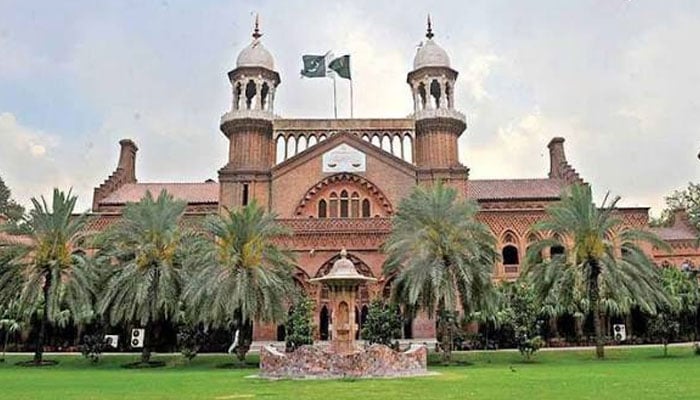
    Lahore High Court sets aside lower courts

      The Lahore High Court has overturned the decisions of two lower courts that had directed the National Database and Registration Authority (NADRA) to issue Computerized National Identity Cards (CNICs) to two individuals despite questions regarding their citizenship. The ruling reinforces that disputes involving suspected citizenship fall within the jurisdiction of NADRA’s verification mechanism rather than civil courts. Justice Mohsin Akhtar Kayani issued a detailed written judgment after allowing NADRA’s appeals against the decisions of the lower courts. In the judgment, the court clarified that civil courts do not have the legal authority to decide cases involving disputed or questionable citizenship. Instead, such matters must be addressed through the procedures established under the relevant laws governing nationality verification. According to the written decision, individuals whose identity cards have been blocked or whose citizenship status has been questioned must approach the NADRA Verification Board within 30 days. The High Court further directed the Verification Board to examine each case and issue a decision in accordance with the law within 60 days of receiving the application. The judgment explains that NADRA had challenged the rulings issued by the Senior Civil Judge in Sialkot and the Sessions Judge, who had ordered the authority to issue national identity cards to two citizens despite concerns regarding the authenticity of their Pakistani citizenship. The High Court concluded that these lower courts exceeded their legal jurisdiction by issuing such directives. Justice Kayani emphasized in the written ruling that obtaining a national identity card is a fundamental right of every eligible Pakistani citizen. However, the court also stressed that this right must be exercised in accordance with the law and only after citizenship has been properly verified through the legally prescribed process.   The respondents maintained before the court that they were Pakistani citizens by birth and therefore entitled to receive national identity cards. They argued that NADRA had incorrectly classified them as foreign nationals and subsequently blocked their CNICs, depriving them of an essential legal document required for everyday civic and economic activities. NADRA, on the other hand, presented documentary evidence supporting its decision to classify the individuals as non-citizens pending verification. According to the High Court’s judgment, the authority’s documentary evidence was found to be reliable and credible. The court observed that the respondents failed to produce sufficient evidence to establish their claim of Pakistani citizenship. The judgment further states that the lower courts overlooked significant documentary evidence and failed to apply the relevant legal principles before directing NADRA to issue the identity cards. As a result, the High Court held that these legal errors warranted judicial intervention. Justice Kayani noted that the High Court has the constitutional authority to correct legal mistakes committed by subordinate courts. Exercising this authority, the court declared both lower court decisions null and void, thereby allowing NADRA’s appeals. The ruling establishes an important legal precedent regarding the resolution of citizenship disputes in Pakistan. It clarifies that while access to a national identity card is a fundamental right, questions relating to citizenship must first be determined through NADRA’s statutory verification process rather than through civil litigation. The decision also seeks to ensure consistency in handling citizenship-related cases by directing affected individuals to the NADRA Verification Board and requiring the board to decide such matters within a specified timeframe. This approach aims to balance the protection of citizens’ rights with the need to maintain the integrity and accuracy of Pakistan’s national identity registration system.

  • | |

    AJK poll drama: PML-N, PPP neck-and-neck

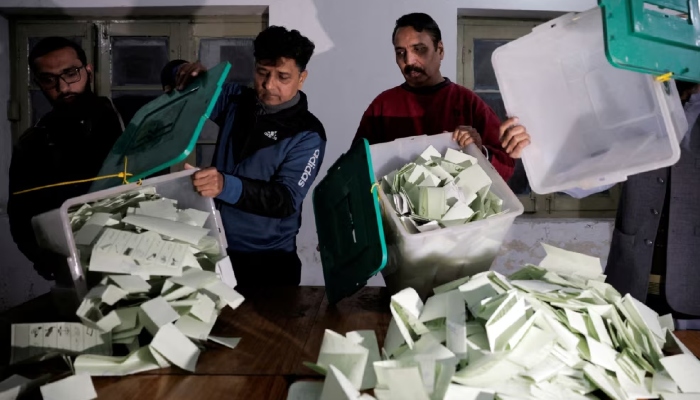
    The process of announcing unofficial and unofficially unverified results has begun following polling in 13 constituencies of the Azad Jammu and Kashmir (AJK) Legislative Assembly. According to the initial results, a close contest is underway between the Pakistan Muslim League-Nawaz (PML-N) and the Pakistan Peoples Party (PPP) across several constituencies. Polling was held on Monday in 13 constituencies across Mirpur, Kotli and Bhimber. Voting officially ended at 5pm, while an additional hour was provided for voters already present at polling stations. Counting subsequently began, with initial unofficial results now being received. In LA-1 Mirpur-1, unofficial results from 107 of 139 polling stations show PML-N candidate Azhar Sadiq leading with 12,303 votes. PPP’s Muhammad Afsar Shahid is second with 7,278 votes. In LA-2 Mirpur-2, results from 49 of 149 polling stations show PPP’s Qasim Majeed ahead with 3,663 votes, while PML-N’s Azim Bakhsh Chaudhry has secured 3,570 votes. In LA-3 Mirpur-3, unofficial results from 131 of 161 polling stations put PPP candidate Chaudhry Yasir Sultan in the lead with 9,361 votes. PML-N’s Chaudhry Muhammad Saeed is close behind with 9,100 votes. In LA-4 Mirpur-4, results from 16 of 162 polling stations show PML-N’s Chaudhry Rukhsar Ahmed leading with 2,021 votes. PPP candidate Chaudhry Sohaib Arshad has received 1,288 votes. In LA-5 Bhimber-1, PML-N candidate Waqar Ahmed Noor is leading with 21,573 votes based on results from 115 of 176 polling stations. PPP’s Chaudhry Pervez Ashraf is second with 18,406 votes. In LA-6 Bhimber-2, PML-N’s Chaudhry Muhammad Razzaq has taken the lead with 21,210 votes from 100 of 195 polling stations. Ali Shan Chaudhry of the Istehkam-e-Pakistan Party is in second place with 11,354 votes. In LA-7 Bhimber-3, unofficial results from 51 of 237 polling stations show PML-N candidate Chaudhry Tariq Farooq leading with 9,178 votes. Independent candidate Chaudhry Anwar-ul-Haq has secured 5,064 votes. In LA-8 Kotli-1, PPP’s Zafar Iqbal Malik is narrowly leading with 1,221 votes based on results from 10 of 155 polling stations. PML-N’s Malik Muhammad Nawaz Khan has 1,174 votes. In LA-9 Kotli-2, PML-N candidate Umair Naeem has established a lead with 23,568 votes from 119 of 178 polling stations. PPP’s Javed Iqbal Budhanvi is second with 15,382 votes. In LA-10 Kotli-3, PPP’s Chaudhry Muhammad Yasin is leading with 6,999 votes based on results from 36 of 169 polling stations. PML-N candidate Fateh Mahmood-ul-Hassan has 3,560 votes. In LA-11 Kotli-4, initial results from just two of 206 polling stations show PPP’s Chaudhry Muhammad Akhlaq ahead with 254 votes. PML-N’s Muhammad Asif has received 148 votes. In LA-12 Kotli-5, PPP candidate Chaudhry Muhammad Yasin is leading with 2,613 votes from 40 of 207 polling stations. PML-N’s Muhammad Riasat Khan is second with 1,255 votes. In LA-13 Kotli-6, unofficial results from 110 of 193 polling stations show PML-N’s Raja Ayaz Ahmed Khan leading with 13,063 votes. PPP candidate Muhammad Waleed Inqalabi is second with 8,995 votes. The results remain unofficial and incomplete, with counting still underway in several constituencies. The final outcome will be determined after the completion of counting and the official announcement by the relevant election authorities.

  • | |

    Sindh Chief Minister reviews Karachi water reform …

      Sindh Chief Minister Syed Murad Ali Shah met with World Bank Country Director Bolormaa Amgaabazar during a high-level meeting held to review the progress of Karachi’s water reform projects. The meeting focused on accelerating initiatives aimed at improving the city’s water supply and wastewater management systems. It was attended by the Sindh Minister for Local Government, Karachi Mayor Murtaza Wahab, the Chief Secretary, the Principal Secretary, and other senior government officials. During the meeting, Chief Minister Murad Ali Shah and the World Bank Country Director assessed the overall progress of the Karachi Water and Sewerage Services Improvement Project (KWSSIP). Both sides agreed on a fast-track roadmap to improve Karachi’s water supply and drainage infrastructure. The Chief Minister directed all relevant departments to ensure the timely completion of ongoing KWSSIP projects and to accelerate progress on the K-IV water supply project, which is considered one of the city’s most important infrastructure initiatives. Officials informed the meeting that Sui Southern Gas Company handed over the project site on June 22, 2026. Preparations are currently underway for a joint technical inspection of the 96-inch diameter water pipeline. In addition, rehabilitation work on the NIPA Bridge and other related technical activities is progressing according to schedule, with completion targeted for August 20. The briefing also highlighted that the procurement process for the K-IV expansion project has entered its final phase. The World Bank has already issued its No Objection Certificate (NOC), clearing the way for the next stage of implementation. Authorities stated that the official tender for the K-IV project will be advertised shortly. Before large-scale installation begins, a pilot program will be launched to evaluate technical performance and operational efficiency. The meeting included a detailed review of the appointment of consultants and the technical studies required for the project’s successful implementation. Officials emphasized that these studies are essential to ensure that the infrastructure meets international standards and addresses Karachi’s long-term water management challenges. Karachi Mayor Murtaza Wahab informed the participants that chlorination stations have been relocated to their designated sites and are currently undergoing commissioning. Water quality testing is expected to begin on July 30, marking another significant milestone in the project. He also reported that compensation has been paid to 186 out of the 203 individuals affected by the development works, demonstrating continued progress in addressing social and resettlement obligations. Chief Minister Murad Ali Shah instructed the Karachi Water and Sewerage Corporation (KWSC) to complete the commissioning and testing process without delay. He reiterated that providing safe and clean drinking water to the people of Sindh remains one of the provincial government’s highest priorities. The Chief Minister further directed all concerned institutions to strengthen coordination and communication to avoid unnecessary delays. He stressed that modern water utility organizations operate through effective data management, metering systems, and advanced technology, adding that Karachi requires a modern and efficient water management system capable of meeting the demands of its growing population. Speaking at the meeting, World Bank Country Director Bolormaa Amgaabazar reaffirmed the World Bank’s continued commitment to supporting Karachi in achieving sustainable water supply and wastewater management. She emphasized that institutional reforms, good governance, social safeguards, and timely implementation are essential for the long-term success of the projects. She also expressed confidence that continued cooperation between the Sindh government and the World Bank would help improve essential public services and enhance the quality of life for Karachi’s residents.