تازہ ترین

  • |

    How K-pop stars turned concert stages into runways for luxury fashion

    Fashion and music have always crossed paths, but K-pop has taken that relationship to a whole new level. Red carpets and front-row seats used to be where haute couture made its mark, but now concert stages are doing the same job. Every costume change is planned down to the last detail, every embellishment is built to catch the light, and every custom outfit says something about who the artist is. BTS’s ongoing ‘ARIRANG’ tour and ‘BLACKPINK’s’ solo shows have both proven that concert fashion is officially having its moment. What is more, luxury houses are not just dressing these artists anymore, they are designing with them, turning performance costumes into genuine collector’s pieces. For brands, a sold-out world tour means access to a massive, engaged audience eager to study every seam and fabric choice, a crowd that’s often broader than the one watching from the front row at a runway show. K-pop concert looks now blend ready-to-wear, couture and performance-first design, and they have to survive far more than just a photo op. Outfits need to hold up through intense choreography while still fitting the artist’s public image and giving fans something to freeze-frame in fan edits. Stylists are increasingly pulling from designer archives or commissioning fully custom pieces to keep things exclusive. BTS’s Paris tour stop was a masterclass in this. V leaned into Celine’s Parisian tailoring, J-Hope brought youthful energy to Louis Vuitton’s classic menswear, and Jimin wore four custom Dior looks spanning fringed knitwear to Napoleon-inspired jackets. Jin and RM turned to Gucci for leather-and-crystal ensembles, Suga went with a beaded Givenchy suit, and Jungkook wore custom Balenciaga pieces pulled from the label’s latest collections. BLACKPINK’s members have been just as bold. Lisa’s Swarovski-crystal catsuit from her Chicago show later ended up on display at Swarovski’s own crystal museum in Austria. Jennie leaned into archival fashion, wearing vintage Chanel pieces from the Karl Lagerfeld years, while Jisoo and Rosé spotlighted Asian designers, choosing Malaysia’s Ivan Yong and Seoul-based Gyouree Kim respectively. TWICE worked with New York designer Kim Shui for futuristic, metallic-heavy looks, while G-Dragon continues to blur the line between fashion and performance entirely, recently mixing bespoke Chanel tweed with an Amiri sequin suit. Together, these artists are proving that concert wardrobes can be just as fashion-forward as anything seen on a runway.


  • | |

    US lawmakers discuss stronger Pakistan-US cooperat…

    ISLAMABAD: Deputy Prime Minister and Foreign Minister Ishaq Dar met a US Congressional delegation in Islamabad on Tuesday. The two sides discussed ways to strengthen relations between Pakistan and the United States. The delegation included US Representatives Ryan Zinke and Michael Baumgartner. Dar welcomed the lawmakers and said Pakistan-US relations were gaining positive momentum. The meeting focused on several areas of mutual interest. These included trade, investment, information technology and energy. Both sides discussed opportunities to expand cooperation in these sectors. They also explored ways to increase economic and commercial engagement between the two countries. Dar stressed the importance of regular parliamentary exchanges. He said continued contact between lawmakers could help build mutual trust and improve understanding between Pakistan and the US. The foreign minister also highlighted the importance of stronger institutional links. He said regular engagement could help both countries develop closer and more productive relations. The visiting US lawmakers praised the role of the Pakistani community in the United States. They acknowledged the diaspora’s contributions to the US economy and society. The Pakistani community was also described as an important bridge between the two countries. Its role can help promote stronger people-to-people and economic ties. Regional and international issues were also discussed during the meeting. The two sides exchanged views on developments affecting regional peace and security. The US delegation appreciated Pakistan’s efforts to promote regional peace and stability. Pakistani officials said Islamabad remained committed to dialogue and peaceful solutions to regional challenges. The meeting comes as Pakistan seeks to expand its economic engagement with the United States. Islamabad has been encouraging greater investment and cooperation in emerging sectors. Trade and investment remain key areas of focus in the evolving relationship. Pakistan is particularly interested in attracting US investment in technology, energy and other high-growth sectors.

  • | | |

    PM Shehbaz hails PML-N’s stunning AJK victory

    The Pakistan Muslim League-Nawaz (PML-N) emerged as the leading party in the first phase of the Azad Jammu and Kashmir Legislative Assembly elections. Unofficial and unofficial results from all 13 constituencies in the Mirpur division showed that PML-N candidates won nine seats, while the Pakistan Peoples Party (PPP) secured four. PML-N won constituencies LA-1 Mirpur-1, LA-4 Mirpur-4, LA-5 Bhimber-1, LA-6 Bhimber-2, LA-7 Bhimber-3, LA-9 Kotli-2, LA-11 Kotli-4, LA-12 Kotli-5 and LA-13 Kotli-6. The PPP secured two seats in Mirpur and two in Kotli. Its successful constituencies included LA-2 Mirpur-2, LA-3 Mirpur-3, LA-8 Kotli-1 and LA-10 Kotli-3. Voting was held on July 27 across 13 constituencies covering Mirpur, Kotli and Bhimber. Polling officially ended at 5pm, after which an additional hour was allowed for voters already waiting to cast their ballots. Following the announcement of the initial results, PML-N candidates and supporters celebrated their party’s strong performance in the first phase. Prime Minister Shehbaz Sharif congratulated PML-N candidates on securing a clear lead in the AJK elections. He said the strong participation of political parties demonstrated the successful continuation of the democratic process. The prime minister urged voters to participate with the same enthusiasm in the next phase of the elections and contribute to strengthening the democratic process. He also praised PML-N’s campaign in Azad Jammu and Kashmir, saying the party’s team, under the leadership of Nawaz Sharif, had conducted a highly successful election campaign.

  • | |

    Nawaz Sharif appointed Lahore Heritage Board chair…

    League-Nawaz (PML-N) leader Nawaz Sharif has been appointed chairman of the Lahore Heritage Area Revival Board. The Punjab governor approved his appointment as head of the newly formed board. Nawaz Sharif will lead the board in his capacity as a Member of the National Assembly. The Punjab Local Government Department has formally issued a gazette notification confirming the appointment. The governor has also approved the immediate formation of the Lahore Heritage Area Revival Board. The body will focus on efforts to revive and preserve Lahore’s historic and heritage areas. The formation of the board is aimed at strengthening institutional efforts to protect the city’s historic character. It is also expected to support initiatives related to the restoration and revival of important heritage sites. With the official notification now issued, the board can begin its work under Nawaz Sharif’s leadership. Further details about its structure, responsibilities and planned heritage projects are expected to emerge as the board starts functioning.

  • | |

    AKMCCC Hyderabad organizes health camp on World He…

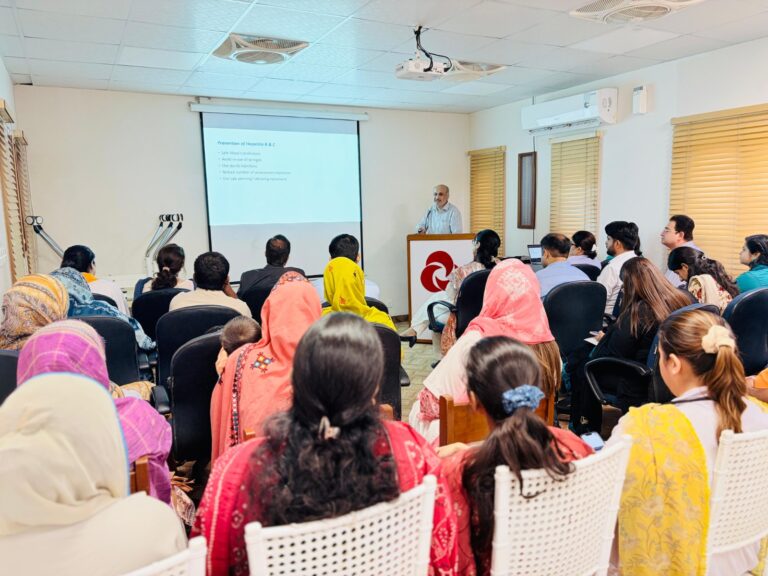
    HYDERABAD,— In observance of World Hepatitis Day, the Aga Khan Maternal and Child Care Centre (AKMCCC), Hyderabad, organized a one-day health camp aimed at improving access to preventive healthcare and promoting early detection of liver disease. Held under the global theme “Hepatitis Elimination Starts with You,” the camp offered discounted specialist consultations and complimentary diagnostic services to residents from across Hyderabad. The health camp provided expert consultations with Family Medicine and Internal Medicine specialists at subsidized rates. To encourage timely diagnosis, participants received free rapid screening tests for Hepatitis B and C, along with complimentary assessments of blood pressure, pulse rate, height, and weight. The program also included health education and awareness sessions on hepatitis prevention, transmission, and treatment, as well as discounted laboratory and radiology services for further evaluation and follow-up. “Hepatitis remains a significant public health challenge, yet early detection and timely intervention can drastically alter patient outcomes,” said Syed Muhammad Sohail, Chief Operating Officer for Outreach Services and Off-Campus Hospitals at Aga Khan University Hospital (AKUH). “Through today’s camp, AKMCCC is helping remove financial and geographic barriers to specialized care, empowering individuals across Hyderabad to take proactive steps toward their health,” he added. Health officials and AKMCCC representatives stated that such community outreach initiatives are essential to achieving the World Health Organization’s goal of hepatitis elimination by 2030. They reaffirmed the centre’s commitment to continuing similar programs in underserved areas to strengthen public health and foster a more informed community.The successful execution of the camp underscores AKMCCC’s ongoing dedication to preventive healthcare and community well-being.

  • |

    India’s Supreme Court protects student protesters as government moves to tighten exam leak laws

    India’s Supreme Court has directed authorities not to take any coercive action against student protesters involved in recent demonstrations over examination paper leaks. The court also ordered the immediate release of all detained protesters who are under the age of 18 and instructed officials to preserve surveillance footage and digital records linked to the protests as allegations of police brutality continue to be examined. According to Indian media reports, Chief Justice Surya Kant issued the interim directions while hearing petitions filed by students and rights activists. The petitions accused police and paramilitary forces of using excessive force, including pellet guns, against demonstrators during weeks of protests in New Delhi and several other cities. The court stressed that all available evidence, including drone recordings, body camera footage and CCTV videos, must be secured to ensure a fair investigation. It also ordered that the personal and digital data of protesters should remain protected and must not be made public. The Chief Justice said any investigation into the allegations would be meaningless if responsibility was not fixed for those found guilty of misconduct. He emphasized the need for an independent and impartial inquiry into claims that innocent protesters were subjected to unnecessary violence during the demonstrations. The Indian government has maintained that police acted within the law while controlling large crowds. Solicitor General Tushar Mehta told the court that although complaints of attacks on students deserved serious attention, nearly 250 police personnel were also injured during the protests. He said the government had no objection to an independent investigation into the incidents. At the same time, the government has introduced proposed amendments aimed at imposing much tougher punishments for examination paper leaks. The bill, presented in parliament during the ongoing monsoon session, seeks to increase the maximum prison sentence for those involved in leaking examination papers from five years to ten years. It also proposes fines of more than one million dollars and faster court proceedings to deal with such cases. Senior minister Jitendra Singh said the amendments demonstrate the government’s commitment to protecting students and restoring confidence in the country’s examination system. He told lawmakers the proposed changes are intended to strengthen existing laws and ensure swift justice so that the credibility of national examinations can be rebuilt. The issue has dominated parliament since lawmakers returned for the monsoon session last week. Opposition parties have repeatedly disrupted proceedings while demanding accountability for the police response to the student movement and pressing the government to address concerns over the handling of the exam leak crisis. The nationwide protests began after question papers for a national medical college entrance examination were leaked, sparking anger among students who believed the integrity of the examination process had been compromised. The demonstrations ended on Saturday after Education Minister Dharmendra Pradhan resigned and the government accepted key demands from protest leaders. These included reforms to the examination system, the withdrawal of police cases against protesters and compensation for families of students who reportedly died by suicide following the scandal. Clashes between protesters and security forces were reported in several cities during the demonstrations. In New Delhi, police used tear gas and baton charges to stop protesters attempting to march toward parliament. Authorities also suspended a police officer in eastern India after he fired warning shots into the air while trying to disperse protesters. The protests have also sparked concerns over the government’s use of advanced surveillance technology. Activists questioned the deployment of AI powered mobile surveillance vehicles after images shared online appeared to show police using high mounted cameras capable of monitoring crowds from every direction. Meanwhile, the student group leading the movement claimed that hundreds of protesters remain in custody across different states despite earlier commitments made by the government.

  • |

    Southern and central China prepare for floods as Typhoon Noul moves inland

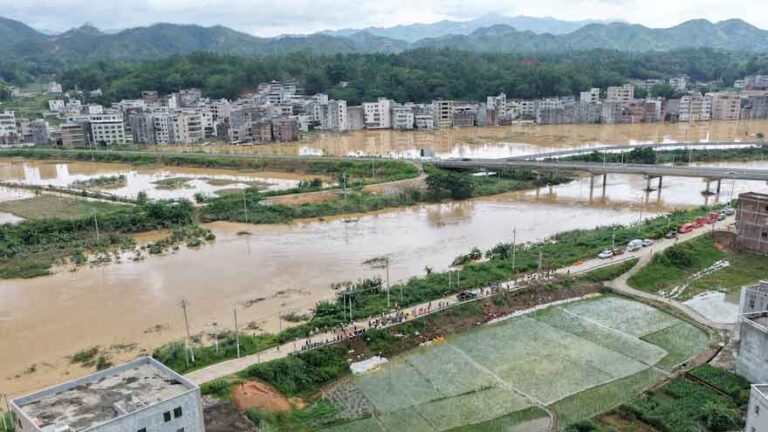
    The remnants of Typhoon Noul continued to move deeper into China on Tuesday, raising concerns over widespread flooding across several southern and central provinces. Although the storm has weakened since making landfall, weather experts warned that it could remain over inland areas longer than expected, increasing the threat of heavy rain and related disasters. China’s National Meteorological Center said intense rainfall is expected to continue until Thursday across Fujian, Guangdong, Jiangxi, Hunan, Hubei, Henan and Guangxi. The downpours are being strengthened by the southern monsoon, creating conditions that could trigger floods, landslides and other emergencies in many parts of the country. Officials are particularly concerned because the storm is moving north through mountainous regions where heavy rain can quickly destabilize slopes and send large amounts of water rushing into rivers and towns. State media warned that the combination of steep terrain and prolonged rainfall could increase the risk of landslides, mudslides and flash floods before the storm eventually weakens. Typhoon Noul rapidly gained strength before striking Guangdong province over the weekend. According to state broadcaster CCTV, it was the strongest typhoon to hit China so far this year. Even though the storm has now lost much of its original power, authorities believe the danger is far from over because its remaining rain bands continue to bring significant rainfall over a wide area. The Chinese government has stepped up emergency preparations as the country faces the overlap of typhoon season and its annual flood season. Emergency management and housing authorities have instructed local governments to strengthen flood prevention efforts, inspect roads, bridges, reservoirs and other important infrastructure, and move rescue teams and emergency supplies into areas considered most vulnerable. Officials have also ordered safety inspections at industries that could face additional risks during severe weather, including mining operations and factories dealing with hazardous chemicals and fireworks. China experiences most of its typhoons between July and September, with August usually being the busiest period. Every year, powerful storms threaten coastal provinces before moving inland, where they often bring days of heavy rainfall that can cause serious damage far from the coastline. Other parts of the country are also facing weather related challenges. Provinces including Gansu, Sichuan and Yunnan have been placed on high alert after repeated periods of heavy rain increased the likelihood of geological disasters. In Gansu, authorities issued their highest level warning for landslides and mudslides late Monday after rocks and large boulders fell from mountain slopes onto roads in several areas, creating dangerous conditions for residents and travelers. Meanwhile, rescue efforts are continuing in Chongqing following a deadly mountain collapse earlier this month. On July 17, part of a mountainside gave way and crashed onto buildings in a riverside township. Search teams are still looking for around 50 people who remain missing as authorities continue recovery operations in the affected area. The latest severe weather is expected to make those efforts even more challenging while increasing the risk of further disasters in already vulnerable regions.

  • |

    Taiwan to test shifting weapons production during major military exercise

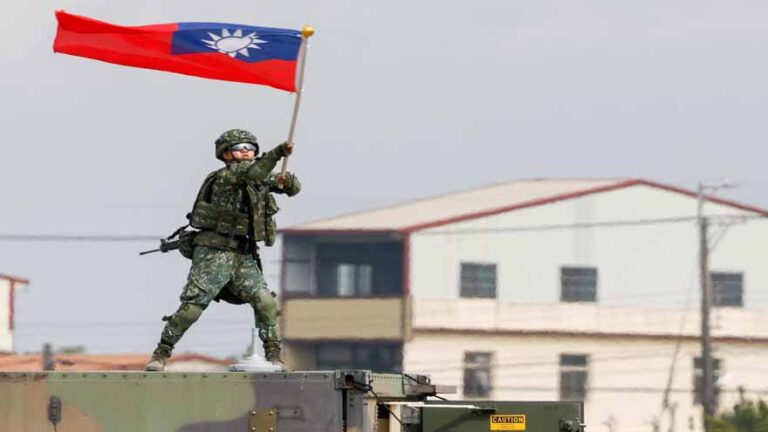
    Taiwan will carry out a new military exercise next month to test whether it can continue producing weapons if key defence facilities come under attack during a conflict with China. The drills will include relocating arms production lines and converting civilian factories into military manufacturing sites to ensure the armed forces continue receiving essential equipment even if major supply hubs are damaged. The exercise will take place as part of Taiwan’s annual Han Kuang war games, scheduled from August 5 to August 14. According to the Ministry of National Defense, the scenario will simulate China using its regular military exercises as cover to prepare for a full scale invasion. Taiwan’s armed forces will respond by immediately increasing combat readiness and launching rapid defensive operations. One of the main objectives is to determine whether industrial production can be spread across different locations without disrupting the supply of military equipment. Officials say maintaining manufacturing capacity during wartime is essential because China would likely target command centers, ports, logistics networks and defence factories early in any military campaign. Beijing considers Taiwan part of its territory and has never ruled out using force to bring the island under its control. Taiwan strongly rejects those claims, maintaining that it is already a self governed and independent nation. Major General Lu Wen-yuan, who heads the Joint Operations Division, said the exercise will assume that Chinese forces use their routine annual military drills to hide preparations for a large scale assault. Under the scenario, Taiwan will activate emergency measures and begin moving critical defence production away from vulnerable locations. The drills will include the simulated relocation of the Armaments Bureau’s 202nd Arsenal in Taipei. Civilian factories responsible for assembling complete military systems will also be mobilized after emergency orders are issued. The exercise is designed to measure how quickly industries can shift operations while continuing to meet the military’s needs during a crisis. Taiwan will also examine its ability to keep vital shipping routes open if conflict disrupts normal transport. The navy and coast guard will conduct joint operations using personnel, equipment and live ammunition. These exercises will include escorting shipments of essential supplies, protecting coastal areas, carrying out maritime law enforcement missions and testing upgraded coast guard vessels. The military planning comes as Taiwan reports a noticeable increase in Chinese coast guard activity around the island. Officials in Taipei believe the growing presence could signal greater pressure on Taiwan’s eastern coastline and threaten sea routes that are critical for importing fuel, food and other strategic supplies. For the first time, the Han Kuang exercises will also include a nationwide communications test. Mobile internet speeds will be deliberately reduced during parts of the ten day exercise to assess how the public and emergency services would communicate if network capacity became limited because of natural disasters or military action. Authorities hope the test will help identify weaknesses in emergency communication systems and improve the island’s ability to function during a prolonged crisis. The expanded drills reflect Taiwan’s efforts to strengthen its overall resilience against potential military threats. By preparing industries, transport networks and communication systems for wartime conditions, officials aim to ensure that the island can continue supporting both its armed forces and civilian population even if key infrastructure comes under sustained attack.

  • |

    China and Japan give conflicting accounts of ministers’ ASEAN meeting

    China and Japan have offered different versions of whether their foreign ministers spoke during last week’s ASEAN meetings in the Philippines, highlighting the continued strain in relations between the two neighboring countries. Japanese Foreign Minister Toshimitsu Motegi said after the regional gathering that he had briefly spoken with Chinese Foreign Minister Wang Yi when the two crossed paths during the event. According to Motegi, the short conversation included discussion about bilateral relations, which Japan considers an important step in maintaining communication despite ongoing tensions. However, China’s Foreign Ministry rejected that account. Speaking at a regular press briefing on Monday, spokesperson Lin Jian said Wang Yi had no meeting scheduled with the Japanese side during his visit to Manila and insisted that no informal conversation or exchange took place at the venue. The conflicting statements reflect the growing diplomatic divide between Beijing and Tokyo, whose relationship has worsened significantly since last November. The decline followed comments by Japanese Prime Minister Sanae Takaichi regarding Taiwan, which China strongly condemned. Japan has expressed interest in improving ties with China and continues to support dialogue at every level. Motegi said maintaining communication is essential because both countries play a major role in preserving peace and stability across the region. Although he described his interaction with Wang as a discussion on bilateral relations, Japanese media reported that the exchange was limited to greetings and brief pleasantries. Prime Minister Takaichi said on Monday that contacts between the two governments remain active through various diplomatic channels, including the exchange Motegi referred to during the ASEAN meeting. The current tensions stem from remarks Takaichi made shortly after becoming prime minister. During a parliamentary session, she was asked whether a Chinese military blockade or attack on Taiwan could trigger Japan’s collective self defense policy. She replied that such a situation could threaten Japan’s survival and therefore might meet the legal conditions for military involvement alongside an ally, most likely the United States. China viewed those comments as crossing a major diplomatic red line. Beijing considers Taiwan part of its territory and strongly opposes any statement or action that it believes supports Taiwan’s independence or suggests foreign military involvement in a future conflict. Taiwan, meanwhile, governs itself independently despite China’s territorial claims. Although Takaichi later said she would avoid discussing specific military scenarios in future parliamentary debates, she has refused to withdraw her original remarks. Her position has continued to frustrate Beijing and has made efforts to restore stable relations more difficult. The dispute has affected more than diplomacy. Economic ties have also been impacted, with reports of fewer Chinese tourists visiting Japan and growing concern in both countries over each other’s expanding military capabilities. The disagreement over what happened during the ASEAN meeting has become another sign of the deep mistrust that continues to shape relations between Asia’s two largest economies.

  • |

    Michigan cyclosporiasis outbreak grows as health officials expand investigation

    Michigan has reported a sharp increase in cases of cyclosporiasis as health authorities continue to monitor one of the largest outbreaks of the intestinal illness in recent years. According to the latest update from the state’s health department, the total number of reported cases has climbed to 9,253, an increase of 1,077 infections since the previous report issued on Friday. The outbreak has led to 160 hospitalizations across the state. However, officials said no deaths have been recorded so far. Public health authorities are continuing to track new infections while working with federal agencies to identify the source of the outbreak and prevent additional cases. Cyclosporiasis is an intestinal illness caused by the Cyclospora parasite. People usually become infected after consuming food or water contaminated with human waste. Raw fruits and vegetables are among the most common sources of infection because they are often eaten without cooking, allowing the parasite to survive if proper food safety measures are not followed. The outbreak in Michigan is part of a wider public health concern affecting several states across the United States. Federal data show that 4,173 laboratory confirmed domestic cases have been recorded nationwide. In addition, the Centers for Disease Control and Prevention is reviewing more than 7,400 suspected cases that have not yet been confirmed through laboratory testing. Many of these reports have come from Michigan and neighboring Ohio. The US Food and Drug Administration and the CDC have expanded their joint investigation after identifying additional infections in four more states. Health officials are focusing on a possible link between the outbreak and shredded iceberg lettuce imported from central Mexico. The investigation now includes cases reported in Illinois, Indiana, Kansas, Kentucky, Michigan, Ohio, Oklahoma, Pennsylvania and West Virginia. Authorities are examining distribution records and supply chains to determine how contaminated produce may have reached consumers in different parts of the country. According to the FDA, epidemiological data collected by the CDC indicate that 1,947 people infected with the Cyclospora parasite had eaten food from Taco Bell restaurants before becoming ill. Investigators believe many of those infections may be connected to shredded iceberg lettuce supplied by Taylor Farms and served at Taco Bell locations. However, officials say the investigation is still ongoing and a final conclusion has not yet been reached. Health experts have reported cases of cyclosporiasis in at least 41 states this year, although not all infections are believed to be related to the current outbreak. Investigators are continuing to determine which cases are connected to the suspected contaminated lettuce and which may have originated from other sources. Symptoms of cyclosporiasis often include prolonged diarrhea, stomach cramps, nausea, fatigue and loss of appetite. While most people recover with appropriate treatment, the illness can be more serious for older adults and people with weakened immune systems. Health authorities continue to advise consumers to follow food safety practices and remain alert for symptoms as the investigation into the outbreak continues.