تازہ ترین

  • | |

    Nawaz Sharif to lead key Murree meeting

    Prime Minister Shehbaz Sharif has arrived in Murree from Islamabad as the Pakistan Muslim League-Nawaz (PML-N) prepares to hold an important consultative meeting on the political situation in Azad Jammu and Kashmir. The meeting will be chaired by PML-N President Nawaz Sharif at the Government House in Murree. Senior party leadership is expected to discuss the formation of the government in Azad Kashmir and finalise the party’s strategy for the next phase of the political process. Hamza Shehbaz has also reached Kashmir Point in Murree to participate in the meeting. Prime Minister Shehbaz Sharif and Punjab Chief Minister Maryam Nawaz are also scheduled to attend, along with federal ministers and other senior PML-N leaders. The newly elected PML-N members of the Azad Jammu and Kashmir Legislative Assembly have also been invited to the session. Their participation is expected to help the party leadership assess the political situation and discuss possible arrangements for forming the next government. The meeting comes as the PML-N moves forward with consultations following the recent political developments in Azad Kashmir. Party leaders are expected to exchange views on government formation, parliamentary coordination and the future political roadmap. Nawaz Sharif is likely to receive briefings from party leaders and elected representatives during the meeting. The leadership will also consider the names and arrangements linked to the formation of the new administration.

  • |

    Texas governor targets Muslim airport facilities

    Texas Governor Greg Abbott has ordered a review of state grants provided to Dallas Fort Worth International Airport (DFW) and Houston’s George Bush Intercontinental Airport (IAH), alleging that facilities for Muslim passengers to perform ablution and pray could amount to religious discrimination. Abbott’s office said the matter has also been referred to the US Department of Transportation for investigation and possible action. According to a statement from the governor’s office, state grants provided to entities operating airports in Texas will be reviewed to determine whether existing funding should be withdrawn or whether the airports should be denied future state funding. Abbott has argued that providing facilities specifically associated with one religion at government-owned facilities could raise concerns under religious discrimination laws. The governor’s office said DFW International Airport is planning to establish a dedicated ablution facility for Muslim passengers. At George Bush Intercontinental Airport, a similar facility has reportedly already been established, along with a designated space for prayer. Abbott has written to US Transportation Secretary Sean Duffy, asking the Department of Transportation and the Federal Aviation Administration (FAA) to immediately review the existing or proposed religious facilities at both airports. He has also called for corrective or legal action if federal authorities determine that any violations have occurred. The Texas governor maintains that both airports receive federal funding and are therefore required to comply with federal laws prohibiting discriminatory practices. In his statement, Abbott said the proposed ablution facilities appear to provide a special accommodation to a particular section of the population based on religion, which he considers potentially unlawful. He further argued that because the airports are publicly owned, government authorities cannot give preference to one religious viewpoint over others. Abbott reiterated his position on social media, saying that government facilities funded by taxpayers should not allow what he described as unlawful religious discrimination.

  • | | |

    Islamabad police receive 30 new vehicles after 14 …

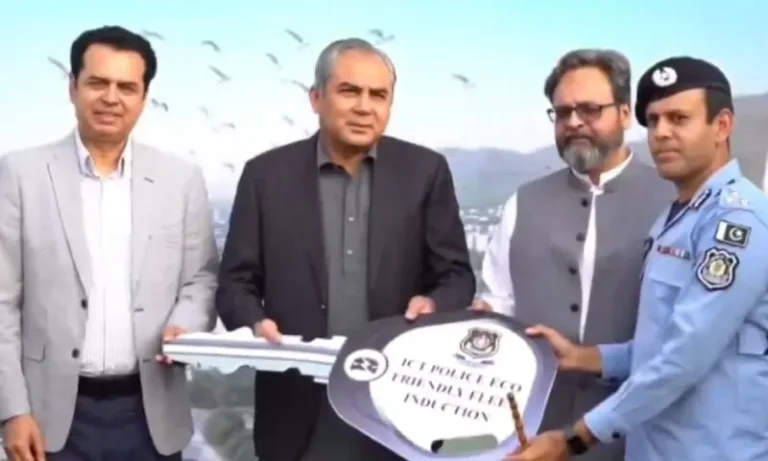
    The Islamabad Police has received 30 new vehicles for 27 police stations in the federal capital after a gap of 14 years, in a move aimed at improving police mobility and reducing emergency response times. Interior Minister Mohsin Naqvi and Minister of State for Interior Tallal Chaudhry handed over the vehicle keys to police officials during a ceremony at Police Lines on Saturday. Speaking at the ceremony, Naqvi said modern policing could not be achieved without providing police with functional and adequate transport. He said the newly provided vehicles would help officers respond to emergencies more quickly and perform their duties more effectively. The interior minister said the government was making efforts to provide Islamabad Police with the resources required to improve public safety and maintain security in the capital. He also said work was underway on the construction and upgrading of police stations across Islamabad. According to him, the projects would be completed soon and would improve the working environment and operational capacity of the force. Naqvi highlighted the inclusion of electric vehicles in the government’s efforts to promote environmentally friendly policies. He said the use of electric vehicles would also help reduce expenditure on petroleum products. Tallal Chaudhry said the new vehicles had been distributed among all 27 police stations in Islamabad. He pointed out that police personnel had previously been operating vehicles that were around 14 years old, creating difficulties for effective field operations. The minister of state said rehabilitation and construction work at the capital’s 27 police stations was also in progress and was expected to be completed by the end of the year. He further disclosed that around 9,000 new personnel were being recruited to address the shortage of manpower in Islamabad Police. He said the recruitment process would be conducted strictly on merit.

  • | |

    Pakistan unveils star-studded civil awards

    The Government of Pakistan has announced its annual list of civil awards as part of the country’s Independence Day celebrations, honouring 372 individuals for their contributions across various fields. The recipients will be formally presented with their awards on Pakistan Day, March 23, next year. According to the announced list, 54 awards have been allocated for services to the arts, while 29 recognise contributions to literature and nine have been awarded in the field of sports. Several prominent names from Pakistan’s entertainment and cultural landscape have been included among this year’s recipients. Actors Sania Saeed, Maria Wasti and Mahmood Aslam, musicians Shiraz Uppal and Zulfiqar Jabbar Khan, better known as Xulfi, and television host Shafat Ali are among the notable awardees. In the arts category, Sultana Siddiqi has been selected for the Hilal-i-Imtiaz for her services to production, while Nisho Begum, Iftikhar Ahmed Thakur, Fasih Uddin Soharwardy, Shakir Hussain, Taranam Naz and several other prominent figures have been named for Sitara-i-Imtiaz and other civil awards. Mahmood Aslam, Sarfraz Hussain Ansari, M Ehtesham Warsi, Ghazala Kaifi, Shazma Haleem, Maria Wasti and Sania Saeed are among those receiving the President’s Award for Pride of Performance for their contributions to acting and direction. The list also recognises artists and musicians from different parts of the country. Classical musicians, singers, painters, sculptors, choreographers, qawwali performers and traditional craftsmen have been honoured for preserving and promoting Pakistan’s cultural heritage. Among the recipients are Xulfi, awarded for music; Aftab Zafar for painting and illustration; Nadeem Salamat for qawwali; Tayyeba Aziz for painting and sculpting; and several artists recognised for traditional crafts including embroidery, block printing, stone carving and regional handicrafts. The literature category features a wide range of writers, poets, playwrights and researchers. Asad Muhammad Khan has been selected for the Nishan-i-Imtiaz for his contributions to playwriting and poetry. Ejaz Rahim and Muhammad Khurshid Ul Hasan Rizvi are among those receiving the Hilal-i-Imtiaz, while writers including Shakeel Adilzada, Waheed Uz Zaman Tariq, Maqsood Hussain Jafri, Hashim Nadeem and other literary figures have been named for the Sitara-i-Imtiaz. The President’s Award for Pride of Performance in literature has also been awarded to several writers and poets, including Dr Shahida Shaheen, Ali Muhammad Farshi, Aslam Javed, Rehman Faris and other contributors to Urdu and regional literature. The government has also recognised contributions to sports. Atta Mohammad Kakar and Dr Waseem A Tai have been selected for the Sitara-i-Imtiaz for their services to boxing coaching and yoga, respectively. The President’s Award for Pride of Performance in sports includes wrest­ler Bashir Bhola, shooter Kishmala Talat, squash player Noor Zaman, ramp-jump performer Sultan Muhammad Golden, boxer Muhammad Waseem and cricketer Sadiq Muhammad. Athlete Faiqa Riaz has been named for the Tamgha-i-Imtiaz. The annual civil awards recognise individuals who have made notable contributions to Pakistan in areas including culture, literature, sports and the arts. The awards ceremony will be held on March 23, when the recipients will officially receive their respective honours.

  • |

    US authorises private firms to target cybercrime groups

    WASHINGTON: The United States has taken an unusual step in its fight against international cybercrime by allowing selected private companies to conduct government-approved hacking operations against foreign criminal organisations. President Donald Trump has signed a memorandum directing the departments of Justice and Homeland Security to establish a framework under which approved private-sector partners can investigate, infiltrate and disrupt transnational cybercrime networks. The move is aimed at tackling growing threats including ransomware attacks, online fraud and so-called sextortion schemes. The White House said such crimes caused more than $20 billion in losses to Americans during 2025. Under the new framework, authorised companies could potentially infiltrate cybercriminals’ computer systems, deploy spyware or disrupt servers used to conduct criminal activities. However, each operation would require approval from the US government before any action is taken. Participating companies would also be required to provide a bond of at least $1 million. Operations involving actions that could cause death or physical injury would remain prohibited. Activities that could qualify as the use of force under international law would also be excluded. The initiative has drawn comparisons with privateering, a practice used centuries ago when governments authorised private vessels to attack or seize enemy ships. Supporters argue that private technology companies possess specialised cyber expertise and access to data that government agencies may not have. They believe combining those capabilities with government authority could help disrupt criminal networks more effectively. However, cybersecurity experts have raised concerns about accountability, oversight and the possibility of unintended consequences. Critics warn that allowing private companies to conduct offensive cyber operations could create diplomatic complications and make it difficult to control activities once they begin. The policy also represents a notable shift in the Trump administration’s previous position. Earlier this year, senior US officials had indicated that the government was not interested in using private companies to fight cybercriminals through offensive operations. It remains unclear what prompted the change in policy. Some cybersecurity specialists believe the programme contains important safeguards because operations will be conducted under government authorisation. Others remain concerned that existing oversight institutions may not be strong enough to monitor such activities effectively. The initiative could also expose participating technology companies to new risks. Experts warn that firms involved in government-sanctioned cyberattacks could become targets themselves and face retaliation from criminal groups or foreign governments. The Trump administration has 60 days to finalise the programme’s operational framework, while some details are expected to remain classified.

  • | |

    KP sets 60% enrolment target for school dropouts

    The Khyber Pakhtunkhwa government has launched a major initiative to bring millions of out-of-school children into the education system. The provincial government has started work on a comprehensive plan. The initiative will identify children who are not attending school and provide them with suitable educational opportunities. Officials from the education, local government, health and social welfare departments have signed a memorandum of understanding for the programme. Khyber Pakhtunkhwa Chief Minister Muhammad Sohail Afridi was also present at the signing ceremony. Officials gave a detailed briefing on the initiative. They said a province-wide survey would be conducted to identify out-of-school children. The government will also develop a “One Map” system. The system will identify the number of children who are out of school. It will also show their locations. This data will help the authorities plan enrolment drives in areas where the need is greatest. According to figures presented during the briefing, around 4.9 million children in KP were out of school according to the 2023 census. The provincial education department has estimated the number at around 2.6 million. The government has set an initial target of bringing 60% of out-of-school children into the education system during the first phase. Officials said children under the age of five would also be included in the data collection process. Their information will help the government prepare future education plans and estimate upcoming enrolment needs. The programme will use different forms of education. Government schools will be used where possible. Community schools will also play a role. Double-shift schools will be introduced or expanded in areas facing limited capacity. Digital platforms will also be used to reach children who cannot easily access conventional schools. Poverty has been identified as one of the major reasons children leave school. The government plans to provide financial support to vulnerable families. Scholarships, Zakat funds and other assistance will be used to encourage children to remain in education. Scholarship payments will be linked to attendance. Officials said students would need to maintain at least 75% attendance to qualify for the scholarship payments. The programme will also focus on skills development. Children will receive technical and vocational training under the United Nations’ Generation Unlimited programme. The initiative is aimed not only at increasing school enrolment but also at improving the future employment prospects of young people. The government has also planned independent verification of the survey data. An independent organisation will verify 5% of the collected data to improve transparency and ensure that the figures accurately reflect the situation on the ground. Authorities said the survey would provide a clearer picture of the out-of-school population in the province. The data will then be used to design targeted education programmes.

  • | |

    14 August: Films that bring Quaid-e-Azam’s i…

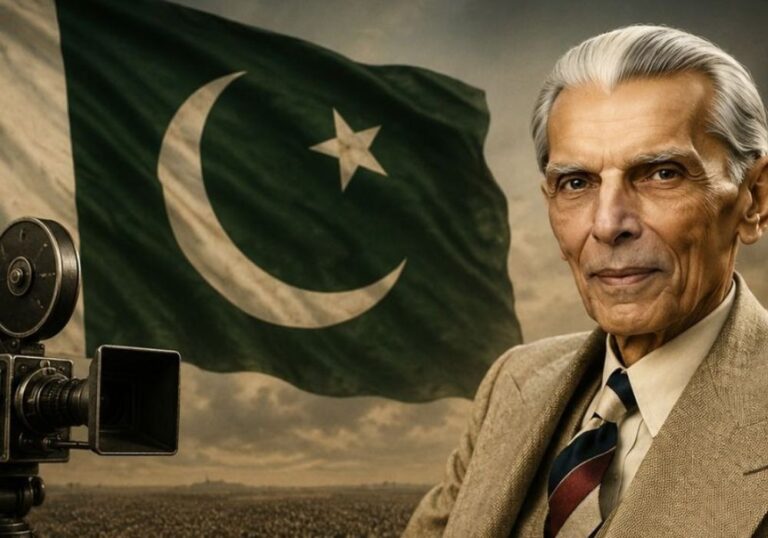
    Every year on August 14, Pakistan celebrates its Independence Day, marking the day in 1947 when the country emerged as an independent nation. The occasion is a reminder of the struggle, sacrifices and leadership that shaped Pakistan’s journey towards independence. Among the many personalities connected with this historic movement, Quaid-e-Azam Muhammad Ali Jinnah remains one of the most important figures. From his early career as a lawyer to becoming the leader of the Pakistan Movement, Jinnah’s life has continued to inspire filmmakers, writers and storytellers. Over the years, several films, dramas and documentaries have explored different phases of his life, highlighting his political struggle, leadership and the challenges behind the creation of Pakistan. One of the most notable films based on his life is Jinnah (1998), directed by Jamil Dehlavi. The biographical drama stars Christopher Lee as Quaid-e-Azam Muhammad Ali Jinnah and follows his journey from a successful lawyer to the founder of Pakistan. The film focuses on important moments from Jinnah’s political career, including his efforts during the Pakistan Movement and the challenges he faced while working towards the creation of a separate homeland. Written by Akbar S. Ahmed, Farrukh Dhondy and Jamil Dehlavi, Jinnah presents a detailed portrayal of the events that shaped one of South Asia’s most influential leaders. Although the film received mixed responses at the time of its release, it remains one of the most recognised international productions based on the life of Pakistan’s founder. On television, Jinnah Se Quaid Tak became another important drama that introduced audiences to different stages of Jinnah’s life. The PTV production showed his transformation from a successful barrister into a political leader who played a central role in the independence movement. Directed by Mohsin Ali, the drama focused on key historical events and highlighted Jinnah’s dedication towards achieving his political goals. Through television, the series reached audiences who wanted to explore the personal and political journey behind Pakistan’s creation. Another production that explores Jinnah’s legacy is the documentary Quaid-e-Azam: Founder of Pakistan. Unlike fictional portrayals, documentaries use archival footage, historical records and expert discussions to present a closer look at his personal life and political career. These documentaries provide viewers with an opportunity to understand not only the major events surrounding independence but also the leadership qualities and decisions that shaped Pakistan’s early years. Apart from these productions, Pakistani cinema and television have continued to revisit stories connected with the country’s history and independence. Historical films and dramas allow audiences to connect with important moments from the past while introducing younger generations to personalities who played a significant role in shaping the nation. As Pakistan celebrates its Independence Day, these cinematic portrayals offer a chance to revisit the journey behind August 14, 1947. They highlight the determination, political struggle and leadership that contributed to the creation of Pakistan. Through films, dramas and documentaries, the story of Quaid-e-Azam Muhammad Ali Jinnah continues to remain part of Pakistan’s cultural memory, allowing new generations to learn about the man behind the independence movement.

  • | |

    Mariyam Nafees calls for priority queues for vulnerable people

    Pakistani actor and host Mariyam Nafees has called for the introduction of separate priority queues in Pakistan for people who may find it difficult to stand in regular lines for long periods. The actor raised the issue during a special Independence Day episode of Good Morning Pakistan, where she appeared alongside Sarwat Gillani, Amar Khan, Saif Ali Khan, Mohsin Abbas and Omair Rana. During the programme, Mariyam highlighted the difficulties faced by elderly people, pregnant women, young children and individuals with disabilities or health problems when they have to wait in long queues. She said priority lines are commonly available in many countries to facilitate people who need special consideration. In her view, young and physically fit individuals can generally wait longer, while vulnerable people may not be able to do so comfortably. Mariyam said Pakistan should also consider introducing dedicated queues at public offices and other places where people regularly have to wait for services. She stressed that simply allowing vulnerable people to move ahead is not always effective because some members of the public may ignore their needs. According to her, a formal priority system could make the process more organised and ensure that deserving people receive timely assistance. The actor’s comments focused on the broader issue of public behaviour and social responsibility. She suggested that a structured system could reduce disputes and make public spaces more accessible for those who need additional consideration. During the discussion, Saif Ali Khan also supported the broader point. He noted that the problem is not limited to queue arrangements. He pointed out that people sometimes give preference to friends, relatives or acquaintances at offices and other places. He argued that such preferential treatment should also be discouraged. The discussion drew attention to the importance of fairness in public spaces and equal access to services. Mariyam’s remarks have also sparked conversation about whether Pakistan should introduce more formal systems to assist elderly citizens, pregnant women, children and people with disabilities.

  • | | |

    Pakistan highlights mediation role at New York I-d…

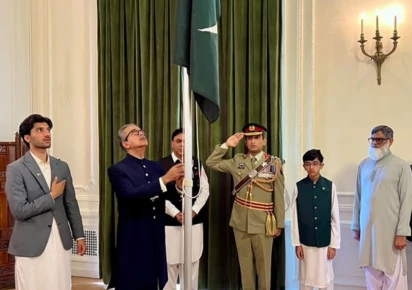
    Pakistan’s diplomatic efforts to promote peace and stability, including its role in mediating during the recent US-Iran tensions, were highlighted at an Independence Day ceremony held at Pakistan House in New York. Speaking at the event, Pakistan’s Permanent Representative to the United Nations, Ambassador Asim Iftikhar Ahmad, said Pakistan had consistently sought peaceful solutions amid growing international instability and conflicts. He urged renewed commitment to the country’s founding principles, sovereignty, security, peace and socio-economic progress. The ambassador paid tribute to Quaid-e-Azam Muhammad Ali Jinnah, describing him as a visionary statesman whose leadership led to the creation of Pakistan. Reflecting on the country’s journey since independence, he praised the resilience and achievements of Pakistanis despite significant challenges. Ahmad also commended the armed forces for their sacrifices in defending the country and protecting its people, while recognising the achievements of Pakistanis abroad in fields ranging from innovation and sports to the arts. He reaffirmed Pakistan’s diplomatic and political support for the people of Indian Illegally Occupied Jammu and Kashmir and for the rights of Palestinians. He also stressed the importance of combating terrorism while advancing economic development and national progress. Consul General Aamer Ahmad Atozai also paid tribute to the leaders and workers of the Pakistan Movement, emphasising that freedom carries both a legacy and a responsibility. He highlighted the Pakistani-American community’s contributions through investment, remittances, philanthropy and expertise, describing it as an important bridge between Pakistan and the United States. The ceremony featured the hoisting of the Pakistani flag and the national anthem, while messages from Pakistan’s leadership were also read out. Addressing children at the gathering, Ambassador Ahmad described them as the country’s future and called for collective efforts to build a peaceful, prosperous and inclusive Pakistan. The event concluded with calls for greater national unity and continued commitment to peace, diplomacy and Pakistan’s progress on the global stage.

  • | |

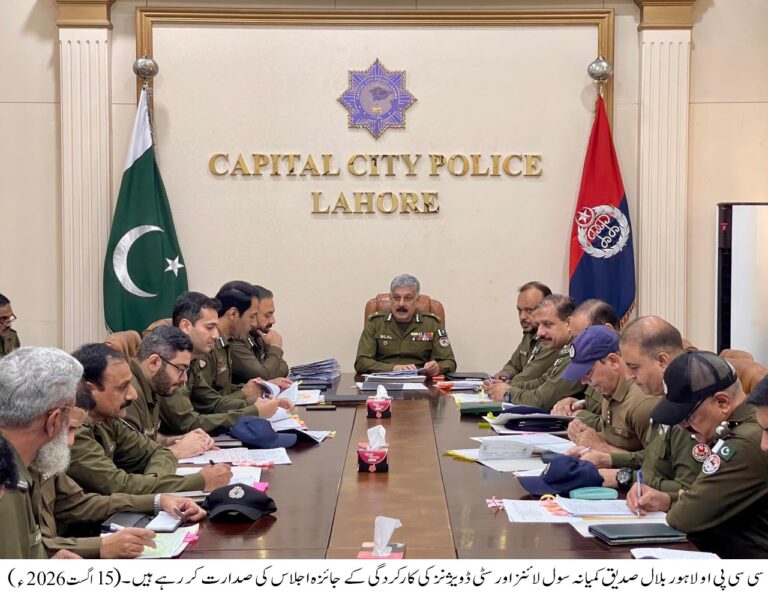
    Lahore police intensify crackdown on usury, drugs …

    LAHORE: Capital City Police Officer Lahore Bilal Siddique Kamyana has ordered intensified action against criminal activities while directing officers to improve law enforcement and public service delivery across the city. Chairing a meeting to review the performance of the Civil Lines and City divisions, the CCPO was briefed that 21 suspects allegedly involved in illegal moneylending had been arrested during an ongoing crackdown. He directed police to pursue legal action without leniency and ensure that victims receive protection and timely justice. Kamyana also ordered stronger operations against drug trafficking, calling for targeted action to dismantle narcotics networks and arrest those involved in the illegal trade. The CCPO directed officers to identify foreign nationals residing illegally in Lahore and proceed against them in accordance with the law. He also ordered enhanced surveillance of sensitive areas and monitoring of suspicious activities. He further called for continued combing operations and expanded intelligence-led action against elements posing threats to law and order. Stressing the importance of citizen-focused policing, Kamyana instructed officers to resolve public complaints promptly and prevent citizens from being repeatedly sent from one office to another. Senior police officials, including DIG Investigation Zeeshan Raza, DIG Operations Faisal Kamran and SSP Investigation Muhammad Naveed, attended the meeting.