تازہ ترین

  • | |

    Kinza Hashmi visits National Assembly after praise…

    Pakistani actor Kinza Hashmi visited the National Assembly after receiving praise from lawmakers for her portrayal of a politically influential woman in the drama Leader. Hashmi was invited to the parliament by MNA Romina Khurshid Alam. The actor shared highlights from her visit in an Instagram reel on Thursday. During the visit, Alam accompanied Hashmi through different parts of the National Assembly building. She showed the actor several artworks, historical displays, dioramas and other artefacts kept inside the building. Hashmi also visited the National Assembly floor and met staff members. She later spent time in Alam’s office, where the lawmaker presented her with a token of appreciation. Alam praised Hashmi for bringing the experiences and challenges of women involved in politics to television. She said she was proud of the actor’s work and appreciated the way she represented female politicians through her performance. The lawmaker described Hashmi’s portrayal as meaningful and said her work had helped bring greater attention to the role of women in political life. Hashmi also met Federal Minister for Information and Broadcasting Attaullah Tarar during her visit. According to the actor, they held a productive discussion about several important matters. She said the conversation particularly focused on issues faced by women working in Pakistan’s media industry. Reflecting on her parliamentary visit, Hashmi said the experience gave her a better understanding of the character she plays in Leader. She noted that politics is not simply about privilege or power. It also involves responsibility, public service, duty and long-term commitment. The actor said visiting the parliament allowed her to see the political system from a different perspective. The experience also helped her connect more deeply with the themes explored through her character. Hashmi’s performance in Leader has recently attracted attention from several politicians. In July, Romina Khurshid Alam and Balochistan MNA Jamal Raisani publicly praised her acting. Alam said Hashmi had fully embraced the character and described her performance as outstanding. Raisani also expressed appreciation for the actor’s portrayal. Hashmi thanked both lawmakers for their supportive comments and recognition of her work. In Leader, Hashmi plays Rubab, the daughter of a powerful politician from a feudal background. Her character initially grows up under the influence of her father and his political network. As the story develops, Rubab begins to establish her own identity. She eventually takes control of her father’s political organisation and emerges as a determined party leader. Her character’s political journey has made the drama a talking point among viewers, while Hashmi’s portrayal has drawn attention from audiences as well as people working in politics.
  • | | |

    PM Shehbaz, Field Marshal Munir begin Saudi visit

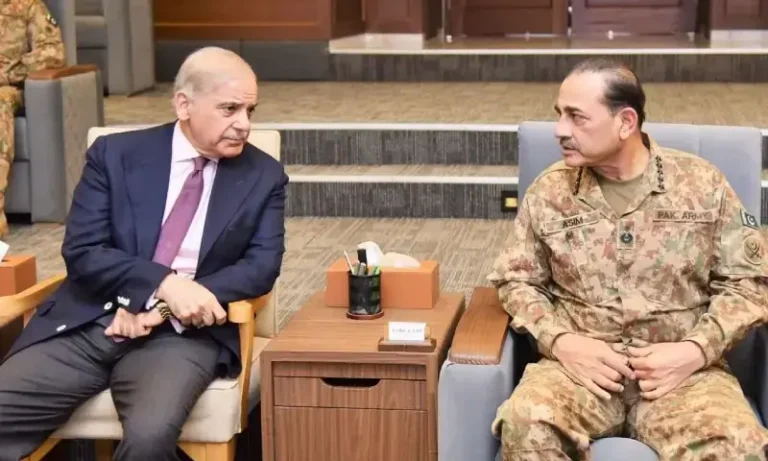
    Prime Minister Shehbaz Sharif and Chief of Defence Forces and Chief of Army Staff Field Marshal Asim Munir will pay an official visit to Saudi Arabia from August 6 to 8 to hold high-level talks aimed at strengthening bilateral ties and discussing key regional developments. According to the Foreign Office, Deputy Prime Minister and Foreign Minister Ishaq Dar will also join the delegation after completing his visit to Jordan. During the visit, Prime Minister Shehbaz is scheduled to meet Saudi Crown Prince Mohammed bin Salman. The discussions will focus on expanding cooperation between the two countries, enhancing strategic relations and reviewing regional and international issues of mutual interest. The Foreign Office said the visit reflects the deep-rooted relationship between Pakistan and Saudi Arabia, built on decades of close cooperation, mutual trust and strong brotherly ties. Officials said the high-level engagements are expected to further strengthen political, economic and strategic cooperation between the two countries. Both sides are also likely to discuss ways to improve coordination on regional security and international affairs. The visit comes at a time of heightened tensions in the Gulf region, giving the meetings added diplomatic significance. However, Pakistani officials said the agenda extends beyond the current regional situation and is aimed at reinforcing the long-term strategic partnership between Islamabad and Riyadh. The Foreign Office added that the visit will help deepen bilateral relations, expand cooperation in areas of shared interest and enhance collaboration at multilateral forums. Prime Minister Shehbaz last visited Saudi Arabia in April, where he held meetings with the kingdom’s top leadership to discuss bilateral cooperation and regional developments.

  • |

    Google DeepMind exec admits AI extinction risk is “not zero

    Lila Ibrahim, Google DeepMind’s Chief AI Readiness Officer, will not put a number on the odds of AI wiping out humanity. She is not dismissing the possibility either. Speaking to Fortune, she said the risk is “not zero,” admitting that anything more specific would just be guesswork on her part. Ibrahim was among those who signed the Center for AI Safety’s 2023 statement, alongside co-founders of Anthropic and OpenAI. That statement argued AI extinction risk deserves the same global priority as nuclear war and pandemics. Three years on, she still believes staying silent on existential risk would be irresponsible. She feels this way especially now, given how far the technology has advanced since then. Some of her peers sound even more alarmed. Geoffrey Hinton, often called the “godfather of AI,” estimates a 10% to 20% chance of extinction within the next three decades. Anthropic’s Dario Amodei has gone further, putting the odds of things going “really, really badly” at around 25%. These warnings are not new either. Physicist Stephen Hawking, who used AI tools himself, raised similar concerns long before ChatGPT even existed. Ibrahim compares the situation to the pandemic, pointing out that the worst risks rarely arrive the way people expect. She noted that entire industries failed to properly weigh risk during earlier tech shifts, including the rise of the internet and social media. She is just as sceptical of the optimistic predictions floating around. Elon Musk recently told The Economist that money will stop mattering by 2036, imagining a future of cheap abundance and universal high income once robots take over most jobs. Jeff Bezos has predicted millions of people living in space by 2045. Sam Altman, meanwhile, envisions new job opportunities specifically for graduates working in space. Ibrahim isn’t convinced by either scenario, arguing that AI simply is not developing fast enough to make these predictions realistic anytime soon. Rather than debating far-off futures, Ibrahim says she is more focused on using AI to tackle problems happening right now. She pointed to climate change and industrial pollution as areas where the technology could make a real difference. She was also clear that AI’s benefits should not be limited to a handful of powerful companies. For her, that is just as important as managing the risks.

  • |

    Mustafa Zahid may return for ‘Awarapan 2’ remake track

    Nearly two decades after Tera Mera Rishta became one of the biggest hits from Awarapan, original singer Mustafa Zahid may be returning for the sequel. The Pakistani vocalist appears set to reunite with the franchise’s makers. According to a Mid-day report, the 41-year-old is reportedly in talks with producers Mukesh Bhatt and Vishesh Bhatt. The discussions center around a remake for Awarapan 2. The development is notable given Bollywood’s long-standing stance on Pakistani artistes since the 2016 Uri attack. That boycott was reaffirmed more recently, following the 2025 Pahalgam attack. Despite that backdrop, talks are reportedly moving forward. If the deal goes through, the song would reportedly be recorded in Dubai rather than India. A source close to the matter told the publication that this could mark one of the rare recent instances of a Pakistani playback singer working on a mainstream Hindi film. However, the track itself will not feature in Awarapan 2 directly, as its inclusion could create certification complications for the film. To work around that, the makers are said to be considering releasing the song exclusively through social media promotions, bypassing theatrical use entirely. Meanwhile, the film’s own trailer dropped on August 6, marking the franchise’s return after 19 years. Emraan Hashmi reprises his role as Shivam Pandit, now portrayed as older and more emotionally scarred. Disha Patani joins the cast as Zara, while Shabana Azmi takes on the role of antagonist Nafisa. The soundtrack brings together composers Mithoon, Jeet Gannguli and Amaal Malik, among others, with tracks like Ve Junoon and Yeh Awarapan already released. The trailer also includes a recreated version of Tera Mera Rishta, now sung by Saaj Bhatt and Subodhh Sharma. Original lyricist Sayeed Qadri has returned to pen the updated version of the track. Directed by Nitin Kakkar, Awarapan 2 is set for a worldwide release on August 14. The film will clash at the box office with Sunny Deol’s Batwara 1947, setting up a high-profile release-date showdown.

  • | | | |

    25kW solar users exempt from Nepra approval

    The National Electric Power Regulatory Authority (NEPRA) has introduced a major relief for small-scale solar consumers by amending the Solar Regulations 2026. The new changes remove a key regulatory requirement for consumers installing solar systems of up to 25 kilowatts (kW). According to an official notification issued by NEPRA, consumers with solar power systems of up to 25kW will no longer need to obtain prior approval from the regulatory authority before installing or connecting their systems. Instead, the power to grant approvals has now been delegated to the relevant electricity distribution companies (DISCOs). Consumers will be able to complete the approval process directly through their local power utility, eliminating the need to seek separate permission from NEPRA. The amendment is expected to simplify the procedure for residential, commercial and small business consumers who want to switch to solar energy. By reducing regulatory hurdles, the revised framework aims to make the installation process faster, easier and more efficient. Energy experts believe the decision will encourage more consumers to invest in solar power by shortening approval times and reducing paperwork. The move is also expected to support Pakistan’s growing transition towards renewable energy and lessen dependence on conventional electricity sources. The revised regulations are intended to improve access to clean energy while giving electricity distribution companies greater authority to process applications and facilitate small-scale solar projects more quickly.

  • | |

    300 children die daily due to poor healthcare: Mus…

    Federal Health Minister Mustafa Kamal has said that nearly 300 children die every day in Pakistan because of inadequate healthcare facilities, stressing the need for urgent reforms and greater investment in the country’s health sector. Speaking at a ceremony held at a private hospital in Karachi, the health minister said Pakistan is moving in the right direction but acknowledged that significant challenges remain in improving healthcare services across the country. Mustafa Kamal said the nursing curriculum must be updated to meet modern healthcare standards and international requirements. He added that strengthening the skills of healthcare professionals is essential to improving the quality of medical services. Highlighting demographic challenges, the minister said Pakistan’s population is growing at an annual rate of 2.55 percent, placing increasing pressure on education, healthcare and other public services. He noted that the rapidly expanding population has left millions of children without access to education. The minister said the government’s primary focus is to prevent diseases through vaccination and public awareness rather than relying solely on treatment. He added that Pakistan spends millions of dollars every year on vaccination programmes and warned that the cost could rise to $1.2 billion by 2030 if current trends continue. Mustafa Kamal said a lack of public awareness remains one of the biggest obstacles to successful immunisation campaigns. He noted that vaccination teams often face resistance, with some families refusing to cooperate by not allowing health workers into their homes. He said the government is working to improve awareness about the importance of vaccines and strengthen preventive healthcare programmes to reduce the burden of infectious diseases. The health minister also announced that the government is expected to sign agreements within the next few weeks to begin local vaccine production. He expressed hope that Pakistan would start manufacturing vaccines domestically before 2030, reducing dependence on imports and strengthening the country’s public health system.

  • | |

    Trainee doctors’ stipend dispute reaches Senate,…

    Islamabad: The Senate Standing Committee on National Health Services, Regulations and Coordination has taken serious notice of complaints by trainee doctors regarding unpaid or reduced stipends and directed authorities to protect the rights of young doctors working in training programmes. During the meeting held in Karachi under the chairmanship of Senator Amir Waliuddin Chishti, the Committee reviewed the implementation of its previous recommendations regarding the College of Physicians and Surgeons Pakistan (CPSP). Members observed that earlier directions issued by the Committee had not been implemented in their true spirit and directed CPSP to ensure complete compliance. The matter became serious when a delegation of 14 trainee doctors from Sobhraj Maternity Hospital appeared before the Committee and alleged that the hospital was not following the stipend directions issued by the Ministry and CPSP. The trainee doctors claimed they were being paid below the prescribed stipend amount, creating financial difficulties for doctors already working in demanding medical training environments. Taking notice of the complaints, Chairman Committee Senator Amir Waliuddin Chishti directed the Ministry of National Health Services to coordinate with the provincial government and resolve the issue without delay. He also directed CPSP to register the affected doctors from the date they joined, ensuring their training status and rights were properly recognized. CPSP officials informed the Committee that necessary directions had already been issued to affiliated institutions regarding the implementation of the Committee’s recommendations. The Committee appreciated the steps taken by CPSP but emphasized that instructions must be followed practically at the institutional level so trainee doctors do not face difficulties. The Committee was also informed that the issue of revising trainee doctors’ stipends was currently awaiting approval from the Prime Minister. The Secretary of National Health Services informed members about the pending approval process regarding the revision of stipends for trainees. The Committee’s action comes amid wider concerns about healthcare conditions and the challenges faced by medical professionals during training. Chairman Senator Amir Waliuddin Chishti also directed that the Committee should visit different provinces to examine the healthcare system and meet relevant stakeholders. The first visit will be to Punjab, with the next Committee meeting scheduled in Lahore. The Senate Committee directed the concerned ministries and organizations to submit progress reports on the matters discussed before the next meeting, making it clear that implementation of decisions would be closely monitored.

  • |

    Indian ex-editor jailed 10 years for rape

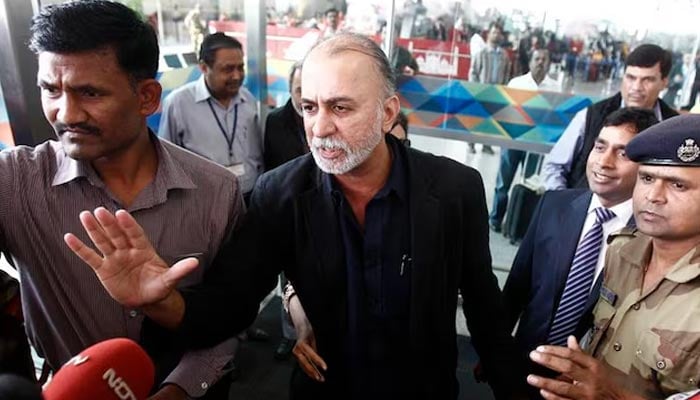
    An Indian court has sentenced former investigative magazine editor Tarun Tejpal to 10 years of rigorous imprisonment after convicting him in a rape case involving a junior colleague, bringing a high-profile legal battle that has spanned more than a decade to a major turning point. The case stems from allegations that Tejpal sexually assaulted a female journalist inside a lift at a luxury hotel in the coastal state of Goa during a media event in November 2013. A trial court had acquitted Tejpal in 2021 of charges including rape, sexual harassment and wrongful restraint. However, the Goa government challenged the verdict before the Bombay High Court, which overturned the acquittal and found him guilty. The court ordered Tejpal to surrender within two weeks to begin serving his sentence. In addition to the prison term, he was directed to pay a financial penalty imposed by the court. Following the verdict, Tejpal announced that he would challenge the conviction before India’s Supreme Court. He maintained that the case against him was politically motivated and claimed he had faced a prolonged campaign against him over the past 13 years. Tejpal was first arrested in 2013 after the allegations surfaced and spent several months in custody before being granted bail by the Supreme Court. Throughout the proceedings, he consistently denied the allegations and argued that the prosecution was driven by political considerations. The case attracted nationwide attention because it emerged during a period of heightened public concern over violence against women in India. Public debate over sexual assault had intensified following the 2012 gang rape and murder of a young woman in New Delhi, which led to widespread protests and significant reforms to India’s criminal laws on sexual offences. The conviction also had a lasting impact on Tehelka, once regarded as one of India’s leading investigative publications. The scandal severely damaged the magazine’s reputation and influence, despite continuing operations under new management.

  • | | |

    Pakistan foreign exchange reserves rise in the fin…

      Pakistan’s foreign exchange reserves recorded a modest increase during the last business week of July, reflecting a slight improvement in the country’s external financial position. According to the latest figures released by the State Bank of Pakistan (SBP), the nation’s total foreign exchange reserves increased by approximately 32.5 million US dollars during the week ending 31 July. With this increase, Pakistan’s total foreign exchange reserves reached 22.47 billion US dollars. Although the weekly rise was relatively small, it is considered a positive development, as foreign exchange reserves play a vital role in maintaining economic stability, supporting international trade, and strengthening investor confidence. Higher reserves enable the country to meet its external debt obligations, finance imports, and manage fluctuations in the value of the Pakistani rupee. The SBP reported that its own foreign exchange reserves rose by 13.1 million US dollars taking the central bank’s holdings to 17.04 billion US dollars by the end of the reporting week. The increase indicates a gradual strengthening of the country’s official reserve position. Central bank reserves are particularly important because they are used to stabilize the foreign exchange market, ensure adequate liquidity for international transactions, and provide a financial cushion during periods of economic uncertainty. In addition to the improvement in the SBP’s reserves, the foreign exchange reserves held by Pakistan’s commercial banks also recorded an increase. According to the data, commercial banks’ reserves rose by 19.4 million US dollars bringing their total holdings to 5.43 billion US dollars. These reserves consist of foreign currency deposits and other external assets maintained by commercial banks to facilitate international trade, foreign currency transactions, and customer requirements. The combined increase in the reserves of both the State Bank and commercial banks contributed to the overall rise in the country’s foreign exchange holdings. While the increase may appear modest in comparison to the total volume of reserves, it demonstrates stability in Pakistan’s external financial sector during the reporting period. Foreign exchange reserves are closely monitored by investors, international financial institutions, and credit rating agencies because they provide an indication of a country’s ability to meet its international financial commitments. A healthy reserve position also supports economic confidence by reducing pressure on the exchange rate and helping the government manage external payment obligations more effectively. Pakistan’s foreign exchange reserves have experienced fluctuations over the past few years due to factors such as external debt repayments, import payments, remittance inflows, export earnings, and financial assistance from international partners. As a result, weekly changes in reserves are often influenced by routine external transactions, repayments, and foreign currency inflows. The latest increase in reserves suggests that Pakistan’s external account remained relatively stable during the final week of July. Economists note that sustaining and further improving reserve levels will depend on continued growth in exports, higher workers’ remittances, prudent fiscal and monetary policies, and the successful implementation of economic reforms. Maintaining adequate foreign exchange reserves remains essential for supporting macroeconomic stability, strengthening investor confidence, and ensuring the country’s ability to meet its international financial obligations in the months ahead.

  • | | |

    Pakistan’s top civil-military leadership in Riya…

    Prime Minister Muhammad Shehbaz Sharif and Chief of Army Staff and Chief of Defence Forces Field Marshal Syed Asim Munir arrived in Saudi Arabia on Thursday for high-level talks with the Kingdom’s leadership, as Pakistan seeks to consolidate its strategic partnership with Riyadh and build on its growing diplomatic engagement in efforts aimed at promoting peace and stability across the region. The visit, at the invitation of Saudi Crown Prince and Prime Minister Mohammed bin Salman bin Abdulaziz Al Saud, comes at a pivotal moment in regional geopolitics and is expected to focus on security cooperation, defence collaboration, economic partnership and coordination on key regional developments. Accompanying the prime minister are Deputy Prime Minister and Foreign Minister Senator Ishaq Dar, Defence Minister Khawaja Muhammad Asif, Information Minister Attaullah Tarar and Special Assistant Tariq Fatemi. Prime Minister Shehbaz Sharif is scheduled to hold extensive discussions with Crown Prince Mohammed bin Salman on expanding the strategic partnership between the two brotherly nations, reviewing the regional security environment and enhancing cooperation across defence, investment and economic sectors. The presence of Field Marshal Syed Asim Munir in the delegation underlines the growing strategic dimension of Pakistan-Saudi Arabia relations. Security analysts say the visit reflects Islamabad’s commitment to strengthening defence coordination with Riyadh at a time when regional stability remains a shared priority. The visit also comes as Pakistan projects an increasingly active diplomatic profile in regional affairs. Islamabad has consistently advocated dialogue over confrontation and has supported international efforts to reduce tensions and encourage peaceful engagement in the Middle East. Pakistani officials have maintained that the country’s foreign policy is centred on promoting regional peace, stability and constructive diplomacy. Pakistan’s diplomatic engagement in recent months, including its support for efforts to encourage dialogue between regional and international stakeholders, has reinforced its image as a country seeking political solutions to complex regional challenges. Officials say Islamabad remains committed to facilitating an environment conducive to peace and stability while maintaining close coordination with key partners, including Saudi Arabia. Pakistan and Saudi Arabia share decades of historic brotherhood founded on mutual trust, shared faith and unwavering support. Over the years, the relationship has evolved into a comprehensive strategic partnership encompassing defence, security, investment, energy and regional cooperation. The recent defence cooperation pact between the two countries has further strengthened bilateral ties, adding greater institutional depth to military collaboration and opening new avenues for strategic coordination. Officials believe the agreement reflects the confidence both leaderships have in each other’s commitment to safeguarding regional peace and collective security. Against the backdrop of rapidly changing geopolitical dynamics, the Riyadh meetings are expected to reaffirm the close alignment between Islamabad and Riyadh on regional and international issues while exploring fresh opportunities for economic investment and defence cooperation. Besides his official engagements, Prime Minister Shehbaz Sharif will perform Umrah and offer prayers at the Prophet’s Mosque in Madinah. Officials described the visit as another milestone in Pakistan-Saudi Arabia relations, expressing confidence that the high-level engagement will further strengthen one of Pakistan’s most important strategic partnerships and reinforce Islamabad’s continuing commitment to regional peace, dialogue and stability.