trainee doctors stipend
| |

Trainee doctors’ stipend dispute reaches Senate,…

Islamabad: The Senate Standing Committee on National Health Services, Regulations and Coordination has taken serious notice of complaints by trainee doctors regarding unpaid or reduced stipends and directed authorities to protect the rights of young doctors working in training programmes.

During the meeting held in Karachi under the chairmanship of Senator Amir Waliuddin Chishti, the Committee reviewed the implementation of its previous recommendations regarding the College of Physicians and Surgeons Pakistan (CPSP). Members observed that earlier directions issued by the Committee had not been implemented in their true spirit and directed CPSP to ensure complete compliance.

The matter became serious when a delegation of 14 trainee doctors from Sobhraj Maternity Hospital appeared before the Committee and alleged that the hospital was not following the stipend directions issued by the Ministry and CPSP. The trainee doctors claimed they were being paid below the prescribed stipend amount, creating financial difficulties for doctors already working in demanding medical training environments.

Taking notice of the complaints, Chairman Committee Senator Amir Waliuddin Chishti directed the Ministry of National Health Services to coordinate with the provincial government and resolve the issue without delay. He also directed CPSP to register the affected doctors from the date they joined, ensuring their training status and rights were properly recognized.

CPSP officials informed the Committee that necessary directions had already been issued to affiliated institutions regarding the implementation of the Committee’s recommendations. The Committee appreciated the steps taken by CPSP but emphasized that instructions must be followed practically at the institutional level so trainee doctors do not face difficulties.

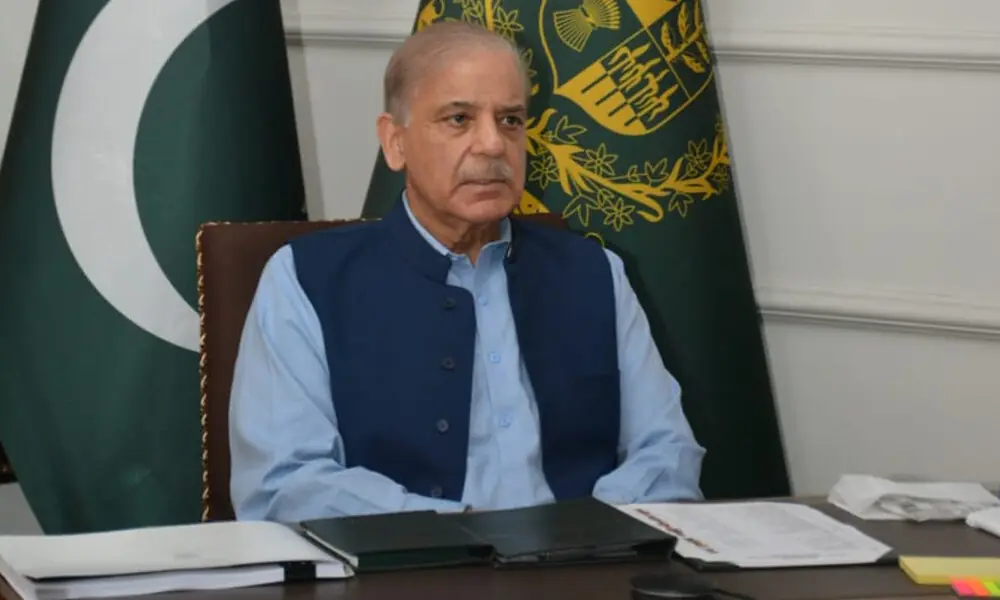
The Committee was also informed that the issue of revising trainee doctors’ stipends was currently awaiting approval from the Prime Minister. The Secretary of National Health Services informed members about the pending approval process regarding the revision of stipends for trainees.

The Committee’s action comes amid wider concerns about healthcare conditions and the challenges faced by medical professionals during training. Chairman Senator Amir Waliuddin Chishti also directed that the Committee should visit different provinces to examine the healthcare system and meet relevant stakeholders. The first visit will be to Punjab, with the next Committee meeting scheduled in Lahore.

The Senate Committee directed the concerned ministries and organizations to submit progress reports on the matters discussed before the next meeting, making it clear that implementation of decisions would be closely monitored.

Similar Posts

  • | |

    Umera Ahmed urges fans to avoid AI-generated content

    Renowned Urdu novelist Umera Ahmed has appealed to readers and content creators to stop producing and sharing AI-generated visuals based on her literary works, saying such content diminishes the emotional and spiritual depth of her stories. In a statement shared through her official Instagram page, Ahmed’s team thanked readers for their continued love and support but expressed concern over the growing number of AI-generated images, videos and reels portraying scenes, characters and dialogues from her novels. The statement urged fan pages and digital creators to refrain from using artificial intelligence to recreate her books. According to the team, literature offers every reader a unique and personal experience, while AI-generated visuals limit that imagination by presenting a fixed interpretation of characters and events. Special concern was raised over Ahmed’s acclaimed novel Peer-e-Kamil, which the team described as a deeply spiritual and emotionally sensitive work. They said its message, beauty and sanctity should not be diluted through artificial intelligence-generated content. While appreciating the passion and dedication of fan communities, the statement encouraged readers to experience and share the author’s work in its original form, allowing the stories to leave their intended emotional impact without technological alteration. The appeal comes as artificial intelligence continues to spark debate within Pakistan’s creative and entertainment industries. Concerns over the misuse of AI have grown in recent months, with artists and public figures warning about its impact on originality, artistic integrity and personal image rights. The discussion intensified after an AI-generated promotional music video released by the Ministry of Planning and Development drew widespread criticism. Separately, television personalities Tauseeq Haider and Farah Saadia were forced to deny false rumours after AI-created images depicting their alleged wedding circulated online. Actor Hira Tareen has also urged fellow performers to carefully review contract terms, warning that some agreements may allow studios to use an actor’s likeness for AI-generated productions without adequate safeguards.

  • | | |

    Rising chip costs may increase phone prices in Pak…

    The rising cost of semiconductor chips in the global market could lead to another increase in mobile phone prices in Pakistan, as smartphone manufacturers continue to face higher production expenses. Industry experts say the global technology sector is experiencing a sharp rise in the cost of key components used in smartphones. The increasing demand for advanced semiconductor chips, particularly those used in artificial intelligence (AI) data centres, has placed significant pressure on chip manufacturers and global supply chains. In addition to AI-related demand, the prices of memory chips, silicon wafers, chip packaging materials and other electronic components have also increased. These factors have raised the overall cost of manufacturing smartphones, forcing companies to review their pricing strategies. The impact is being felt across the international mobile industry. Manufacturers are facing higher production costs, while suppliers are adjusting prices to cope with increased manufacturing expenses. As a result, smartphone companies are expected to pass part of the additional cost on to consumers. Pakistan’s mobile phone market is closely linked to global supply chains because most smartphones and their components are imported. Any increase in international production costs is likely to affect the prices of devices sold in the local market. Industry analysts say consumers may have to pay more for both premium and mid-range smartphones if the trend continues. They added that the exact increase will depend on international market conditions, import costs and currency exchange rates in the coming months. The expected rise would come at a time when consumers are already dealing with higher prices for electronic goods due to inflation and increased import expenses. A further increase in smartphone prices could reduce purchasing power and slow demand in the local market.

  • |

    Taylor Swift music removed from Trump TikTok videos

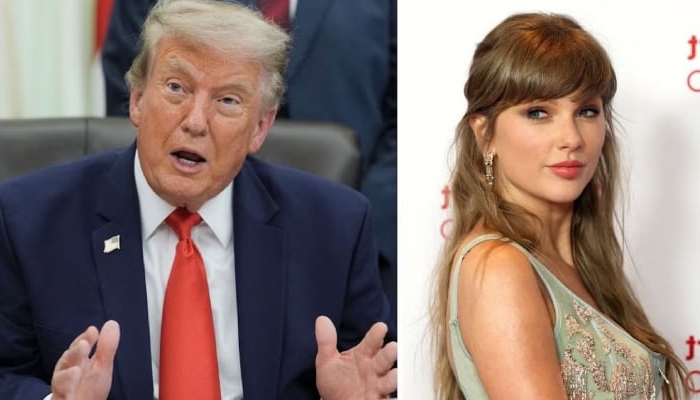
    Taylor Swift has reportedly had more of her music removed from TikTok videos posted by Donald Trump and the official White House account, adding another chapter to the ongoing tension between the pop superstar and the US president. The latest incident involved Swift’s 2021 song “Bet You Think About Me,” which was featured in a TikTok video showing Trump speaking to supporters. The video was posted on the official White House account and included a caption that appeared to reference Swift’s lyrics, saying, “We know you think about us.” However, within hours of the video being posted, viewers noticed that Swift’s song was no longer playing. The audio had been muted, while an onscreen message stated that the sound was unavailable. The removal quickly attracted attention from Swift’s fans, many of whom have closely followed the singer’s public and political disagreements with Trump. Reports have also indicated that Swift’s music was removed from other White House TikTok videos posted months earlier. One recent example featured Trump and First Lady Melania Trump watching fireworks. The video included text describing the mood as being excited because it was August and Trump was president. The clip originally featured Swift’s song “August,” a track from her critically acclaimed 2020 album “Folklore.” It also included a message from Trump’s team suggesting that Swift would be pleased that her music had been used, along with hashtags referencing the singer, the song and the MAGA movement. The situation changed several days later when the song was no longer available in the video. Instead, TikTok displayed a notice explaining that the copyright owner had not made the sound available in the country. Trump’s social media team later appeared to respond by using another Swift song, “Red,” in a separate TikTok post. The video featured a parody album cover showing Trump wearing a red MAGA hat, along with a fictional playlist titled “Red (Donald Trump’s Version).” The disputes over Swift’s music come amid a long-running public relationship between the singer and Trump that has often been marked by political differences. Trump has previously criticized Swift publicly, while the singer has openly expressed political views that have frequently placed her at odds with him and his supporters. Swift’s ownership of her music has also become an important part of the situation. She regained control of her original master recordings in May 2025 after a lengthy dispute over ownership. As a result, her control over her catalog has allowed her to take a stronger position regarding how her recordings are used. The repeated removal of Swift’s songs from Trump-related TikTok posts highlights the complicated relationship between copyright ownership, social media and political messaging. It also demonstrates how the use of popular music can quickly become controversial when it is connected to political figures or movements.

  • | |

    PTI leader Abdullah Tahir murder case: Police unco…

        LAHORE – In a significant development in the high-profile murder case of Pakistan Tehreek-e-Insaf (PTI) leader Abdullah Tahir, the police investigation has uncovered shocking details involving a sophisticated honey-trap operation and the use of drone cameras for surveillance. Abdullah Tahir, a prominent political figure, was gunned down in the upscale Gulberg area of Lahore just a few days ago, sending shockwaves through the political landscape and prompting widespread calls for a swift and transparent investigation. According to official police sources and investigative reports, the murder was not a random act of violence but a meticulously planned assassination that leveraged technology and human manipulation to track the victim’s movements. The breakthrough in the case came when investigators zeroed in on the victim’s personal driver, who has become a pivotal figure in the unfolding narrative. Police interrogation and digital forensics have revealed that the driver was systematically honey-trapped by a female accomplice working in tandem with the primary suspects. The investigation has established that the female suspect initiated contact with Abdullah Tahir’s driver through a popular social media application. Over a period of several days, she allegedly cultivated a rapport with the driver, gaining his trust and extracting crucial information about his employer’s daily routines, security arrangements, and travel schedules. The use of social media as a tool for reconnaissance highlights the increasing sophistication of criminal networks in Pakistan, which are now exploiting digital platforms to orchestrate targeted killings. The most damning evidence, however, emerged from the timeline of the day of the murder. Police sources confirm that on the fateful day, after the driver had accompanied Abdullah Tahir to his clinic, a video call was placed between the driver and the female suspect. During this call, the suspects are believed to have instructed the driver to confirm the victim’s presence at the clinic in real-time. The video call effectively served as a live verification mechanism, allowing the hitmen to ensure that their target was indeed on the premises before they moved in to execute the attack. This revelation underscores the calculated and cold-blooded nature of the conspiracy. Furthermore, the investigative team has uncovered evidence that the suspects deployed a drone camera to conduct aerial surveillance of the clinic and its surroundings prior to the assassination. The drone was reportedly used to map out the location, identify potential escape routes, and monitor the movement of security personnel or any other individuals who could interfere with the operation. The use of drone technology in this case represents a disturbing new trend in criminal activity, indicating that the perpetrators had access to advanced equipment and technical expertise, possibly hinting at a larger network behind the killing. The recovery of digital data from the driver’s mobile phone, including chat logs, call records, and multimedia files, has been instrumental in piecing together the conspiracy. The police have also detained the female suspect for interrogation, and efforts are underway to trace the other accomplices who participated in the planning and execution of the murder. Preliminary investigations suggest that the suspects operated with a high degree of coordination, using encrypted communication methods to avoid detection.   Abdullah Tahir’s murder has already become a politically charged issue, with his party, the PTI, demanding a high-level judicial inquiry and condemning what they describe as a failure of state institutions to protect their leaders. The party has also alleged that the killing may be linked to political vendettas, though the police have so far refrained from assigning a political motive to the crime, stating that all angles are being explored. As the investigation continues, the focus remains on capturing the masterminds and executing the attack. The police have assured the public and the political leadership that no effort will be spared in bringing the culprits to justice. The use of honey-trapping and drone surveillance in this case has not only complicated the investigation but has also raised serious questions about the safety of public figures in an era of rapidly evolving technological threats. The authorities are now reviewing security protocols for VIPs and considering stricter regulations on the use of drones and surveillance equipment to prevent similar incidents in the future.

  • | | |

    Tax ombudsman flags flaw in FBR refund system

    Pakistan’s Federal Tax Ombudsman has identified a major flaw in the Federal Board of Revenue’s (FBR) FASTER sales tax refund system and directed the tax authority to take immediate corrective measures. The ombudsman said the issue is affecting exporters and undermining the effectiveness of the automated sales tax refund mechanism, which was introduced to ensure quicker processing of refund claims. The observations were made in a ruling issued by Federal Tax Ombudsman Zafar Hijazi while deciding complaints filed by a company regarding delays and issues in the refund process. According to the decision, the FASTER system is unable to distinguish between commercial export goods declarations and non-commercial sample exports. As a result, exporters may face unnecessary delays or complications in obtaining legitimate sales tax refunds. The ombudsman directed the FBR to address the technical shortcomings in the system without delay to ensure that genuine exporters receive timely refunds and the automated mechanism functions efficiently. The ruling emphasized that improving the FASTER system is essential for protecting exporters’ interests and maintaining confidence in Pakistan’s tax refund process

  • | |

    PM orders aid for rain and flood victims

    LAHORE: Prime Minister Shehbaz Sharif has ordered the immediate provision of financial assistance to families affected by recent monsoon rains and floods across Pakistan, while directing authorities to speed up relief and rehabilitation efforts. Chairing a meeting in Lahore on Saturday to review the ongoing response, the prime minister instructed that compensation be provided to families who lost loved ones and to owners of houses that were completely or partially damaged by the severe weather. Shehbaz also called for the swift restoration of electricity transmission networks and roads in affected areas. Federal ministers and senior officials were directed to personally visit impacted regions, assess the damage and oversee rehabilitation work. The prime minister further ordered authorities to accelerate the delivery of food and other essential relief supplies to areas that remain difficult to access. The National Disaster Management Authority (NDMA) and provincial disaster management authorities were told to maintain full preparedness as more rain and flooding are forecast. Officials briefed the meeting that around 615 tonnes of relief supplies had already been dispatched to monsoon-hit areas, with additional consignments being arranged. Authorities also reported that flood-affected residents had been moved to safer locations across all affected areas. Restoration efforts are underway in Punjab, Sindh, Balochistan, Khyber Pakhtunkhwa, Gilgit-Baltistan and Azad Jammu and Kashmir, while disaster management teams remain on standby for any further emergencies. The meeting was also informed that early warning systems in the northern areas are operational and have helped authorities evacuate residents to safer locations ahead of potential flooding.

Leave a Reply

Your email address will not be published. Required fields are marked *