تازہ ترین

  • | |

    Hira Mani’s witty response to Katrina Kaif comparison

    Popular Pakistani television actress and singer Hira Mani sparked widespread amusement across social media after offering a quick, lighthearted response to a flattering comment from a fan. ​Known for her candid and spontaneous online persona, the actress caught the attention of digital audiences during a recent interaction on her social media page. The exchange began when a fan posted a dramatic compliment under one of her photos, playfully writing that she was “Katrina Kaif ki bhi maa” (superior even to Katrina Kaif). ​Rather than ignoring the comment or posting a conventional thank-you, Hira embraced her signature sense of humor. She quickly responded with a playful remark that was widely shared across online entertainment portals: ​”Who is Katrina Kaif? People call me Hira Mani!” ​The swift reply garnered thousands of likes and sparked a flurry of reactions from fans and followers. Social media users commended the actress for handling the exaggerated compliment with humor and confidence, praising her approachable style. ​The comment section quickly turned into a lively discussion. While many followers complimented her appearance and television work, others joined the banter, jokingly noting that as a mother of two sons, she is already a mother in real life. ​Hira Mani remains a frequent subject of media attention due to her television roles and active social media presence. Industry observers often note that her direct and unscripted interactions with followers help maintain her strong connection with audiences.

  • | |

    NCCIA Punjab cracks down on online blackmailers, a…

    LAHORE: The National Cyber Crime Investigation Agency (NCCIA) Punjab has arrested three suspects in coordinated operations across Lahore, Faisalabad, and Multan for allegedly harassing, blackmailing, and targeting women through social media platforms. The operations were carried out under the special directives and supervision of NCCIA Punjab Director Muhammad Ali Waseem as part of an intensified campaign against cyber-enabled crimes involving women. During the raids, investigators seized mobile phones, SIM cards, and other electronic devices containing digital evidence, while further investigations are underway. In Lahore, NCCIA officials arrested Qaiser Bilal in connection with FIR No. 151/2026. Authorities said a mobile phone recovered from the suspect allegedly contained objectionable photographs of the complainant, threatening messages, and evidence of image sharing. Investigators further alleged that the suspect created a private TikTok account under the name “Miss.B” to upload the victim’s photographs and falsely posed as an officer of a sensitive government institution to intimidate and blackmail her. The case is being investigated by Sub-Inspector Umm Salma. In Faisalabad, officials arrested Soban Ahmed under FIR No. 100/2026. According to investigators, the suspect allegedly used social media platforms and WhatsApp to blackmail and threaten the complainant’s sister by exploiting objectionable material. A mobile phone and SIM cards believed to have been used in the offence were recovered during the operation. Sub-Inspector Umar Rehman is leading the investigation. Meanwhile, in Multan, NCCIA arrested Muhammad Imran in connection with FIR No. 123/2026. Authorities alleged that the suspect obtained objectionable images of the complainant and circulated them through multiple WhatsApp accounts while continuously harassing the victim and her family. Investigators recovered a mobile phone, two SIM cards, and the WhatsApp account allegedly used in the crime. A court has granted a four-day physical remand of the suspect to facilitate further investigation, which is being conducted by Sub-Inspector Saeed Ahmed. Director NCCIA Punjab Muhammad Ali Waseem reaffirmed the agency’s commitment to protecting women from online harassment, blackmail, and the misuse of digital platforms. He said the agency would continue taking strict legal action against those involved in cybercrimes targeting women and would use advanced digital forensic techniques to ensure offenders are brought to justice.

  • |

    LAPD expert testifies on air fresheners found in D4vd’s Tesla

    A Los Angeles Police Department criminalist gave testimony this week about evidence found inside singer D4vd’s Tesla. Chelsea Murillo took the stand on July 22, the second day of the preliminary hearing, and told the court that she discovered eleven air fresheners scattered throughout the vehicle. Most of them were found in the center console, the rear seats, and the frunk. Murillo said she also noticed air fresheners tucked into the rear door pockets. Beyond that, she reported finding insects and dead flies in the vehicle’s front storage compartment. During her testimony, prosecutors presented photos as evidence. One image showed the air fresheners recovered from the car and the other displayed a mass of fly larvae found in the area where the body had reportedly been hidden. Murillo described a strong smell coming from inside the vehicle. She testified that the odor matched what she recognized as the smell of a decomposing body. The forensic inspection took place on September 9, 2025, one day after the remains were first discovered. The case centers on the death of a 14-year-old girl named Celeste Rivas Hernandez, D4vd is accused of killing her in 2025. Prosecutors allege the teen had threatened to expose details about a sexual relationship with the singer. According to reports, Celeste was just 13 years old when the relationship reportedly began. The preliminary hearing is expected to continue as more evidence and testimony are presented. Investigators have focused heavily on forensic details tied to the vehicle, given its central role in the case. Court proceedings so far have relied on physical evidence, including scent-based observations and biological findings inside the car. The presence of insects and decomposition-related signs has become a key point in establishing the timeline of events. D4vd has not been convicted, and the legal process remains ongoing. The hearing will help determine whether the case moves forward to trial. As details continue to emerge, the case has drawn significant public attention, given the singer’s public profile and the serious nature of the allegations involved. Updates from the courtroom are expected in the coming days as the hearing progresses further.

  • | |

    Bangladesh jet crash survivors and families mark o…

    Families and survivors of a Bangladesh jet crash that killed dozens at a Dhaka school gathered this week to mark one year since the disaster, with many saying they are still waiting for accountability. Nure Jannat Yusha was a sixth grade student going through an ordinary school day when a Bangladeshi air force jet went down over her campus in the capital. The crash killed 36 people, most of them children, and turned Milestone School and College, a private institution that had been full of students moments earlier, into a scene of fire and panic within minutes. The disaster remains the deadliest aviation accident Bangladesh has recorded in several decades. Earlier this week, relatives and survivors came together to mark the anniversary. Many of the attendees were students who say the trauma of that day continues to shape their daily lives, including Yusha. She told a local broadcaster that fear still follows her whenever she encounters aircraft. “Even now, if I go to school and see a plane, I feel afraid,” she said. She added that the memory disrupts her sleep and resurfaces in nightmares that place her back in the fire. Yusha was among more than 160 people injured in the crash. She attended a memorial held at a hospital in Dhaka on Tuesday, where several families said they still lack clear answers about how and why the crash happened. Her mother, Yasin Akter, said the accident has changed her daughter in ways that go beyond physical injury. Yusha had once hoped to become a dancer, an ambition her mother says has since faded. “My daughter screams all day and is afraid,” Akter said, explaining that her daughter now associates the sky and passing aircraft with danger. The anniversary gathering highlighted a broader pattern common after major air disasters, where survivors and grieving families continue to seek transparency long after public attention shifts elsewhere. Psychological trauma among child survivors, in particular, tends to persist well beyond the initial recovery period, often requiring sustained mental health support that is not always readily available in the aftermath of large scale emergencies. Aviation authorities in South Asia have faced scrutiny in recent years over oversight of military and civilian flight paths near populated areas, an issue that has resurfaced in public discussion following the Milestone School crash. Analysts who study aviation safety note that incidents involving military aircraft over densely populated zones often prompt renewed debate about flight corridor planning and emergency response coordination, though structural changes can take years to implement even after a high profile disaster. For families like Yusha’s, the anniversary was less about policy debate and more about the everyday reality of raising a child who survived a catastrophe that claimed the lives of classmates and teachers. As the investigation into the crash continues, many of those affected say they simply want acknowledgment and clarity on what went wrong, along with continued support as their children work through the lasting effects of that day.

  • | |

    Indian activist Sonam Wangchuk says he remains ali…

    Indian activist Sonam Wangchuk says he has lost 11 kilograms during a 26 day hunger strike but remains alive, as his protest continues to fuel a wider youth movement demanding education reforms in India. Wangchuk, known widely as Sonam sir, has become the central figure in a youth led campaign organized by the Cockroach Janta Party, which is calling for sweeping education reforms and the resignation of Education Minister Dharmendra Pradhan. He was removed from the group’s protest site at Delhi’s Jantar Mantar on Saturday and taken to a hospital, where he has continued his fast. Despite his removal from the demonstration site, thousands of supporters have kept returning to Jantar Mantar, even after a heavy handed police response to a march toward parliament earlier in the week left numerous protesters and police officers injured. That crackdown has intensified public anger and energized opposition parties, creating a growing political challenge for Prime Minister Narendra Modi’s government. Modi has not addressed the protests directly or met with demonstrators, but he issued a statement on social media that many interpreted as an effort to connect with students angered by repeated leaks of exam papers. He wrote that the welfare of the country’s youth matters above all else and said the government would establish fast track courts to deliver swift punishment for those responsible for the leaks. A spokesperson for the Cockroach Janta Party, Ashutosh Ranka, responded that the government’s plan addressed the aftermath rather than the root cause, saying the movement wants to know why the leaks keep happening and who profits from them. He indicated in a video statement that protesters intend to continue their campaign until their demands are met. Even though Wangchuk is no longer physically present at the protest grounds, his fast has become a symbolic centerpiece of the movement, with demonstrators displaying placards and artwork referencing his hunger strike. Before he was hospitalized, he spent 21 days enduring intense summer heat while consuming only salt and water. Medanta Hospital in Gurugram said in a statement that Wangchuk was admitted to intensive care and is being monitored by a team of specialists. The hospital described his condition as stable and said his vital signs remain within normal ranges, adding that all treatment is being given with his consent. On Wednesday, senior figures including Cockroach Janta Party founder Abhijeet Dipke, along with opposition lawmakers, activists and public personalities, again urged Wangchuk to end his fast. Health Minister JP Nadda, who visited the hospital on Tuesday night, said he too had asked the activist to stop and rejoin efforts to guide young people, adding that the government remains willing to discuss the issues he has raised. Wangchuk has so far rejected these appeals. In a video statement recorded from his hospital bed on Wednesday night, he said he wants to end his fast because his work matters to him, but added that he would only do so once the government guarantees no force or retaliation will be used against students. He said he would end the strike immediately if that assurance comes, and would continue if it does not. He also praised the students involved in Monday’s confrontation with police, saying they showed remarkable composure even while being beaten with sticks, and said their restraint under pressure led him to keep going with his fast. Neither Wangchuk’s latest statement nor an earlier letter he sent to government ministers he met on Tuesday mentioned Pradhan’s resignation directly, though the Cockroach Janta Party maintains that the demand has not changed. Dipke told supporters that the protest at Jantar Mantar will continue until Pradhan steps down, and said the movement would not let Wangchuk’s sacrifice or the injuries suffered by students go without result. The standoff reflects a broader pattern seen in past protest movements across South Asia, where a single high profile figure’s personal sacrifice becomes a rallying point that sustains momentum long after the initial spark fades. Hunger strikes in particular have a long history in Indian political life as a tool for applying moral pressure on governments, dating back to independence era activism, and their effectiveness often depends on sustained public attention and the government’s willingness to negotiate before a health crisis forces the issue. As the standoff continues, the government faces mounting pressure to address both the immediate demand for accountability over exam paper leaks and the broader question of how education policy is managed, while doctors continue to monitor Wangchuk’s condition inside the hospital.

  • |

    Weight-loss jabs like Ozempic linked to higher hair loss risk

    Millions of people rely on weight-loss injections like Ozempic, Wegovy, and Mounjaro to shed extra pounds. Now, new research suggests these drugs may come with an unexpected downside. A recent study found that these medications significantly raise the risk of hair loss. Patients using them were found to be 70 percent more likely to experience hair loss compared to those on other diabetes medications. The research came from a team at the University of Pennsylvania. They reviewed more than 50,000 health records for the study and their findings showed a clear link between Wegovy, Mounjaro, and a higher chance of developing alopecia. Since these drugs are also prescribed for type 2 diabetes, researchers compared them against other diabetes treatments. These included SGLT-2 inhibitors and DPP-4 inhibitors. The results were striking. People taking GLP-1 drugs were 69 percent more likely to experience hair loss than those on DPP-4 inhibitors. They were also 37 percent more likely to face hair loss compared to SGLT-2 inhibitor users. Researchers noted that hair loss tended to appear around the one-year mark after starting treatment. The pattern showed up in both men and women, though it seemed more pronounced in women. The study’s authors explained that hormonal shifts triggered by the drugs could affect hair growth. This effect may be stronger in people who already have underlying hormonal conditions. They said their findings build on earlier informal reports and offer clearer evidence for doctors to consider. Importantly, the hair loss identified was non-scarring. This means the hair follicles remain intact, leaving room for regrowth over time. The FDA has reportedly been collecting reports of hair loss linked to these medications. The agency is said to be reviewing the issue as a possible safety concern. Experts pointed to several possible explanations. Strict calorie cutting can create psychological stress and lead to shortages of key nutrients like iron, zinc, and biotin. These deficiencies can interfere with normal hair growth cycles. Hormonal changes caused by the drugs themselves were also flagged as a contributing factor. A weight-management researcher from the University of Cambridge added some context. They noted the increased risk translates to roughly three extra recorded hair loss cases per 1,000 person-years of treatment, compared to other diabetes drugs.

  • |

    Fawad Khan’s latest photos trigger cosmetic surgery speculation

    Pakistani actor and singer Fawad Khan has once again become the center of attention after his latest appearance went viral on social media, with fans and followers reacting to what many described as a noticeably different look. A series of recent photos of the popular star quickly spread across various social media platforms, prompting widespread discussion among fans. Many users pointed out that Fawad’s facial features appeared different from what they were accustomed to seeing, leading to a wave of comments and speculation. Known for his timeless charm and sophisticated style, Fawad Khan has long been regarded as one of Pakistan’s most admired celebrities. His latest appearance, however, has generated mixed reactions, with admirers and critics sharing contrasting opinions about the transformation. A large number of fans praised the actor’s refreshed appearance, insisting that he continues to look as handsome as ever. Many complimented his well-groomed style, youthful appearance, and confident presence, saying that he effortlessly maintains his signature elegance regardless of changing fashion trends. Some social media users also noted that Fawad’s facial features in the new photos bear a resemblance to several popular Turkish actors. They highlighted his sharp jawline, neatly styled hair, and overall appearance, suggesting that his look reflects a modern international style that has become increasingly popular among celebrities. However, not all reactions were positive. A section of social media users questioned whether the actor had undergone cosmetic procedures to achieve his updated appearance. Some speculated that he may have opted for aesthetic treatments or facial enhancements in an effort to maintain a youthful look. Despite the speculation circulating online, Fawad Khan has not made any public statement regarding the comments about his appearance. There has also been no official confirmation that he has undergone any cosmetic surgery or aesthetic procedure. Celebrity appearances often become a topic of discussion on social media, where even minor changes in hairstyle, grooming, makeup, lighting, camera angles, or weight can lead to widespread speculation. Experts have frequently noted that photographs taken under different lighting conditions or edited for promotional purposes can significantly alter how a person’s features appear. Fawad Khan has built a successful career in both the Pakistani music and television industries before expanding his presence into films. Over the years, he has earned a loyal fan base through acclaimed performances and has remained one of the country’s most recognizable entertainment personalities. The latest discussion surrounding his appearance reflects the intense public interest that often follows high-profile celebrities. While many fans continue to celebrate his style and screen presence, others remain curious about whether the change is simply the result of a new grooming approach, photography techniques, or something more. For now, the conversation remains largely speculative, as neither Fawad Khan nor his representatives have addressed the online claims. Until any official statement is made, assertions that the actor underwent cosmetic surgery remain unverified, while his latest look continues to generate debate across social media.

  • | |

    Rising heat pushes even Africa’s resilient c…

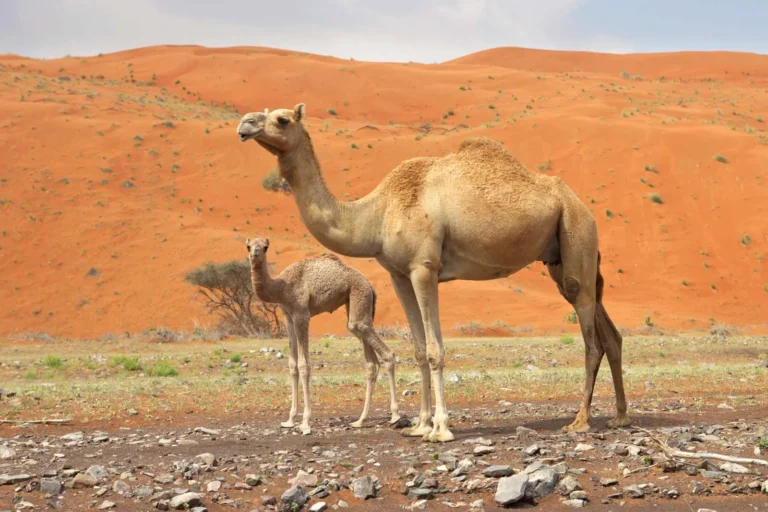
    Camel herders and scientists across Africa say that rising temperatures are now overwhelming animals long regarded as uniquely suited to desert extremes, with herds facing rising death tolls, illness, and shrinking grazing lands. In the Afar region of northeastern Ethiopia, among the hottest and driest places on the planet, nomadic herders traditionally lead camel caravans loaded with salt across the desert. Ali Umer, a 40 year old herder from Semera who owns around 500 camels, said he watches his animals struggle under conditions he has never seen before. He described blistered feet, watery eyes, and burned skin among his herd, and said the sand itself now scorches the animals as they rest. Umer said he lost eight camel calves in a single month due to extreme heat, and added that even the wind no longer brings relief. He said the changes have become noticeably worse in recent years. Umer’s account matches what researchers and veterinarians are documenting across the continent. Scientists and animal welfare specialists point to stress, fatigue, dehydration, and rising disease rates as direct consequences of extreme heat, while indirect effects such as water shortages, vegetation loss, and disappearing shade compound the damage. North Africa and the Horn of Africa are home to roughly 80 percent of the world’s dromedary camel population, the single humped variety that farmers across the region have increasingly relied on because of its reputation for withstanding drought and heat. A 2025 study examining herder perceptions in southern Ethiopia found that climate variability had measurably harmed camel health, productivity, and reproduction. The crisis appears especially acute in Somalia. Research published in June found that drought linked camel deaths have affected nearly 46 percent of camel owning households, based on a survey of almost 6,000 pastoral families. The mortality was heavily concentrated in northern areas, with the Sool region recording a death rate of nearly 73 percent. Experts say extreme heat is the central driver behind the region’s drought conditions, though poor veterinary access and weak herd management make outcomes worse. Atmospheric scientists have linked the severe 2021 to 2022 drought to sustained high temperatures, which accelerate evaporation from soil and water sources and increase the rate at which plants release moisture into the air. Veterinarians on the ground report a growing caseload tied to heat. Hassan Nuya Guyo, a veterinary officer in Marsabit county in northeastern Kenya near the Ethiopian border, said his clinic is seeing a sharp rise in hyperthermia cases that leave camels vulnerable to secondary infections. He said camel deaths in the county have risen more than 15 percent over the past two years due to heat and drought. Separate research from the Horn of Africa links heat stress to higher disease rates and falling milk yields among camel herds. A similar pattern is emerging in North Africa. A study conducted in Algeria and published this year documented a marked rise in camel deaths during summer heatwaves, with researchers noting clear seasonal mortality spikes that they say call for targeted responses such as emergency water supplies, supplemental feeding, and closer disease monitoring during peak summer months. The World Meteorological Organization says extreme heat events have become routine across North Africa, with heatwaves trending upward since 1981. Several countries in the region and the wider Middle East recorded temperatures above 50 degrees Celsius in 2024. The organization’s most recent State of the Climate in Africa report found that North Africa warmed faster than any other subregion on the continent between 1991 and 2025, at a rate of 0.43 degrees Celsius per decade. Camels are naturally equipped to handle heat up to about 40 degrees Celsius. Their bodies allow internal temperature to fluctuate throughout the day, reducing the need to sweat, while concentrated urine, dry waste, and a thick protective coat help limit water loss and block solar radiation. But researchers say those adaptations are no longer enough. Mohammed Bengoumi, a camel health specialist with the United Nations Food and Agriculture Organization who works across North Africa, said summer temperatures in large parts of the Sahara now regularly exceed 50 degrees Celsius, raising the risk of severe heat stress, especially where vegetation, water, and shade are already scarce. Abdelmadjid Chehma, a professor at the University of Ghardaia in Algeria who has conducted experimental research on desert camels, said sustained heat above 41 to 45 degrees Celsius damages the animals at a cellular level, weakening their immune systems and preventing white blood cells from repairing themselves. He said the resulting stress slows the animals’ metabolism as their bodies try to limit internal heat production, which in turn reduces appetite and causes lethargy, lower milk output, and reproductive problems. Mohammed el Khasmi, an animal hydrobiology expert at the University of Casablanca in Morocco, said his team has documented a wide range of heat related harm in camels, including weight loss, inflammation, muscle and bone damage, kidney related chemical imbalances, and parasite driven infections. The combined pressures are forcing some herding communities to abandon land they have used for generations. Daniel Gelan, a pastoralist development researcher at Vision University in Ethiopia, said herders in the country’s north are relocating permanently to southern areas with more reliable water and vegetation, rather than following the seasonal migration patterns of the past, because the northern region can no longer sustain camel herding. The Horn of Africa is still recovering from a severe drought that lasted from 2020 to 2023 and is now facing another period of harsh conditions, according to the charity Oxfam, which reported that water prices in parts of Somalia have jumped by more than 2,000 percent. Back in Afar, Umer said he fears disease could soon begin killing his adult camels as well. Chehma said that concern reflects a broader shift underway across the region, where an animal once seen as the ultimate survivor of desert life is now being pushed toward its own breaking point by the pace and severity of current heatwaves.


  • | |

    Police officer took his own life after leading dou…

    An investigation has found that a police officer who died by suicide in May carried out a series of rapes and attempted murders targeting women over a period of at least fourteen years while serving as an officer. PC Alan Greer’s earliest known victim was a woman he raped inside her own home in Glasgow in 2012, shortly after she had contacted police to report an unrelated crime. The woman came forward late last year to report the assault, a disclosure that triggered one of the largest anti corruption investigations in Police Scotland’s history. Detectives have since identified eight additional victims, five of them sex workers who were attacked while Greer was off duty. Investigators have also established that Greer paid for sex from hundreds of women throughout his career and expect further victims to come forward as the inquiry continues. Assistant Chief Constable Lynn Ratcliff, who is leading the investigation, described the findings as deeply disturbing. She said the officer had abused his position of authority by returning to target a woman he had first encountered through his police duties. Ratcliff said the woman’s decision to come forward and speak with investigators became the catalyst that launched the wider inquiry. Her confirmation of the investigation followed months of reporting into Greer’s conduct. A source close to the case said the scale and nature of the case draws comparisons to the conviction of Wayne Couzens, the London police officer sentenced for the rape and murder of Sarah Everard five years ago, suggesting the Greer case could represent a similarly significant reckoning for Police Scotland. Greer was born in Australia in 1978 and moved to the United Kingdom at age six. He joined Strathclyde Police in 2009, and continued serving after the force merged into Police Scotland in 2013, building what appeared to be an unblemished seventeen year career. He initially worked as a uniformed response officer in Glasgow before moving into an officer safety training role based in Coatbridge around 2016, a position that involved training probationary officers and refreshing the skills of more experienced colleagues. Greer was 47 years old when he died in May, and was married with a child. Those close to him, including his family and police colleagues, are understood to have had no knowledge of his pattern of violence. Senior officers have said there were no clear opportunities that would have allowed the force to identify his offending earlier. The investigation traces back to a woman in her late thirties who walked into a Glasgow police station late last year to report the assault. She described how, in 2012, she had called officers to her home after a disturbance, only for one of the responding officers to later attack her. Cases involving police officers who abuse their positions of trust to target victims, particularly vulnerable women and sex workers, have prompted broader scrutiny of vetting and oversight procedures within UK police forces in recent years. Investigations of this kind often expose gaps in how forces monitor off duty conduct and respond to complaints against serving officers, and they tend to renew public pressure for independent oversight mechanisms capable of identifying patterns of abuse before they escalate over many years. The investigation into Greer’s offending remains active, and Police Scotland has said it anticipates identifying more victims as the inquiry proceeds.

  • | |

    Adani group weighs entry into Indian aviation mark…

    Indian billionaire Gautam Adani’s conglomerate is exploring a possible entry into the airline business, a move that could disrupt an Indian aviation market currently controlled by just two major carriers, according to two people familiar with the discussions. The consideration marks a potential shift in direction for the group, which runs eight airports across India, including two serving Mumbai, and is midway through an expansion plan worth 11 billion dollars. The group had previously indicated it had no plans to enter the airline sector. According to one of the sources, who spoke on condition of anonymity because they were not authorized to discuss the matter publicly, no final decision has been reached and the idea remains under internal review, partly because the airline business is widely seen as difficult to run profitably. The source said Indian officials have privately encouraged large business groups, including Adani’s, to consider launching a carrier following heightened scrutiny of Air India after a fatal crash in Ahmedabad last year, along with operational breakdowns at market leader IndiGo that disrupted air travel nationwide in December. The source characterized Adani’s interest as motivated partly by a sense of national interest, noting that the government has grown concerned that the country needs another major airline given the troubles at both existing carriers. Shares of Adani Enterprises fell more than 3 percent on Thursday following the report. Internal talks about a possible airline venture remain in early stages, and the group has not set a timeline for a decision. Adani ranks as Asia’s second wealthiest individual, with a net worth of roughly 89 billion dollars, though entering the airline industry would represent one of the riskier moves of his business career. Several Indian carriers, including Kingfisher, Jet Airways and Go First, have collapsed into bankruptcy over the past fifteen years amid high taxes, intense competition and supply chain problems. While Adani has aggressively expanded his footprint in ports and airports, he has also spent time since 2024 contending with United States allegations that he paid bribes to secure a solar energy project. Those charges were dropped by American prosecutors earlier this month. India remains one of the fastest growing aviation markets in the world, but the sector has faced persistent concern over its lack of competition. IndiGo currently holds about 65.4 percent of the domestic market, while Air India controls roughly 25 percent, leaving little room for smaller players. The Indian government has said it wants to expand the country’s airport network to between 350 and 400 facilities by 2047, up from 74 in 2014, as passenger traffic climbs and airlines place record aircraft orders with Boeing and Airbus. Rajan Mehra, the former India head of Qatar Airways, said an Adani led entry into aviation could reshape the sector, though he added that regulators would need to ensure strong safeguards and a level playing field for all carriers going forward. One option under consideration is acquiring a stake in an existing airline rather than building a new one from scratch, according to the second source, who said the group is keeping all possibilities open. The government’s push for new entrants comes after it warned IndiGo in December that it could face regulatory action following a wave of flight cancellations triggered by a pilot shortage. That crisis stranded thousands of passengers and prompted officials to intervene to curb a sharp spike in airfares. The broader push toward breaking up India’s aviation duopoly reflects a pattern seen in other fast growing emerging markets, where regulators and governments have historically encouraged new entrants once dominant carriers show signs of strain, though such efforts have a mixed record of success given the industry’s notoriously thin margins and high capital requirements.