تازہ ترین

  • |

    US investigates possible Russian role in Iranian strikes on CIA facilities

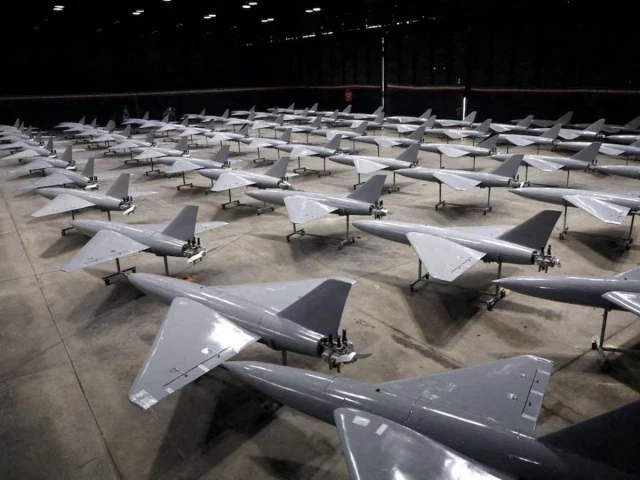
    US intelligence agencies are examining whether Russia helped Iran carry out drone attacks on CIA facilities in the Gulf, raising fresh concerns about growing military cooperation between Moscow and Tehran. Officials are reviewing intelligence to determine whether Russia provided targeting information, advanced drone technology, or other forms of support that may have increased the accuracy of the attacks. According to sources familiar with the investigation, analysts have not reached any final conclusions about Russia’s involvement. However, the precision of the strikes and Russia’s long history of military and technical cooperation with Iran have led intelligence officials to explore whether Moscow played a direct role in planning or supporting the operations. The investigation follows a series of Iranian drone attacks that targeted sensitive US intelligence locations in the region. At least two CIA facilities were reportedly hit in March. One of the sites was located inside the US Embassy in Riyadh, Saudi Arabia, while another was in eastern Iraq. Officials familiar with the matter said additional CIA locations may also have been attacked, although they declined to reveal further details because of security concerns. Western intelligence officials have also reviewed reports suggesting that Russia may have assisted Iran in selecting the targets. One intelligence assessment reportedly concluded that Russia likely contributed to identifying regional CIA facilities, although officials stressed that the findings remain under review and have not been publicly confirmed. According to officials briefed on intelligence reports, the attack on the US Embassy compound in Riyadh involved two upgraded versions of Iran’s Shahed drones. They said one drone created an opening in the embassy’s outer structure while the second entered through the damaged area before exploding inside. No casualties were reported, but the operation demonstrated a level of accuracy that surprised intelligence analysts. The investigation comes as tensions between the United States and Iran remain high following months of military exchanges across the Middle East. American officials are also examining recent Iranian strikes on a US military base in Jordan where ballistic missiles killed two American soldiers. Those attacks have intensified concerns that Iran may be receiving more advanced military support from Russia. Analysts believe Russia has spent years helping Iran improve its drone capabilities. Intelligence sources say Moscow has assisted Tehran in increasing the range and precision of its Shahed drones through technical upgrades. Reports also suggest Russia supplied Iran with the Kometa M satellite navigation system, which is believed to provide greater accuracy and stronger resistance to electronic interference than Iran’s previous guidance systems. Russia has denied supplying the technology and dismissed earlier reports on the matter. The White House referred questions about the investigation to the CIA, which declined to comment. Iran’s mission to the United Nations, the Russian Defense Ministry, and Saudi authorities also did not respond to requests for statements. The exact number and locations of the targeted CIA facilities remain classified. Intelligence sources said more than one site but fewer than a dozen were struck during the attacks. Overseas CIA operations often include embassy based stations as well as secure facilities used for surveillance, logistics, intelligence gathering, and other sensitive missions. US analysts are also investigating whether Russia supplied the intelligence used to identify the Riyadh facility. Some officials remain cautious, noting that Iran may have intended to strike the US Embassy as a whole rather than specifically targeting the CIA station located within the compound. Others believe very few countries possess both the intelligence capabilities and the strategic motivation to identify and support attacks against such highly sensitive US facilities. Former CIA station chief Daniel Hoffman said closer military cooperation between Russia and Iran makes such assistance plausible. He argued that both countries share a common interest in reducing American influence across the Middle East and other regions where they seek greater strategic control. The investigation remains ongoing as US intelligence agencies continue to assess the available evidence.
  • |

    Israeli banks plan to end services for Palestinian banks raising fears of financial crisis

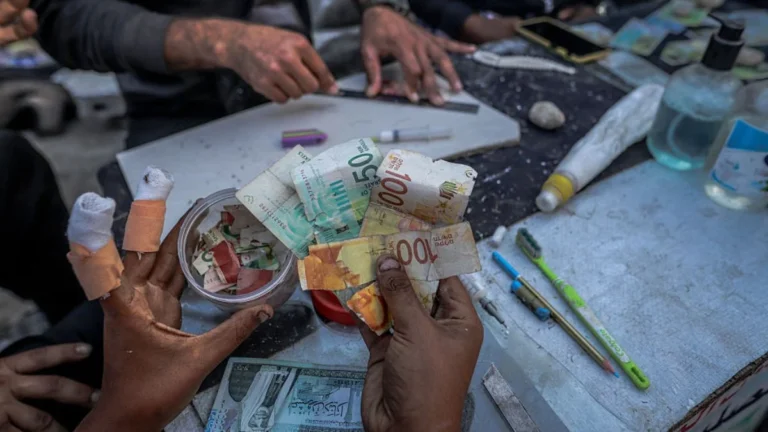
    Israeli banks have informed Palestinian financial institutions that they plan to end key banking services within the coming weeks, a move that has sparked concerns about serious economic disruption in the occupied West Bank. Officials on both sides say the decision could affect trade, salaries, and the daily financial operations that rely on cooperation between the two banking systems. The banking relationship allows Palestinian institutions to process transactions in Israeli shekels, the currency widely used in the Palestinian territories. These services are essential for paying for electricity, water, fuel, food imports, and other goods purchased from Israel. They also help transfer wages earned by thousands of Palestinians employed in Israel. According to Palestinian banking officials, five local banks that depend on Israel’s Bank Hapoalim for correspondent banking services have been told those arrangements will end on August 13. Other Palestinian banks that work through Discount Bank have reportedly been informed that their services will stop on September 1 unless a solution is reached. Israel’s Finance Ministry confirmed that both banks had announced plans to discontinue their correspondent banking services. The ministry said the decision reflects increasing legal and financial risks faced by Israeli banks while handling transactions for Palestinian institutions. In a statement, the ministry said it is holding discussions with the banks to find a way to continue these services while protecting Israel’s economic and security interests. Officials are exploring options that would allow financial cooperation to continue under conditions that reduce legal exposure for the banks involved. The banking arrangements have long depended on a government backed legal guarantee that shields Israeli banks from liability related to transactions carried out on behalf of Palestinian financial institutions. This protection is renewed every six months by the Israeli government. However, banking officials say commercial lenders no longer believe the existing guarantees provide enough protection. They argue that the risks of possible money laundering claims or allegations linked to terrorist financing have increased over time. According to one Israeli banking official, the banks believe the responsibility should now be taken over directly by the government instead of remaining with private financial institutions. Discount Bank confirmed that it had informed Israeli authorities of its concerns regarding the growing risks associated with these services. The bank said it has a responsibility to protect its depositors and shareholders while operating within an increasingly complex legal environment. Bank Hapoalim said the issue remains under review and did not provide further details. Economic experts warn that ending these banking links could have serious consequences for the Palestinian economy. Without access to correspondent banking services, businesses and individuals may be forced to rely more heavily on cash transactions. That shift could weaken the formal banking sector, reduce financial transparency, and encourage the growth of an informal economy. The decision could also place additional pressure on the Palestinian Authority, which already faces severe financial difficulties. The Authority depends heavily on local banks to finance public sector salaries and cover budget shortfalls. Financial analysts warn that if banks lose access to essential payment systems, the government’s ability to meet its financial obligations could be significantly weakened. A Palestinian businessman with close connections to the banking sector said the stability of local banks is closely tied to the stability of the Palestinian Authority. He warned that serious disruption to the banking system could have wider political and economic consequences across the West Bank. The latest development comes as the Palestinian Authority continues to struggle with reduced revenues after Israel suspended the transfer of customs and tax funds collected on its behalf. Those funds account for around two thirds of the Authority’s income, leaving its finances under increasing strain. Unless an agreement is reached soon, officials fear the planned banking cutoff could deepen the economic challenges already facing Palestinians in the occupied territory.

  • |

    Lebanese PM vows efforts to secure full Israeli withdrawal

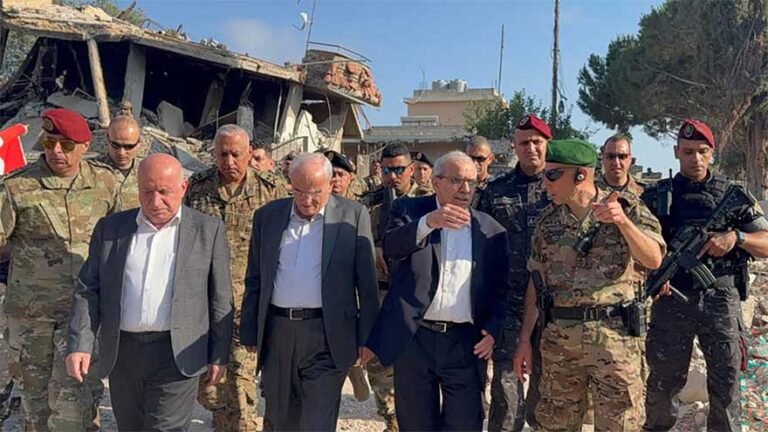
    Lebanese Prime Minister Nawaf Salam has said the government will continue working through diplomatic and political channels to secure a complete Israeli withdrawal from southern Lebanon. His remarks came during a visit to the village of Zawtar al Gharbiyah where the Lebanese army has recently expanded its deployment following a new security agreement aimed at reducing tensions along the border. Speaking to residents and military personnel, Salam said Lebanon remains committed to restoring full control over all its territory. He stressed that the government would continue its efforts to ensure Israeli forces leave the remaining occupied areas in the south while supporting the Lebanese army as it strengthens its presence in the region. The prime minister’s visit followed talks between Lebanese President Joseph Aoun and US President Donald Trump at the White House. During the meeting, Aoun urged the United States to support Lebanon’s demand for a complete Israeli withdrawal from its territory as part of ongoing efforts to stabilise the border. Last month, Lebanon and Israel agreed to a US backed framework under which the Lebanese army would gradually deploy in designated areas while Israeli troops would withdraw from selected locations. The agreement also calls for the Lebanese military to take responsibility for disarming Hezbollah in those zones. Hezbollah has rejected the deal and insists it will not surrender its weapons. Tensions remain high despite the agreement. Lebanon’s army said Israeli forces opened fire near soldiers who were deploying in Zawtar al Gharbiyah on Tuesday. The Israeli military responded by saying its troops fired warning shots after Lebanese soldiers entered an area outside the agreed deployment zone. The border region has remained unstable since Hezbollah entered the regional conflict by launching attacks against Israel in support of Iran earlier this year. Israel responded with large scale airstrikes and a ground offensive that caused widespread destruction across southern Lebanon. Although violence has eased following recent diplomatic agreements, occasional military exchanges continue. During his visit, Salam raised the Lebanese flag in the village and promised that the government would focus on rebuilding damaged communities. He said authorities would work alongside the army to reopen roads, clear rubble, restore essential public services, and create conditions that allow displaced residents to return home safely. Many local residents gathered near the village hoping to receive permission to inspect their homes after months of conflict. Some expressed relief over the arrival of the Lebanese army, saying its presence gave them confidence that life could gradually return to normal. However, military officials advised civilians to wait until security operations in the area are completed before returning. The army is currently conducting security sweeps in villages close to Israeli controlled positions to ensure the areas are safe for returning residents. Officials say these operations are necessary because of the continued risk of military activity near the border. Meanwhile, Lebanon’s state news agency reported additional Israeli drone strikes and artillery shelling in nearby areas on Wednesday. It also said Israeli troops entered the Dubieh area near the border town of Shaqra and raised an Israeli flag over the historic Dubieh Castle. Lebanese Culture Minister Ghassan Salame strongly criticised the move, describing it as a provocative action that violates Lebanon’s sovereignty. He said the government remains committed to regaining control over all historic sites and national territory in the south. The latest incident follows Israel’s seizure of the historic Beaufort Castle in May. International attention has also turned to the condition of several historic castles in southern Lebanon. The United Nations is expected to consider adding five of these sites, including Beaufort Castle and Dubieh Castle, to its list of cultural landmarks at risk due to ongoing conflict. Lebanese officials hope international support will help protect these important heritage sites while diplomatic efforts continue to prevent further escalation along the border.

  • |

    Rubio warns Iran’s Hormuz demands could threaten global trade and regional security

    US Secretary of State Marco Rubio has warned that Iran’s demand to control shipping through the Strait of Hormuz could create a dangerous international precedent with serious consequences for global trade and economic stability. Speaking at a meeting of Southeast Asian foreign ministers in Manila, Rubio said allowing any country to control an international waterway and impose tolls through force would undermine international law and encourage similar actions in other regions. Rubio addressed ministers from the Association of Southeast Asian Nations at the start of their annual gathering, where concerns over renewed fighting in the Middle East dominated discussions. He assured regional partners that despite Washington’s focus on the conflict with Iran, the United States remains fully committed to its relationship with ASEAN and its security partnerships in Asia. He warned that if Iran is allowed to demand payment from ships passing through the Strait of Hormuz while threatening attacks against those that refuse, it could encourage other countries to adopt similar tactics in strategic waterways around the world. Rubio said such a development would pose a serious threat not only to the Middle East but also to the Indo Pacific region, where global shipping routes are equally vital. The US secretary also accused Iran of backing away from commitments made under an earlier ceasefire arrangement. He said Tehran has contacted Washington through both direct and indirect channels to discuss possible negotiations. While the United States remains open to a diplomatic solution, Rubio said it would not tolerate attacks on commercial shipping or American personnel in the region. The ASEAN meeting has brought together senior diplomats from major global powers including the United States, China, Russia, India, Japan, and Australia. Many participating countries expressed concern over the impact of the Iran conflict on energy supplies and international markets. Russian Foreign Minister Sergey Lavrov said Moscow hopes for a quick resolution to tensions between Washington and Tehran. He stated that continued conflict hurts the global economy and affects Russia as well. Lavrov added that stable energy prices are important for long term economic planning and said Russia supports efforts to end the crisis peacefully. Australian Foreign Minister Penny Wong also called for an immediate ceasefire and renewed negotiations. She warned that the security situation in the Middle East could worsen without warning and stressed that the reopening of the Strait of Hormuz is essential for restoring stability in global energy markets. The International Energy Agency has described the current situation as a major warning for Southeast Asia’s energy security. The region depends heavily on oil and liquefied natural gas transported through the Strait of Hormuz. According to the agency, Asian countries imported about 80 percent of the crude oil and nearly 90 percent of the liquefied natural gas passing through the waterway last year. Any prolonged disruption could increase energy prices and place additional pressure on economies across the region. On the sidelines of the summit, Rubio also met foreign ministers from the Quad partnership, which includes the United States, Australia, India, and Japan. The group reaffirmed its commitment to maintaining maritime security and ensuring freedom of navigation while expressing concern over China’s growing influence in regional waters. Japanese Foreign Minister Toshimitsu Motegi criticised attempts to change the regional balance through force, referring to disputes in the South China Sea and East China Sea. Penny Wong echoed those concerns, saying that actions increasing regional instability must be addressed through dialogue and international cooperation. Rubio also held talks with Chinese Foreign Minister Wang Yi. The two discussed a recent confrontation between Chinese and Philippine forces in disputed waters. Rubio described the incident as an escalation and said disagreements between Washington and Beijing must be managed carefully to avoid wider conflict. He added that both sides also discussed trade issues ahead of a planned meeting between US President Donald Trump and Chinese President Xi Jinping later this year. Rubio is expected to meet Russian Foreign Minister Sergey Lavrov again to discuss the war in Ukraine and explore whether there is an opportunity to revive diplomatic efforts aimed at ending the conflict. Officials said the meetings in Manila highlight the growing connection between security challenges in Europe, the Middle East, and the Indo Pacific as world leaders seek ways to prevent further instability.

  • |

    US accuses China’s Moonshot AI of stealing technology from American rival

    The United States has accused Chinese artificial intelligence company Moonshot AI of illegally using technology from a leading American AI developer, escalating tensions between the world’s two largest technology powers. The allegations were made by White House Science and Technology adviser Michael Kratsios, who claimed the Chinese company copied the capabilities of a US model to develop its own advanced AI system. Kratsios said Moonshot AI used a technique known as distillation to build its recently unveiled Kimi K3 model. Distillation is a process in which a smaller or less advanced AI model repeatedly interacts with a more powerful model to learn from its responses and improve its own performance. While the technique has legitimate uses within companies that own both models, using it to copy another company’s proprietary system without permission could violate intellectual property rights. According to Kratsios, the US government has information indicating that Moonshot AI extracted capabilities from Anthropic’s AI technology during the development of Kimi K3. He also alleged that the company gained access to restricted Nvidia servers powered by the advanced GB300 Grace Blackwell computing platform, despite US export controls designed to limit China’s access to cutting edge semiconductor technology. Moonshot AI has not publicly responded to the accusations. The Chinese embassy in Washington, Anthropic, Nvidia, and the White House had also not issued detailed comments following the allegations. The claims come just days after Moonshot AI introduced Kimi K3, an advanced open source language model that attracted global attention for its strong performance. Many industry experts said the model significantly narrowed the gap between Chinese and American AI technology. Moonshot described Kimi K3 as being capable of competing with some of the most advanced AI systems developed in the United States. The allegations have intensified concerns within Washington over the protection of American technology. US Treasury Secretary Scott Bessent recently said authorities are investigating whether Chinese AI companies have copied the capabilities of American competitors through large scale distillation efforts. He warned that sanctions remain an option if Chinese firms are found to have engaged in intellectual property theft. Bessent said the United States supports open source artificial intelligence because it encourages innovation and wider access to technology. However, he stressed that open source development does not give companies permission to copy protected American research or commercial products. The dispute comes at a sensitive time in US China relations. President Donald Trump is expected to meet Chinese President Xi Jinping in September as both countries continue negotiations on trade, technology, and security issues. Artificial intelligence has become one of the most important areas of competition between the two nations. The United States first imposed restrictions on exports of Nvidia’s most advanced AI chips to China in 2022 over concerns that the technology could strengthen China’s military capabilities. Since then, governments have increased efforts to prevent the illegal transfer and smuggling of high performance semiconductor chips into China. Moonshot AI plans to release Kimi K3 as an open source model on July 27, allowing developers around the world to download, modify, and build applications using the software. The planned release has generated significant interest because it would become one of the largest freely available AI models developed by a Chinese company. The latest accusations are not the first involving Anthropic. Earlier this year, the American AI company accused Chinese technology giant Alibaba of using similar distillation methods to copy the capabilities of its Claude AI models. Anthropic urged US lawmakers to strengthen legal protections for American AI technology and introduce tougher penalties for companies found to be stealing intellectual property. The White House has also announced broader measures to protect American innovation from foreign cyber and technology theft. Officials say the government is working more closely with leading AI companies to detect and prevent organised efforts aimed at copying proprietary research. As investigations continue, the allegations against Moonshot AI are expected to become another major issue in the growing technological rivalry between the United States and China.

  • |

    Kashmir activist and journalist released on bail after years in custody

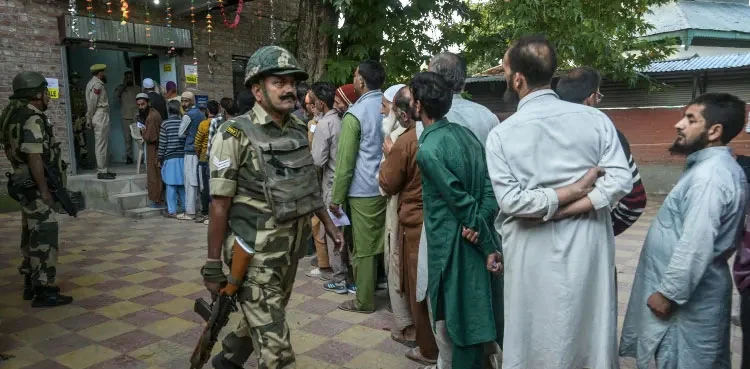
    Indian authorities have released Kashmiri human rights activist Khurram Parvez and journalist Irfan Mehraj on bail after they spent years in custody under terrorism related charges. Their families confirmed that both men were released from a prison in New Delhi late on Wednesday following a court order, although strict bail conditions will keep them in the capital while their trial continues. Parvez, a well known human rights defender and programme coordinator of the Jammu Kashmir Coalition of Civil Society, was arrested by India’s National Investigation Agency in November 2021 from his home in Srinagar. Mehraj, a freelance journalist who also worked with the same rights organisation, was arrested in 2023. Both men have been charged under India’s anti terrorism laws with allegedly financing terrorism and promoting separatist activities. The legislation allows authorities to detain suspects for long periods without trial and has frequently been criticised by rights organisations for its broad powers. Although they have now been granted bail, their freedom remains limited. Court conditions require both Parvez and Mehraj to stay in New Delhi during the legal proceedings. They are not permitted to return to Kashmir and must arrange their own accommodation in the capital while attending court hearings. Indian investigators had challenged the decision to grant bail, but a higher court upheld the order. The Jammu Kashmir Coalition of Civil Society has spent many years documenting alleged human rights violations in the region. The organisation has published reports on cases involving torture, unlawful killings, enforced disappearances, and unmarked graves in areas affected by the long running conflict. Its work has often drawn international attention and placed it at the centre of debates over human rights in Kashmir. Parvez has received support from several international human rights organisations that have repeatedly called for his release. In 2023, the United Nations Working Group on Arbitrary Detention described his arrest as retaliation for his human rights activities. The UN experts said the detention appeared intended to silence both Parvez and wider civil society efforts in Kashmir. The case has also renewed attention on press freedom in the region. Journalists working in Indian administered Kashmir have reported increasing restrictions, surveillance, and legal action since the Indian government revoked the region’s special constitutional status in 2019. Several media workers and activists say they have faced questioning, arrests, or pressure while reporting on political and security issues. The Indian government maintains that its actions are necessary to combat terrorism and protect national security. Officials argue that the anti terrorism laws are an essential tool in dealing with militant groups operating in the region. However, critics say the legislation has increasingly been used against journalists, activists, and civil society members who peacefully document human rights concerns. Government figures show that more than 3,600 people were arrested under anti terrorism laws in Kashmir between 2019 and 2023. More than half of those detained remain in prison while awaiting legal proceedings, highlighting concerns over lengthy pre trial detention. The release of Parvez and Mehraj has been welcomed by rights advocates, but legal proceedings against both men continue. They will remain in New Delhi under the conditions set by the court until their trial reaches its conclusion. Their cases are expected to remain closely watched by international human rights organisations and press freedom groups as they continue to raise concerns about civil liberties and legal protections in Indian administered Kashmir.

  • |

    More than 20,000 evacuated as wildfires sweep south-west France

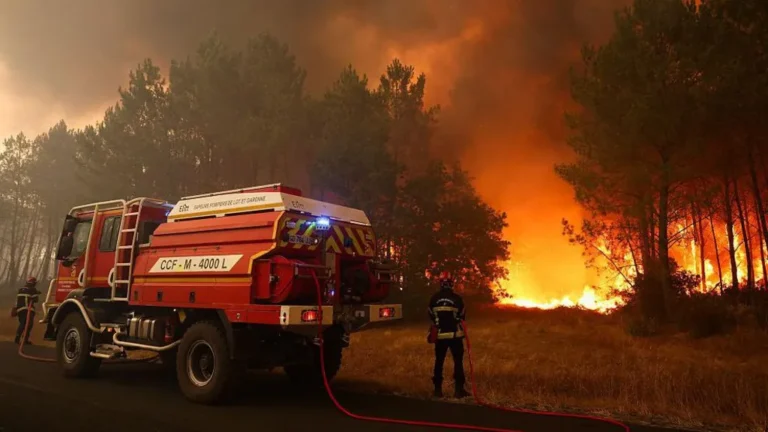
    More than 20,000 people have been forced to leave their homes and holiday campsites as fast moving wildfires continue to spread across south western France. Emergency officials said the fires have already destroyed thousands of hectares of land in the Gironde region near the Bay of Arcachon, while firefighters are battling difficult weather conditions that are expected to worsen the situation. Gironde Prefect Sophie Brocas said around 12,000 people were evacuated overnight, with another 8,800 residents and visitors later ordered to leave as a precaution. Many of those affected were tourists staying at campsites on the Lège Cap Ferret peninsula, a popular summer destination along France’s Atlantic coast. Authorities said the evacuations were carried out in an orderly manner and no injuries had been reported. Roads and forest areas considered at high risk have been closed to protect the public while emergency crews continue to fight the flames. According to local officials, the fire has already burned around 2,400 hectares of land. Firefighters worked throughout the night to stop the blaze from spreading, but rising temperatures and stronger winds are making the operation increasingly difficult. Gironde fire service chief Marc Vermeulen warned that changing wind conditions could make the fire unpredictable during the evening, requiring crews to remain on constant alert. Hundreds of firefighters, supported by emergency vehicles and aircraft, are continuing efforts to contain the flames before they threaten more communities. The latest wildfire comes only days after two firefighters lost their lives while battling another blaze near Bordeaux Airport. French Interior Minister Laurent Nuñez paid tribute to the victims, thanking them for their service and expressing support for their families during a difficult time. Residents described scenes of thick smoke, falling ash, and darkened skies as the fire approached their communities. Yassmina de Freitas, who lives in the coastal town of Le Porge, said smoke began filling the air during the afternoon before ash and pieces of burned tree bark started falling around her neighbourhood. By evening, police ordered her family to evacuate to a temporary shelter in a nearby town. She said the family had to leave behind two cats and four chickens because they could not find them before leaving. Throughout the night she followed updates on the fire, watching the number of burned hectares continue to increase. Tourists staying in the area have also been affected. Some visitors chose to leave campsites before official evacuation orders were issued, while others waited for instructions from emergency services. Holidaymakers reported unusually quiet roads and businesses as thousands of people left the peninsula. The wildfire in Gironde is part of a wider wave of fires affecting southern Europe. In southeastern France, residents who had earlier been evacuated from parts of the Var region were allowed to return home to assess damage, although officials warned that strong winds could cause fires to restart. Italy and Spain are also struggling with severe wildfires. In Sicily, a firefighter died while responding to a blaze and another was injured. Authorities reported more than 350 fires across the island, including several major incidents that forced precautionary evacuations. Officials believe many of the fires were caused by human activity. In Spain, residents have started returning to their homes after a large wildfire near Toledo burned nearly 900 hectares of land. Emergency crews are still working to fully contain the blaze. Earlier this week, Spain also experienced its largest wildfire of the year in the Guadalajara region, where more than 35,000 hectares were destroyed before firefighters gained control. Scientists have linked the growing number of extreme wildfires across Europe to increasingly frequent heatwaves and prolonged periods of dry weather. Climate experts say Europe is warming faster than any other continent, creating conditions that allow fires to spread more rapidly and become more destructive. Emergency authorities across southern Europe remain on high alert as high temperatures continue and weather conditions increase the risk of new wildfires.

  • |

    Six candidates prepare for first televised debate in UN leadership race

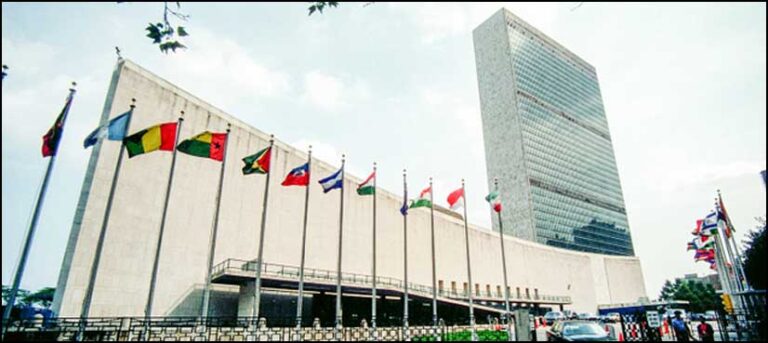
    The six candidates competing to become the next Secretary General of the United Nations are set to take part in a televised debate ahead of the official selection process, offering diplomats, UN staff, and the public a chance to hear their plans for leading the organisation through one of the most challenging periods in its history. The debate will be held in the United Nations General Assembly Hall in New York and comes just one week before the Security Council begins formally considering candidates to succeed Secretary General Antonio Guterres, whose term ends later this year. The 90 minute event will feature questions from diplomats, United Nations employees, and representatives of civil society, and will be broadcast live. The six candidates are former Chilean President Michelle Bachelet, former Ecuadorian Foreign Minister Maria Fernanda Espinosa, Argentine diplomat Rafael Grossi, Costa Rican economist Rebeca Grynspan, Guyanese Foreign Minister Carolyn Rodrigues Birkett, and former Senegalese President Macky Sall. Each is seeking to lead the global organisation at a time when it faces financial pressures, political divisions, and increasing criticism from member states. General Assembly President Annalena Baerbock said the debate provides a valuable opportunity for the candidates to present their leadership vision and priorities before the selection process begins. She stressed that the next Secretary General must not only improve the efficiency of the United Nations but also defend the principles of the UN Charter, including peace and security, human rights, and sustainable development. The organisation is currently facing one of its most difficult periods in recent years. The administration of US President Donald Trump has criticised the United Nations for what it describes as excessive spending, expanding beyond its core responsibilities, and failing to produce effective results. Washington has called for the organisation to focus more closely on maintaining international peace and security, while many other member states argue that protecting human rights and promoting development remain equally important responsibilities. Over recent weeks, each candidate has already answered several hours of questions from representatives of the UN’s 193 member states. During those discussions, most pledged to continue reform efforts aimed at making the organisation more efficient, transparent, and responsive to global challenges. Many also emphasised the need for a more active diplomatic role for the Secretary General in preventing conflicts and supporting peace negotiations. The formal selection process begins on July 30 when the 15 members of the UN Security Council hold their first confidential straw poll. During these informal votes, council members anonymously indicate their preferred candidates. Several rounds of voting may take place until one candidate secures the required support of at least nine council members without being vetoed by any of the five permanent members, namely the United States, China, Russia, the United Kingdom, and France. Once the Security Council agrees on a candidate, the recommendation will be sent to the General Assembly for final approval. The successful candidate will officially begin serving as Secretary General on January 1, 2027. Diplomats say the race remains highly competitive with no clear favourite. Rafael Grossi is widely viewed as one of the strongest contenders because of his international profile and experience leading the International Atomic Energy Agency. However, several diplomats believe Rebeca Grynspan and Carolyn Rodrigues Birkett also enjoy significant support among member states. Speculation continues over whether another candidate could still emerge before the final decision is made. Reports have also mentioned the name of FIFA President Gianni Infantino as a possible outsider, although he is not among the officially declared candidates. This year’s contest has also renewed calls for the United Nations to appoint its first female Secretary General. Many member states argue that after eight decades of male leadership, the organisation should choose a woman for its highest office. Latin American countries are also pressing their case under the informal tradition of rotating the position among different world regions, making the current race one of the most closely watched leadership contests in recent UN history.

  • |

    Sri Lanka prepares for drought and flood risks linked to El Nino

    Sri Lanka is preparing for a prolonged period of extreme weather as authorities warn that the return of the El Nino climate pattern could bring a severe drought followed by widespread flooding later this year. The government has begun taking precautionary measures to protect water supplies, agriculture, and vulnerable communities as changing weather conditions threaten to affect millions of people across the island. Environment Minister Dhammika Patabendi said the country is expected to face a significant dry spell lasting until the end of September. Officials are closely monitoring irrigation systems and drinking water reserves to ensure supplies remain available during the expected drought. The government has also urged the public to use water carefully, warning that shortages could develop over the coming months if dry conditions continue. Scientists have linked the increasing frequency and intensity of extreme weather events to climate change. They say El Nino, a natural climate pattern caused by warmer than normal sea surface temperatures in the central and eastern Pacific Ocean, disrupts global rainfall and wind patterns. These changes often bring drought to some regions while causing heavy rainfall and flooding in others. Sri Lankan authorities expect the current dry period to be followed by a stronger than usual northeast monsoon beginning in October. The minister warned that the seasonal rains could trigger widespread flooding in many parts of the country, creating additional risks for communities already dealing with water shortages. To reduce the impact on agriculture, the government has advised farmers to begin the main rice planting season about two weeks earlier than usual. Officials believe an earlier start to cultivation will allow crops to develop before heavy rainfall increases the risk of flooding. Authorities are also planning improved flood management measures to help protect farmland and reduce damage to the country’s most important food crop. The government has not yet released an estimate of the possible economic losses from this year’s El Nino conditions. However, a special ministerial task force has been established to coordinate preparations, manage emergency responses, and reduce the impact on agriculture, water resources, and public infrastructure. Officials said Sri Lanka’s hydroelectric reservoirs are currently operating at around 57 percent capacity. To conserve water, authorities plan to rely more heavily on solar power during daylight hours, reducing pressure on hydroelectric facilities and preserving reservoir levels for essential needs. Experts have also warned that intense rainfall later in the year could trigger landslides in the country’s mountainous regions. Many of these areas remain vulnerable after suffering significant damage during Cyclone Ditwah in November, when heavy rain caused widespread destruction across the island. Cyclone Ditwah affected nearly every part of Sri Lanka and left a lasting impact on the country’s population of around 22 million people. Nearly 650 people lost their lives during the disaster, while roads, bridges, public buildings, and other infrastructure suffered extensive damage. The World Bank estimated that infrastructure losses alone reached about 4.1 billion dollars, making it one of the country’s most costly natural disasters in recent years. With another period of extreme weather approaching, the government says early preparation will be essential to reduce risks and protect lives. Authorities are continuing to monitor weather forecasts while encouraging communities to conserve water, prepare for possible floods, and follow official guidance throughout the changing weather conditions. The coming months are expected to test Sri Lanka’s disaster response systems once again as the country faces the combined challenges of drought, flooding, and the broader effects of climate change.

  • | |

    Pakistan rejects India’s statements at UN securi…

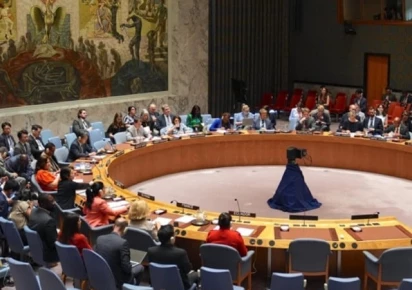
      ISLAMABAD: Pakistan has strongly rejected India’s remarks at the United Nations Security Council (UNSC) concerning the Indus Waters Treaty (IWT) and allegations of terrorism, describing them as an attempt to misrepresent facts and divert attention from issues raised by Pakistan. The response came after India’s Permanent Representative to the United Nations, Ambassador Harish Parvathaneni, accused Pakistan of supporting cross-border terrorism and suggested that the issue had affected bilateral cooperation under the Indus Waters Treaty. Pakistan dismissed these allegations during the UNSC’s High-Level Open Debate on “Natural Resource Governance: The Foundation of Peace, Security and Prosperity.” Speaking in a right of reply, Pakistan’s First Secretary to the UN, Ansar Shah, said India’s statement was misleading and represented a futile effort to distort the facts surrounding the treaty and regional security issues. He maintained that the Indus Waters Treaty remains legally valid and binding, rejecting India’s claim that the agreement could be placed in abeyance through unilateral action. Shah stated that the treaty contains no provision allowing either party to suspend or set it aside on its own. He referred to the Court of Arbitration’s August 2025 award, which, according to Pakistan, reaffirmed that the treaty continues to remain fully in force along with its dispute resolution mechanisms. He argued that India’s unilateral approach violated the terms of the agreement as well as established principles of international law. Pakistan also accused India of using shared water resources as a political tool. Shah said any attempt to weaponise water for political pressure or to restrict water access would amount to a serious breach of international legal obligations and norms. He added that such actions could undermine regional stability and pose risks to international peace and security, making the issue relevant to discussions at the Security Council. Responding to India’s allegations regarding terrorism, Shah rejected the accusations and instead claimed that India was attempting to conceal its own involvement in activities that Pakistan says have contributed to terrorism within its borders. He alleged that militant groups such as the Tehreek-e-Taliban Pakistan (TTP), the Balochistan Liberation Army (BLA), and the Majeed Brigade had been responsible for attacks that claimed the lives of thousands of Pakistani civilians and security personnel, including women and children. Pakistan reiterated its long-standing allegation that India supports and finances these groups, a claim India has consistently denied. Shah also referred to reports of alleged extraterritorial operations involving India, saying such incidents had raised international concerns. He further argued that India could not portray itself solely as a victim of terrorism while ignoring accusations directed against it. Addressing the situation in Indian Illegally Occupied Jammu and Kashmir, Shah said the people of the region continue to be denied their right to self-determination. He maintained that the territory remains internationally recognised as disputed and asserted that no unilateral measures could alter its legal or historical status. He also urged India to fulfil its obligations under the UN Charter and implement relevant UN Security Council resolutions. Earlier in the debate, Pakistan’s Permanent Representative to the United Nations, Ambassador Asim Iftikhar, reaffirmed that the Indus Waters Treaty remains effective and legally binding. He called on the UN Security Council to remain vigilant against the misuse or weaponisation of natural resources and encouraged greater use of preventive diplomacy, peaceful dispute resolution, monitoring mechanisms, and other international measures to prevent disputes over shared resources from escalating into broader conflicts.