تازہ ترین

  • |

    Alia Bhatt backs Delhi student protest, says, “The future is theirs”

    Alia Bhatt has joined the growing list of Bollywood stars speaking up for the students protesting in Delhi. The actress shared a heartfelt note on Instagram after the demonstrators faced police action during Monday’s march. She admitted the past few days had left her emotionally shaken, but also filled with hope. Bhatt described each protesting student as carrying more than personal ambition. She said they represent years of family sacrifice, hard work, and dreams of a better future. She went on to praise their courage in strong terms. Bhatt said their determination should push everyone to ask whether the country is truly listening to the generation shaping its tomorrow. She ended her note with a message dedicated entirely to the students, closing with “Jai Hind.” Bhatt is not the first major star to speak out. Salman Khan broke his silence a day earlier, sharing his own message of support on social media. Khan called the protest peaceful and praised the students for their bravery. He expressed sadness that the movement had turned violent and said his heart went out to the injured students and their families. He described the paper leak controversy as a serious issue and appreciated the way the country’s youth had united for a fairer education system. Khan also made a pointed request. He said the movement should remain free from political interference and that all credit should go strictly to the students who organized it. Other celebrities have joined the show of solidarity as well. Huma Qureshi and her brother Saqib Saleem visited the protest site at Jantar Mantar early Thursday morning, arriving around 2 am to stand with the demonstrators in person. Several more names from the film industry have voiced support in recent days. These include Rajkummar Rao, Prakash Raj, Naseeruddin Shah, Anupam Kher, Shabana Azmi, and Javed Akhtar. The wave of celebrity support comes as the student-led protest, backed by the Cockroach Janta Party, continues to gain national attention. The movement began over anger surrounding the NEET paper leak and has since grown into a broader push for accountability in India’s education system. With more public figures expected to react, the protest continues to dominate conversations both online and offline across the country.

  • |

    Kinza Hashmi’s latest photoshoot sparks admiration from fans

    Pakistani actress Kinza Hashmi has once again become the center of attention after sharing a series of stunning new photos on Instagram. Dressed in a deep red outfit, the actress impressed fans with her graceful appearance, prompting thousands of reactions and compliments across social media. The photos quickly gained popularity, with admirers praising her elegant fashion choice and confident personality. Kinza accompanied the post with the caption, “Not stressed, just blessed,” a simple yet uplifting message that resonated with many of her followers. Fans filled the comments section with words of admiration, calling the actress both “adorable” and “stunning.” Many noted that every picture looked more beautiful than the previous one, while others applauded her effortless style and timeless charm. The post soon began circulating widely across social media platforms, once again placing Kinza in the spotlight. Known for her successful television career, Kinza Hashmi has established herself as one of Pakistan’s most recognizable actresses. Over the years, she has appeared in numerous hit dramas, earning praise for her performances and building a loyal fan base. Her versatility as an actress has allowed her to portray a wide range of characters, making her a familiar face in the country’s entertainment industry. Beyond television, Kinza has also explored opportunities in music. She expanded her creative journey by participating in a musical collaboration that introduced audiences to another dimension of her artistic talent. The project further strengthened her reputation as an entertainer willing to experiment with different forms of creative expression. In addition to her professional achievements, Kinza has become a popular style icon. Her social media accounts regularly feature fashion-forward looks, beauty inspiration, and glimpses into her daily life. Whether attending events, working on new projects, or sharing casual moments, she consistently attracts attention for her polished sense of style. Her latest photoshoot is another example of how she successfully connects with audiences beyond her acting career. Fans frequently look forward to her updates, not only to follow her professional journey but also to gain inspiration from her fashion choices and confident personality. The positive response to her recent post reflects her growing influence in Pakistan’s entertainment and digital space. With millions of followers engaging with her content, Kinza has built a strong online presence that complements her work on television. Every new post generates excitement, highlighting the close connection she has developed with her audience. Industry observers have also noted how celebrities today increasingly use social media to showcase different aspects of their personalities, allowing fans to engage with them beyond traditional screen appearances. Kinza Hashmi is among those who have successfully embraced this approach, balancing her acting projects with a carefully curated online presence. As appreciation for her latest photos continues to pour in, Kinza Hashmi remains one of Pakistan’s most admired celebrities. Her combination of acting talent, creative ventures, and distinctive fashion sense continues to strengthen her position in the entertainment industry, while her growing digital influence ensures that every public appearance and social media update captures widespread attention.

  • |

    12 Pakistani drama actors who stole the spotlight this week

    Pakistani television continued to captivate audiences this week with powerful storytelling and memorable performances. From emotional family conflicts to intense psychological drama and heartfelt romance, several actors elevated their characters with convincing portrayals that left a lasting impact. Here are 12 performers who stood out for their remarkable work on screen. Urwa Hocane as Beena in Aap Ki Izzat Urwa Hocane makes a strong impression as Beena, a woman struggling to find respect and love within her marriage. She presents a character who appears gentle and devoted on the surface but possesses quiet resilience and determination. Through subtle expressions and emotional depth, Urwa successfully portrays Beena’s inner conflict, hinting that the character has much more to reveal as the story progresses. Ahsan Khan as Tabish in Aap Ki Izzat Ahsan Khan delivers a layered performance as Tabish, a man caught between ambition, family expectations and complicated personal relationships. His contrasting behaviour towards the women in his life reflects the character’s emotional complexity. With controlled expressions and understated body language, Ahsan makes Tabish both intriguing and unpredictable, keeping viewers invested in his journey. Sajal Aly as Rabeeya in Zanjeerain Sajal Aly once again demonstrates why she remains one of Pakistan’s finest performers. As Rabeeya, she commands every scene with confidence, intelligence and emotional strength. Whether protecting loved ones or confronting those around her, Sajal balances intensity with restraint, creating a character who naturally becomes the emotional backbone of the drama. Anaayah Shahid as Shirin in Zanjeerain Anaayah Shahid continues to impress with a performance filled with expressive body language and convincing emotional shifts. Shirin’s confidence gradually gives way to uncertainty as events unfold, and Anaayah captures these changes with remarkable ease. Her ability to communicate fear, suspicion and vulnerability without excessive dialogue makes her performance particularly engaging. Shuja Asad as Salman in Doctor Bahu Shuja Asad delivers a compelling portrayal of Salman, a deeply flawed character whose unpredictable behaviour drives much of the drama. One moment he appears caring and affectionate, while the next he becomes manipulative and emotionally distant. Shuja convincingly presents these conflicting traits, making Salman frustratingly realistic and emotionally complex. Kubra Khan as Saniya in Doctor Bahu Kubra Khan brings authenticity and emotional depth to Saniya, a woman facing emotional hardship within her marriage. She beautifully portrays the gradual erosion of confidence and hope while maintaining the character’s quiet strength. Kubra’s heartfelt performance allows viewers to empathise with Saniya’s pain and understand the emotional challenges faced by many women in similar situations. Zoya Nasir as Shehreen in Bas Tera Saath Ho Zoya Nasir shines as Shehreen, portraying a character whose obsession, impulsiveness and emotional vulnerability create constant tension. Rather than presenting a one-dimensional antagonist, she adds humanity and complexity to the role. Her confident screen presence and natural performance ensure that Shehreen remains one of the drama’s most compelling personalities. Maya Ali as Khushbakht in Aik Mohabbat Aur Maya Ali delivers a graceful and emotionally balanced performance as Khushbakht. She effectively conveys the uncertainty, fear and hope surrounding her character’s important life decisions. Through subtle facial expressions and composed dialogue delivery, Maya captures Khushbakht’s emotional struggles while maintaining the quiet dignity that defines the character. Ahad Raza Mir as Haroon in Aik Mohabbat Aur Ahad Raza Mir brings warmth, humour and sincerity to Haroon, creating a refreshing male lead who is supportive, understanding and emotionally mature. His natural chemistry with Maya Ali enhances the drama, while his ability to shift between light-hearted moments and emotional scenes makes Haroon both relatable and memorable. Ali Raza as Mansoor in Leader Ali Raza continues to impress with his portrayal of Mansoor, a character balancing romance, ambition and political challenges. His expressive eyes, composed dialogue delivery and charismatic screen presence give the role remarkable depth. Whether displaying determination, affection or strategic thinking, Ali maintains complete control over the character’s evolving emotional journey. Saif Ali Khan as Behraam in Aap Ki Izzat Although his appearance is brief, Saif Ali Khan leaves a noticeable impression as Behraam. His calm presence, understated performance and effortless screen charisma immediately spark curiosity about the character’s future role in the story. Even with limited screen time, he successfully establishes Behraam as someone audiences will want to watch closely. Marina Khan as Zainab in Doctor Bahu Veteran actress Marina Khan delivers one of the week’s most emotionally moving performances as Zainab. She portrays a woman burdened by unresolved pain and emotional scars, gradually allowing vulnerability and compassion to replace bitterness. Marina’s nuanced acting highlights the long-term impact of generational trauma while offering a hopeful message about healing, forgiveness and personal growth. A memorable week for Pakistani television This week’s episodes showcased the exceptional talent present across Pakistan’s television industry. Whether portraying resilient women, emotionally conflicted men or complex family relationships, these actors brought authenticity, depth and emotional honesty to their roles. Their performances not only strengthened their respective dramas but also reminded viewers why compelling acting remains the foundation of unforgettable storytelling.

  • | |

    Punjab University staff demand forensic audit, war…

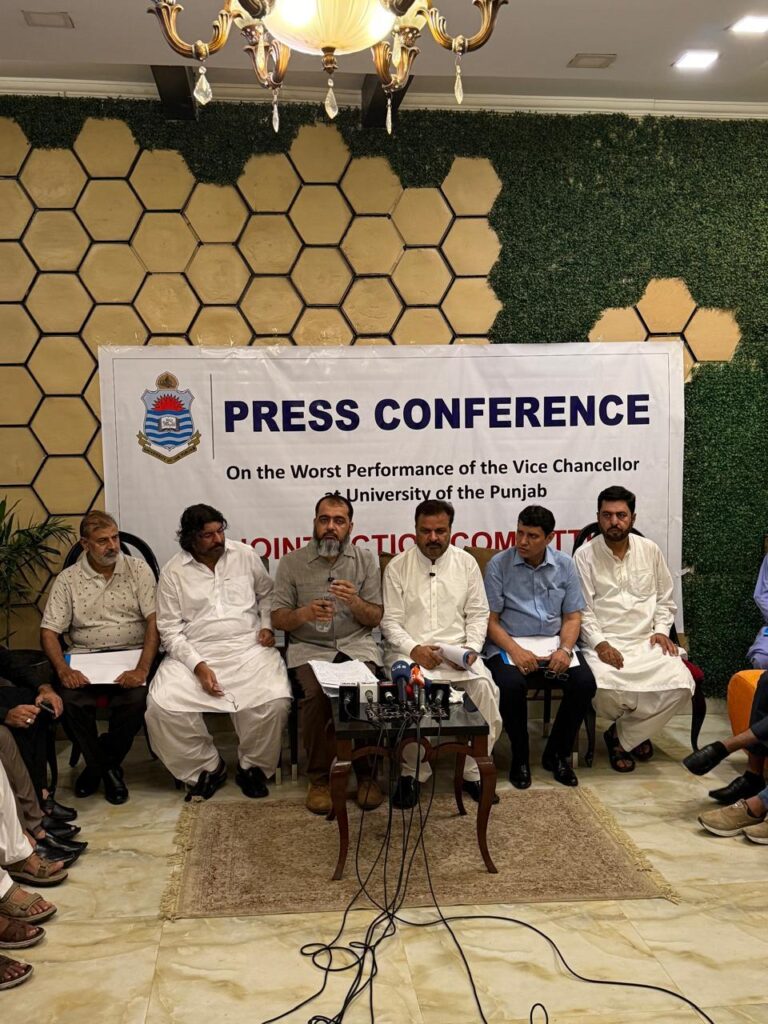
    Lahore: A joint platform representing teachers, officers, employees, and other stakeholders at the University of the Punjab has accused the university administration of driving the country’s oldest and largest public university into a deep financial, administrative, academic, and research crisis, while warning of a protest movement if their demands remain unaddressed within two weeks. Addressing a press conference in Lahore, the Joint Action Committee (JAC) said its purpose was not to target individuals but to present what it described as documented concerns regarding the university’s governance, financial management, academic standards, and research environment. The committee appealed to the Chancellor of the University, the Governor of Punjab, and the provincial government to intervene immediately to safeguard the institution.   The committee alleged that reserve funds worth approximately Rs4.88 billion, accumulated over many years, had been utilized within just 14 months without approval from the Finance and Planning Committee. It claimed that the university’s 2025–26 budget reflected a deficit of Rs2.57 billion and argued that, when combined with the depletion of reserves, the institution was effectively facing a financial shortfall of nearly Rs8 billion. It also questioned expenditures allegedly made beyond approved budget limits and called for greater transparency in financial decision-making. JAC further claimed that around Rs786 million belonging to various academic departments and institutes had been transferred to a central account under the One-Account Policy and later utilized, raising questions about whether the expenditures had received approval from the relevant statutory bodies. It also expressed concern over what it described as the first-ever financial deficit of nearly Rs350 million in the university’s self-supporting programmes. The committee also pointed to an apparent discrepancy in financial reporting, claiming that while the Finance and Planning Committee was informed of a Rs2.57 billion budget deficit at the end of the financial year, a subsequent Syndicate meeting was told the deficit stood at Rs1.6 billion. According to the committee, the variation requires a transparent explanation. Expressing concern over campus security, the committee referred to the killing of a student and the son of a university employee near the Vice Chancellor’s residence despite the presence of armed security personnel, arguing that the incident had raised serious questions about the effectiveness of the university’s security arrangements. On governance, the committee alleged that key statutory bodies, including the Senate, Deans’ Committee, Chairpersons’ Committee, Syndicate, and Selection Boards, had met only infrequently during the current administration, resulting in delays in appointments, promotions, and major policy decisions. It further criticized what it described as an excessive concentration of administrative authority in the office of the Director General (Students, Estate and Security), saying such an arrangement was inconsistent with principles of transparency, institutional balance, and accountability. The committee also referred to pending complaints and inquiries involving the office-holder, questioning the wisdom of assigning additional responsibilities while such matters remain unresolved. Highlighting academic concerns, JAC said the university had slipped from 542nd to 588th position in the QS World University Rankings and had also experienced a decline in the Higher Education Commission’s Office of Research, Innovation and Commercialization (ORIC) rankings. It alleged that faculty members were facing an atmosphere of insecurity and harassment, while research grants, travel support, and publication funding had effectively come to a halt. The committee claimed that although research grants of up to Rs1 million had been announced, no faculty member had yet received financial assistance under the initiative. It further alleged that several researchers had been forced to abandon nationally and internationally funded projects because of inadequate institutional support, damaging both research output and the university’s reputation with funding agencies. According to the committee, hostel accommodation remains unavailable for many students, including research scholars, while an increasing number of inquiry committees against faculty members and officers has created an atmosphere of fear and professional uncertainty. It also expressed concern over delays in permanent appointments to several senior administrative positions, saying the lack of regular appointments had weakened institutional efficiency. The Joint Action Committee demanded an independent forensic audit of the university’s financial affairs, including the use of reserve funds, deficit budgets, the One-Account Policy, and the finances of self-supporting programmes. It also called for the immediate removal of the Director General (Students, Estate and Security) under the principle of “one person, one post,” an end to what it described as retaliatory inquiries, restoration of a secure and professional working environment, immediate advertisement and transparent appointment of a permanent Registrar, payment of outstanding financial dues and benefits to teachers and employees, and the restoration of regular meetings of all statutory bodies in accordance with the University Act. The committee warned that if its demands are not addressed within two weeks, it will launch a phased protest campaign, including demonstrations outside the university, a sit-in outside the Punjab Assembly, publication of a white paper containing documentary evidence, and a boycott of classes that could ultimately disrupt academic activities at the historic institution. The university administration had not issued an official response to the allegations at the time this report was filed.

  • |

    Preity Zinta faces backlash over post on Delhi student protest

    Bollywood actor Preity Zinta has come under heavy criticism on social media after commenting on the ongoing student protest at Jantar Mantar in New Delhi, organised by the Cockroach Janta Party. The actor shared her views on X, saying that while it is important to stand with students and support educational reforms that can positively shape the future of young people, it is equally important to ensure that peaceful demonstrations are not taken over by individuals or groups seeking to create unrest or change the purpose of the movement. In her post, Zinta questioned whether hostile elements, both within and outside the country, were attempting to exploit the anger and frustration of students. She said the amount of hostility visible on social media had made her wonder if such groups had already begun using the students’ concerns for their own agendas. She further stated that she has always believed in hard work and equality, adding that these values should never be compromised. Zinta also expressed confidence in India’s democratic system and said she hoped both sides would engage in meaningful dialogue to resolve the issue. According to her, constructive discussions could help defeat divisive agendas while ensuring a brighter future for both the country’s youth and its democracy. Her remarks quickly gained widespread attention online, with the post spreading rapidly across social media platforms. However, instead of receiving broad support, the actor found herself at the centre of intense criticism from many users who questioned both the timing and the content of her statement. Several social media users alleged that Zinta’s comments appeared to reflect the government’s narrative rather than an independent opinion. Some accused her of sharing what they described as a “scripted” message, claiming it echoed official talking points instead of addressing the concerns raised by protesting students. Others questioned why several celebrities, who had previously remained silent on public issues, were now speaking about the student movement. Critics argued that public figures should express their own genuine views instead of appearing to defend any political position. Some users also suggested that celebrities should either speak independently on matters of public concern or choose to remain silent, rather than posting statements that they believe are intended to influence public perception. These reactions led to heated discussions across X and other social media platforms, where supporters and critics debated the actor’s remarks. Despite the criticism, many users also defended Zinta’s right to express her personal opinion, arguing that public figures should be free to comment on national issues without facing personal attacks. The debate highlighted the growing divide on social media over the ongoing student protests and the role celebrities play in shaping public conversations. As online reactions continue to pour in, Zinta has not issued any further clarification regarding her post. The discussion surrounding her remarks remains active, with thousands of users continuing to share differing opinions on the controversy and the wider debate over the student movement in New Delhi.

  • | |

    From Glasgow to the heart of UK power

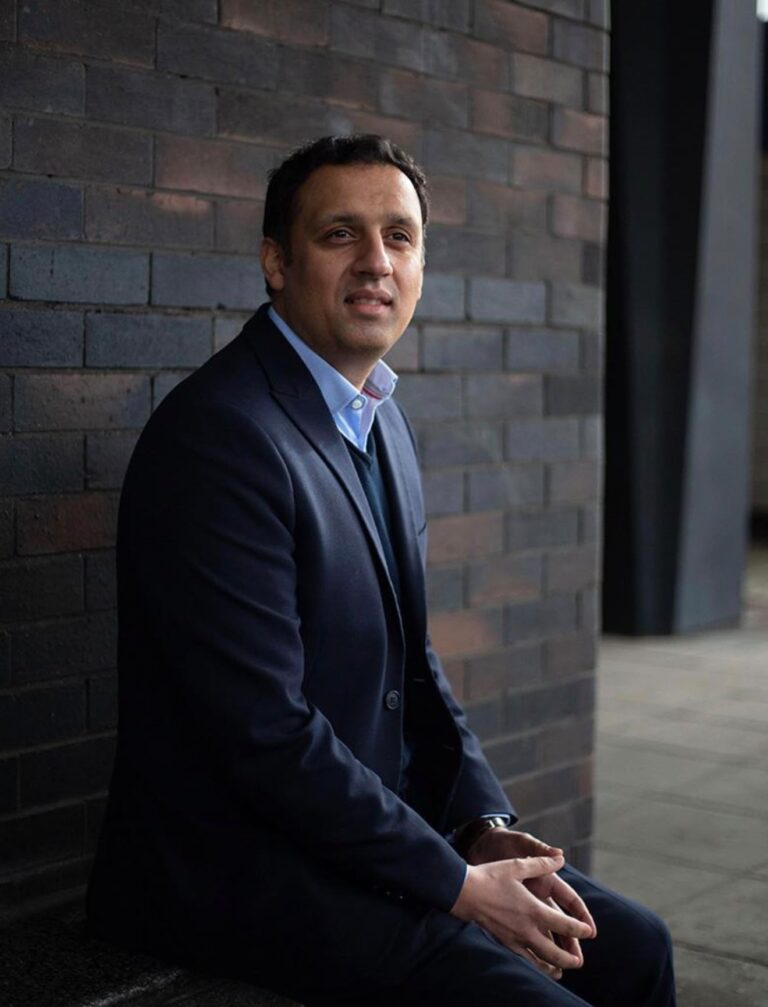
    How Anas Sarwar challenged a Prime Minister, reshaped Labour politics and rose to become a UK minister Anas Sarwar’s journey from a young Scottish politician carrying the weight of a famous political surname to one of the most senior ministers in the British government has reached a defining moment. His appointment as Minister of State for Business, Innovation, Science and Trade, alongside his elevation to the House of Lords, marks one of the most significant political achievements by a British politician of Pakistani heritage in recent decades. The appointment also underlines the confidence Prime Minister Andy Burnham has placed in Sarwar, entrusting him with a department central to the government’s ambitions for economic growth, scientific research, innovation and international trade. A FAMILY THAT MADE HISTORY Politics has long been part of the Sarwar family story. Anas Sarwar is the son of Mohammad Sarwar, who made British political history in 1997 by becoming the first Muslim and the first MP of Pakistani origin elected to the House of Commons. Mohammad Sarwar later went on to serve as Governor of Punjab, Pakistan’s largest province, giving the family a unique political legacy spanning both Britain and Pakistan. Although his father’s achievements opened doors for greater representation of British Pakistanis in politics, Anas Sarwar has spent much of his career building his own political identity through perseverance, resilience and leadership. A POLITICAL CAREER BUILT ON RESILIENCE A qualified dentist by profession, Sarwar entered Parliament after winning Glasgow Central in 2010. His political career has been shaped by both success and setbacks. Following Labour’s electoral collapse in Scotland in 2015, Sarwar emerged as one of the party’s most recognisable figures during one of its darkest periods. He served as Deputy Leader of Scottish Labour before unsuccessfully contesting the party leadership. Rather than retreating from frontline politics, he rebuilt his standing within the party and was elected Leader of Scottish Labour in 2021. Tasked with reviving a party that had suffered years of decline, Sarwar focused on rebuilding Labour’s organisation, reconnecting with voters and restoring its credibility as Scotland’s principal opposition party. THE MAN WHO FIRST CHALLENGED STARMER Sarwar’s reputation as an independent political figure was cemented during Labour’s leadership crisis when he became the first senior Labour politician to publicly call for Keir Starmer to resign. At a time when many senior figures remained publicly loyal, Sarwar openly argued that Labour required a change in leadership. Political observers viewed his intervention as a turning point that encouraged wider debate within the party over Starmer’s future. In the weeks that followed, pressure on the Prime Minister intensified, ultimately culminating in Starmer’s resignation and the election of Andy Burnham as Labour leader and Prime Minister. Today, the politician who first publicly challenged Starmer has become one of the key members of Burnham’s ministerial team—an illustration of how dramatically Labour’s political landscape has changed. A KEY ROLE IN GOVERNMENT Sarwar’s appointment as Minister of State for Business, Innovation, Science and Trade places him at the centre of one of the government’s most important departments. His responsibilities will include supporting business investment, promoting innovation, advancing scientific research, strengthening Britain’s industrial strategy and expanding international trade—areas regarded as crucial to the UK’s long-term economic future. His elevation to the House of Lords enables him to take up ministerial office while bringing his tenure as Leader of Scottish Labour to an end, triggering a contest to choose his successor. POLITICAL SIGNIFICANCE Political commentators believe the appointment carries significance far beyond a routine cabinet reshuffle. For Prime Minister Andy Burnham, it brings an experienced political strategist into a department central to delivering economic growth. For Scottish Labour, it marks the departure of the leader who steadied the party during a challenging period and leaves a significant leadership vacancy. For Britain’s Pakistani community, Sarwar’s promotion represents another landmark in the growing influence of British Pakistanis at the highest levels of national politics. COLLEAGUES SEE A RESILIENT LEADER Labour colleagues have publicly described Sarwar as a disciplined and pragmatic politician who remained committed to rebuilding Scottish Labour despite difficult electoral circumstances. Political observers argue that his appointment reflects years of persistence, resilience and organisational leadership rather than a sudden political promotion. Critics, meanwhile, have questioned his move from frontline Scottish politics to the unelected House of Lords, arguing that Scottish Labour loses one of its most experienced leaders at a crucial political moment. A NEW CHAPTER Anas Sarwar now moves from leading Labour in Scotland to helping shape Britain’s economic future from the heart of government. His appointment completes a political journey that began in Glasgow, was forged through years of electoral battles and internal party struggles, and has culminated in one of the most influential ministerial positions in Westminster. From following in the footsteps of his father, Mohammad Sarwar, to becoming the first senior Labour figure to challenge Keir Starmer’s leadership and now joining Andy Burnham’s Cabinet, Anas Sarwar’s rise reflects one of the most remarkable political stories in contemporary British politics.

  • | | | |

    Trump sets condition for Saudi Nuclear Pact

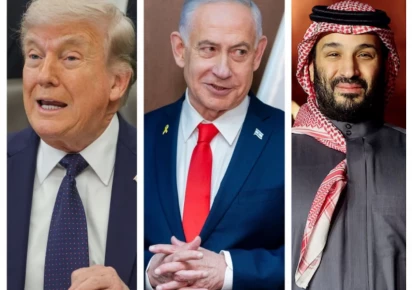
    US President Donald Trump has said that any future civilian nuclear agreement between the United States and Saudi Arabia will depend on the kingdom joining the Abraham Accords, the US-backed agreements aimed at normalising relations with Israel. Trump said Washington has no objection to Saudi Arabia developing civilian nuclear facilities as long as they are used only for peaceful purposes. He stressed that the proposed cooperation would focus on non-military nuclear energy, similar to civilian programmes in other countries. The proposed agreement would allow Saudi Arabia to enrich uranium and develop nuclear reactors with American technology. However, the deal reportedly does not require Riyadh to accept additional international inspections that are designed to detect undeclared nuclear activities. The absence of these extra safeguards has drawn attention because similar measures have been considered important in previous nuclear agreements. Saudi Arabia has been working for years to establish a civilian nuclear programme as part of its broader economic diversification strategy. The kingdom says nuclear energy will help reduce dependence on oil and meet future energy demand. Saudi leaders have also stated in the past that if Iran were to develop nuclear weapons, Riyadh would seek the same capability to maintain the regional balance. The latest remarks come as tensions between the United States and Iran continue to intensify. Iran’s Foreign Ministry warned American military personnel against carrying out attacks on civilian infrastructure. Tehran said targeting facilities such as bridges and power plants could amount to war crimes under international law. Iranian officials argued that following military orders would not protect individuals from legal responsibility if unlawful attacks were carried out. US Secretary of State Marco Rubio said Washington’s main objective remains preventing Iran from obtaining nuclear weapons. He accused Tehran of repeatedly violating agreements and said the Iranian government continues to support armed groups across the Middle East instead of focusing on its economy and people. Rubio also urged Yemen’s Houthi movement to avoid becoming more deeply involved in the conflict. He warned that further attacks could increase instability across the region and create additional security challenges. At the same time, Oman announced that it is working with Saudi Arabia, the United Nations and other regional partners to restart Yemen’s political peace process. Muscat called on all sides to avoid further escalation in the Red Sea and to protect international shipping routes. The Houthis claimed responsibility for missile and drone attacks on two Saudi oil tankers in the Red Sea. The group said the strikes were part of its maritime blockade campaign. Saudi authorities confirmed that one tanker was damaged and caught fire after the attack, while the status of the second vessel remained unclear. The attacks have raised fresh concerns about the security of one of the world’s busiest shipping lanes. Several commercial oil tankers have reportedly changed their routes to avoid the Red Sea, increasing transportation costs and raising fears of further disruption to global energy supplies. Elsewhere in the region, Bahrain activated emergency warning sirens following reports of a possible Iranian attack. Authorities urged residents to remain calm and move to safe locations while monitoring the situation. Jordan also said its air defence systems intercepted several missiles and drones approaching its airspace. The Jordanian military confirmed there were no casualties or damage and said security forces remain on high alert. Meanwhile, Iran’s Revolutionary Guard claimed it had carried out attacks on US military facilities in Jordan and Kuwait. The group alleged that it struck missile defence systems, military equipment and logistical sites. There was no immediate confirmation of those claims from either Jordan or Kuwait.

  • |

    Who controls Senate Housing Society? Senate panel raises alarm over alleged private takeover

    Islamabad: A Senate committee raised serious questions over the management of the Senate Employees Housing Cooperative Society after complaints emerged that Senate employees were still waiting to receive possession of their plots, while the society was allegedly controlled by people who were not its actual members. The Senate Sub Committee on Interior and Narcotics Control took strict notice of the complaints during a meeting held at Parliament House under the chairmanship of Senator Saifullah Abro. The committee questioned how a housing society created for Senate employees could remain outside the control of its own members. Senator Saifullah Abro directed authorities to take action against anyone found illegally managing the society and said the rights of Senate employees must be protected. “Only the legitimate members of the society should control its affairs,” the committee observed while demanding transparency and accountability. Officials from the Federal Investigation Agency (FIA) informed the committee that a criminal case had already been registered against the management of the Senate Housing Society on the orders of the Supreme Court of Pakistan. However, the committee stated the matter required further investigation and directed FIA officials to provide a fresh report on the society’s current management within one week. The committee members expressed concern over reports that employees who were supposed to benefit from the housing project had not yet received possession of their plots. They questioned why the employees were still facing difficulties despite the society being established for their welfare. The committee made it clear that no individual or private group would be allowed to control the housing society if they had no legal authority to do so. Senator Saifullah Abro said strict legal action would be taken against anyone involved in unlawful management or activities. The committee said its main goal was to ensure that Senate employees receive their rightful benefits and that the society operates according to the law. The committee will review the matter again after the FIA submits its updated report.

  • |

    South Korea investigates election officials over alleged vote turnout manipulation

    South Korean investigators have launched a major investigation into the National Election Commission after allegations that officials altered voter turnout figures during the June 3 local elections. Authorities searched the commission’s offices on Thursday as part of a widening probe into what could become one of the country’s most serious election controversies in recent years. The investigation follows widespread problems that disrupted voting on election day. Dozens of polling stations ran out of ballot papers, creating confusion for voters across the country. The shortages occurred during the first nationwide local elections held after President Lee Jae Myung took office last year. The incident sparked public criticism, street protests, and growing demands for greater transparency in the country’s election system. The controversy also forced National Election Commission chief Roh Tae-ak to resign. President Lee responded by ordering a full investigation into the failures that affected the election process. Since then, police and prosecutors have been examining whether the problems were caused by simple mistakes or deliberate misconduct. According to investigators, there is evidence that officials from both the National Election Commission and the Gyeonggi Provincial Election Commission entered false voter turnout figures into the election reporting system. Authorities believe some staff members changed numbers without following the commission’s official approval procedures. Investigators suspect the changes were made to fix earlier reporting mistakes while officials waited for accurate turnout data from polling stations. Instead of correcting the figures through the required process, they allegedly adjusted turnout numbers across several voting locations to make the overall totals appear consistent. Reports suggest one example involved a polling station where officials accidentally recorded 1,000 voters instead of the actual 100. Rather than immediately correcting the mistake, investigators believe the excess figures were temporarily distributed among other polling stations with the expectation that later voter turnout would balance the totals. Authorities are now examining whether similar adjustments were made elsewhere during the election. Under the commission’s regulations, any correction to turnout figures must receive formal approval before being entered into the system. Investigators believe those procedures may have been bypassed in several cases. Officials leading the investigation confirmed that two election workers have already been placed under formal investigation on suspicion of falsifying official electronic records. Authorities are now trying to determine whether the alleged actions were limited to lower level employees or whether senior officials knew about or approved the changes. Analysts say the case has drawn attention to long standing concerns about oversight within South Korea’s election commission. Because the commission operates as an independent constitutional body, critics argue that its internal monitoring and disciplinary systems have not always been strong enough to prevent misconduct. The ballot paper shortages also affected voters directly. Data provided by the commission to lawmakers showed that at least 90 people were unable to cast their ballots because voting papers were unavailable at their polling stations. The controversy has also fueled political tensions. Supporters of former president Yoon Suk Yeol, who is currently in jail while facing trial on insurrection charges, have renewed claims that the country’s elections require closer scrutiny. Some far right groups have repeated allegations of foreign interference despite the absence of verified evidence supporting those claims. In recent weeks, university students have joined demonstrations calling for a complete investigation into the election commission. Protesters are demanding stronger safeguards to protect voting rights and restore public confidence in South Korea’s democratic institutions. As the investigation continues, authorities say they will examine every level of the election process to determine whether any broader misconduct took place.

  • | |

    Pakistan stock exchange holds steady in mid-day tr…

      KARACHI: The Pakistan Stock Exchange (PSX) traded in positive territory during Thursday’s mid-day session, although gains remained limited as investors continued to adopt a cautious approach. The benchmark KSE-100 Index stood at 174,533.28 points, registering an increase of 103.36 points, or 0.06 percent, compared to the previous closing level of 174,429.92 points. The market started the day on a stronger note, with buying interest pushing the benchmark index higher in early trading. During the session, the KSE-100 climbed to an intraday high of 175,237.59 points, reflecting initial optimism among market participants. However, the upward momentum was short-lived as investors began booking profits, causing the index to retreat from its peak. At one stage, the benchmark slipped to an intraday low of 174,144.11 points before recovering modestly. Despite the fluctuations, the overall market remained in positive territory, indicating a degree of resilience. Trading activity was moderate throughout the first half of the session. By mid-day, total trading volume had reached approximately 60.14 million shares, while the value of traded securities stood at around Rs3.52 billion. These figures suggested that although investors were active, trading lacked the intensity typically associated with a strong bullish rally. Market participants remained watchful as the trading session continued, with investors responding cautiously to mixed economic and market signals. Analysts noted that the benchmark index moved within a relatively narrow range following its early gains, reflecting uncertainty about the market’s short-term direction. Rather than witnessing broad-based buying across sectors, trading activity appeared selective, with investors focusing on specific stocks instead of making aggressive market-wide investments. According to market observers, institutional participation remained relatively subdued during the session. Large investors largely stayed on the sidelines, resulting in lower overall momentum despite the benchmark index maintaining positive territory. The absence of strong institutional buying limited the market’s ability to sustain its early advance. Brokers also pointed out that profit-taking emerged after the KSE-100 Index approached its intraday high. Investors who had benefited from recent market gains chose to lock in profits, leading to some downward pressure on the index. This selling activity prevented the market from extending its early rally and kept price movements within a limited range. Although the market showed signs of stability during the mid-day session, analysts believed that investor sentiment remained cautious. The performance of key sectors and any fresh developments during the remainder of the trading day were expected to influence the market’s closing direction. A stronger participation from institutional investors or renewed buying in heavyweight stocks could provide additional support, while continued profit-taking might limit further gains. Overall, the Pakistan Stock Exchange demonstrated resilience by holding on to modest gains despite intermittent selling pressure. However, with trading remaining range-bound and investor confidence still measured, market participants continued to monitor developments closely before making significant investment decisions.