trump sets condition
| | | |

Trump sets condition for Saudi Nuclear Pact

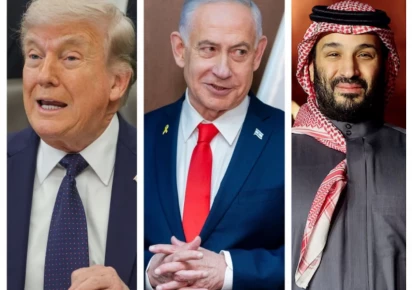
US President Donald Trump has said that any future civilian nuclear agreement between the United States and Saudi Arabia will depend on the kingdom joining the Abraham Accords, the US-backed agreements aimed at normalising relations with Israel.

Trump said Washington has no objection to Saudi Arabia developing civilian nuclear facilities as long as they are used only for peaceful purposes. He stressed that the proposed cooperation would focus on non-military nuclear energy, similar to civilian programmes in other countries.

The proposed agreement would allow Saudi Arabia to enrich uranium and develop nuclear reactors with American technology. However, the deal reportedly does not require Riyadh to accept additional international inspections that are designed to detect undeclared nuclear activities. The absence of these extra safeguards has drawn attention because similar measures have been considered important in previous nuclear agreements.

Saudi Arabia has been working for years to establish a civilian nuclear programme as part of its broader economic diversification strategy. The kingdom says nuclear energy will help reduce dependence on oil and meet future energy demand. Saudi leaders have also stated in the past that if Iran were to develop nuclear weapons, Riyadh would seek the same capability to maintain the regional balance.

The latest remarks come as tensions between the United States and Iran continue to intensify.

Iran’s Foreign Ministry warned American military personnel against carrying out attacks on civilian infrastructure. Tehran said targeting facilities such as bridges and power plants could amount to war crimes under international law. Iranian officials argued that following military orders would not protect individuals from legal responsibility if unlawful attacks were carried out.

US Secretary of State Marco Rubio said Washington’s main objective remains preventing Iran from obtaining nuclear weapons. He accused Tehran of repeatedly violating agreements and said the Iranian government continues to support armed groups across the Middle East instead of focusing on its economy and people.

Rubio also urged Yemen’s Houthi movement to avoid becoming more deeply involved in the conflict. He warned that further attacks could increase instability across the region and create additional security challenges.

At the same time, Oman announced that it is working with Saudi Arabia, the United Nations and other regional partners to restart Yemen’s political peace process. Muscat called on all sides to avoid further escalation in the Red Sea and to protect international shipping routes.

The Houthis claimed responsibility for missile and drone attacks on two Saudi oil tankers in the Red Sea. The group said the strikes were part of its maritime blockade campaign. Saudi authorities confirmed that one tanker was damaged and caught fire after the attack, while the status of the second vessel remained unclear.

The attacks have raised fresh concerns about the security of one of the world’s busiest shipping lanes. Several commercial oil tankers have reportedly changed their routes to avoid the Red Sea, increasing transportation costs and raising fears of further disruption to global energy supplies.

Elsewhere in the region, Bahrain activated emergency warning sirens following reports of a possible Iranian attack. Authorities urged residents to remain calm and move to safe locations while monitoring the situation.

Jordan also said its air defence systems intercepted several missiles and drones approaching its airspace. The Jordanian military confirmed there were no casualties or damage and said security forces remain on high alert.

Meanwhile, Iran’s Revolutionary Guard claimed it had carried out attacks on US military facilities in Jordan and Kuwait. The group alleged that it struck missile defence systems, military equipment and logistical sites. There was no immediate confirmation of those claims from either Jordan or Kuwait.
Similar Posts

  • |

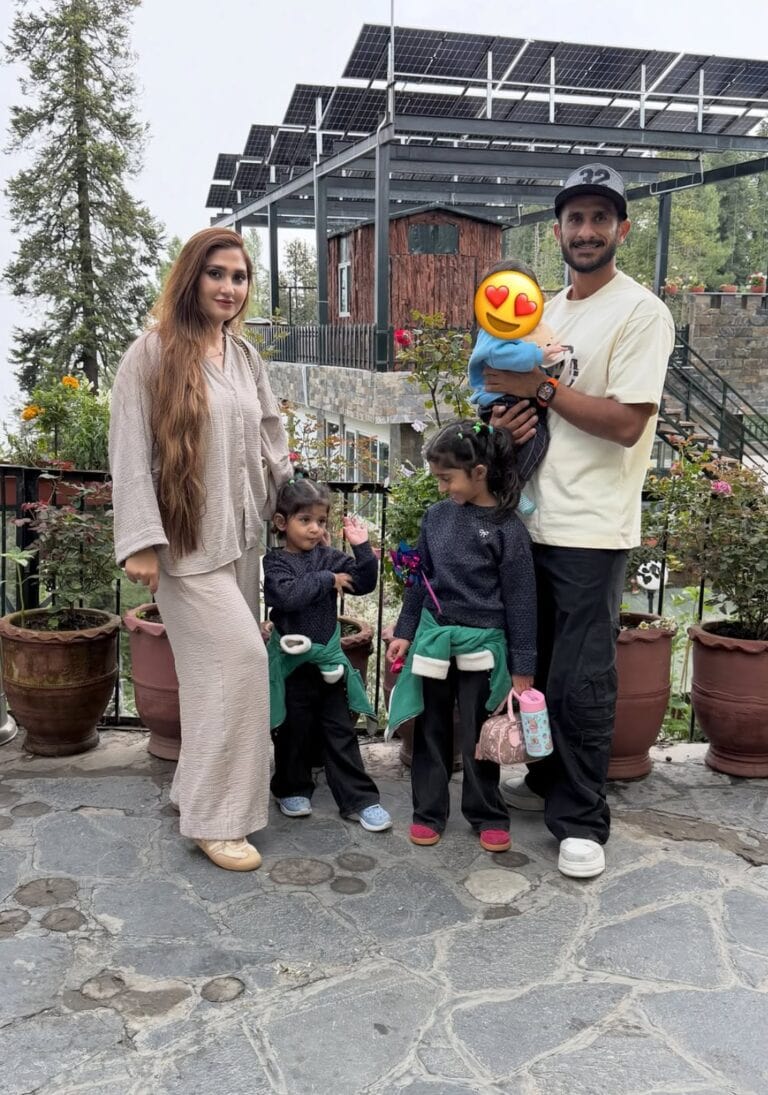
    Hassan Ali shares heartwarming moments from family getaway

    Pakistani cricketer Hassan Ali is making the most of his time away from the field with a relaxing family vacation in the picturesque hill stations of Murree and Nathia Gali. The fast bowler, widely admired for his passion, energy, and match-winning performances, is spending quality time with his wife, Samiyah Khan, and their three children. Hassan Ali has built an impressive cricket career through his pace bowling and fighting spirit. The right-arm fast bowler played a crucial role in Pakistan’s memorable triumph at the 2017 ICC Champions Trophy, delivering one of the standout performances in the final against India by claiming three wickets for just 19 runs. His ability to perform under pressure made him one of Pakistan’s most dependable bowlers during that period. Another significant milestone in Hassan’s career came during Pakistan’s 2021 Test series against South Africa, where he produced a brilliant five-wicket haul that showcased his skill and consistency in the longer format of the game. Over the years, he has also remained an important figure in the Pakistan Super League (PSL), representing different franchises and entertaining fans with his aggressive bowling and trademark celebrations. Recently, Hassan marked his return to the national side, much to the delight of cricket enthusiasts who have followed his journey. Away from cricket, Hassan Ali is enjoying precious moments with his family in northern Pakistan. His wife, Samiyah Khan, gave fans a glimpse into their holiday by sharing a series of heartwarming pictures on social media. The family appeared cheerful as they explored the breathtaking landscapes, lush greenery, and cool weather that Murree and Nathia Gali are known for. The vacation includes Hassan, Samiyah, their daughters Halena and Hazel, and their youngest son, Hamdan. The adorable family photos quickly caught the attention of fans, who praised the couple for spending quality time together and creating beautiful memories with their children. For the outing, Samiyah chose a relaxed yet stylish look, wearing a beige textured co-ord set layered over a black T-shirt, perfectly suited for the pleasant mountain weather. Hassan Ali kept his outfit simple and comfortable in a classic black-and-white ensemble, complementing the laid-back vibe of the family trip. The pictures showcase the family enjoying scenic viewpoints, peaceful surroundings, and refreshing mountain air. Smiling together in every frame, Hassan and Samiyah looked delighted as they embraced the beauty of the northern hills with their children. Fans flooded the comments section with warm wishes and compliments, appreciating the family’s joyful moments and the stunning backdrop of Murree and Nathia Gali. Many also expressed happiness to see Hassan balancing his professional commitments with valuable family time. As Hassan Ali prepares for upcoming cricket assignments following his return to international cricket, this refreshing getaway offers a well-deserved break before he shifts his focus back to the game. The latest vacation photos have once again highlighted the cricketer’s strong family bond, giving fans a closer look at the personal side of one of Pakistan’s most popular sports personalities.

  • | |

    John Cena reveals how two hair transplant surgerie…

    John Cena is opening up about a deeply personal decision that has boosted his confidence and transformed his outlook on life. While attending San Diego Comic-Con, the actor and former WWE superstar candidly discussed undergoing two hair transplant surgeries, admitting that he wishes he had addressed his hair loss sooner. (people.com⁠) The 49-year-old star, known for his action-packed roles and legendary wrestling career, said he struggled with hair thinning for years before deciding to seek treatment. Speaking to People, Cena explained that his goal was simple: “The objective is to get more hair, and this was the best way to do it.” He credited renowned hair restoration specialist Dr. Ken Anderson for helping him regain not only his hair but also his confidence. “He’s totally changed my life,” Cena said. (people.com⁠) Cena admitted that hair loss affected him more than many people realized. Although he built a career portraying strength and confidence, he confessed that seeing his hair thin over time took an emotional toll. Looking back, he said his biggest regret was waiting too long to take action. The actor revealed that he underwent two separate hair transplant procedures to achieve the results he wanted. Rather than viewing the surgeries as cosmetic, Cena described them as a personal investment in his well-being. He emphasized that there should be no stigma around seeking treatments that help people feel better about themselves. (people.com⁠) His honest comments quickly resonated with fans, many of whom praised him for speaking openly about an issue that affects millions of men worldwide. Hair loss is a common experience, yet it is often surrounded by embarrassment or unrealistic expectations. By sharing his journey, Cena hopes to encourage others to make choices that improve their confidence without fear of judgment. The Comic-Con appearance also highlighted another exciting chapter in Cena’s career. The wrestler-turned-actor continues to balance major Hollywood projects with select WWE appearances, proving he remains one of entertainment’s most recognizable figures. Whether starring in blockbuster films or interacting with fans at conventions, Cena has consistently embraced authenticity and humor. Throughout his career, Cena has inspired audiences through perseverance, discipline, and self-improvement. His latest revelation adds another layer to that message. Instead of hiding his experience, he chose to discuss it openly, reminding fans that confidence can come from taking steps to care for oneself. For John Cena, the decision to undergo two hair transplant surgeries was about far more than appearance. It was about reclaiming confidence, feeling comfortable in his own skin, and embracing change. Judging by his enthusiasm, it is a decision he has no regrets about—except perhaps not making it sooner.

  • | |

    Islamabad police warn public against fake e-challa…

    Islamabad Traffic Police has warned citizens to remain alert against fake e-challan messages being circulated through SMS, WhatsApp, and other online platforms. The police urged the public not to fall victim to online scams and to verify all traffic-related notices through official channels only. In an official statement, the traffic police advised citizens to stay cautious of fake websites, suspicious links, and unverified messages claiming to be issued by government authorities. It said cybercriminals are using fraudulent messages to deceive people into sharing personal or financial information. The police specifically warned citizens not to click on any link included in suspicious SMS or WhatsApp messages related to e-challans. Such links may lead to fake websites designed to steal sensitive information or install malicious software on users’ devices. The statement further advised the public to immediately report any suspicious or fake e-challan message to the nearest police station or the FIA Cyber Crime Wing. Prompt reporting can help authorities trace those involved in online fraud and prevent others from becoming victims. Islamabad Traffic Police also emphasized that citizens should check and verify their e-challans only through the official government website. It urged motorists to avoid relying on messages received from unknown numbers or unofficial sources. The police reiterated that public awareness is essential in preventing cyber fraud. Citizens have been encouraged to remain vigilant, verify all online communications related to traffic fines, and avoid sharing personal information through suspicious websites or links.

  • |

    Uganda football captain David Owere killed in robbery attack

    KAMPALA: Uganda’s football world has been plunged into mourning after national team captain David Owere died following a brutal attack during an alleged robbery near his home in Kampala. The 27-year-old footballer was reportedly confronted by suspected robbers in the Makindye area while they attempted to steal his mobile phone and other valuables. Police said Owere resisted the attackers, triggering a violent assault that left the young captain critically injured. Witnesses said the attackers allegedly pelted Owere with stones before fleeing the scene. He was found unconscious and was quickly taken to a nearby clinic for treatment. As his condition remained serious, Owere was later transferred to a private hospital. Despite receiving medical care, the footballer succumbed to his injuries, bringing a sudden and tragic end to the life of one of Uganda’s emerging football leaders. His death has shocked supporters and the football community across the country. Owere was a key figure for both the Uganda national team and SC Villa, one of Uganda’s most successful clubs. His versatility allowed him to play as a right-back as well as in midfield, while his leadership qualities earned him the captain’s armband. SC Villa paid an emotional tribute to their captain, saying the club had lost far more than a footballer. The Uganda Football Federation also mourned Owere, describing him as an exemplary leader who made an impact both on and off the pitch. The federation highlighted his influence on younger players and his role as an inspirational figure within Ugandan football. The circumstances of his death have raised concerns about violent crime in Kampala, with the alleged attack occurring close to the player’s home. Police are expected to investigate the incident and pursue those responsible for the attack. For Uganda’s football fans, Owere’s death is a devastating loss. At only 27, he had already established himself as a respected captain and leader, leaving behind teammates, supporters and a football community struggling to come to terms with his sudden death.

  • |

    CPEC 2.0: Pakistan, China shift focus to B2B investment

    ISLAMABAD: Pakistan and China are moving toward a more business-driven model of cooperation under the second phase of the China-Pakistan Economic Corridor (CPEC), with greater emphasis on Business-to-Business (B2B) partnerships, industrial development, exports and productivity rather than large-scale Government-to-Government (G2G) financing. The development emerged during a high-level Chinese delegation’s visit to the CPEC Secretariat, where discussions focused on strengthening industrial and commercial ties between the two countries. According to an official statement issued by the Ministry of Planning on Tuesday, the Chinese delegation was headed by Sun Dongsheng, Senior Advisor, Economic Affairs Press. The delegation met Federal Minister for Planning, Development and Special Initiatives Ahsan Iqbal, along with senior policymakers and development experts. The talks centred on ways to advance B2B and industrial cooperation under CPEC 2.0, reflecting a broader shift in the corridor’s priorities from infrastructure-led development toward industrialisation, exports, technology and private-sector participation. From infrastructure to industrialisation During the meeting, Ahsan Iqbal briefed the Chinese delegation on the government’s Uraan Pakistan economic transformation programme and outlined Islamabad’s priorities for the next phase of CPEC. The minister proposed closer cooperation with Chinese institutions, including counterparts of the National Centre of New Manufacturing, to benefit from China’s experience in advanced manufacturing, innovation, automation and robotics. He said Pakistan needed to strengthen its productive capacity and adopt modern technologies to remain competitive in the era of Industrial Revolution 4.0 and prepare for the emerging Industrial Revolution 5.0. Ahsan Iqbal identified Pakistan’s limited export base as one of the country’s major economic challenges. According to the minister, repeated attempts to accelerate economic growth have struggled to generate sustainable momentum because productive sectors have not been sufficiently integrated with export markets. He stressed that the government’s priority was therefore to turn agriculture, manufacturing and other productive sectors into stronger sources of exports and foreign exchange. Pakistan seeks greater access to Chinese market The minister also called for greater facilitation of Pakistani exports to China, highlighting the considerable gap between the two countries’ trade potential. He noted that China imports goods worth around $2.6 trillion annually, whereas Pakistan’s exports to the Chinese market remain close to $3 billion. Ahsan said Pakistan needed to increase its presence in the Chinese market by improving production standards, competitiveness and the ability of domestic businesses to meet international demand. He expressed the expectation that CPEC 2.0 could help Pakistan address what he described as its “export deficit”, just as the first phase of the corridor contributed to addressing the country’s energy shortfall. CPEC enters a new phase Under CPEC’s first phase, China committed substantial financing to infrastructure, energy and other development projects in Pakistan. Nearly $30 billion was invested in infrastructure and power-sector projects, including independent power producers. However, the focus is now increasingly shifting toward private-sector-led cooperation. Islamabad continues to pursue financing for selected road and motorway projects, but China has yet to demonstrate readiness to finance the long-delayed Main Line-1 (ML-1) railway upgrade, which had previously been regarded as one of CPEC’s flagship projects. The latest consultations indicate that CPEC 2.0 is expected to rely more heavily on commercial partnerships between Pakistani and Chinese companies. The government has already been encouraging enterprises from both countries to explore joint ventures and investment opportunities in sectors including manufacturing, agriculture and mining. Ahsan Iqbal said recent agreements between Pakistani and Chinese companies showed that B2B cooperation was beginning to gain momentum. He expressed confidence that stronger business-to-business engagement would support the modernisation of Pakistan’s industrial and agricultural sectors while creating opportunities for investment, employment and exports. China stresses productive capacity Sun Dongsheng reaffirmed the importance China attaches to its longstanding relationship with Pakistan and highlighted the achievements of CPEC’s first phase. He called for further cooperation in industrial and agricultural development, particularly in strengthening Pakistan’s productive capacity. The Chinese delegation also stressed the importance of involving small and medium-sized manufacturing enterprises in bilateral economic cooperation. Greater enterprise-to-enterprise engagement, according to the delegation, could help create commercially sustainable partnerships and expand opportunities for businesses in both countries. The discussions also focused on technology transfer, innovation, skills development and the creation of stronger industrial linkages. Five Corridors aligned with Uraan Pakistan Officials also discussed the strategic relationship between the Five Corridors of CPEC 2.0 and Pakistan’s 5Es framework under Uraan Pakistan. The government’s 5Es framework focuses on exports, e-Pakistan, environment and climate change, energy and infrastructure, and equity and empowerment. The participants stressed that alignment between the two initiatives needed to translate into concrete economic outcomes, including new enterprises, technology adoption, innovation, employment opportunities, skills development, increased exports and higher investment. The delegation was also briefed on the progress achieved during CPEC Phase I and Pakistan’s priorities for the second phase. The consultations suggest that the next stage of CPEC will increasingly be measured not only by the volume of infrastructure investment but also by its ability to improve Pakistan’s industrial competitiveness, expand exports, attract private investment and create sustainable employment.

  • | |

    Iran says US violated Islamabad MoU

    Iranian Foreign Minister Abbas Araghchi has accused the United States of violating the Islamabad Memorandum of Understanding, saying the agreement called for an end to the war, rather than a 60-day ceasefire that would require an extension. In an interview with ISNA, Araghchi said the memorandum declared an end to hostilities and blamed Washington for the subsequent resumption of fighting. He clarified that the 60-day period mentioned in the agreement referred to negotiations aimed at reaching a final settlement, not a temporary ceasefire. Araghchi said Qatar and Pakistan, which acted as mediators, continue to exchange messages with Tehran and remain in contact with Iranian officials. However, he stressed that Iran has not yet decided to resume negotiations with Washington. On the Strait of Hormuz, Araghchi said Iran and Oman were continuing discussions on its management. He described the issue as separate from the Islamabad MoU and said Iran was working on a temporary route that could eventually become permanent. Meanwhile, Iranian Deputy Foreign Minister for Legal and International Affairs Kazem Gharibabadi rejected US President Donald Trump’s claims about the Strait of Hormuz. Writing on X, Gharibabadi said Iran would not surrender control of the strategic waterway because of threats, military displays or political statements. He stressed that Iran does not fear US pressure and retains authority over the Strait.

Leave a Reply

Your email address will not be published. Required fields are marked *