National

  • | |

    Peshawar court bars marriage of 13-year-old girl u…

    The Child Protection Court in Peshawar has issued a ruling on a petition concerning the alleged forced marriage of a 13-year-old girl in the Phando area. According to the written order, the girl will not be married off or sent to her husband’s home until she reaches the age of 16. The girl’s father also agreed to the court’s direction. The petition was filed by an officer of the Child Protection Commission in Peshawar, who approached the court over allegations that the minor had been forcibly married in Phando. During the proceedings, the girl was produced before the court in the presence of a social worker and a psychologist from the Child Protection Unit. The court reviewed the circumstances surrounding the alleged marriage and issued its written decision. The girl’s father, grandfather and grandmother denied that she had been married. They told the court that no marriage ceremony had taken place and that the family had only held an engagement ceremony. The court directed the Child Protection Officer to closely monitor the girl’s safety and submit a follow-up report every three months. The ruling effectively prevents the girl’s marriage or departure to a marital home until she turns 16, while authorities will continue monitoring her welfare and protection.

  • | |

    PBC rebukes minority over political statements

    The Vice Chairman of the Pakistan Bar Council (PBC) has rejected a statement issued by eight members of the council, saying their views represent their individual opinions and cannot be considered the collective position of the institution. In a statement issued from Islamabad, the Vice Chairman said the Pakistan Bar Council has 23 members, while only eight members had issued the statement in question. He stressed that in a democratic institution, a minority cannot impose its position on the majority. He said the views expressed by the eight members should therefore not be presented as the official stance of the Pakistan Bar Council. According to him, the council’s collective position can only be determined through its proper institutional process. The Vice Chairman further said the Pakistan Bar Council must remain above political interests and personal agendas. He stressed that the institution should work to protect the independence of the legal profession and uphold the rule of law rather than become involved in political disputes. He also warned against using platforms of the superior judiciary and bar associations for political purposes. He said legal institutions and professional forums should maintain their dignity and should not be turned into platforms for advancing individual or political interests. The Vice Chairman said the Pakistan Bar Council strongly condemned the statements issued by the eight members and formally distanced itself from them. He made it clear that the statements did not represent the collective position of the council. He also criticised a statement issued by the Lahore High Court Bar Association, describing it as condemnable. He maintained that statements issued by individual members or groups within bar bodies should not automatically be treated as the official position of the entire legal community. The development comes amid growing debate within legal circles over the role of bar councils and associations in political and judicial matters.

  • | | |

    Govt moves SC against Imran’s hospital transfer

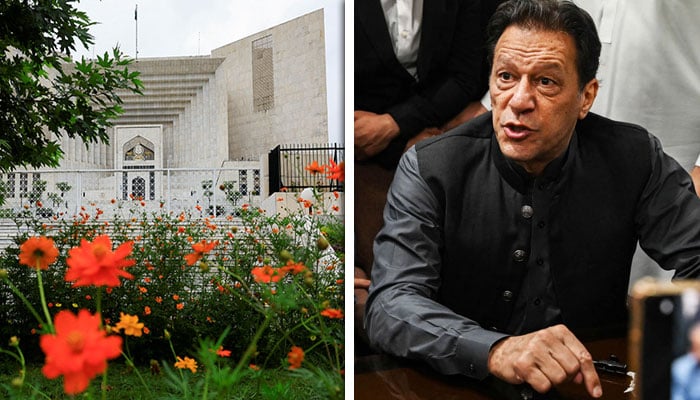
    A request for an early hearing has been filed in the Supreme Court against its August 18 order concerning the transfer of PTI founder Imran Khan from Adiala Jail to a private hospital. The application was filed by the Islamabad Chief Commissioner, who has asked the Supreme Court to urgently hear a review petition challenging its earlier directions regarding Imran Khan. In the review petition, the petitioner has sought a review, amendment and withdrawal of the August 18 order. The petition specifically challenges the direction to transfer the PTI founder from Adiala Jail to a private hospital. The application also challenges the court’s directions concerning his medical examination and treatment by a medical panel. According to the petition, the matter is not limited to the provision of medical facilities. It also involves questions relating to the legal and constitutional jurisdiction of the court and the authorities concerned. The review petition raises legal questions regarding the scope of judicial jurisdiction following the 27th Constitutional Amendment. It also refers to Article 175(2) of the Constitution and relevant prison laws. The petitioner has argued that the Supreme Court’s August 18 order was subject to a specific timeline, making an early hearing of the review petition necessary. The Islamabad administration has therefore requested the apex court to take up the matter on an urgent basis and reconsider the directions concerning Imran Khan’s transfer, medical examination and treatment. The development comes as authorities seek legal clarification over the implementation of the Supreme Court’s directions concerning the PTI founder’s medical care while he remains in custody.

  • | |

    Kamal: Karachi deserves Rs800bn NFC share

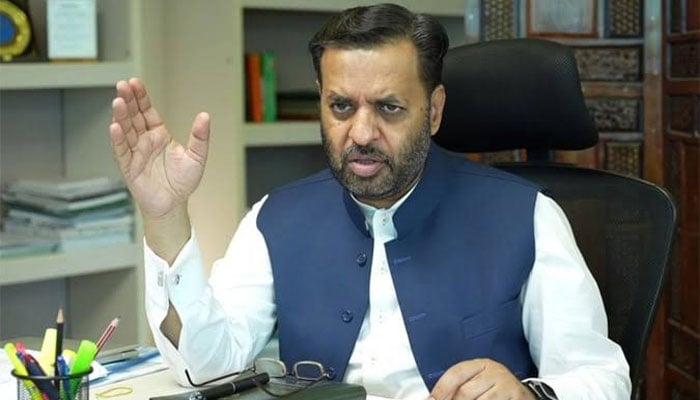
    Federal Health Minister Mustafa Kamal has said that he entered politics as an IT minister 23 years ago and became Karachi’s mayor 21 years ago, claiming that he played a role in ending the politics of violence in the city. Speaking in Karachi, Kamal said he had spoken out against a system in which people could be killed simply for expressing disagreement. He said Karachi’s political and administrative problems could not be resolved without addressing the structural issues facing the city. Kamal claimed that Karachi had not been properly counted in the population census. He said the city’s share under the National Finance Commission (NFC) award would amount to around Rs800 billion this year. He argued that the existing system was damaging not only Karachi but the entire country. According to him, the city continues to face serious problems despite massive spending and a lack of effective administrative arrangements. The federal minister said drinking water was not reaching many parts of Karachi, while the city’s sewage system was also unable to properly dispose of wastewater. He said there was no effective mechanism to transfer sufficient powers and resources to the grassroots level. Kamal further claimed that despite around Rs22,000 billion being spent in the city, Karachi had reached the third position on a global list of cities with poor living conditions. He stressed that the city needed stronger local governance, adequate resources and greater administrative powers at the grassroots level to address its longstanding problems. Commenting on the political debate over administrative units, Kamal said that if the old Muttahida Qaumi Movement (MQM) were still in its previous form, the responsibility for incidents such as the Gul Plaza tragedy would have been placed on the party. He said he had advocated the creation of an administrative unit for better governance and claimed that the proposal was now receiving support from different quarters. Kamal added that under the old political environment, such a proposal would have been dismissed as a foreign conspiracy. He maintained that Karachi’s governance problems required practical administrative reforms rather than political accusations.

  • | |

    Pentagon dismisses three stars and stripes officia…

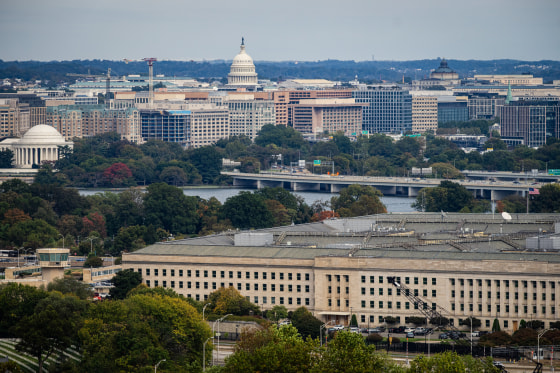
      ISLAMABAD: The US Department of Defense has dismissed three senior officials associated with the military newspaper citing allegations of insubordination in a move that has intensified concerns over editorial independence and Pentagon oversight of the publication. The officials have been given five days to appeal the decisions, according to US media reports. The dismissals of Slavík and Kurt are reportedly connected to their appearance where they discussed the newspaper’s editorial independence and the Pentagon’s proposed changes to its operations. During the interview, both journalists defended the principle that Stars and Stripes should be able to maintain independent editorial judgment while continuing to serve members of the US military and their families. Slavík said in his dismissal notice that he was being removed after publicly stating that censorship of news intended for service members would cross a “red line.” He maintained that Stars and Stripes should retain its editorial independence and said he stood by the position he expressed during the interview. Kurt also confirmed that she had received a dismissal notice. During the interview, she reportedly emphasised that her professional responsibility was to Stars and Stripes rather than to the Pentagon, a particular administration or individual policymakers. She also argued that members of the US military swear an oath to defend the Constitution and therefore should have access to a free and independent press. Lederer’s dismissal appears to have stemmed from a separate dispute with Defense Department officials. According to reports, Lederer declined to follow certain Pentagon instructions concerning action against journalists. His removal also came earlier than expected, as he had reportedly planned to retire on September 30. The developments come amid months of tension between Stars and Stripes and Defense Department officials over the future direction of the publication. Although the newspaper receives funding from the Pentagon, Stars and Stripes has traditionally maintained a degree of editorial independence and has served as a source of news for US military personnel, veterans and their families. Defense officials have been seeking to reshape the publication’s coverage, placing greater emphasis on combat operations, weapons systems, physical fitness, military readiness and troop survival. Some other areas of coverage have reportedly been described by officials as less essential to service members. The dispute became more prominent after Stars and Stripes published reports examining conditions aboard the USS Abraham Lincoln, as well as concerns raised by military families regarding the mental health and welfare of troops. A Pentagon spokesperson did not provide extensive details about the dismissals but referred to an open letter from Deputy Publisher Capt. William Urban. Urban has called for the newspaper to modernise its operations, strengthen its digital presence and generate additional revenue. At the same time, he has stressed the importance of maintaining professional editorial standards. The dismissals have renewed discussion within US military journalism about how an independent press serving military personnel should operate while receiving government funding. Supporters of Stars and Stripes argue that troops need independent reporting that can examine military policies and conditions without interference. Pentagon officials, meanwhile, have sought greater alignment between the publication’s priorities and the department’s broader communication and operational objectives. The controversy is therefore likely to continue raising questions about the appropriate limits of Pentagon oversight and the editorial freedom of a publication that has served US military communities for decades.

  • | |

    PM Shehbaz orders probe into PIMS CTA failure

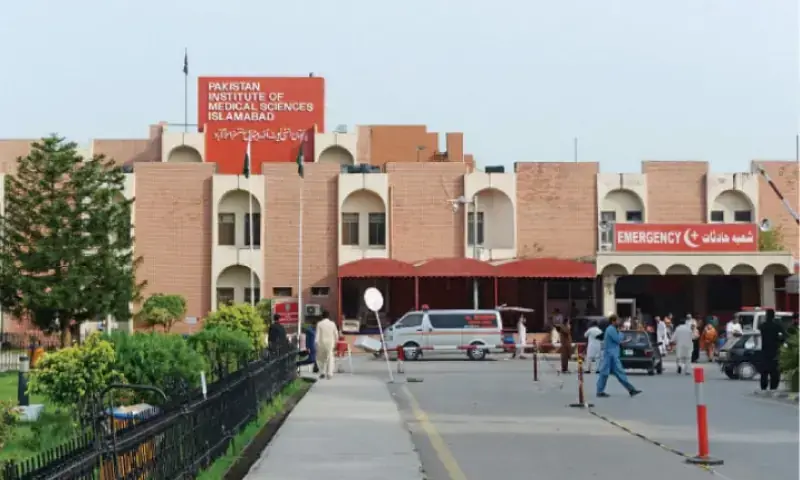
    Prime Minister Shehbaz Sharif has taken notice of the failure to conduct a CT angiography (CTA) test at the Pakistan Institute of Medical Sciences (PIMS) after PTI founder Imran Khan was taken to the hospital for a medical examination. The prime minister has formed an inquiry committee to investigate why the recommended cardiac test could not be performed and determine whether the required facilities were available at the hospital. The committee will be headed by the secretary of the Establishment Division and will include senior officials and medical experts from the National Health Services ministry, Armed Forces Institute of Cardiology (AFIC) and PIMS. The inquiry will examine whether PIMS had the technical capacity to conduct CTA scans since 2022. It will also determine whether the necessary equipment, software and trained staff were available when the test was recommended. The committee will review hospital records to establish how many CTA procedures have been conducted at PIMS since 2022 and whether patients requiring the test were routinely referred to private medical facilities. The investigation will also examine coordination between the cardiology and radiology departments and determine whether administrative shortcomings contributed to the failure to conduct the test. According to hospital officials, Imran Khan was brought to PIMS in the early hours of Friday for a medical check-up. His CTA was recommended, but the test was not carried out and he was subsequently taken back to Adiala Jail. The issue has raised questions about the availability and use of diagnostic facilities at the public-sector hospital. Officials said a CTA machine in the cardiac centre had remained out of service for years, while another machine in the radiology department was reportedly operational. The inquiry will specifically determine whether hospital staff were aware of the functioning radiology facility and why the patient was not referred there for the required examination. The committee will also investigate whether poor coordination, mismanagement or a misunderstanding between departments caused the failure and whether any officials should be held responsible. It has further been tasked with examining referrals to private hospitals, including whether any particular private facility was repeatedly preferred and whether such referrals resulted in the diversion of patients and revenue from the public hospital. Prime Minister Shehbaz has directed the committee to conduct a comprehensive review of all relevant records and facts and submit its findings. Further action will be taken on the basis of the inquiry report and in accordance with the law.

  • | |

    TikToker Ayesha Shamsu’s murder case solved

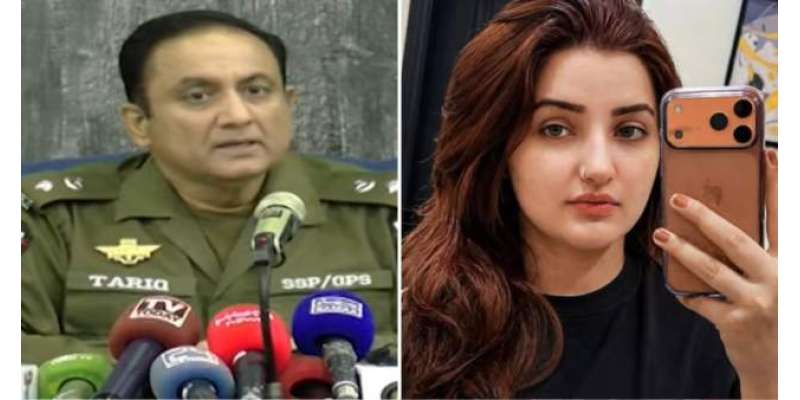
    Police have claimed to have solved the murder case of TikToker Ayesha Shamsu in Taxila, saying she was allegedly killed by her father, brother and cousin in the name of so-called honour. Rawalpindi SSP Operations Tariq Mehboob said during a press conference that Ayesha Gulamna, also identified as Ayesha Shamsu, was allegedly targeted by her family members because they objected to her activities on TikTok. According to the police official, the suspects were identified with the help of surveillance cameras and other technological tools. Ayesha was shot dead in Taxila on the evening of August 14. Her sister and brother were also wounded when the suspects allegedly opened fire. Police said they have arrested the alleged main suspect and two shooters in connection with the killing. A total of five suspects, including Ayesha’s father, have been taken into custody. The initial investigation suggested that Ayesha’s family disapproved of her presence and activities on social media. Police said the family had previously attempted to stop her from using TikTok, but she continued her online activities. The suspects allegedly decided to kill her after their attempts to prevent her from using the platform failed. SSP Tariq Mehboob said further legal proceedings would be initiated against the suspects and a formal challan would be submitted before the court. Police have vowed to pursue the case and ensure that those responsible for the killing face legal consequences.

  • | |

    Lawyer explains why Mohsin Naqvi was excluded from…

    ISLAMABAD: Barrister Uzair Bhandari, representing Dr Uzma Khan, has clarified why Interior Minister Mohsin Naqvi was not initially named as a respondent in the contempt of court petition filed before the Supreme Court. Dr Uzma Khan, sister of PTI founder Imran Khan, filed the petition in connection with alleged non-compliance with a court order. Questions were subsequently raised over the absence of the interior minister from the list of respondents. In a statement shared on X, Bhandari explained that the respondents were selected on the basis of their alleged involvement, public statements and administrative responsibilities. He said Federal Ministers Azam Nazeer Tarar and Attaullah Tarar were included because they had publicly commented on the relevant court decision and the issue concerning the transfer. Prime Minister Shehbaz Sharif was also named, Bhandari said, in line with the legal principle established by the Supreme Court in the Yousaf Raza Gilani case. Under that precedent, the prime minister carries ultimate administrative responsibility for ensuring compliance with court orders. Regarding Mohsin Naqvi, the lawyer said the interior minister had not made any direct statement about the specific court decision at the time the petition was filed. As a result, there was no immediate basis for including him as a respondent. Bhandari, however, clarified that this does not prevent Naqvi from being added to the proceedings in the future. If relevant evidence emerges during the investigation, or if the Supreme Court considers it necessary, the interior minister could subsequently be made a party to the case. The lawyer also explained the inclusion of the Interior Secretary. Under the Rules of Business, 1973, the Interior Secretary serves as the administrative head of the Interior Division. The secretary was therefore named on the basis of the division’s legal and administrative responsibilities.

  • | | |

    ‘Imran could face Morsi’s fate,’ sister warn…

    Pakistan Tehreek-e-Insaf (PTI) founder Imran Khan has expressed fears about his safety and allegedly told his sister that he could face a fate similar to that of former Egyptian president Mohamed Morsi, according to Dr Uzma Khan. Speaking at a press conference in Islamabad, Uzma said she was deeply concerned about her brother’s physical and mental condition following his prolonged confinement in Adiala Jail. She claimed Imran had repeatedly complained about being kept in solitary confinement and said he believed he was being treated inhumanely. According to Uzma, Imran told her that his concerns were not being properly heard by jail authorities. She said he had complained about the lack of human contact and believed that the isolation was affecting his health. Uzma further claimed that a doctor who examined Imran on August 10 attributed his anxiety and high blood pressure to his prolonged solitary confinement. She also said newspapers and television access had only been provided to him for a limited period. The PTI founder’s sister said she attempted to reassure him during their meeting, telling him that people across the country stood with him and that he should remain hopeful. Dispute over hospital transfer Uzma also provided details of the events surrounding Imran’s proposed transfer to Shifa International Hospital. She said she reached Adiala Jail between 8pm and 8:30pm after being contacted by authorities. She waited there with Imran’s physician, Dr Faisal Sultan. According to Uzma, they were later informed that Imran had been taken away, but she was not initially told where he had been taken. She said she was subsequently taken in a vehicle accompanied by a security convoy. After travelling for some time, she was informed that they had reached the Pakistan Institute of Medical Sciences (PIMS). Uzma said she reminded officials that the Supreme Court had ordered Imran’s transfer to Shifa International Hospital. She was reportedly told that he had instead been taken to PIMS for an eye examination. When she eventually met her brother, Uzma said Imran appeared surprised to see her. She told him that he was expected to undergo a comprehensive medical examination at Shifa. She said doctors at PIMS checked his blood pressure and examined his eyes. Dr Faisal Sultan separately said he had been summoned and taken to Shifa International Hospital but was repeatedly given unclear responses when he asked when Imran would arrive. He said he eventually concluded that the PTI founder would not be brought to the hospital. Government seeks review of Supreme Court order The dispute intensified after the federal government approached the Supreme Court seeking a review of its August 18 order concerning Imran’s medical examination and proposed transfer to Shifa International Hospital. The government had earlier filed a review petition, but it was returned after objections were raised by the Supreme Court registrar’s office. The government subsequently refiled the petition after addressing those objections. In its revised plea, the government argued that the August 18 order had been issued beyond the court’s jurisdiction and contained errors of law that warranted reconsideration. The government also relied on the Pakistan Prison Rules, 1978, arguing that the transfer of a convicted prisoner to a hospital is governed by a prescribed legal procedure. It referred specifically to Rule 197, which deals with the mechanism for transferring prisoners for medical treatment. The government further invoked Article 10-A of the Constitution, which guarantees the right to a fair trial and due process. It argued that adequate notice and an opportunity of hearing should be provided to both sides. The government therefore asked the apex court to review and recall its earlier order. Government rejects allegations of non-compliance Information Minister Attaullah Tarar defended the government’s position and rejected claims that the Supreme Court’s directive had been ignored. In a statement posted on X, Tarar said Imran had been taken for a medical examination during the early hours of August 21 under appropriate security arrangements. He said a team of doctors, including specialists in ophthalmology, cardiology and general medicine, examined Imran and declared him medically fit. Tarar said Uzma remained present during the medical examination and treatment process. According to the minister, Imran was subsequently returned to Adiala Jail at around 5am. In another statement, Tarar clarified that the examination was conducted at PIMS and that doctors from Shifa International Hospital were also present. He attributed the decision to use PIMS to security concerns surrounding the route to and area around Shifa International Hospital, which he said had been created by PTI workers. The minister maintained that the government had provided medical facilities to Imran in the past and would continue to do so whenever required. Opposition accuses government of contempt Opposition parties, however, strongly criticised the government’s handling of the matter. Opposition leaders alleged that the Supreme Court’s order had not been implemented in the manner directed and questioned the circumstances under which Imran was separated from his sister and physician. National Assembly Opposition Leader Mehmood Khan Achakzai and Senate Opposition Leader Allama Raja Nasir Abbas criticised the government’s decision and said those responsible should be held accountable. Achakzai questioned the circumstances surrounding the events during the night and described the episode as evidence of wider political problems in the country. Raja Nasir Abbas alleged that the government had effectively disregarded the Supreme Court’s decision by not transferring Imran to Shifa International Hospital as expected. He said the opposition would continue its legal and political struggle over the matter. The opposition leaders also expressed concern about Imran’s health and called for his medical treatment to be conducted transparently. Opposition alliance plans Supreme Court action The opposition’s joint parliamentary party, operating under the Tehreek Tahaffuz Aiyeen-e-Pakistan (TTAP) platform, also held a meeting at Parliament House. The meeting was chaired by Achakzai and attended by Raja Nasir Abbas, PTI Chairman Barrister Gohar Ali Khan, PTI Secretary General Salman Akram Raja, Khyber Pakhtunkhwa Chief Minister Sohail Afridi and other opposition lawmakers. The participants discussed Imran’s health, the Supreme Court order, the country’s political

  • | |

    Pakistan paid Rs6,405 billion to IPPs in capacity …

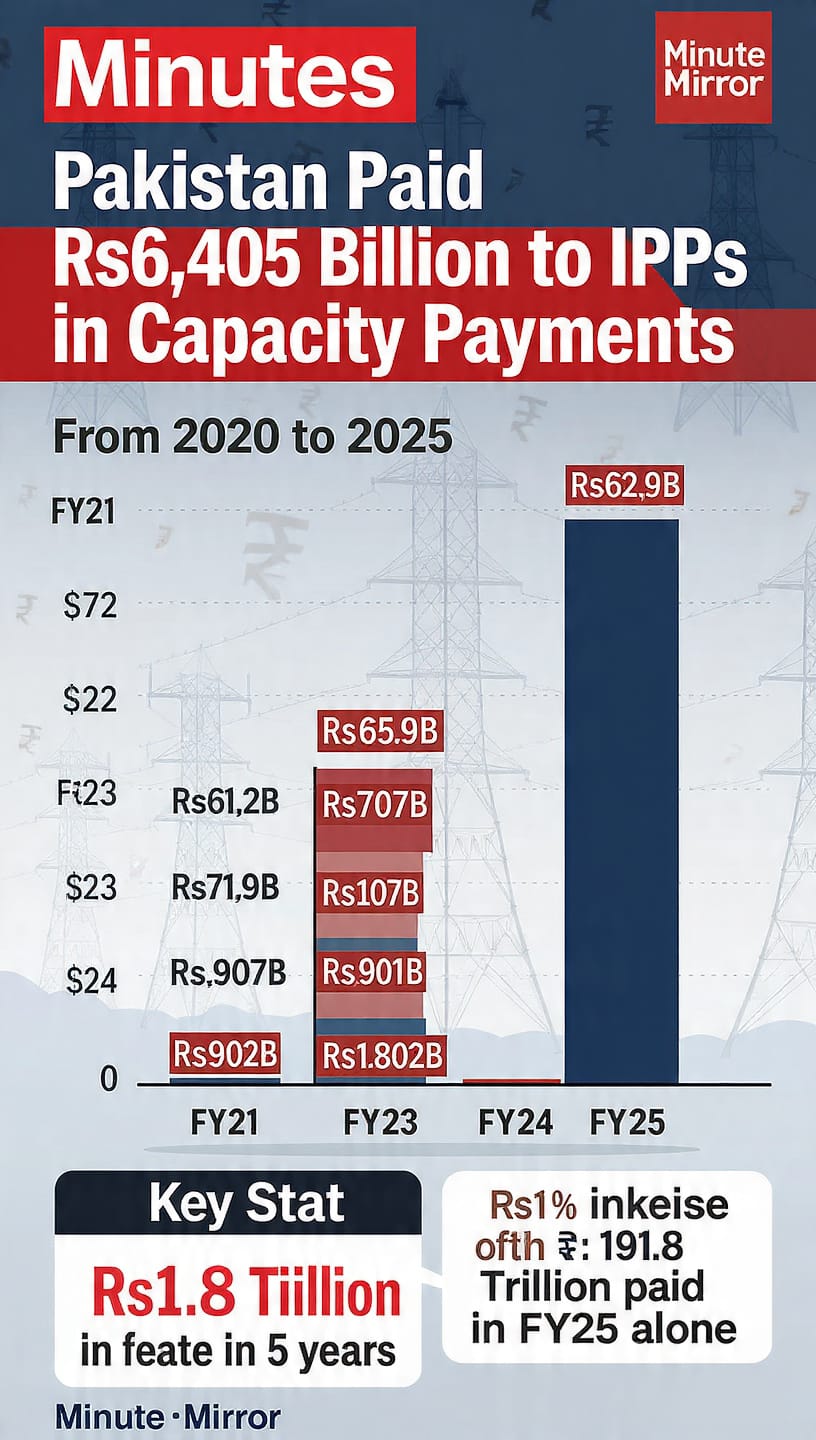
      ISLAMABAD: Pakistan’s federal government paid a total of Rs6,405 billion to Independent Power Producers (IPPs) in capacity payments between 2020 and 2025, the National Assembly has been informed, highlighting the growing financial burden associated with the country’s power sector. According to a written response submitted by Federal Minister for Energy Awais Ahmad Leghari, capacity payments increased significantly during the five-year period despite government efforts to renegotiate power purchase agreements and reduce electricity costs. The figures presented to the National Assembly show that capacity payments rose from Rs613.9 billion in FY2020-21 to Rs1,807 billion in FY2024-25. This represents an increase of approximately 194% over the period. The government paid Rs613.9 billion in capacity charges during FY2020-21. The amount increased to Rs775.9 billion in FY2021-22 before rising sharply to Rs1,307 billion in FY2022-23. Capacity payments reached their highest level during FY2023-24, when the government paid around Rs1.902 trillion to IPPs. Although the amount declined slightly in FY2024-25 to Rs1.807 trillion it remained almost three times higher than the amount paid in FY2020-21. Capacity payments are charges made to power producers for keeping their generating plants available to supply electricity, regardless of whether the full generation capacity is actually utilised. These payments are part of the contractual arrangements between the government and IPPs and have frequently been identified as one of the factors contributing to Pakistan’s expensive electricity system and growing circular debt. Responding to questions in the National Assembly, Energy Minister Awais Ahmad Leghari said the government has taken several measures to reduce the financial pressure created by existing power agreements. According to the minister, a government task force has terminated power purchase agreements with six IPPs, while agreements with several other producers have also been revised. The objective of these measures is to reduce electricity costs and limit the financial burden on the national power sector. The Ministry of Energy estimates that the changes made to the agreements could result in savings of approximately Rs4.3 trillion over the remaining life of the contracts. Leghari also clarified that payments made to power producers are based on tariffs determined by the National Electric Power Regulatory Authority (Nepra) and the terms agreed under the relevant power purchase agreements. He rejected the impression that generators were receiving payments outside the approved contractual and regulatory framework, stating that there were no additional payments beyond the applicable arrangements. Despite the government’s renegotiation efforts, the figures show that capacity payments continue to represent a major financial obligation for Pakistan. The Rs1.807 trillion paid in FY2024-25 alone demonstrates the scale of the challenge facing the country’s power sector. The government’s efforts to terminate and revise agreements are expected to provide substantial savings in the coming years. However, reducing capacity payments and addressing the broader issues of electricity pricing, power utilisation and circular debt remain critical challenges for Pakistan’s energy sector.